


The best non-slip yoga mat for Vinyasa flow is one made from natural rubber, which delivers consistent grip across dynamic, fast-paced sequences without shifting underfoot. For most practitioners, a mat with a textured, open-cell surface and a thickness of around 4 to 5mm strikes the right balance between cushioning and stability. Below, we break down exactly what to look for so you can find the right fit for your practice.
What makes a yoga mat non-slip during Vinyasa flow?
A yoga mat becomes non-slip through a combination of surface texture, material composition, and moisture response. During Vinyasa yoga, where transitions happen quickly and sweat builds up, the mat’s ability to maintain traction under pressure and moisture is what separates a reliable mat from one that slides around mid-flow.
The key factors that determine grip during Vinyasa practice are:
- Open-cell surface structure: Open-cell materials absorb moisture rather than letting it pool on top, which means the mat actually gets grippier as you warm up and sweat more.
- Textured top layer: A raised pattern or micro-texture increases friction between your hands, feet, and the mat surface, preventing slippage in weight-bearing poses.
- Non-slip base layer: The underside of the mat needs to grip the floor equally well, especially on smooth studio surfaces. Natural rubber bases perform particularly well here.
- Material density: Denser mats compress less under pressure, maintaining consistent contact with the floor throughout fast transitions.
It is worth noting that a mat’s non-slip performance can degrade over time if it is not cleaned regularly. Oils from skin and product residue build up on the surface and reduce traction, so routine cleaning is part of maintaining that grip.
Which mat materials offer the best grip for Vinyasa yoga?
Natural rubber is the best mat material for Vinyasa yoga grip. It combines a naturally tacky surface with excellent floor adhesion, and its open-cell structure absorbs sweat rather than repelling it. This makes it consistently reliable across the full duration of a dynamic practice, from the first sun salutation to the final cool-down.
Here is how the most common materials compare for Vinyasa-specific grip:
- Natural rubber: Top choice for grip and sustainability. Provides strong traction on both the top and bottom surfaces, performs well in heat, and is a durable long-term investment. Our natural rubber yoga mat is designed with exactly this kind of active practice in mind.
- TPE (Thermoplastic Elastomer): A synthetic, lightweight option with decent grip in dry conditions. Less effective once significant sweat is involved, making it better suited to gentler styles than Vinyasa.
- PVC: Offers reasonable grip but is not breathable or eco-friendly. It tends to get slippery when wet and does not align with the values of most sustainability-conscious practitioners.
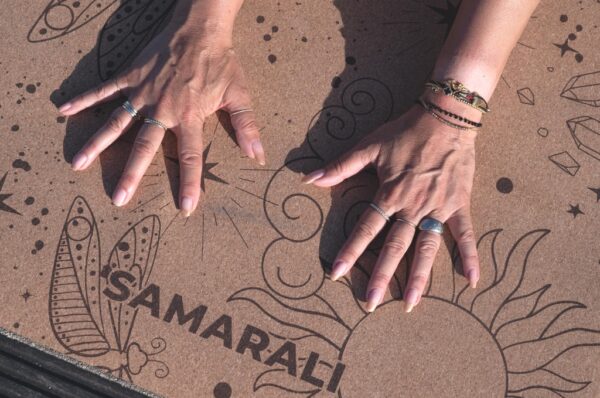
- Cork: An increasingly popular natural option. Cork has a unique property where moisture activates its grip, making it surprisingly effective for sweaty Vinyasa sessions. It pairs well with a natural rubber base layer.
- Organic cotton: Better suited as a yoga rug or layered practice tool rather than a primary mat for Vinyasa, as it offers less structural support for fast-paced flow.
For anyone prioritising both performance and environmental responsibility, natural rubber and cork are the two standout choices among sustainable yoga mats for Vinyasa practice.
How thick should a non-slip Vinyasa yoga mat be?
For Vinyasa yoga, a mat thickness of 4 to 5mm is ideal. This range provides enough cushioning to protect joints during kneeling transitions and low lunges, while remaining thin enough to maintain a stable, grounded connection to the floor during standing poses and balances.
Thickness directly affects how a mat performs in a Vinyasa context:
- Under 3mm (travel mats): Very little cushioning, but maximum floor feel. Good for experienced practitioners who prioritise balance and stability over joint protection.
- 4 to 5mm (standard): The sweet spot for most Vinyasa practitioners. Enough support without compromising stability in one-legged or arm-balance poses.
- 6mm and above: Better suited to restorative or Yin yoga where you spend more time in seated and lying positions. In Vinyasa, the extra thickness can make balancing poses feel unstable, which can indirectly affect grip confidence.
The relationship between thickness and grip is subtle but real. A mat that compresses too much under foot pressure reduces the surface contact area, which can make even a high-quality non-slip material feel less secure. Sticking to the 4 to 5mm range keeps that contact consistent throughout your flow.
Should you use a yoga towel with a non-slip mat for hot Vinyasa?
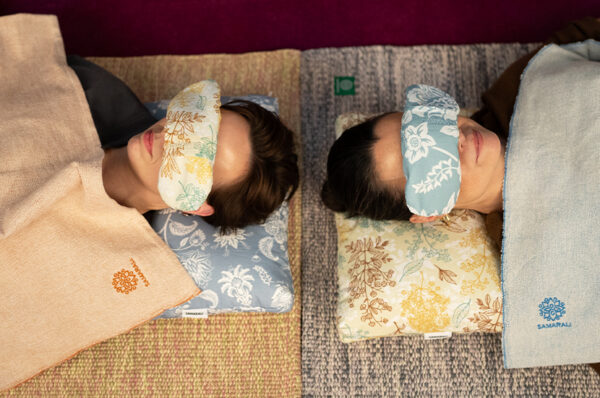
Yes, adding a yoga towel over your non-slip mat is a smart move for hot Vinyasa, especially if you sweat heavily. Even the best natural rubber mat can reach its moisture limit in a heated class. A microfibre yoga towel placed over the mat surface absorbs excess sweat and, once damp, becomes extremely grippy, giving you a dual-layer traction system.
There are a few things to keep in mind when combining a towel with a mat:
- Choose a towel with non-slip backing: Some yoga towels have silicone grip dots on the underside to prevent the towel from bunching or sliding on the mat beneath it. This is especially important during Vinyasa transitions where you shift weight rapidly.
- Microfibre is the go-to material: It absorbs moisture quickly, dries fast, and activates its grip when wet, which is precisely when you need it most in a hot class.
- Mist the towel before class: If your class is only moderately heated, lightly spraying the towel with water before you begin activates its grip from the first pose rather than waiting for sweat to build up.
- Not always necessary: If your mat is made from natural rubber or cork with an open-cell surface, and your practice is at room temperature, you likely do not need a towel. The mat itself handles moderate moisture well.
Think of a yoga towel as an optional upgrade rather than a requirement. For regular hot Vinyasa or Bikram-style classes, it is genuinely worth having. For a standard flow class at room temperature, a quality non-slip mat on its own should be more than enough.
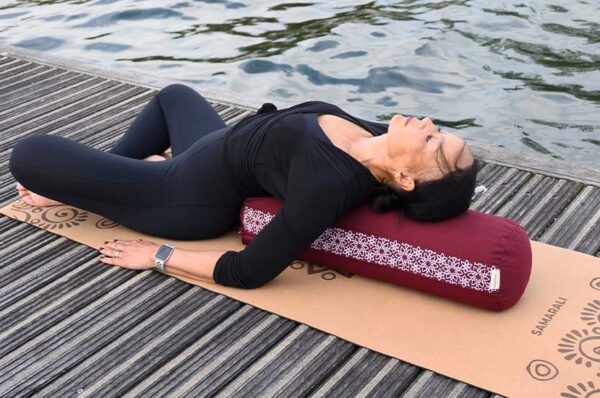
Ready to upgrade your practice? At Samarali, you will find everything you need to flow with confidence. Our natural rubber yoga mat is built for dynamic, sweat-heavy sessions, while our organic cotton yoga rug makes a beautiful and sustainable layering option. If you are looking to complete your setup, explore our full range of yoga mats and yoga accessories — all carefully selected for practitioners who take their practice seriously. Shop the collection now and find your perfect foundation for every flow.
Frequently Asked Questions
How do I break in a new natural rubber yoga mat so it grips properly from day one?
New natural rubber mats often have a light manufacturing residue on the surface that can make them feel slightly slippery at first. To break one in, wipe it down thoroughly with a diluted solution of water and a small amount of mild dish soap, then let it air dry completely before your first session. Some practitioners also recommend doing a few initial practices on it before expecting peak performance, as the surface opens up with use and body heat.
How often should I clean my non-slip yoga mat to maintain its grip?
For regular Vinyasa practice, a light wipe-down after every session is ideal, using a spray made from water and a few drops of mild soap or a dedicated mat cleaner. A deeper clean once a week or every few sessions helps remove the buildup of skin oils, sweat, and product residue that gradually degrades traction. Avoid soaking natural rubber mats or putting them in a washing machine, as prolonged water exposure can break down the material and shorten the mat’s lifespan.
What if my non-slip mat still slides on the studio floor during class?
If your mat is sliding on the floor rather than on the surface, the issue is almost always with the base layer rather than the top. Check whether the studio floor is polished hardwood or a smooth synthetic surface, as these are the most challenging for any mat base to grip. Placing a thin, rubberised mat grip pad underneath, or choosing a mat with a dedicated natural rubber base, usually solves the problem entirely.
Can I use a non-slip yoga mat outdoors for Vinyasa practice?
Yes, but there are a few practical considerations. Natural rubber mats should be kept out of prolonged direct sunlight, as UV exposure can cause the material to degrade and lose elasticity over time. For outdoor practice on grass or uneven surfaces, a slightly thicker mat in the 5mm range gives you better protection and stability. If you practice outdoors regularly, a cork-top mat with a natural rubber base is a particularly durable and weather-tolerant combination.
Are non-slip yoga mats safe for people with latex allergies?
Natural rubber contains latex proteins, which can trigger allergic reactions in people with a confirmed latex allergy, ranging from mild skin irritation to more serious responses. If you have a latex allergy, TPE mats are the safest alternative, as they are entirely latex-free and still offer reasonable grip for moderate-intensity Vinyasa. Cork mats with a synthetic base layer are another option worth exploring, though it is always worth checking the manufacturer’s materials list to confirm the base composition before purchasing.
How long should a quality non-slip Vinyasa yoga mat last?
A well-maintained natural rubber mat used for daily Vinyasa practice typically lasts between two and five years, depending on the intensity of use and how consistently it is cleaned and stored. Signs that a mat needs replacing include visible surface flaking or peeling, a permanent loss of grip that cleaning cannot restore, or noticeable thinning in high-contact areas like the hands and feet. Storing the mat rolled rather than folded, away from heat and direct sunlight, significantly extends its usable life.
Is a more expensive non-slip yoga mat always better for Vinyasa flow?
Not necessarily, though price does tend to correlate with material quality and durability in this category. The most important factors for Vinyasa are open-cell construction, a natural rubber or cork surface, and the right thickness, all of which are available at a range of price points. A mid-range natural rubber mat from a reputable brand will outperform a budget PVC mat in every grip-related metric, but spending at the top of the market does not guarantee a proportional improvement in performance for most practitioners.