


Daily yoga practice typically shows initial benefits within the first week, including better sleep and reduced stiffness. Noticeable strength and flexibility improvements usually appear after 4–8 weeks of consistent practice. Individual results vary based on starting fitness level, practice consistency, and chosen yoga style. Understanding these timelines helps set realistic expectations for your yoga journey.
Here is a quick overview of what most daily practitioners can realistically expect at each stage of their yoga journey.
- Week 1: Improved sleep, reduced morning stiffness, calmer stress response, better postural awareness
- Weeks 2–3: Increased body awareness, more consistent energy levels, early flexibility shifts
- Weeks 3–4: Noticeable flexibility gains in hamstrings and hips, improved breathing capacity
- Weeks 4–6: Functional strength development, balance improvements, mood stabilization
- Weeks 6–10: Core stability, reduced injury risk, visible posture changes
- Weeks 8–12: Endurance gains, ability to hold more advanced poses, deeper mindfulness integration
- Months 3–6: Lifestyle shifts, body composition changes, sustained emotional regulation
- Months 6–12: Long-term transformation in movement quality, mental resilience, and holistic wellbeing
What changes can you expect in your first week of daily yoga practice?
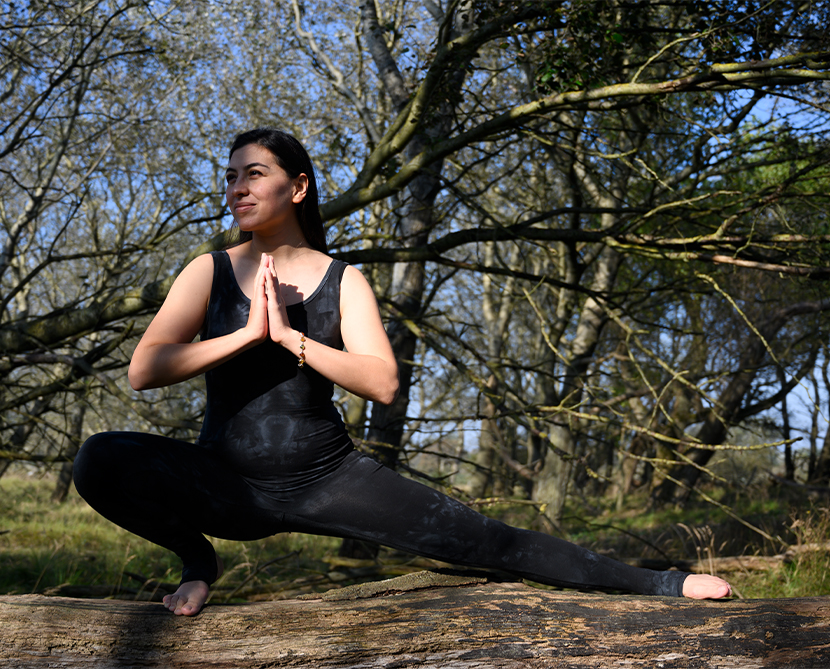
You’ll notice immediate improvements in sleep quality, mood stability, and reduced muscle tension within your first seven days of daily practice. Your body begins adapting quickly to gentle stretching and mindful breathing, creating noticeable shifts in how you feel physically and mentally.
The first week brings several key changes:
- Enhanced sleep patterns: Yoga activates the parasympathetic nervous system, helping you wind down more effectively each evening
- Reduced morning stiffness: Gentle mobilization of joints and muscles through basic poses creates greater ease of movement
- Improved stress response: Many practitioners report feeling calmer and more centered throughout their day
- Better postural awareness: You’ll notice subtle improvements in how you hold yourself during daily activities
- Enhanced balance: Even simple poses begin building stability and coordination
These early transformations occur because yoga immediately affects your nervous system and circulation. Research in psychophysiology consistently links yogic breathwork and slow movement to measurable reductions in sympathetic nervous system activity, supporting the calming effects many practitioners report within days of beginning practice. The combination of movement, breathwork, and mindfulness creates positive feedback that builds the foundation for more significant changes over longer periods. This initial week serves as a powerful motivator, demonstrating yoga’s immediate value while preparing your body for deeper adaptations ahead.
Practitioners dealing with elevated stress or mild anxiety often report feeling noticeably calmer within the first 1–2 weeks of daily practice, as the activation of the parasympathetic nervous system helps lower cortisol levels and ease the body out of a chronic stress state. For those managing more persistent anxiety or low mood, meaningful shifts in emotional baseline typically emerge after 4–8 weeks of consistent breathwork and mindfulness integration — making the early weeks a foundation rather than the finish line.
How long does it take to build real strength and flexibility through yoga?
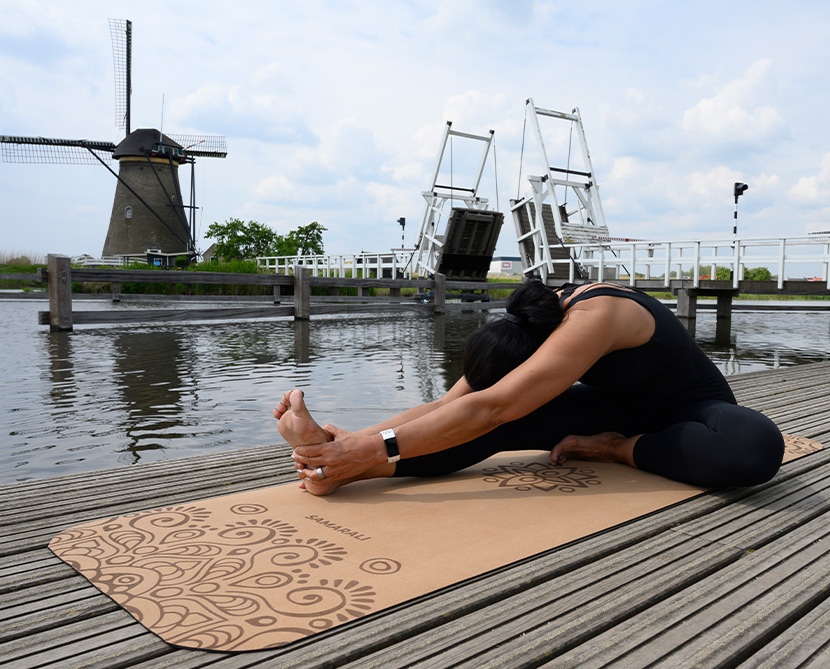
Meaningful physical improvements in strength, balance, and flexibility typically develop between 4–12 weeks of regular practice. Your muscles adapt to new movement patterns, joints gain mobility, and core stability increases progressively during this period.
Physical development follows a predictable pattern:
- Flexibility gains (3-4 weeks): Tight areas like hamstrings and hip flexors show increased range of motion first
- Strength building (4-6 weeks): Supporting muscles that stabilize poses develop functional power
- Balance improvements (4-8 weeks): Proprioception is enhanced through various standing and balancing postures
- Core stability (6-10 weeks): Deep abdominal and back muscles are strengthened to support advanced poses
- Endurance development (8-12 weeks): Ability to hold poses longer and flow between sequences increases
Studies on Hatha yoga practitioners have found significant improvements in muscular strength and flexibility after as few as 8 weeks of twice-weekly sessions, with functional endurance showing measurable gains after 12 weeks of regular practice — supporting the timelines outlined above. Your progress timeline also varies based on starting fitness level, practice frequency, and chosen yoga style. Dynamic styles like Vinyasa build strength faster, while gentler approaches emphasize flexibility and relaxation. Practicing 4–5 times weekly with quality yoga mats that support proper alignment accelerates these physical transformations while ensuring comfort during longer holds.

How your yoga style affects your results timeline
The yoga style you choose significantly shapes both the type and speed of results you will experience. Different styles place different demands on the body and nervous system, which means that matching your practice to your goals is one of the most effective ways to optimize your progress.
- Vinyasa/Flow: Builds cardiovascular endurance and functional strength fastest. Expect noticeable strength and stamina improvements within 4–6 weeks of daily practice, making it an excellent choice for those prioritizing physical conditioning.
- Hatha: The most beginner-friendly style, producing steady flexibility and balance gains with results typically appearing within 5–7 weeks of consistent practice. Its slower pace allows for greater attention to alignment and breath.
- Ashtanga: A structured, progressive series that builds significant strength and flexibility simultaneously. Results are pronounced, but the style demands more from the body — making 6–8 weeks a realistic timeline for visible change.
- Yin Yoga: Targets deep connective tissue and joint mobility. Flexibility in the hips, spine, and shoulders improves gradually over 6–10 weeks, making it ideal for complementing more dynamic practices.
- Restorative Yoga: Primarily supports nervous system recovery, stress reduction, and sleep quality rather than physical strength. Mental and sleep benefits are often felt within the first 1–2 weeks, making it particularly valuable during high-stress periods.
Choosing a style that aligns with your primary goal — whether that is strength, flexibility, stress relief, or a combination — is the fastest and most satisfying path to meaningful results.
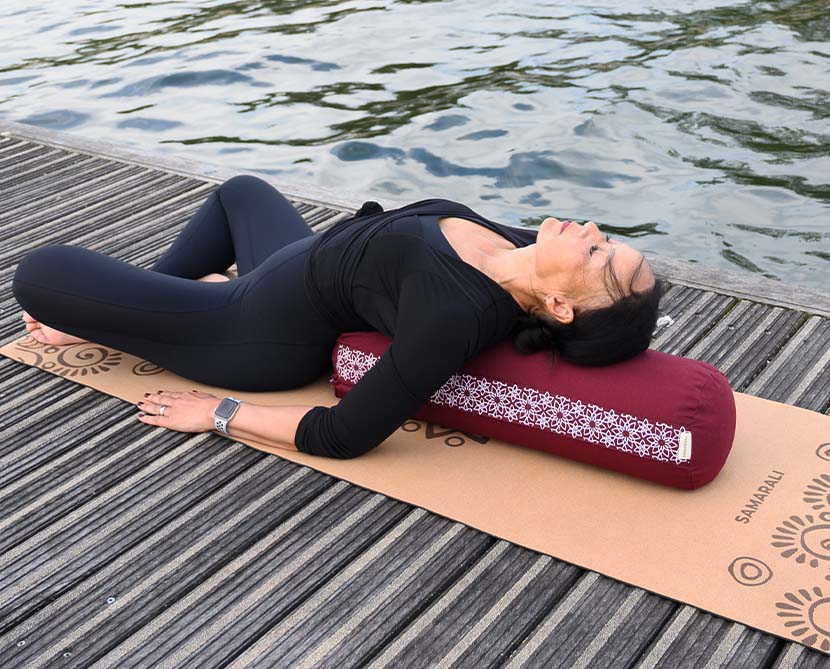
How does practice frequency affect your results timeline?
While this article focuses on daily practice, many practitioners benefit significantly from 2–4 sessions per week, and understanding how frequency shapes your timeline helps you set realistic expectations for your own schedule.
- Daily practice (7x/week): Fastest adaptation rate. Flexibility improvements are typically visible at 3–4 weeks, strength gains at 4–6 weeks, and mental benefits within the first week.
- 4–5x per week: Nearly equivalent results to daily practice. Flexibility at 4–5 weeks, strength at 5–7 weeks, with mental benefits developing quickly due to habit consistency.
- 2–3x per week: Solid, sustainable progress. Flexibility improvements at 6–8 weeks, strength at 8–10 weeks. Mental and stress-relief benefits still develop relatively quickly because the nervous system responds well even to less frequent sessions.
The most important principle across all frequency levels is consistency over intensity. Practicing twice a week for six months will produce far more meaningful transformation than daily practice for three weeks followed by a long break. If a daily schedule feels unsustainable, committing to 3–4 sessions per week, practiced with genuine focus, is an entirely valid and effective path. How often you do yoga to see results matters less than whether you keep showing up — and that is a question only you can answer honestly for yourself.

What’s the difference between beginner progress and long-term yoga transformation?
Long-term practitioners develop deeper physical capabilities and mental resilience that go far beyond initial improvements. After 6–12 months of consistent practice, yoga becomes integrated into your lifestyle, creating lasting changes in how you move, breathe, and respond to stress.
Advanced physical benefits include increased muscle endurance, improved joint stability, and the ability to hold challenging poses with ease. Your body develops functional strength that supports daily activities, reducing injury risk and improving overall movement quality. Flexibility reaches new levels, allowing access to advanced postures that were initially considered impossible.
Mental transformation becomes equally significant over time. Regular practitioners develop better emotional regulation, greater self-awareness, and improved stress-management skills. The mindfulness cultivated on the mat extends into daily life, influencing decision-making and relationships. Many practitioners find that incorporating meditation alongside their yoga practice deepens these mental benefits.
Long-term practice also creates lifestyle shifts around sleep, nutrition, and self-care. Many experienced practitioners naturally gravitate toward healthier choices and develop a deeper connection with their body’s needs. This holistic transformation represents yoga’s true power beyond physical exercise.
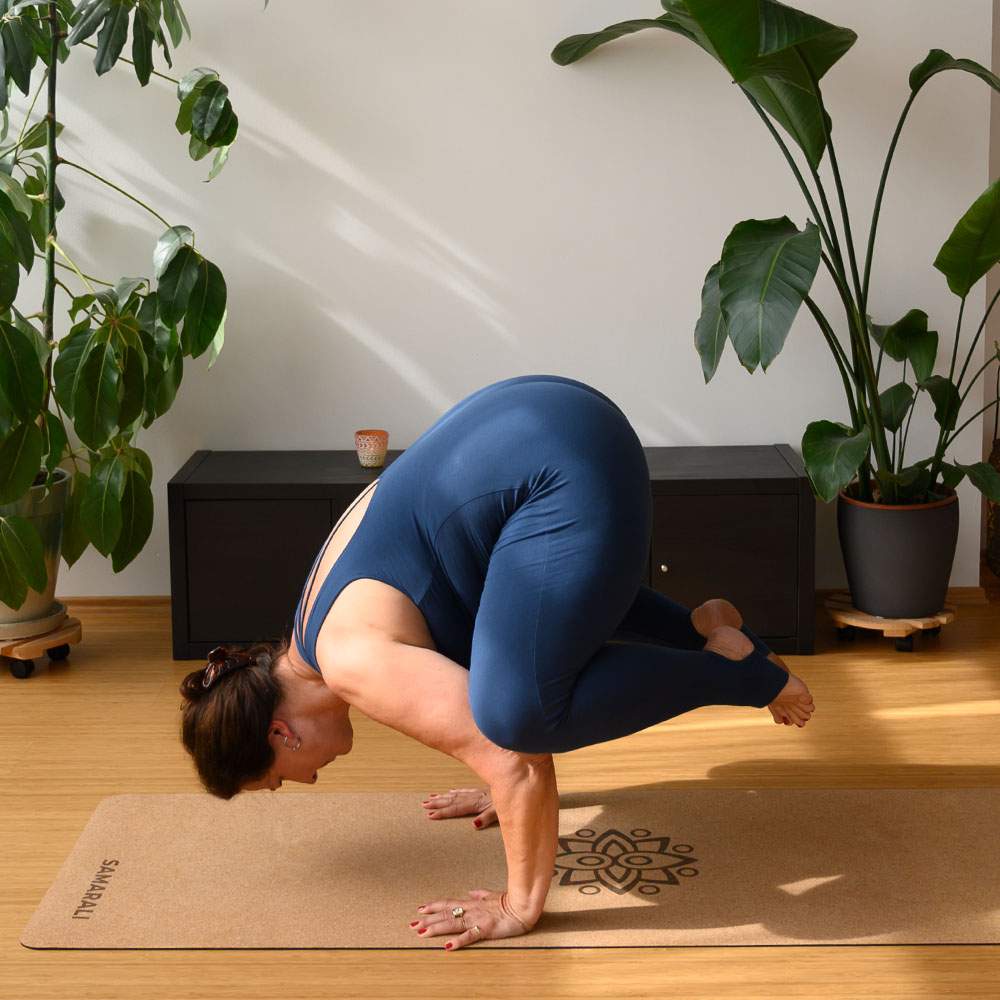
Mental clarity, focus, and emotional well-being
Regular yoga practice has been associated with meaningful improvements in concentration, working memory, and mental clarity. Many practitioners report sharper focus and reduced mental fatigue after 6–8 weeks of daily sessions — an effect attributed to lower cortisol levels, improved sleep quality, and the increased mindful awareness developed through consistent practice. For adults managing demanding professional lives, these cognitive benefits are often among the most valued outcomes of a sustained yoga routine.
Styles such as gentle yoga, restorative yoga, and yoga nidra are particularly effective for stress reduction and mental clarity, as they directly engage the parasympathetic nervous system and promote deep recovery. Dynamic styles like Vinyasa support mood through physical exertion and the endorphin release that accompanies more vigorous movement. Understanding which style best serves your mental health goals — and rotating between them as your needs change — allows you to use yoga as a comprehensive tool for emotional wellbeing, not just physical fitness.
Over the longer term, the mindfulness skills built through yoga practice tend to generalize beyond the mat. Practitioners who maintain a consistent practice for 6 months or more often describe a qualitative shift in how they respond to stressors, make decisions under pressure, and maintain perspective during difficult periods. These are not abstract benefits — they represent real, measurable changes in nervous system regulation that develop gradually through the cumulative effect of consistent practice.

Can daily yoga help with weight management and metabolism?
While yoga is not primarily a calorie-burning exercise in the way that running or high-intensity interval training is, consistent daily practice supports weight management through several interconnected mechanisms. Stress reduction is among the most significant: lowering chronically elevated cortisol levels reduces the hormonal drive toward fat storage, particularly around the abdomen. Improved sleep quality — one of yoga’s earliest and most reliable benefits — also plays a direct role in appetite regulation and metabolic function. Over time, the heightened body awareness cultivated through practice tends to support more mindful eating habits, helping practitioners recognize hunger and fullness cues more accurately.
The yoga style you choose influences how directly your practice contributes to caloric expenditure. Dynamic styles like Vinyasa and Power Yoga practiced daily can contribute to moderate caloric burn alongside their strength and endurance benefits, making them more relevant for those with active weight management goals. Gentler styles — Yin, Restorative, and Hatha — support metabolic health more indirectly through nervous system regulation and hormonal balance, which is particularly valuable for practitioners whose weight challenges are driven by chronic stress or poor sleep rather than inactivity alone.
In terms of realistic timelines for yoga and weight loss, practitioners typically notice changes in body awareness and eating patterns within 4–6 weeks of consistent practice. Gradual body composition shifts — a reduction in stress-related bloating, improved muscle tone, or a more balanced appetite — become more visible after 3–6 months of daily or near-daily practice, particularly when combined with a balanced, nutrient-dense diet. Yoga body transformation takes time, but the changes it produces tend to be sustainable precisely because they are rooted in genuine lifestyle adaptation rather than short-term restriction.

Why do some people see faster results from yoga than others?
Individual progress rates depend on multiple factors, including starting fitness level, practice consistency, age, lifestyle habits, and realistic expectation setting. Understanding these variables helps explain why your journey might differ from others.
Several key factors influence your progress speed:
- Baseline fitness level: Existing flexibility or strength creates different adaptation patterns than complete beginners experience
- Age considerations: Younger practitioners often show faster flexibility gains, though strength improvements occur at any age
- Practice consistency: Daily 20-minute sessions typically outperform sporadic longer practices
- Yoga style alignment: Matching your practice type to personal goals and physical capabilities optimizes development
- Expectation management: Realistic goals prevent discouragement when comparing progress to others or social media
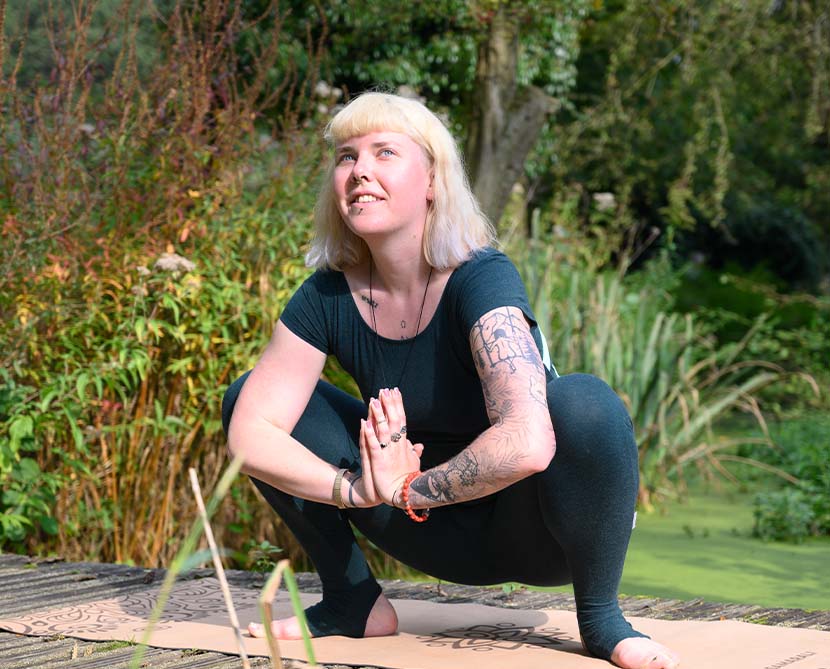
How diet, sleep, and lifestyle habits influence your yoga results
Yoga and a balanced, nutrient-dense diet work synergistically to accelerate physical results. Adequate protein supports the muscle repair and strength-building stimulated by practice, while anti-inflammatory foods — leafy greens, healthy fats, and whole grains — support joint mobility and recovery between sessions. Practitioners who align their diet with their activity level and overall wellness goals typically notice physical results sooner than those whose nutritional habits undermine the adaptations yoga is working to create.
Much of the physical adaptation from yoga — muscle repair, flexibility consolidation, and nervous system recovery — occurs during sleep, not during the session itself. Practitioners getting fewer than 7 hours of sleep per night will see slower strength and flexibility gains, as the body cannot fully process the changes stimulated during practice. Prioritizing sleep quality is not a peripheral concern for yoga practitioners; it is a direct input into the results you will see and how quickly you will see them.
High chronic stress outside of yoga practice — from work demands, relationship pressures, or poor recovery habits — elevates cortisol, which counteracts many of yoga’s physiological benefits. Building a lifestyle that genuinely supports your practice, including consistent sleep schedules, stress management strategies, and mindful eating, amplifies results significantly over a 3–6 month period. Yoga and lifestyle are not separate tracks; they are most powerful when they reinforce each other.
These variables interact uniquely for each practitioner, creating individual timelines that cannot be standardized. Some benefits, like improved stress resilience, develop gradually and become apparent over time rather than week by week. Understanding this helps maintain motivation while honoring your body’s natural adaptation process.

What should you do if you are not seeing results from yoga?
Plateaus and slow progress are a normal, expected part of the yoga journey — not a sign of failure or that the practice is not working for you. If you feel stuck or discouraged, the following practical steps can help you identify what to adjust and renew your momentum.
- Reassess your consistency: Even missing 2–3 sessions per week significantly extends your results timeline. Daily or near-daily practice is the fastest path to visible change, and honest reflection on your actual attendance often reveals the simplest explanation for slow progress.
- Check your style alignment: If your goal is building strength, but you are practicing only Yin or Restorative yoga, switching to Vinyasa or Power Yoga will accelerate physical results. Matching your style to your goal is one of the most immediate adjustments you can make.
- Prioritize sleep and recovery: As outlined above, physical and mental adaptation from yoga is consolidated during rest. Poor sleep directly slows progress — addressing it is often more impactful than adding extra sessions.
- Shift how you measure progress: Results like improved breathing capacity, better posture, calmer reactions to stress, and more restful sleep often appear well before visible physical changes. Keeping a simple journal to track these non-physical wins helps maintain motivation through the periods when the mirror is not yet reflecting your effort.
- Give it more time: Some adaptations — particularly deep flexibility and meaningful core strength — require 8–12 weeks of consistent effort before becoming clearly noticeable. If you are at week four and feeling impatient, you may simply be in the middle of a process that has not yet surfaced visibly.
Every session you complete contributes to your progress, even when that progress is not immediately visible. Yoga’s benefits are cumulative by nature — the foundation you are building now is what makes the transformations at 3, 6, and 12 months possible.

Frequently Asked Questions About Yoga Results
Can you see results from yoga in 30 days?
Yes — within 30 days of daily practice, most practitioners notice improved flexibility, reduced muscle stiffness, better sleep quality, and a calmer stress response. These changes are genuine and meaningful, even if strength and body composition shifts typically require 6–8 weeks to become clearly visible. A consistent 30-day practice is one of the most effective ways to establish the habit and experience yoga’s early benefits firsthand.
How long does it take to see yoga results for weight loss?
Changes in body awareness and eating patterns often emerge within 4–6 weeks of consistent daily practice. More visible body composition shifts — improved muscle tone, reduced stress-related weight, and a more balanced appetite — typically develop after 3–6 months of regular practice combined with a balanced diet. Yoga supports weight management most effectively through cortisol reduction, improved sleep, and mindful eating rather than direct caloric burn alone.
How many times a week should I do yoga to see results?
Practicing 4–5 times per week produces results nearly equivalent to daily practice, with flexibility improvements appearing around 4–5 weeks and strength gains at 5–7 weeks. Even 2–3 sessions per week delivers solid progress over time, with flexibility and strength changes emerging at 6–10 weeks. The most important factor is consistency within whatever frequency you can genuinely sustain.
How long until yoga changes your body?
Early physical changes — reduced stiffness, improved posture, and initial flexibility gains — are typically noticeable within 3–4 weeks of daily practice. More significant changes in strength, muscle tone, and movement quality develop between 6–12 weeks. Long-term body transformation, including changes in body composition and functional movement patterns, unfolds over 3–12 months of consistent practice.
Is 20 minutes of yoga a day enough to see results?
Yes — a consistent 20-minute daily session is sufficient to produce measurable results, particularly in the early weeks of practice. Research and practitioner experience consistently indicate that regularity matters more than session length for beginners. A focused 20-minute practice every day will outperform a 90-minute session once a week in terms of both physical adaptation and habit formation.
Does yoga get easier the more you do it?
Yes, in multiple ways. Poses that initially feel inaccessible become achievable as flexibility, strength, and balance improve. The breathwork and mental focus required also become more natural with repetition, reducing the cognitive effort of practice. Most practitioners find that after 4–6 weeks of consistent practice, sessions feel noticeably more fluid and less effortful — which is itself a clear sign that the practice is working.
Start where you are and trust the process
Your yoga journey is uniquely your own — shaped by your body, your lifestyle, and the consistency you bring to the mat. Whether you notice your first results in a week or a month, every session builds on the last. The practitioners who see the most profound transformations are not necessarily those who practice the hardest, but those who practice the most consistently, with patience and self-compassion. Trust the process, honor your individual timeline, and remember that the benefits of yoga — physical and mental — are cumulative and lasting.
At Samarali, we design sustainable yoga equipment made from organic materials to support your practice at every stage — from your very first session to years of continued growth. If you are ready to invest in a practice that lasts, explore our collection of thoughtfully crafted yoga essentials, made with respect for both the practitioner and the planet.