


If you’ve ever winced through Child’s Pose because your knees were pressing into a hard floor, or felt your wrists ache during Downward Dog, you already know that the right yoga mat can make or break your practice — especially when joint comfort is a concern.
Quick Answer: For most practitioners with joint sensitivity, a 6–8 mm yoga mat offers the best balance of cushioning and stability. If you have significant knee, hip, or spinal sensitivity and practice mostly restorative or Yin yoga, a 10 mm mat may be appropriate. Material density matters as much as thickness — a high-density 4 mm natural rubber mat or cork yoga mat outperforms a low-density 10 mm foam mat. Read on to find the right thickness for your specific joints, yoga style, and experience level.

Yoga mat thickness categories explained: from travel mats to extra-thick mats
Before diving into joint-specific guidance, it helps to understand how the market categorizes yoga mat thickness. Each tier serves a different combination of yoga styles, experience levels, and joint protection needs — and knowing where each one sits on the spectrum gives you a reliable reference point for every recommendation in this guide.
| Thickness Range | Common Label | Best For | Joint Protection Level |
|---|---|---|---|
| 1–2 mm | Travel / Ultra-thin | Traveling practitioners, studio classes where mats are provided | Low |
| 3–4 mm | Standard | Experienced practitioners, Vinyasa, Ashtanga, Hot Yoga | Low–Moderate |
| 5–6 mm | Mid-range | Mixed practice, intermediate practitioners, mild joint sensitivity | Moderate |
| 6–8 mm | Thick | Joint sensitivity, Yin, Restorative, beginners | High |
| 10 mm+ | Extra-thick | Maximum cushioning, significant joint sensitivity, restorative-only practice | Very High (with stability trade-off) |
The 3–4 mm standard mat is the market baseline — most studio mats fall in this range, and it suits experienced practitioners in flowing styles who do not have significant joint sensitivity. All other thickness recommendations in this guide are made relative to that baseline.
If you are new to yoga, dealing with joint discomfort, or returning from injury, you will almost certainly benefit from moving up from that starting point. The sections below explain exactly how far up — and why — based on your specific joints, yoga style, and experience level.
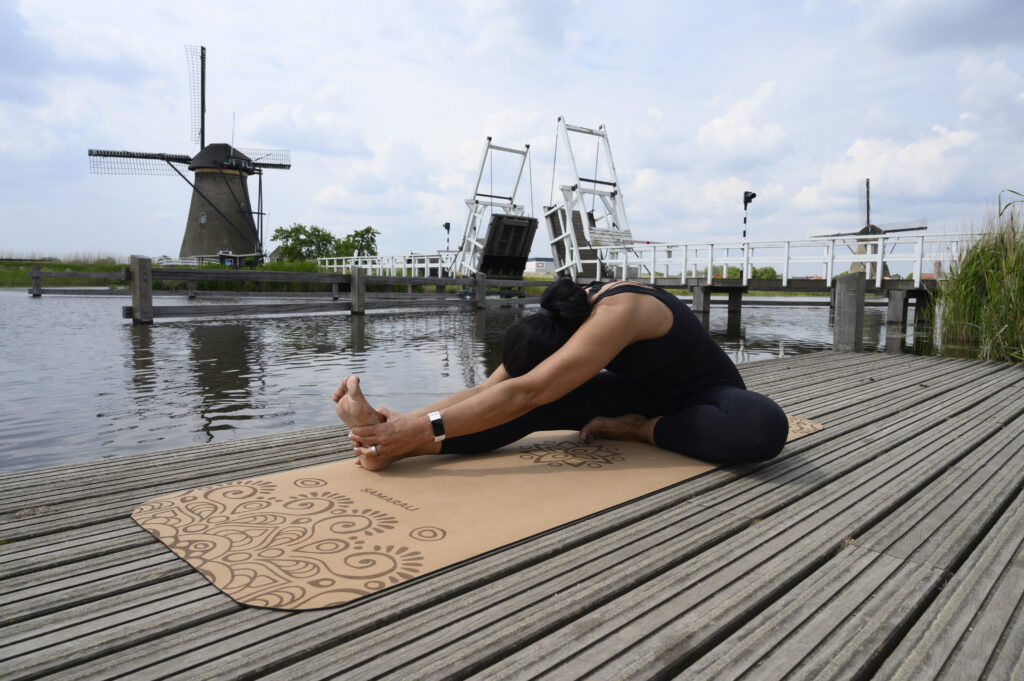
What does yoga mat thickness actually mean for your joints?
Mat thickness directly affects how much cushioning your body receives when it contacts the floor. A thicker mat creates more distance between your body and the hard surface, reducing pressure on the knees, wrists, hips, and spine during floor-based postures. This is especially significant in weight-bearing poses like Downward Dog, low lunges, and seated forward folds, where joint contact with the floor is sustained and repetitive.
The relationship between thickness and joint protection is not straightforward, though. While greater thickness generally means more comfort for sensitive joints, it can also create instability — forcing your ankles, knees, and hips to work harder to compensate. This becomes particularly noticeable in standing poses like Tree Pose or Warrior III, where firm ground contact is essential for safe alignment. The goal is to find the point where cushioning and stability work together, not against each other.
Several factors shape which thickness will serve you best:
- Yoga style – Restorative and Yin yoga benefit from thicker mats (8–10 mm) because you spend extended time in floor poses. Dynamic styles like Vinyasa or Ashtanga work better with thinner, more stable surfaces (4–6 mm) that support quick transitions.
- Body weight – Heavier practitioners typically need more cushioning for floor poses, as their body weight creates greater pressure on contact points.
- Joint sensitivity – Those with existing joint issues may find that thicker mats significantly reduce pain during longer holds, while others prefer minimal cushioning for better ground feedback.
- Balance requirements – Standing poses and balance challenges require firmer surfaces, making moderate thickness ideal for mixed practices.
Practical tips for mixed-practice yogis and on-the-go practitioners
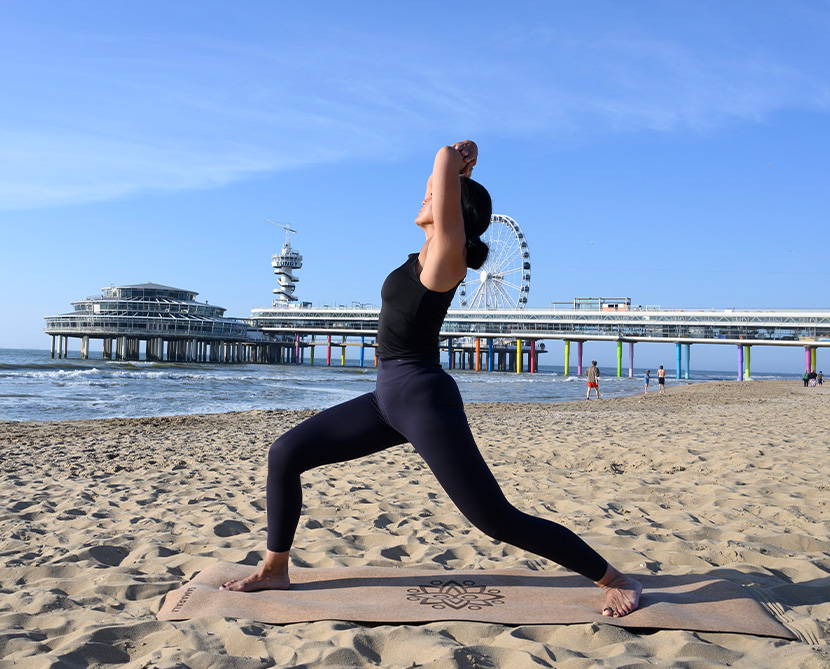
If your practice mixes restorative and dynamic elements, you do not need to choose between cushioning and stability. Keep a folded blanket or dedicated yoga knee pad nearby for poses that demand extra joint protection — low lunges or extended kneeling holds, for example. This gives you targeted cushioning on a pose-by-pose basis without committing to an ultra-thick mat that softens your footing in standing sequences.
Thickness also affects portability. Mats in the 8–10 mm range roll into a noticeably larger diameter, weigh more, and can be awkward to carry to studio classes or pack for travel. A 6–8 mm mat typically strikes the better balance for practitioners who commute or travel regularly — enough cushioning for most needs, without the bulk. Ultra-thin travel mats (1–2 mm) offer maximum portability but minimal joint protection; they work best layered over a studio-provided mat rather than used as a standalone solution.
Choosing yoga mat thickness by experience level
Your experience level shapes how much body awareness you bring to your practice, how much time you spend in floor poses, and how much ground feedback you need for safe alignment — all of which directly influence which thickness range will serve you best. Starting with experience level before layering in joint-specific considerations gives you a useful anchor point.
Beginners: start with 6–8 mm for comfort and confidence
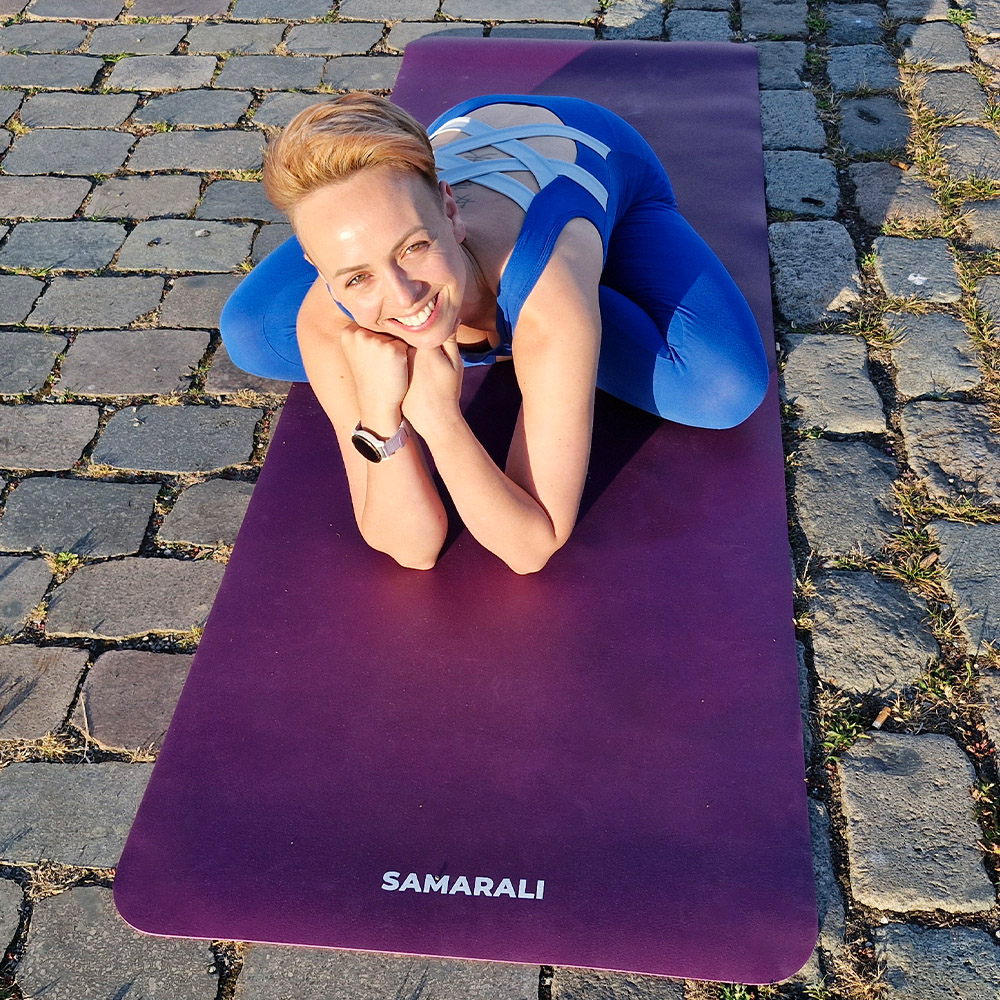
For those new to yoga, 6–8 mm is the most reliable starting point. Beginners spend more time in foundational floor poses, have less developed body awareness to self-correct on unstable surfaces, and benefit from the confidence that extra cushioning provides while learning how poses should feel. This range is forgiving enough to reduce discomfort during longer holds without introducing the instability of an extra-thick mat.
Intermediate practitioners: 5–6 mm for balance and versatility
Intermediate yogis who practice a mix of dynamic and static styles will find that 5–6 mm offers a reliable middle ground. This thickness supports both sustained floor holds and flowing transitions without sacrificing too much ground connection. That said, if you are experiencing joint sensitivity, that should override style preference — a 6–8 mm mat remains entirely appropriate for intermediate practitioners managing knee, wrist, or hip discomfort.
Experienced practitioners: 3–5 mm with density as the priority
Experienced yogis often gravitate toward thinner mats because direct ground feedback improves proprioception and supports precise alignment. A 3–5 mm mat in a high-density material like natural rubber or cork yoga mat can provide adequate cushioning and stability without the sponginess of a thicker option. However, joint health should always take precedence over proprioceptive preference — a 6 mm high-density mat is entirely appropriate for experienced practitioners dealing with joint concerns, and it will protect those joints far more effectively than a thinner mat chosen out of habit.
Regardless of experience level, joint sensitivity is the primary override factor. The recommendations above are starting points, not rules — your body’s feedback during and after practice is the most reliable guide of all.
How thick should your yoga mat be for different joint concerns?
Different joints respond differently to mat thickness. Knee sensitivity generally responds well to 6–8 mm, cushioning the joint during kneeling and seated poses without destabilizing standing sequences. Wrist pain benefits from the same range with high material density, since excessive softness can cause the wrist to sink unevenly and increase strain. Hip discomfort and spinal sensitivity typically call for 8–10 mm for extended floor holds, while still allowing enough ground feedback for alignment awareness.
Here is how to match mat thickness to the most common joint concerns:
- Sensitive knees (6–8 mm recommended) – Provides adequate cushioning during Child’s Pose, low lunges, and seated positions, reducing direct pressure on the kneecap and surrounding tissues without creating excessive instability.
- Wrist problems (6–8 mm with good density) – Moderate thickness cushions the wrists in poses like Downward Dog while maintaining enough firmness for proper hand placement and weight distribution, preventing wrist collapse.
- Hip discomfort (8–10 mm) – Extra cushioning reduces pressure on hip bones and tailbone during seated meditation, hip openers, and supine poses, making longer holds more comfortable.
- Spinal alignment issues (6–8 mm) – Provides comfort for the spine during floor poses while maintaining enough stability for proper alignment in standing and balancing postures.
- Multiple joint concerns (8 mm) – A middle-ground thickness that addresses various joint needs without over-compromising stability for any particular area.
Your yoga style plays an equally important role. Hot Yoga and Power Yoga practitioners benefit from 3–5 mm mats for grip, responsiveness, and ground connection during dynamic transitions. Vinyasa and Ashtanga practitioners typically perform best on 3–6 mm mats that balance cushioning with the stability needed for flowing sequences. Yin and restorative practitioners gain the most from 6–10 mm mats that support extended, comfortable floor holds without bottoming out. Matching thickness to both your joint sensitivity and your primary yoga style ensures that joint protection is built into your practice from the start — not compensated for after discomfort begins.
What’s the difference between a thick mat and proper joint support?
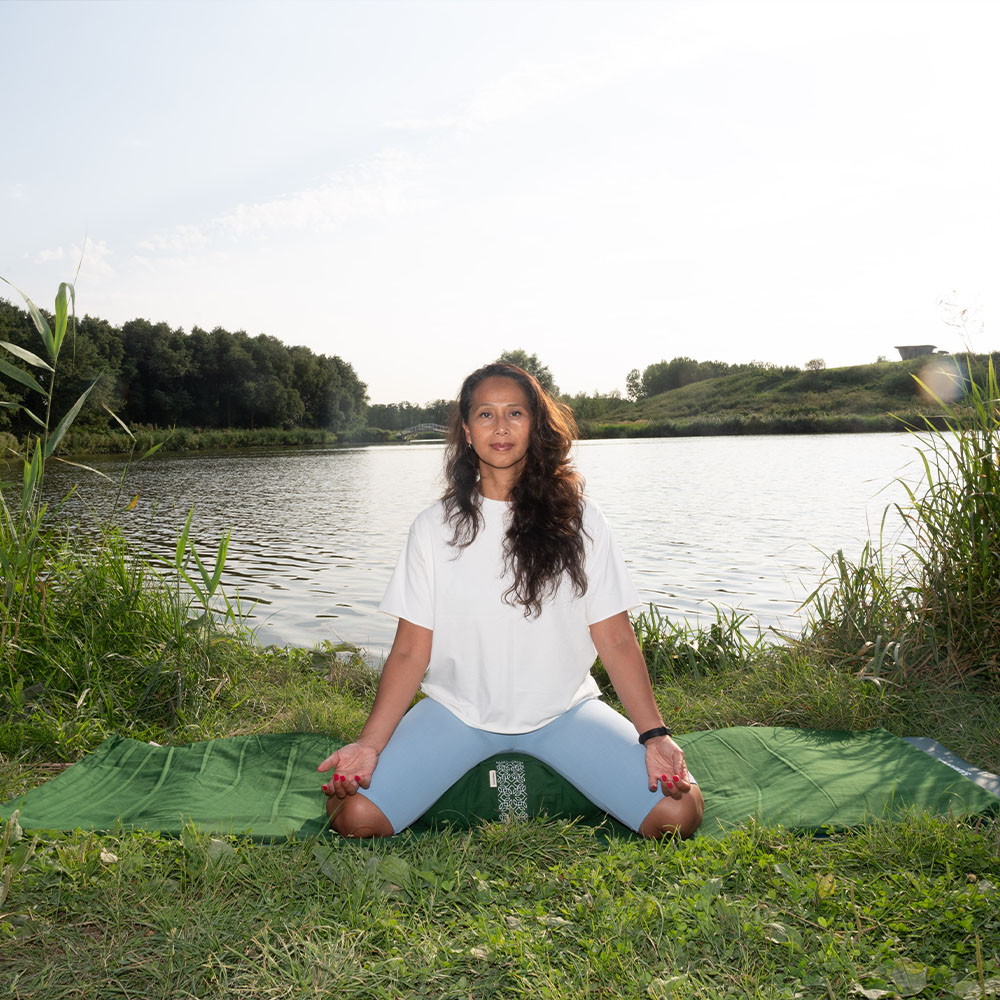
Thickness alone doesn’t guarantee joint protection. Material density and quality play equally important roles. A 6 mm high-density yoga mat will protect your joints more effectively than a 12 mm low-density foam mat that bottoms out under body weight — because once a soft mat compresses fully, it provides no more cushioning than the hard floor beneath it.
Understanding the components of proper joint support helps you evaluate mats more effectively:
- Material density – High-density materials bounce back quickly and maintain consistent support over time. Low-density materials compress permanently and lose their protective qualities after repeated use.
- Compression resistance – A genuinely joint-protective mat compresses enough to reduce pressure points, but springs back enough to provide stable support for dynamic movements. This is what separates real joint protection from a mat that merely feels soft in the shop.
- Cushioning and stability balance – Too much cushioning creates instability, causing your ankles, knees, and hips to work harder to maintain balance — the opposite of what you want.
- Structural integrity over time – Quality materials maintain their supportive properties throughout the mat’s lifespan. Poor materials quickly develop permanent indentations and lose effectiveness.
- Body weight responsiveness – The right mat responds appropriately to your specific body weight and movement patterns, providing consistent support regardless of pose intensity.
Many practitioners find that a 6–8 mm mat made from high-density natural rubber or cork provides superior overall joint protection compared to maximum-thickness mats built from low-density foam. The most effective approach focuses on the combination of cushioning, density, and durability — not simply the thickest option available. A mat that maintains consistent compression resistance across thousands of sessions will protect your joints far longer than one that degrades within months.
How do you choose a joint-friendly yoga mat that’s also sustainable?
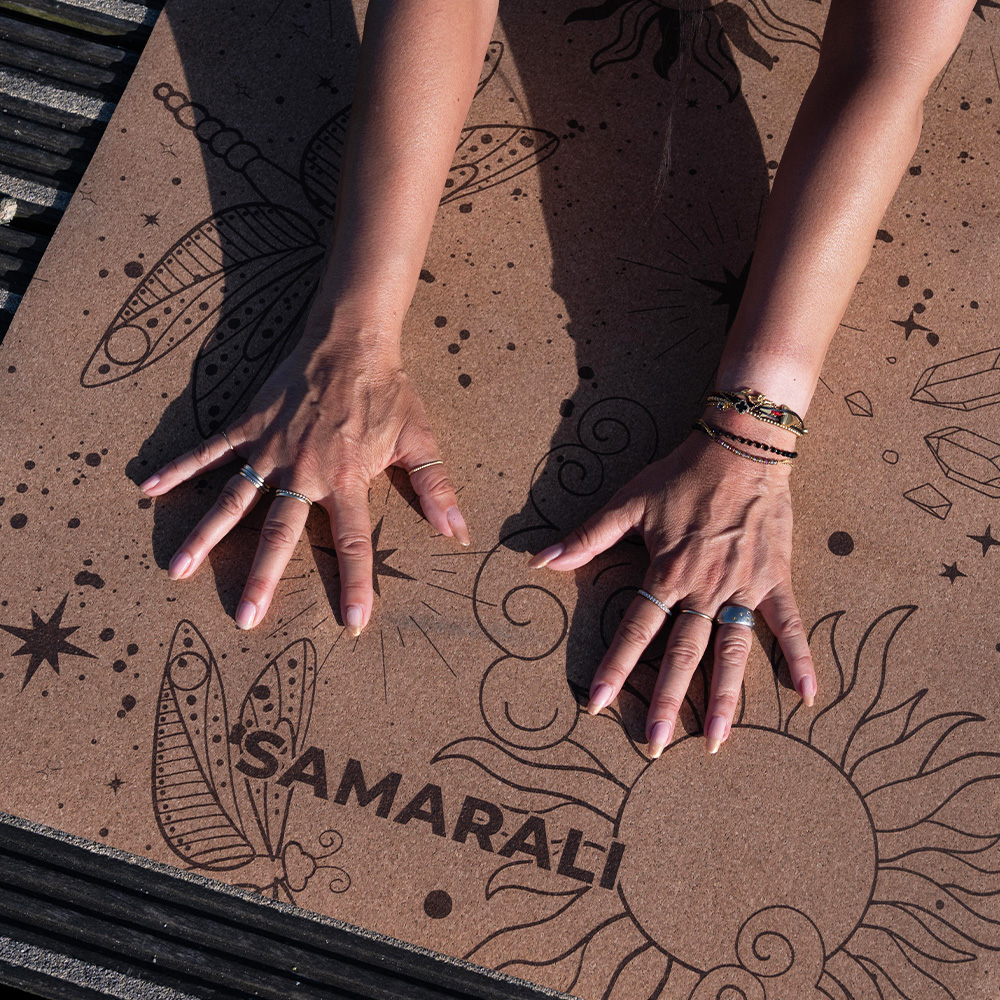
Sustainable yoga mats that protect joints typically use natural rubber, cork, cotton or TPE materials — all of which provide meaningful cushioning alongside genuine environmental benefits. Samarali yoga mats deliver exceptional density and compression resistance that support knees, wrists, and hips consistently across years of practice. Cork offers a naturally antimicrobial, firm surface that improves grip when wet — particularly useful for practitioners whose joint sensitivity is compounded by slipping during poses. Both materials avoid the harmful chemicals and off-gassing associated with conventional PVC mats, making them a healthier choice for your joints and your home practice environment.
Here are the key sustainable materials and their joint protection benefits:
- Natural rubber – Excellent joint support with thickness options from 4–8 mm, superior grip, and biodegradable properties. Not suitable for latex allergies.
- Cork – Natural antimicrobial properties, comfortable texture, and moderate cushioning with excellent stability. Ideal for practitioners who need joint comfort without sacrificing balance.
- Organic cotton or jute – Natural cushioning and strong sustainability credentials, though typically less thick than rubber options. May require additional cushioning for significant joint sensitivity.
- TPE (Thermoplastic Elastomer) – Good cushioning, recyclable, and free from harmful chemicals. A solid middle-ground option between performance and environmental impact.
- Recycled materials – Made from repurposed rubber or foam, providing joint protection while reducing waste. Quality can vary significantly between manufacturers.
When evaluating sustainable options, look beyond thickness alone and consider material density, manufacturing transparency, and long-term durability. A sustainably made 6–8 mm natural rubber mat that maintains its compression resistance for five or more years delivers better joint protection — and better environmental value — than a cheaper mat that degrades within a season. The most joint-friendly sustainable choice balances your specific cushioning needs with material integrity, and finding that combination may take trying a few options before you land on the right one.

Frequently asked questions about yoga mat thickness and joint protection
Is a 6 mm or 8 mm yoga mat better for bad knees?
Both can work well, but the right choice depends on your practice style and material quality. An 8 mm mat provides more cushioning for sustained kneeling poses, making it the stronger choice for Yin, restorative, or slower-paced practices. A 6 mm high-density natural rubber mat may actually outperform a low-density 8 mm foam mat, because compression resistance matters as much as raw thickness. For mixed practices that include both floor-heavy sequences and standing poses, 6–8 mm in a dense material is generally the most versatile range for knee sensitivity.
Can a yoga mat be too thick?
Yes. Mats above 10 mm are generally not recommended for standing or balancing poses because the soft, compressible surface forces stabilizing muscles to overcompensate, which can increase rather than reduce joint stress. Extra-thick mats are best reserved for restorative-only or Yin-only practices where you remain close to the floor throughout. For mixed practices, a 6–8 mm mat with good compression resistance delivers better all-round joint protection than a 12 mm mat that sacrifices stability.
What yoga mat thickness do physiotherapists recommend?
While individual recommendations vary by practitioner and patient need, physiotherapists and yoga instructors generally point to the 6–8 mm range as the most broadly appropriate for practitioners with joint sensitivity. Crucially, they tend to emphasize material density alongside thickness — a dense, high-quality mat in this range is consistently preferred over a thicker but low-density alternative. Anyone managing a specific injury or chronic condition should seek personalized guidance from their own healthcare provider.
Does yoga mat thickness matter more than material?
Neither factor alone is sufficient — they work together. Thickness determines how much potential cushioning a mat can provide, while material density determines whether that cushioning actually holds up under your body weight and across repeated use. A low-density mat can bottom out completely, leaving you effectively on the bare floor regardless of how thick it measures. For genuine joint protection, prioritize high-density materials like natural rubber or cork first, then select the thickness tier that suits your practice style and joint sensitivity.
What is the best yoga mat thickness for beginners with joint pain?
Beginners managing joint pain should start with a 6–8 mm mat as a reliable default. This range provides enough cushioning to make floor poses comfortable during the learning phase, without introducing the instability of an extra-thick mat that can make balance poses harder to execute safely. If knee or hip sensitivity is significant, moving toward the 8 mm end of that range — or adding a folded blanket for specific poses — is a practical way to increase comfort without committing to a dedicated extra-thick mat.
How does body weight affect which yoga mat thickness I need?
Body weight directly influences how much a mat compresses under load. Heavier practitioners exert more pressure on contact points, which means a low-density mat may bottom out faster and provide less effective cushioning over time. If you are a heavier practitioner, prioritizing high-density materials is especially important — a 6–8 mm natural rubber mat will likely serve your joints better than a thicker but less dense foam alternative. Lighter practitioners have more flexibility across density levels, though material quality still affects long-term durability.
When should I replace my yoga mat for continued joint protection?
The most reliable signs that a mat is no longer providing adequate joint support are:
- Permanent compression indentations in high-contact zones like the knees and wrists
- Noticeably reduced grip that causes slipping during poses
- Visible thinning or flaking of the surface material
- A loss of bounce-back when you press into the mat with your hand
Once a mat has compressed permanently in key areas, it cannot recover its original cushioning — continuing to practice on it may increase rather than reduce joint stress. How quickly this happens depends on material quality, frequency of use, and how well the mat is maintained.
Your next step toward a joint-friendly practice
Finding the right yoga mat thickness for joint protection comes down to three core principles: match your thickness to your specific joint concerns and yoga style, prioritize material density over raw thickness alone, and choose sustainable materials like natural rubber or cork that maintain their compression resistance over years of practice rather than months. For most practitioners, a 6–8 mm mat in a high-density natural material delivers the most reliable combination of cushioning, stability, and durability — with extra-thick options reserved for restorative-focused practice where floor-based poses dominate.
If you’re ready to find your ideal mat, we can help. Our Natural Rubber Yoga Mat is crafted from high-density natural rubber, offering the compression resistance and durability that joint-protection guidance consistently points to as more important than raw thickness alone. For practitioners prioritizing restorative practice or significant joint sensitivity, explore our thicker options across our full collection of sustainable yoga products — every mat is made with natural materials and recyclable packaging, so your practice supports both your well-being and the planet.
Explore our joint-friendly yoga mats — thoughtfully crafted for mindful movement, made with sustainable materials, and designed to support your practice for years to come.