


Morning yoga practice differs from evening yoga primarily in energy levels and physiological preparation. Your body temperature is lower in the morning, requiring more warm-up, while cortisol levels are naturally higher, making you alert but potentially stiff. Evening practice benefits from warmer muscles and accumulated flexibility, but mental fatigue may require gentler approaches. Understanding these differences helps you adapt your practice for optimal results at any time.
What makes morning yoga different from evening practice?
The key differences between morning and evening yoga stem from your body’s natural rhythms and physiological changes throughout the day:
- Body temperature variations – Morning practice occurs when your core temperature is naturally lower, requiring longer warm-ups and gradual progression into deeper poses
- Hormonal fluctuations – Cortisol levels peak in the morning, creating mental alertness but physical stiffness, while evening levels drop to promote relaxation
- Muscle readiness – Evening muscles are warmer and more pliable from daily movement, making them more receptive to stretching and flexibility work
- Nervous system activation – Morning practice naturally engages your sympathetic nervous system for energy, while evening practice shifts toward parasympathetic activation for rest
- Mental focus patterns – Morning brings fresh cognitive clarity for setting intentions, while evening requires processing daily stress and preparing for restorative sleep
These physiological and psychological differences create distinct opportunities for your yoga practice. Morning sessions harness your natural alertness to build energy and establish daily intentions, while evening practice leverages your body’s increased flexibility to release accumulated tension and transition into rest mode. Understanding these patterns allows you to work with your body’s natural rhythms rather than against them.
Which yoga poses work better in the morning versus evening?
Different poses serve your body’s needs more effectively at specific times of day based on energy requirements and physiological readiness:
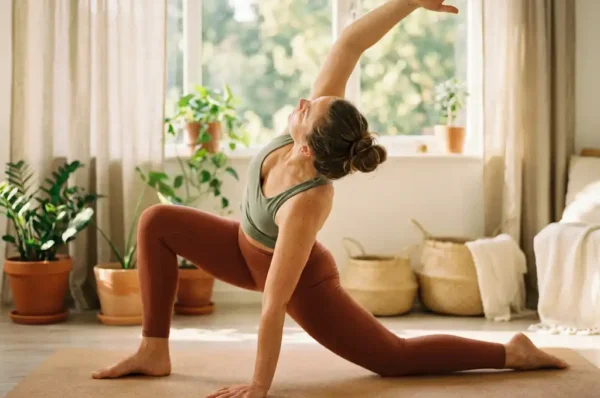
- Morning energizers – Sun salutations, standing sequences like warrior poses, and gentle backbends activate your system and counter the forward posture of sleep
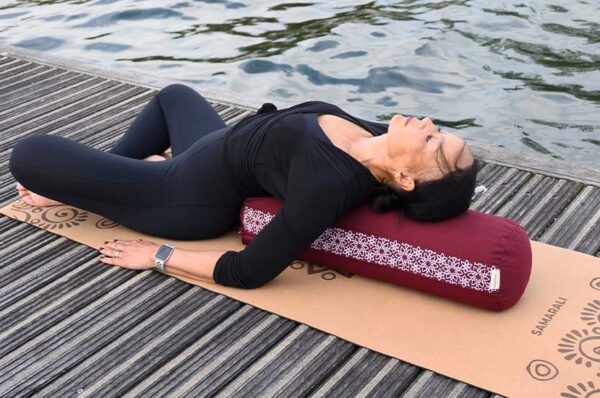
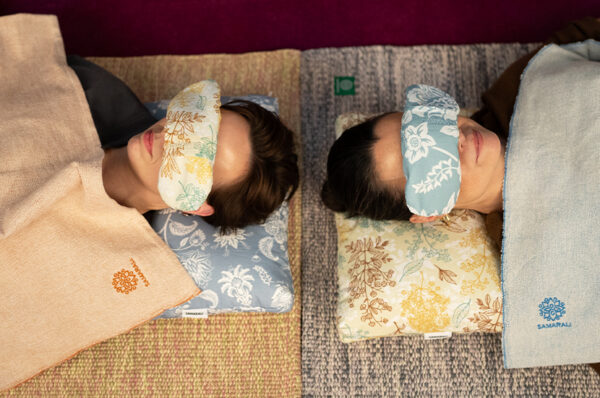
- Evening relaxers – Forward folds, gentle twists, and hip openers promote nervous system calming and release daily tension
- Dynamic vs. static holds – Morning benefits from flowing movements that generate heat, while evening favors longer holds that encourage deep release
- Spinal considerations – Avoid intense backbends in the evening as they can overstimulate, and skip deep forward folds in the morning when your spine needs gradual warming
- Inversion timing – Use inversions for energizing in the morning and nervous system calming in the evening, adjusting intensity accordingly
The strategic selection of poses based on timing maximizes both safety and effectiveness. Morning sequences should gradually build heat and energy while respecting your body’s need for warm-up, while evening practices focus on unwinding tension and preparing your nervous system for quality rest. Having the right equipment, such as a supportive natural rubber yoga mat, ensures stability and comfort throughout your practice regardless of the time of day.
How does your energy and flexibility change throughout the day?
Your body undergoes predictable changes in both physical capacity and energy levels as the day progresses:
- Flexibility progression – Stiffness peaks upon waking due to decreased body temperature and reduced joint fluid, gradually improving as you move throughout the day
- Temperature fluctuations – Core body temperature rises from morning lows to afternoon peaks, directly affecting muscle pliability and stretch capacity
- Energy rhythm patterns – Natural circadian rhythms create energy peaks in mid-morning and early evening, with predictable afternoon dips
- Joint lubrication cycles – Synovial fluid production increases with movement, making late afternoon the optimal time for deeper stretches and challenging poses
- Cognitive function changes – Mental clarity starts high in the morning but may require more conscious attention in the evening due to accumulated daily fatigue
These natural fluctuations create windows of opportunity for different types of practice. Rather than fighting against your body’s rhythms, successful yoga practitioners learn to adapt their approach to match their natural patterns, using morning stiffness as an opportunity for gentle awakening and evening flexibility for deeper exploration of poses.
What should you consider when choosing your yoga practice time?
Several practical and personal factors should guide your decision about when to practice yoga:
- Consistency potential – The best practice time is when you can maintain regular attendance, as consistency trumps perfect timing in building long-term benefits
- Personal chronotype – Honor whether you’re naturally a morning person or night owl, as working with your tendencies increases adherence and enjoyment
- Specific practice goals – Choose morning for energy building and intention setting, or evening for flexibility development and stress relief
- Schedule realities – Consider work demands, family responsibilities, and meal timing to find sustainable practice windows
- Environmental factors – Account for lighting needs, temperature control, and the time required to transition into and out of practice mode
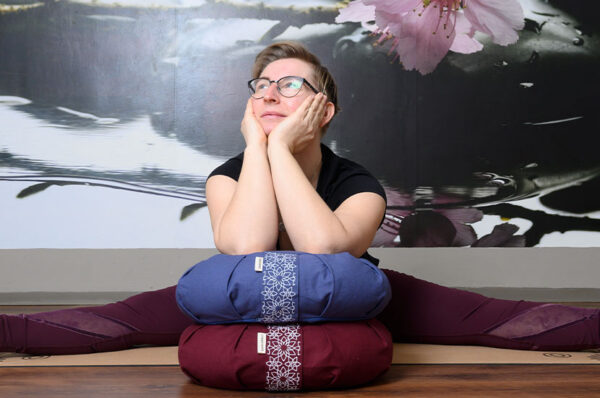
The most successful approach often involves starting with shorter practices at your chosen time to establish the habit before extending duration. You might also discover that alternating between morning and evening practices based on daily needs provides the perfect balance of energy and flexibility benefits while maintaining the consistency that makes yoga transformative. Consider investing in complete yoga sets that provide all the essential props you need for both energizing morning flows and restorative evening sessions.
Finding the right practice time transforms yoga from another task into a sustainable wellness routine. Whether you choose the clarity of morning or the release of evening, consistency with sustainable yoga equipment creates the foundation for long-term benefits. We at Samarali understand that your practice deserves support through mindfully crafted, environmentally responsible accessories made from organic cotton, packaged without plastic to honor both your wellness journey and our planet’s well-being.
Browse our selection of thoughtfully crafted collection of sustainable yoga essentials—designed for mindful movement and made with respect for the planet.