


Open-cell yoga mats have interconnected air pockets that absorb moisture but provide less cushioning, while closed-cell mats feature sealed cells that repel liquids and offer superior support. The cellular structure determines grip, absorption, durability, and cleaning requirements. Your choice depends on practice style, sweat levels, and sustainability preferences for your yoga journey.
Here is a quick overview of how the two mat types compare across the dimensions that matter most to your practice.
| Feature | Open-Cell | Closed-Cell |
|---|---|---|
| Grip Behavior | Improves as you sweat, best when wet | Consistent but can slip when wet |
| Moisture Handling | Absorbs sweat into the surface | Repels moisture, stays on the surface |
| Cushioning | Softer, compresses more readily | Firmer, uniform support throughout |
| Durability | Wears faster, typically 1–2 years | Longer-lasting, typically 3–5 years |
| Cleaning Method | Deep wash required, long drying time | Quick wipe-down, dries fast |
| Best Practice Style | Hot yoga, vigorous vinyasa | Restorative, travel, outdoor use |
| Sustainability Profile | Biodegradable if natural rubber | Longer lifespan, often synthetic |
| Travel-Friendliness | Heavier, slower to dry | Lightweight, packs and dries quickly |
What are open-cell and closed-cell yoga mats?
Open-cell yoga mats contain interconnected air pockets that allow moisture to penetrate the surface, creating a porous structure that absorbs sweat during practice. Closed-cell mats feature sealed air bubbles that prevent liquid absorption, creating a non-porous barrier between you and the floor.
The manufacturing process creates these distinct cellular structures through different foaming techniques:
- Open-cell formation: Materials such as natural rubber and certain TPE foams develop interconnected pathways during production, allowing air and moisture to move through the material. The result is a softer, more flexible surface that molds to your hands and feet.
- Closed-cell construction: Chemical processes create individual sealed bubbles within materials like PVC, NBR, and dense TPE, preventing moisture penetration while maintaining structural integrity.
- Density and thickness: Thicker open-cell mats offer more cushioning but may feel less stable during standing poses. Closed-cell mats maintain a uniform thickness and firmness regardless of the pressure you apply.
- Latex sensitivity: Natural rubber open-cell mats contain latex, which can cause reactions in practitioners with latex allergies. If this applies to you, look for certified latex-free mats — TPE-based closed-cell mats are a common alternative that still performs well. Always check product certification details before purchasing.
Understanding these structural differences helps you anticipate how each mat type will perform during your practice and how much maintenance it will require over time.
How open-cell and closed-cell mats perform differently during practice
Open-cell mats excel at grip once they absorb moisture, becoming stickier as you sweat. Closed-cell mats provide consistent traction but can become slippery when wet, requiring periodic wiping during intense sessions. The cellular structure directly shapes how each mat handles moisture and maintains stability.
- Grip behavior: Open-cell surfaces start with moderate traction and improve as they absorb moisture — making them well-suited to heated practices. The surface feels slightly pliable underhand, which many practitioners find comfortable, though it can reduce the sense of a firm foundation in demanding balance poses.
- Consistent traction: Closed-cell mats offer predictable grip that stays stable regardless of moisture levels. Many feature embossed patterns or raised grids that create mechanical grip, giving you reliable traction through surface design rather than sweat interaction.
- Cushioning and thickness: Open-cell mats typically range from 4mm to 6mm, compressing readily to protect joints during kneeling and seated poses, but may reduce stability in standing balances. Closed-cell mats commonly range from 2mm to 5mm and hold their shape under pressure, providing firm, consistent support for alignment-focused practices.
- Weight and portability: Open-cell mats are generally heavier, and they absorb moisture during practice, so the mat you carry into a hot yoga class will feel noticeably heavier when you roll it up to leave. Closed-cell mats maintain a consistent, lighter weight throughout, making them more practical for practitioners who commute to the studio or travel frequently.
- Durability: Open-cell mats wear down faster with frequent washing and exposure to moisture, developing permanent compression over time. Closed-cell mats resist wear better but may develop surface cracks with age.
These differences directly influence which mat type will best support your specific practice and maintenance preferences.
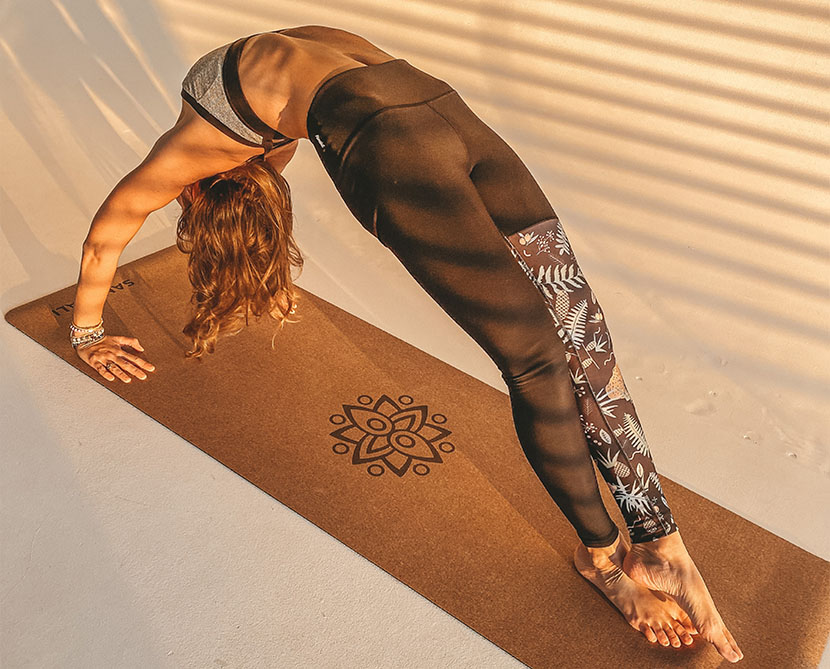
How to clean and maintain open-cell versus closed-cell yoga mats
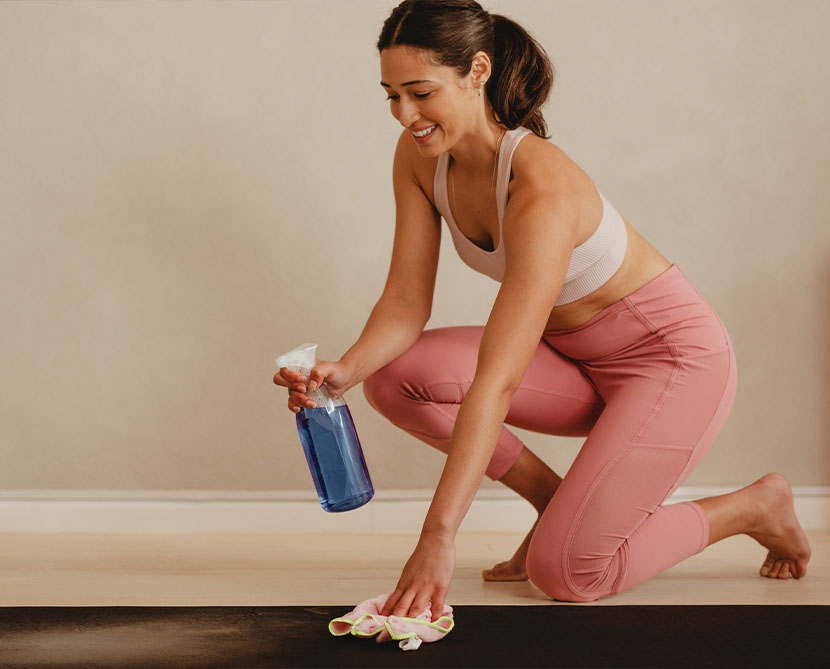
Yoga mat hygiene is easy to overlook until a mat develops odor or visible wear. Because open-cell and closed-cell mats interact with moisture in fundamentally different ways, their cleaning requirements differ just as significantly. Using the wrong method on either type can shorten its lifespan considerably.
Cleaning an open-cell yoga mat
Open-cell mats absorb moisture into their structure, so cleaning requires care to avoid trapping water inside the foam. Follow these steps for safe and effective cleaning:
- Dampen a soft cloth with water and a small amount of eco-friendly yoga mat cleaner, diluted to the manufacturer’s recommended ratio.
- Gently dab and wipe the surface — avoid scrubbing, which breaks down the foam structure over time.
- Use a dry cloth to remove excess moisture from the surface.
- Lay the mat flat in a well-ventilated area away from direct sunlight and allow it to air-dry completely before rolling or storing.
Important: Never submerge an open-cell mat in water or place it in a washing machine. Trapped water cannot escape the interconnected cell structure quickly, leading to mold growth, persistent odor, and irreversible structural breakdown.
Cleaning a closed-cell yoga mat
Closed-cell mats are considerably easier to maintain because their sealed surface prevents moisture from penetrating the foam. A quick wipe-down after each session is usually sufficient for regular upkeep. For a deeper clean, follow these steps:
- Dampen a cloth with water and a small amount of mild soap.
- Wipe down both sides of the mat using even, overlapping strokes.
- Rinse the cloth and wipe away any soap residue.
- Allow the mat to air-dry before rolling it up for storage.
Important: Avoid bleach and alcohol-based sprays on both mat types. Harsh chemicals degrade the foam structure over time, causing surface cracking and reduced grip regardless of cellular construction.
Which yoga mat works better for different practice styles?
Hot yoga and vigorous vinyasa practices benefit from open-cell mats that improve grip as you sweat. Gentle, restorative, or alignment-based practices work well with closed-cell mats, which provide consistent support and make cleaning between sessions easy.
- Heated studio practices: Open-cell construction handles heavy perspiration effectively, with natural rubber yoga mats excelling in hot conditions — though they require thorough cleaning and complete drying after each session.
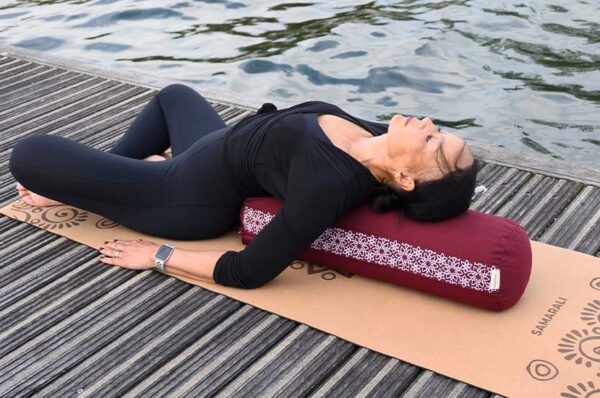
- Gentle and restorative practices: Closed-cell mats suit yin yoga or meditation, with easy maintenance, quick wipe-down, and no concerns about moisture retention or bacterial growth.
- Travel and mobility: Closed-cell mats pack smaller, dry faster, and resist odor retention better, making them more practical for practitioners who move between locations.
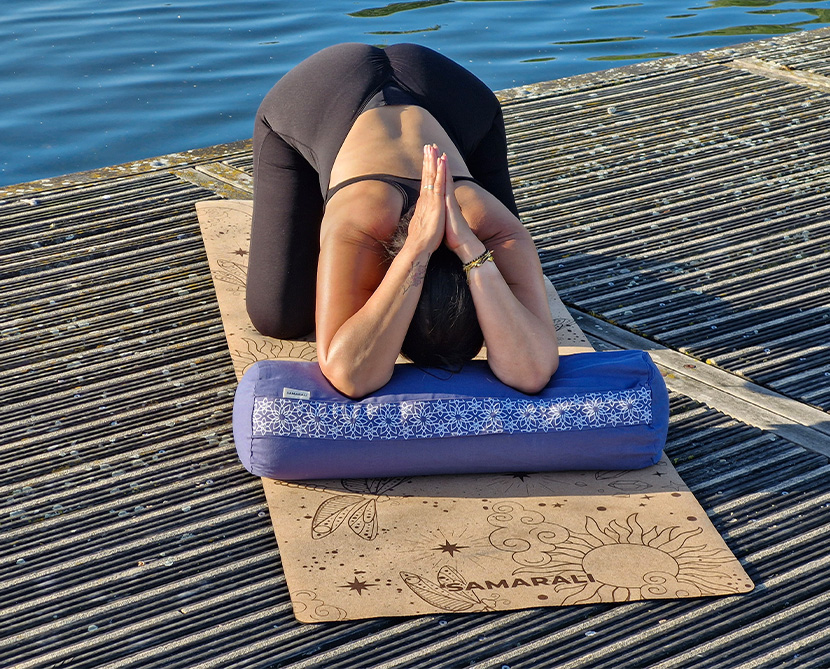
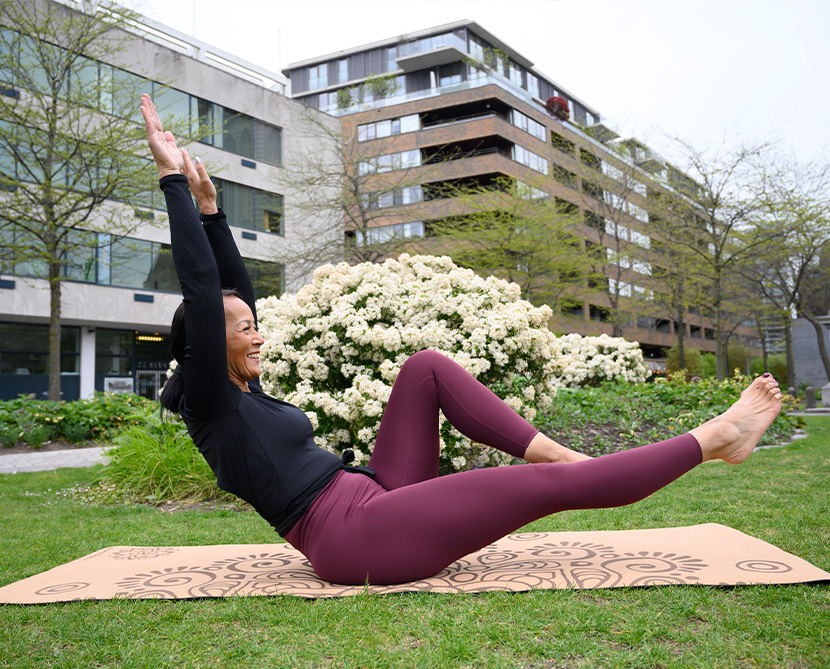
- Outdoor practice: Closed-cell mats resist ground moisture and clean easily after exposure to dirt or grass. Open-cell mats can absorb environmental moisture and debris, making them harder to clean after outdoor use.
- Body type and joint support: Practitioners seeking extra cushioning often prefer the softer feel of a thick, open-cell mat. Those with good natural padding may find the firmer, more stable surface of a closed-cell mat sufficient — and preferable for balance work.
Matching your mat to your primary practice style ensures better performance and less frustration over time.
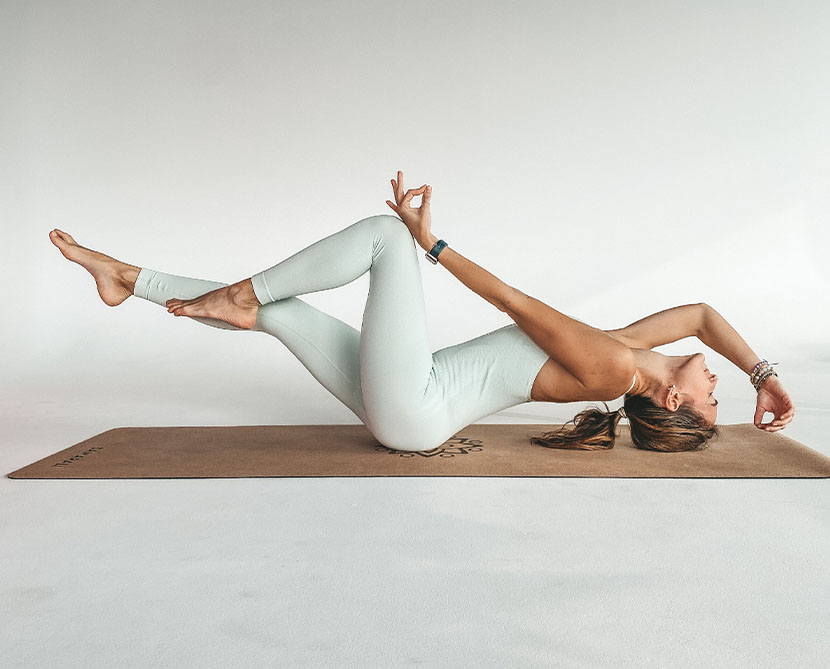
Sustainable open-cell and closed-cell options: what to consider
Sustainable yoga equipment prioritizes natural materials and minimal environmental impact. Open-cell natural rubber mats or cork yoga mats are fully recyclable but require more frequent replacement. Closed-cell eco-friendly options like recycled TPE last longer but may not break down as readily in landfills.
- Material sourcing: Natural rubber open-cell mats are made from renewable tree sap, often with certifications that ensure responsible harvesting and fair labor practices — making them environmentally preferable despite their shorter lifespans.
- Lifespan: Open-cell mats used in heated or high-intensity practices typically need replacing every 1 to 2 years, as repeated exposure to moisture and washing accelerate foam breakdown. A quality closed-cell mat, with consistent care, can last three to five years.
- Cost per use: A closed-cell mat that lasts four years at a higher price point may represent better value — and lower environmental impact — than replacing a less expensive open-cell mat every eighteen months. Calculating cost-per-use helps clarify which investment aligns with both your budget and your sustainability goals.
- Cleaning footprint: Open-cell mats require frequent washing with eco-friendly cleaners. Closed-cell options require minimal cleaning products and water.
- Packaging: Sustainable brands avoid plastic packaging entirely, using recyclable cardboard or compostable materials that reduce waste, regardless of which cellular structure you choose.
- End-of-life disposal: Natural rubber open-cell mats can be composted or recycled through specialized programs. Synthetic closed-cell mats may require specific recycling facilities or manufacturer take-back programs.
Balancing immediate performance needs with long-term environmental responsibility requires honest consideration of your practice patterns, maintenance commitment, and the disposal options available in your area.
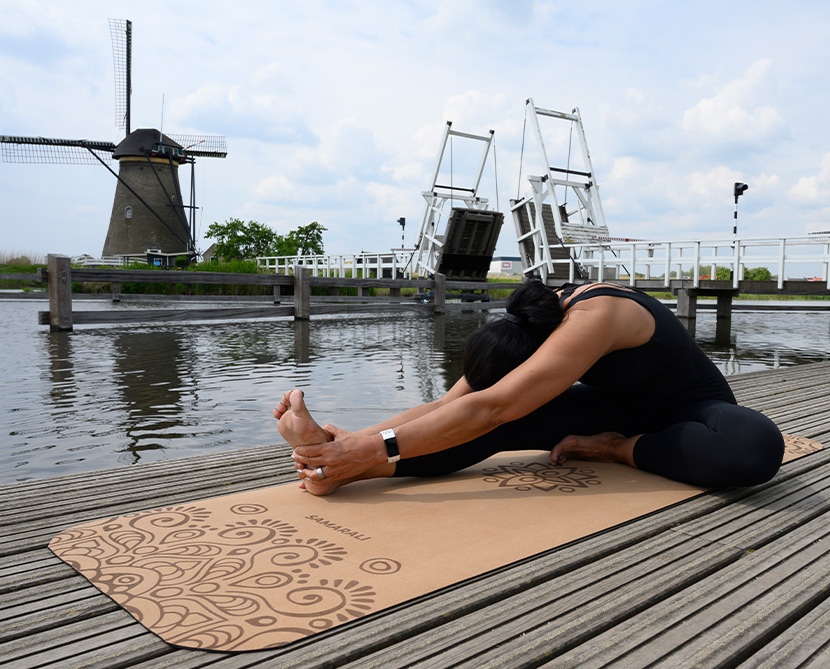
Open-cell or closed-cell: which yoga mat should you choose?
The right mat depends on how you practice, where you practice, and what you value most. Here is a direct recommendation for four common practitioner profiles to help you move from consideration to decision.
If you practice hot yoga or sweat heavily during vinyasa flows, an open-cell mat — particularly one made from natural rubber — is almost always the better choice. The moisture absorption turns your sweat into grip rather than a slip hazard, and the softer surface is forgiving on joints during dynamic movement. Be prepared to invest time in proper drying and cleaning to keep the mat in good condition.
If your practice is primarily restorative, yin, or meditation-focused, a closed-cell mat is likely the more practical option. You will not be generating the sweat levels that make open-cell grip shine, and the easy wipe-down maintenance suits the calm, low-intensity nature of these practices. The firmer surface also supports stillness and seated postures without the slight instability that a softer open-cell mat can introduce.
If you travel frequently or practice across multiple locations, a closed-cell mat is the clear winner. It dries faster, resists odor retention, and is generally lighter and easier to pack. The consistent performance regardless of environmental conditions means you can rely on it whether you are in a studio, a hotel room, or outdoors.
If sustainability is your primary concern, the trade-off is clear: a natural rubber open-cell mat is biodegradable and made from a renewable resource, but it will likely need replacing every 1 to 2 years under regular use. A recycled TPE closed-cell mat involves synthetic materials that are harder to break down at the end of life, but its longer lifespan of three to five years means fewer mats entering the waste stream overall. Consider your practice intensity and your commitment to proper maintenance before deciding which sustainability profile aligns better with your values. Whichever direction you choose, prioritizing certified materials and responsible brands will always be the most meaningful step you can take.
Frequently asked questions about open-cell and closed-cell yoga mats
Are open-cell yoga mats good for hot yoga?
Yes, open-cell yoga mats are generally well-suited for hot yoga. Their porous structure absorbs sweat and converts moisture into grip, meaning traction typically improves as your practice intensifies. Natural rubber open-cell mats are particularly popular for heated practices because they combine strong moisture absorption with a naturally tacky surface that performs well in high-temperature studio environments.
Do closed-cell yoga mats get slippery when wet?
Yes, closed-cell yoga mats can become slippery when moisture accumulates on the surface rather than being absorbed. Because the sealed cell structure repels liquid, sweat pools on top of the mat rather than being drawn in, which can reduce traction during vigorous or heated sessions. Many closed-cell mats address this with embossed textures or raised grip patterns, and periodically wiping the surface during practice helps maintain reliable traction.
Is natural rubber open-cell or closed-cell?
Natural rubber yoga mats are typically open-cell in structure. The foaming process used to create natural rubber mats produces interconnected air pockets that allow moisture to be absorbed into the surface, which is why natural rubber mats are known for their grip-improving properties during sweaty practices. This also means they require more careful cleaning and longer drying times compared to closed-cell alternatives.
How often should you replace an open-cell versus a closed-cell yoga mat?
Open-cell mats, particularly those used in heated or high-sweat practices, typically need replacing every 1 to 2 years, as moisture exposure and frequent cleaning accelerate material breakdown. A well-maintained closed-cell mat can last three to five years under regular use, making it the longer-lasting investment despite a potentially higher upfront cost. In both cases, signs that a mat needs replacing include permanent compression, surface peeling, persistent odor that cleaning cannot remove, or noticeably reduced grip.
Can you wash an open-cell yoga mat in the washing machine?
No, machine-washing an open-cell yoga mat is not recommended. The interconnected cell structure absorbs and traps large amounts of water during a wash cycle, and the material cannot release this moisture quickly enough during drying. This creates conditions for mold growth, persistent odor, and accelerated structural breakdown. The correct method is to surface-clean with a damp cloth and a diluted eco-friendly cleaner, then air-dry the mat flat in a well-ventilated space away from direct sunlight.
Choosing between an open-cell and a closed-cell yoga mat comes down to three core questions: How intensely do you practice, and how much do you sweat? How much time and effort are you willing to invest in mat care? And what environmental trade-offs matter most to you? Open-cell mats reward sweaty, heated practices with superior grip but demand more maintenance and more frequent replacement. Closed-cell mats offer durability, easy cleaning, and travel convenience, but require a different approach to grip management. Neither is universally better — the right choice is the one that fits your practice, your lifestyle, and your values.
At Samarali, we believe that a thoughtfully chosen mat is the foundation of a sustainable practice — both for you and for the planet. That is why we design our yoga essentials using natural materials, organic cotton, and completely plastic-free packaging. If you are ready to find the mat that fits your practice, explore our range of sustainable yoga essentials crafted for mindful movement. Browse our thoughtfully crafted collection of sustainable yoga essentials — designed for mindful movement and made with respect for the planet.