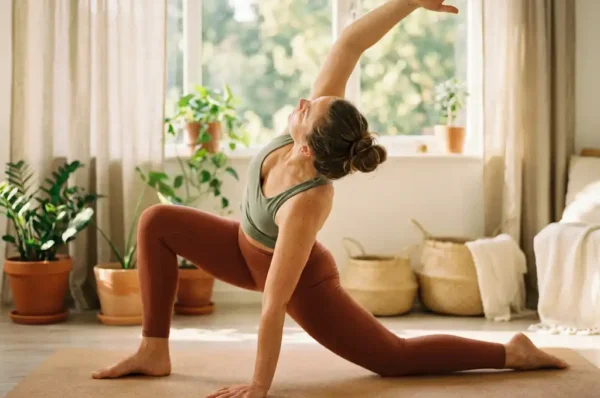



Both yoga and stretching improve flexibility, but understanding the difference between stretching and yoga helps you choose the right approach. Yoga combines flexibility training with strength, balance, and mindfulness, offering a holistic movement practice that builds functional flexibility across the entire body. Traditional stretching focuses primarily on lengthening specific muscles and increasing range of motion through targeted, isolated techniques such as static holds, dynamic movements, and PNF methods. When comparing yoga vs stretching for flexibility, yoga tends to provide more comprehensive, long-term benefits because it engages multiple muscle groups simultaneously while building the supporting strength needed to maintain an increased range of motion safely and sustainably. The choice between yoga and stretching ultimately depends on your specific flexibility goals, available time, physical limitations, and whether you prefer mindful movement over targeted muscle work.
Mobility vs. Flexibility: Why the Distinction Matters
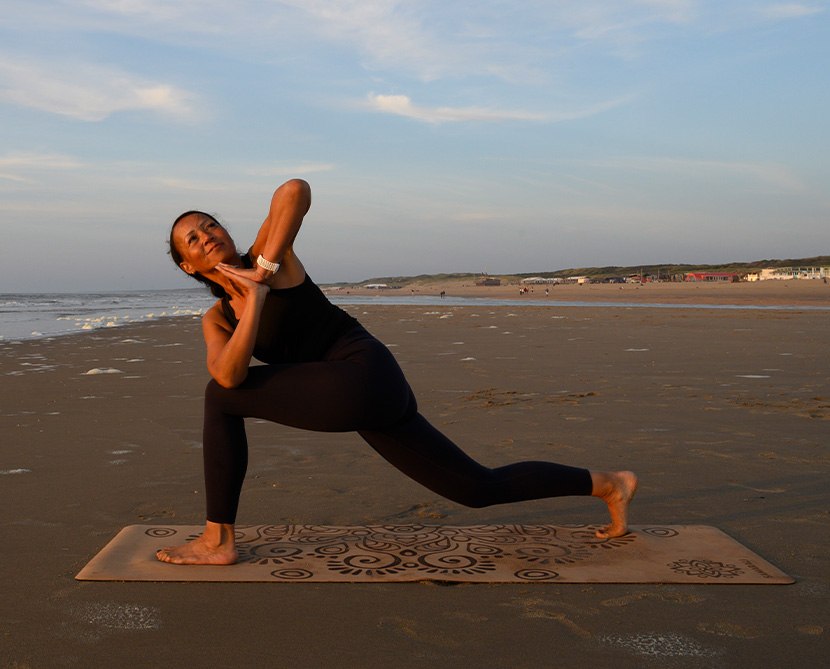
Before comparing yoga and stretching, it helps to understand that flexibility and mobility are related but distinct qualities. Flexibility is the passive ability of a muscle to lengthen — think of holding a static hamstring stretch. Mobility is the active ability of a joint to move through its full range of motion with control and strength behind it. A concrete example: sinking into a deep hip flexor stretch is a flexibility exercise, while performing a controlled lunge with a thoracic rotation is a mobility exercise — it demands that your body actively own that range of motion rather than simply yield to it.
Yoga uniquely trains both qualities. Passive holds develop flexibility in the conventional sense, while dynamic, strength-supported movements — such as Warrior sequences or balancing poses — build the joint mobility needed to use that flexibility in real life. Traditional stretching, by contrast, primarily targets flexibility alone, with limited emphasis on the active muscular control that defines true mobility. This distinction is precisely why the yoga vs. stretching comparison is more nuanced than it first appears, and why terms like flexibility vs. mobility, joint mobility, and range of motion each carry different meanings when evaluating these two practices.
What’s the real difference between yoga and stretching for flexibility?
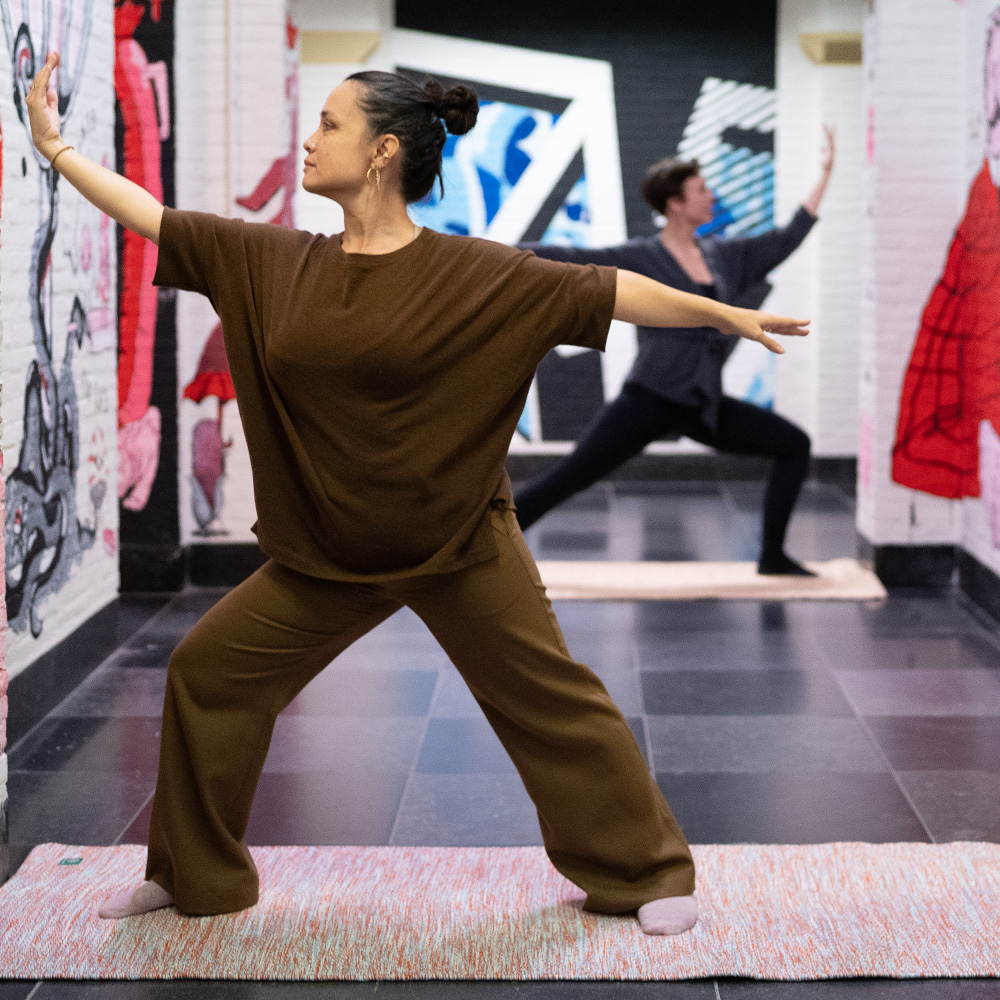
The fundamental difference between yoga and stretching lies in how each approach develops flexibility across the body. Yoga integrates flexibility work with strength building, balance training, and mental focus, creating functional mobility that supports daily movement patterns and reduces injury risk over time. Traditional stretching primarily targets muscle lengthening and joint mobility through isolated movements, static holds, and techniques like PNF or dynamic stretching, making it easier to address specific tight areas quickly. What separates yoga versus stretching most clearly is that yoga builds flexibility as part of a broader physical system, while stretching delivers precise, targeted results with a shorter time commitment per session. Understanding this core difference between yoga and stretching helps you choose the most effective and sustainable approach for your flexibility goals, fitness level, and available time.
| Factor | Yoga | Stretching |
|---|---|---|
| Primary focus | Full-body mobility, strength, and mindfulness | Targeted muscle lengthening |
| Session length | 45–90 minutes | 10–20 minutes |
| Flexibility type addressed | Both mobility and flexibility | Primarily flexibility |
| Skill requirement | Progressive learning curve | Minimal |
| Equipment needed | Mat, optional props (blocks, straps) | None required |
| Best for | Long-term postural correction, stress relief, and holistic wellness | Targeted relief, pre/post-workout, injury recovery |
| Long-term results | Comprehensive, sustained flexibility gains | Effective when consistent and targeted |
- Multi-dimensional engagement: Yoga poses simultaneously stretch tight areas while strengthening supporting muscles, creating stable, functional flexibility that translates to daily activities
- Targeted muscle isolation: Traditional stretching focuses on specific muscles or muscle groups, making it ideal for addressing particular tight spots or preparing for athletic activities
- Mind-body integration: Yoga incorporates breathwork and mindfulness, helping you relax more deeply into stretches and often achieving greater range of motion improvements
- Progressive warming: Flowing yoga sequences gradually warm muscles, making them more receptive to flexibility gains compared to static stretching alone
- Time efficiency for specific goals: Dedicated stretching routines allow direct targeting of problem areas without learning complex poses or sequences.
Types of Stretching and When to Use Each
Dynamic stretching involves controlled, repetitive movements through a joint’s range of motion — leg swings, arm circles, and hip rotations are common examples. It is most effective before a workout, where it raises muscle temperature, activates the nervous system, and prepares joints for load without reducing force output. Dynamic stretching for flexibility is particularly well-suited for athletes warming up before running, cycling, or strength training.
Static stretching involves holding a lengthened position — such as a seated hamstring stretch — for 30 to 60 seconds. Static stretching benefits are most pronounced post-workout, when muscles are warm and more pliable, making it the preferred method for lasting flexibility gains and recovery. Research in sports science consistently indicates that prolonged static stretching immediately before power-based or strength exercises can temporarily reduce force output, underscoring the importance of timing.
PNF stretching (proprioceptive neuromuscular facilitation) uses a contract-relax technique: you contract the target muscle isometrically for several seconds, then release and deepen the stretch. This PNF stretching technique activates the Golgi tendon organ — a sensory receptor that signals the muscle to release — allowing a greater range of motion than passive holding alone. It is most commonly used in rehabilitation settings or with a partner when accelerated, targeted range-of-motion improvements are the goal.

How Breathwork Deepens Flexibility Gains in Yoga
One of the most underappreciated differences between yoga and stretching is the structured role of breath. In yoga, deep diaphragmatic breathing activates the parasympathetic nervous system, reducing muscle guarding and allowing connective tissue to release more fully during a stretch. This is not incidental — breath cues are deliberately sequenced into poses. Inhaling creates length along the spine; exhaling signals the body to release deeper into a forward fold or hip opener. The result is that breath becomes an active tool for progressing the range of motion, not simply a background rhythm.
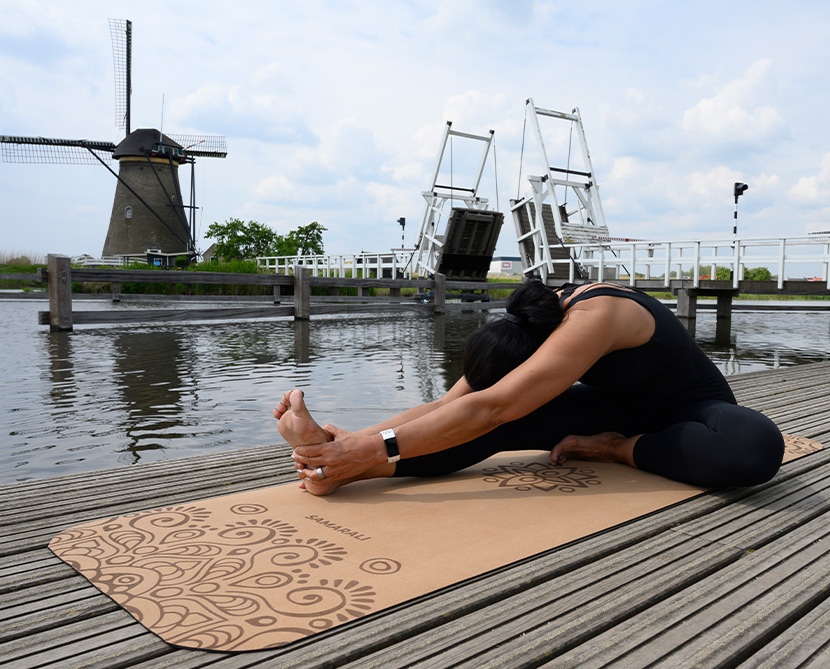
In a seated forward fold, for example, exhaling slowly while consciously releasing tension in the lower back allows the hamstrings to lengthen further than they would during a timed static hold performed without breath guidance. Traditional stretching encourages breath awareness, but rarely structures it as a primary technique. This is one reason why yoga practitioners often achieve progressively deeper range-of-motion improvements within the same pose over weeks of practice — the breathwork for flexibility compounds with each session. Integrating yoga breathing techniques into your practice, even in its early stages, meaningfully accelerates the flexibility gains made possible by the parasympathetic nervous system when the body feels safe enough to release.
Both approaches offer distinct advantages depending on your specific needs, fitness level, and long-term goals. Yoga provides a comprehensive movement experience that builds flexibility within a framework of strength and body awareness, making it particularly effective for improving posture, reducing chronic tension, and supporting overall joint health. Traditional stretching offers focused, time-efficient muscle lengthening that can be easily customized to target problem areas and quickly integrated into an existing workout routine, whether you run, cycle, lift weights, or spend long hours at a desk. For desk workers dealing with tight hips or a stiff lower back, targeted stretching can deliver noticeable relief within days, while yoga gradually retrains the movement patterns that cause those issues in the first place. This fundamental difference in approach shapes how your body develops, maintains, and ultimately benefits from flexibility training over months and years of consistent practice.
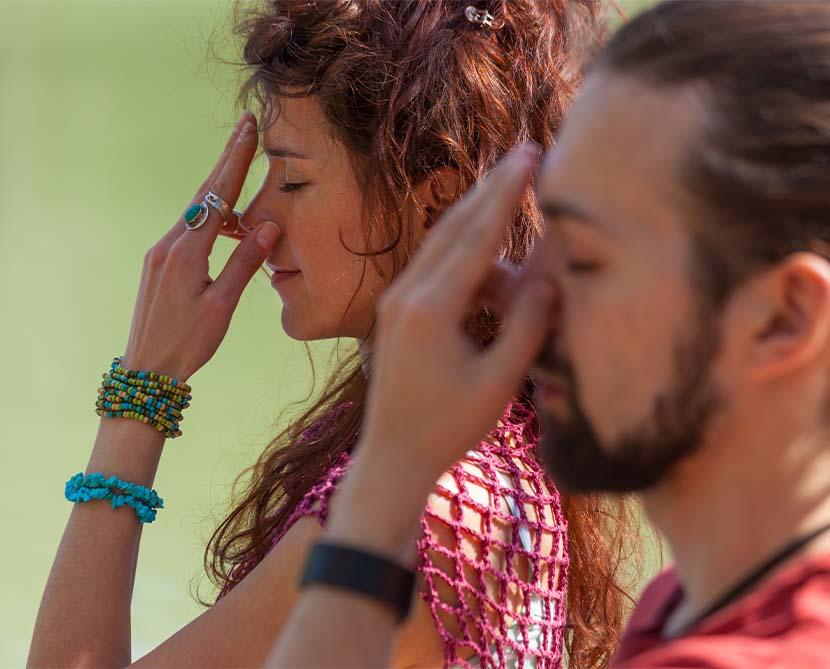
Yoga vs stretching: Which gives better long-term flexibility results?
When comparing yoga versus stretching for long-term flexibility outcomes, yoga typically produces superior results because it builds the strength needed to support increased range of motion safely. Flexible muscles without adequate strength can lead to joint instability and a higher risk of strain or injury, while yoga develops both qualities simultaneously through dynamic movement patterns, isometric holds, and progressive pose sequences. Research comparing flexibility training methods shows that yoga practitioners tend to maintain flexibility gains longer than those using stretching alone, largely because the integrated strength component prevents muscle tightness from returning after sessions end. A 2016 study published in the International Journal of Yoga found that participants who practiced yoga three times per week for 10 weeks showed significantly greater improvements in hamstring flexibility and lumbar mobility than a static stretching group that met the same frequency.
The evidence base for targeted stretching methods is also well established. Research on PNF stretching consistently shows that it produces faster short-term range-of-motion gains than static stretching alone because the contract-relax mechanism activates the Golgi tendon organ, allowing a deeper muscle release than passive holding. Studies examining dynamic stretching have found it reliably improves functional flexibility and athletic performance when applied as a pre-workout protocol — particularly for movements requiring speed and power. More recent research exploring yoga’s effects on connective tissue and fascial flexibility suggests that the combination of sustained passive holds with active, loaded movements — a hallmark of vinyasa and Hatha sequences — may produce more durable tissue adaptations than isolated stretching techniques. Yoga’s combination of active and passive stretching also recruits stabilizing muscles that isolated stretching routines rarely engage, resulting in more durable mobility improvements across the hips, hamstrings, spine, and shoulders over time.
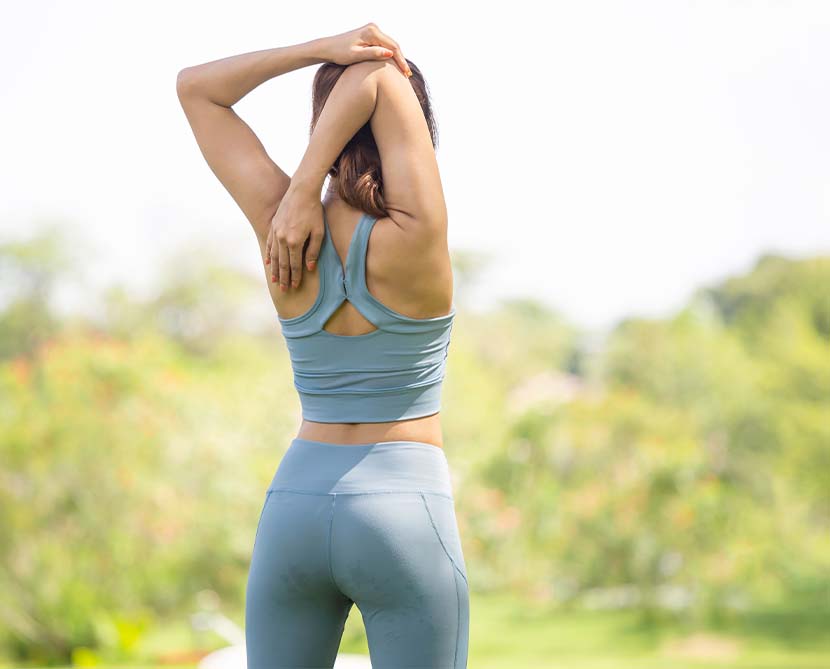
- Sustainability and engagement: Yoga practitioners often maintain routines longer due to varied sequences, community support, and mental stimulation that prevents boredom
- Body awareness development: The mind-body connection in yoga enhances flexibility through improved consciousness of movement patterns and natural tension release
- Balanced development: Yoga’s comprehensive nature promotes even flexibility throughout the body, while poorly designed stretching routines might create muscular imbalances
- Research-backed stretching techniques: Static stretching, dynamic stretching, and PNF methods all effectively improve range of motion when performed consistently with proper technique
- Progressive adaptation: Both approaches improve flexibility when practiced regularly, but consistency and gradual intensity progression determine success
The most significant factor in the long-term success of your flexibility practice is consistent adherence to it. Yoga’s variety of styles, mental engagement, and holistic benefits, ranging from stress relief to improved sleep quality, often create stronger motivation for regular practice, leading to sustained flexibility improvements over time. However, a well-structured stretching routine built around progressive overload principles can produce excellent results when maintained with dedication and proper technique. For busy professionals or anyone with limited weekly time, even two to three focused sessions per week of either yoga or stretching delivers a measurable range of motion improvements within six to eight weeks. Ultimately, the better choice between yoga and stretching for flexibility is whichever approach you will realistically commit to over months and years, because no method delivers results without consistent effort.

Can You Do Both? How to Combine Yoga and Stretching for Maximum Flexibility
For most people, combining yoga and stretching delivers better flexibility results than either practice alone. The two approaches are genuinely complementary: yoga builds systemic mobility, body awareness, and the supporting strength that makes flexibility durable, while stretching provides targeted, time-efficient muscle lengthening that can be slotted into any schedule. Rather than choosing one and abandoning the other, integrating both into a weekly yoga and stretching routine allows you to address the whole body holistically while still treating specific tight areas with precision.
A practical flexibility training plan does not need to be complicated. The following sample week illustrates how to combine yoga and stretching without adding excessive time to your schedule:
- Monday: 10-minute dynamic stretching warm-up before a workout (leg swings, hip circles, thoracic rotations)
- Wednesday: 45–60 minute yoga flow for full-body mobility and strength (Hatha or Vinyasa style)
- Friday: 10-minute post-workout static stretching targeting the session’s primary muscle groups
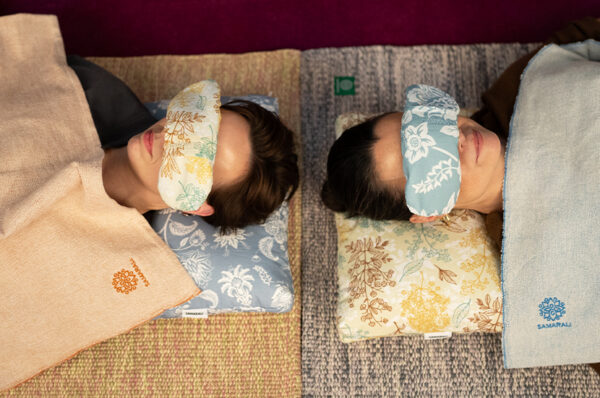
- Sunday: 20-minute restorative yoga or gentle full-body stretch session for recovery and nervous system reset
Adjust the balance based on your schedule and goals — athletes may want more dynamic stretching on training days, while desk workers may benefit from adding a short midday static stretch for the hips and chest. The point is that choosing to combine yoga and stretching is not a compromise; for most people, it is simply the most effective approach available.
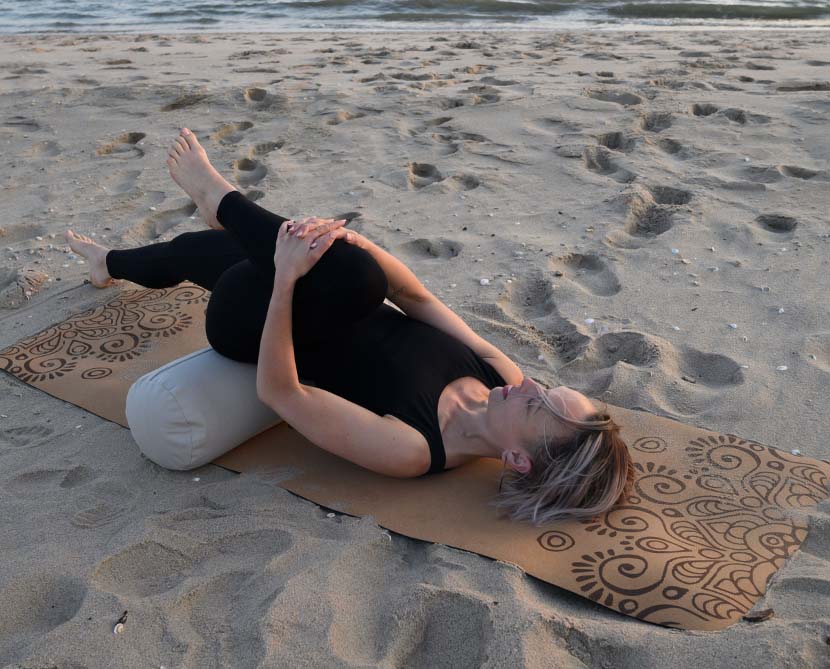
Stretch vs yoga: How to choose the right approach for your lifestyle
Choosing between yoga vs flexibility training comes down to your available time, specific physical goals, and how you prefer to move. Yoga suits people seeking comprehensive wellness benefits such as stress reduction, improved posture, better balance, and a stronger mind-body connection, while targeted stretching works better for addressing specific tight areas, supporting injury rehabilitation, or complementing other fitness activities like running, cycling, or weightlifting. If you work at a desk and experience chronic back or hip tension, a daily stretching routine targeting those areas can deliver fast, noticeable relief, while yoga offers a longer-term solution that retrains posture and movement patterns from the ground up. Athletes looking to improve performance and reduce injury risk often benefit most from combining both, using yoga for full-body mobility work and stretching for sport-specific muscle groups before and after training. Consider your weekly schedule, budget, access to classes or online resources, and whether you have any existing physical limitations when deciding between stretching vs yoga for your flexibility routine.
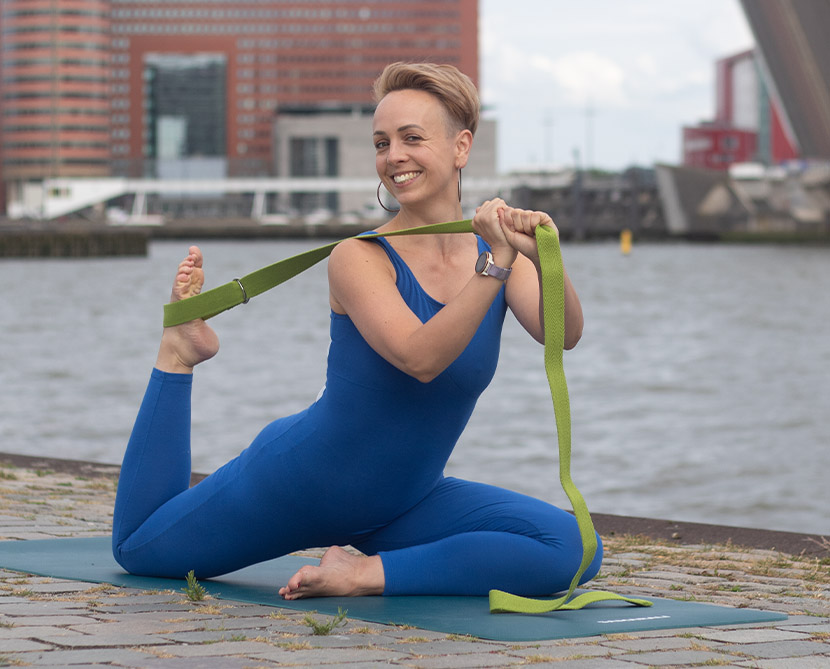
Quick Decision Guide: Yoga or Stretching?
Choose yoga if:
- You want full-body flexibility for yoga alongside added strength and balance
- You benefit from structured classes and community motivation
- You have 45–90 minutes available per session
- You want stress reduction and mindfulness alongside physical benefits
- You are working on long-term postural correction
- You want to address mobility and flexibility simultaneously
Choose stretching if:
- You have 10–15 minutes per session and need a time-efficient approach to stretching for flexibility
- You need to target a specific tight area, such as hip flexors, hamstrings, or shoulders
- You are complementing another sport or training program
- You are recovering from a minor injury and need gentle, controlled muscle lengthening
- You prefer a simple, equipment-free routine you can do anywhere
- You want immediate, noticeable relief from tension before committing to a longer practice
If you are unsure, starting with a short stretching routine and gradually adding yoga sessions is a low-risk way to experience both.
- Time availability: Yoga classes typically require 60-90 minutes, while stretching routines can be completed in 10-15 minutes, making stretching more suitable for packed schedules
- Specific vs. comprehensive goals: Choose yoga for overall body flexibility with added strength and balance, or stretching for efficiently addressing particular tight spots from work or sports
- Learning preferences: Consider whether you thrive with structured instruction and community support (yoga) or prefer simple, equipment-free routines you can do independently (stretching)
- Physical limitations: Evaluate your current mobility and any injuries—basic stretching may be gentler and more accessible, though yoga offers modifications for most conditions
- Budget considerations: Factor in class fees and memberships for yoga versus the minimal investment required for stretching, though online resources make home yoga practice more affordable.
Accessibility for Beginners: Which Practice Is Easier to Start?
For true beginners or anyone managing physical limitations, the barrier to entry differs meaningfully between the two practices. Stretching for beginners is immediately accessible — anyone can begin with basic static holds regardless of their current flexibility level, and improvements are often noticeable within the first few sessions. A simple starting point is three to five holds targeting the most commonly tight areas: hip flexors, hamstrings, chest, and shoulders. No equipment, no prior experience, and no learning curve required.
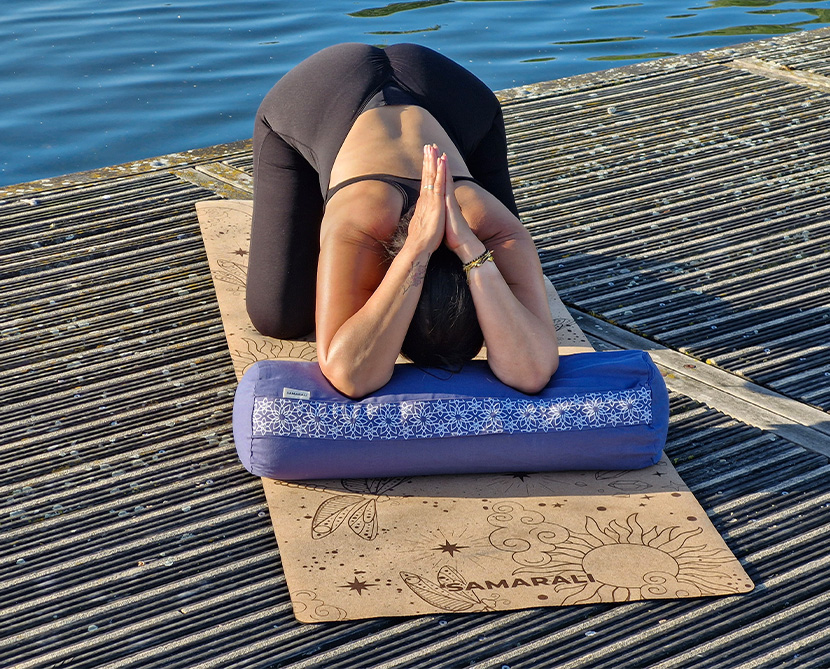
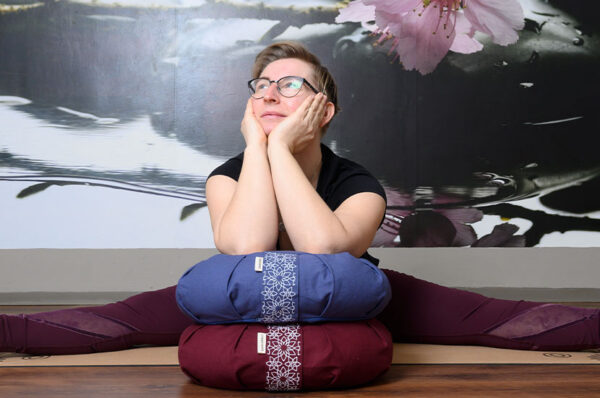
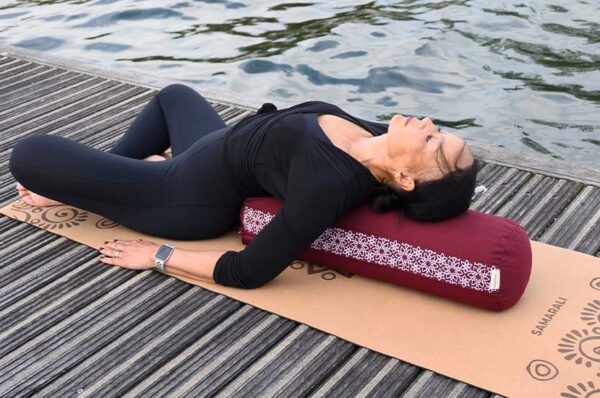
Yoga for beginners has a slightly steeper on-ramp. Foundational poses require progressive skill development, and some advanced positions take months or years to achieve safely. That said, beginner-friendly styles such as Hatha, Yin, and Restorative yoga are genuinely well-suited for those with no prior experience — sessions move slowly, alignment is prioritized, and the physical demands are modest. Props such as blocks, straps, and bolsters make poses accessible at any flexibility level, allowing you to experience the full benefit of a posture without forcing the range of motion you have not yet developed. For people managing injuries or chronic pain, both practices offer modified approaches, but stretching is often the lower-barrier entry point, with yoga modifications available through props and experienced instruction as your confidence grows.
Many successful practitioners combine both approaches, attending yoga classes for comprehensive training while incorporating targeted stretching sessions for maintenance, warm-up preparation, or post-workout recovery. A practical starting point is dedicating two days per week to a beginner yoga flow and adding five to ten minutes of targeted stretching after any other workout, then adjusting the balance as you learn what your body responds to best. Your choice between yoga or stretching is not permanent, and starting with the approach that most appeals to you, then adjusting based on your experience and evolving goals, is a practical and low-risk strategy. The key is building a sustainable routine that you will maintain consistently, because regular engagement with either yoga or stretching, even just a few sessions per week, delivers meaningful, measurable flexibility improvements over time.
Frequently Asked Questions: Yoga vs Stretching for Flexibility
Is yoga just glorified stretching?
No. While yoga does include stretching, it is a broader practice that also incorporates strength, balance, breathwork, and mindfulness. Many yoga poses require active muscular engagement and proprioceptive control, which passive stretching does not develop. Yoga trains both flexibility and mobility; stretching primarily addresses flexibility alone.
How long does it take to see flexibility results from yoga vs stretching?
Most people notice measurable improvements in flexibility within four to eight weeks of consistent practice — roughly two to three sessions per week — for both methods. The timeline is similar, but yoga tends to produce more durable gains over the long term because the supporting strength built alongside flexibility helps the body retain its new range of motion between sessions.
Should I stretch before or after yoga?
Before a yoga session, opt for gentle dynamic movement or a short warm-up flow rather than prolonged static holds, which can temporarily reduce muscle activation. After a yoga session, static stretching makes an effective cool-down, helping muscles release residual tension and consolidating the range of motion worked during practice.
Is yoga or stretching better for back pain?
Both can help relieve back pain, but yoga’s focus on postural correction, core engagement, and movement pattern retraining often addresses root causes more comprehensively than isolated stretching alone. Stretching provides faster symptomatic relief for acute tension, while yoga works toward preventing recurrence. For chronic or severe back pain, consult a healthcare professional before beginning either practice.
Can stretching replace yoga?
Stretching can replicate some of yoga’s flexibility benefits, but it cannot fully replace yoga’s strength, balance, breathwork, and mindfulness components. If your sole goal is improving range of motion in specific muscle groups, consistent stretching is sufficient. If you are seeking comprehensive mobility, postural correction, and mind-body benefits, yoga offers dimensions that stretching alone does not provide.
Whether you choose yoga practice, stretching routines, or mindful movement combinations, consistency matters most for flexibility improvement. At Samarali, we support your sustainable yoga journey with eco-conscious accessories, including yoga mats and meditation cushions. Our high-quality, eco-friendly meditation and yoga gear reflects our commitment to your wellness and environmental responsibility, helping you maintain a practice that benefits your body and the planet.
Browse our selection of thoughtfully crafted collection of sustainable yoga essentials—designed for mindful movement and made with respect for the planet.