


Knowing when your yoga mat needs replacing is not always straightforward, but the signs are usually visible and felt: surface peeling, persistent odours, grip loss, or thinning areas that compromise your practice. Most quality mats remain functional for 1–2 years with regular use, but this depends on frequency, material, and care. Continuing to use a worn mat creates safety risks and hygiene concerns that can affect your practice quality and well-being.
What are the obvious signs your yoga mat is worn out?
Your yoga mat shows clear replacement signals through surface deterioration and grip loss. Seven key indicators reveal when your mat has reached the end of its useful life:
- Surface peeling or flaking: Material comes off during practice, especially in high-contact areas where hands and feet repeatedly land
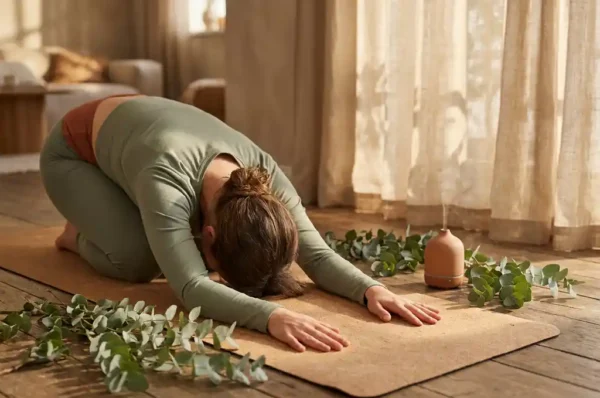
- Thinning and compression: You can feel the floor beneath certain spots, particularly under the knees during poses like child’s pose or tabletop
- Persistent odors and stains: Musty smells return quickly after cleaning, and stains won’t budge despite thorough washing
- Loss of grip texture: Hands slide during downward dog or feet slip in standing poses, even when both mat and hands are clean
- Rips or tears: Visible structural breaks in the mat surface, especially in high-contact zones — these create trip hazards and can cause skin abrasion
- Bald spots: Smooth, slippery patches in high-pressure areas where the surface texture has been completely worn away, distinct from general grip loss
- Joint pain during or after practice: Discomfort in knees, wrists, or hips, specifically in mat-contact poses — that disappears when you practice on a newer mat — suggests cushioning has compressed past its protective threshold
When multiple signs from this list appear together, replacement becomes necessary. The sooner you recognize them, the sooner you can replace your mat before injury or hygiene issues arise.
How to test your mat’s condition right now
If you are unsure whether your mat has genuinely deteriorated, these four hands-on tests will give you a clear answer:
- The corner press test: Press firmly on each corner and the center of your mat. If any area feels noticeably thinner or you can feel the floor through it, cushioning has compressed unevenly, and the mat no longer provides consistent joint support.
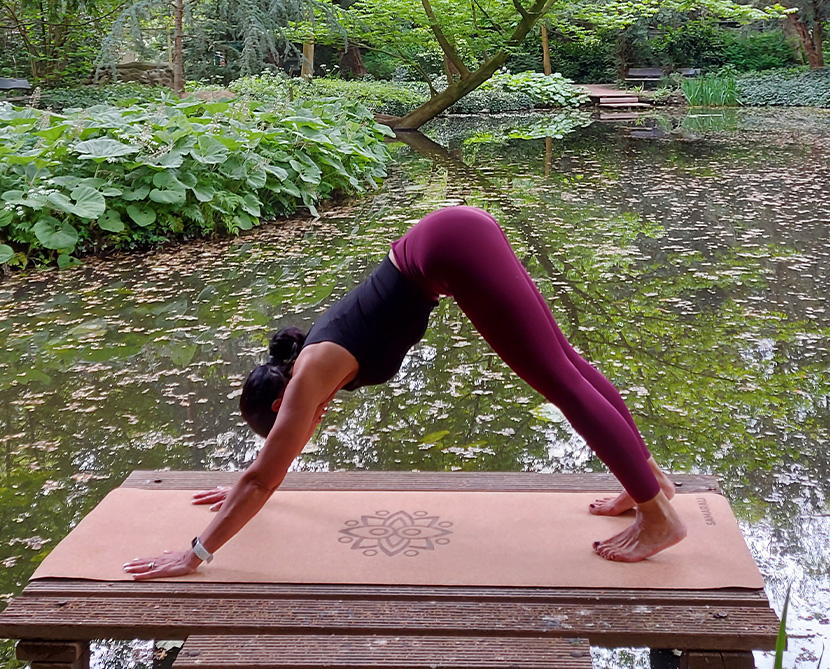
- The downward dog grip test: Set up in downward dog on a clean, dry mat with clean, dry hands. If your palms slide forward within 10–15 seconds without any sweat present, the surface texture has worn past its functional grip threshold.
- The peel and flake check: Run your hand firmly across the areas where your hands and feet most often land. If material transfers to your hand or small pieces lift away, surface degradation is active and accelerating.
- The smell test: Roll up your mat and hold the rolled end close to your face after it has been cleaned and fully dried. A persistent sour or musty odor after proper cleaning indicates bacterial or fungal colonization that cleaning alone cannot resolve.
How long should a quality yoga mat actually last?
Most quality mats remain functional for 1–2 years with regular practice, though several factors influence this timeline:
- Usage frequency: Daily practitioners may need annual replacement, while occasional users can extend mat life to 3–4 years
- Material quality: Natural rubber and high-density foam generally outlast basic PVC options with proper care
- Practice intensity: Hot yoga, power flows, and dynamic movements accelerate wear compared to gentle or restorative styles
- Storage conditions: Mats kept in damp conditions, extreme temperatures, or direct sunlight deteriorate faster than those stored in stable, dry environments
Understanding these variables helps you set realistic expectations and plan for timely replacement. Investing in sustainable yoga equipment made from organic materials often provides superior durability — worthwhile for committed practitioners who want both performance and environmental responsibility.
What happens when you keep using a worn-out yoga mat?
Continuing to use a yoga mat past its replacement point creates safety risks through compromised stability and support. The consequences extend beyond simple inconvenience:
- Increased injury risk: Slippery surfaces cause falls or muscle strains as you compensate for poor grip and inadequate joint protection
- Hygiene problems: Bacteria and fungi thrive in damaged material, causing persistent odors and potential skin irritation
- Compromised focus: Managing slips, avoiding thin spots, or dealing with distracting smells disrupts mindful awareness
- Physical discomfort: Poor cushioning makes poses uncomfortable for the wrong reasons, potentially causing you to avoid certain positions or shorten sessions
These issues compound over time, transforming your practice from a source of wellness into a source of frustration and potential harm. Recognizing when to replace your mat prevents it from undermining your yoga journey.
How can you extend your yoga mat’s lifespan naturally?
Regular cleaning with gentle, natural solutions prevents premature deterioration while maintaining hygiene. Several maintenance practices can significantly extend your mat’s useful life:
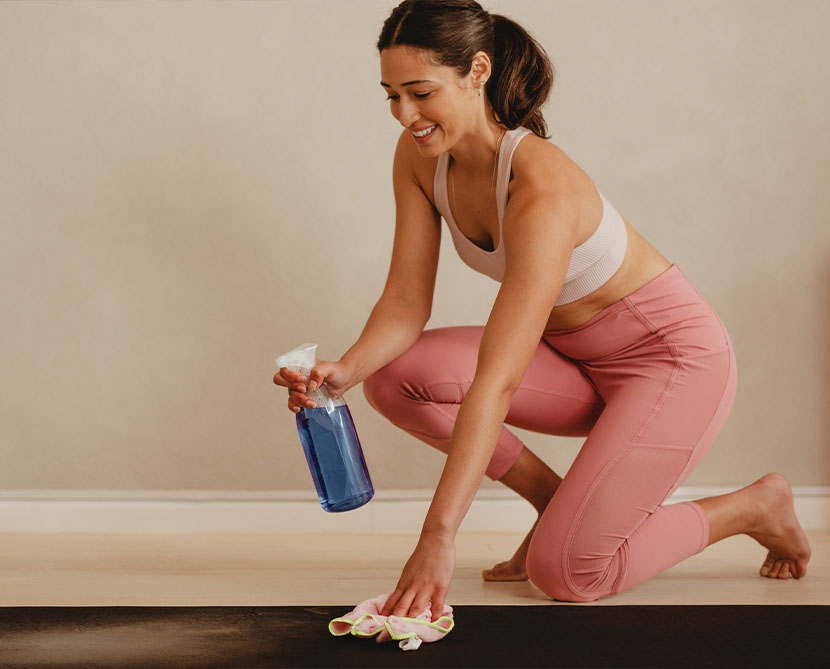
- Natural cleaning routine: Use water mixed with mild soap or white vinegar after every few uses, avoiding harsh chemicals that break down materials
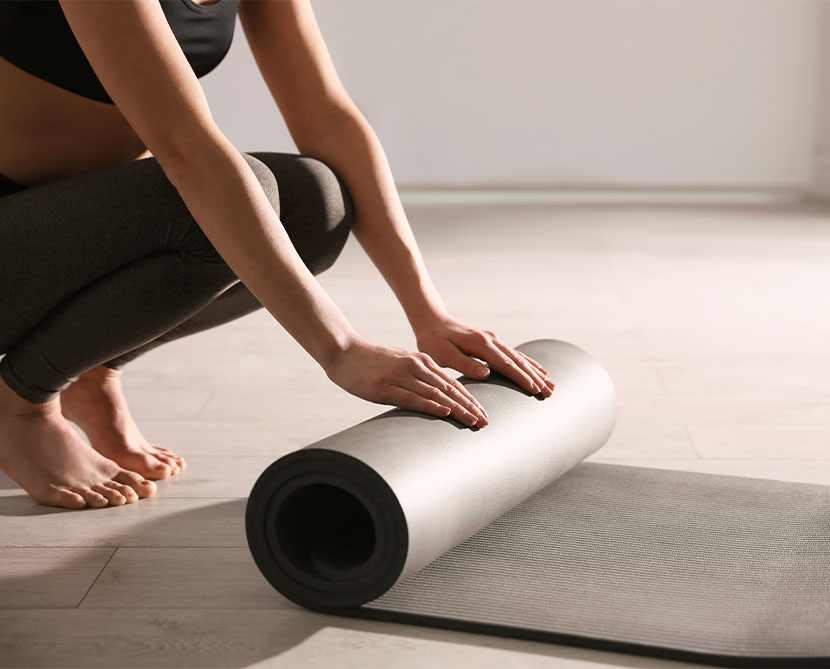
- Proper storage: Roll loosely rather than folding, and store in a cool, dry place away from direct sunlight and heat sources
- Even wear distribution: Rotate your mat occasionally — flip it or change which end faces the front of your practice space
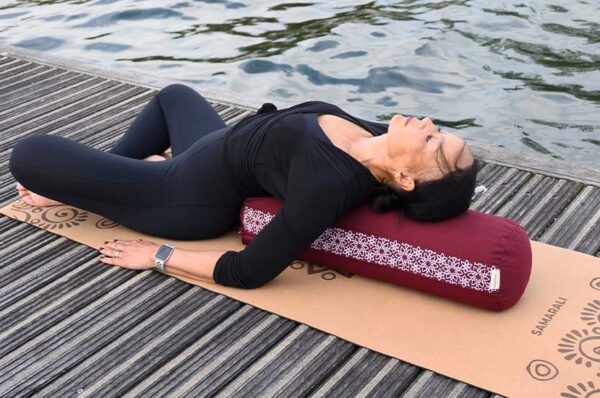
- Protective usage: Avoid shoes, sharp jewelry, and rough outdoor surfaces that accelerate surface wear. If your mat shows early grip loss but is otherwise structurally sound, a yoga towel placed over the surface during sweaty or dynamic sessions can restore traction and extend usable life by several months. Grip-enhancing sprays designed for yoga mats can also provide a temporary improvement on mildly worn surfaces.
- Complete drying: Allow full air-drying after cleaning or intense sessions before rolling up, to prevent trapped moisture from degrading the material
- Responsible disposal: When your mat reaches the end of its life, avoid sending it straight to landfill. Natural rubber mats can often be composted in small pieces or returned to specialist recycling programs. PVC mats are harder to recycle but can be repurposed as non-slip shelf liners, kneeling pads for gardening, or protective padding for fragile items. Many yoga studios and community organizations also welcome gently used mats for beginner classes.
These practices work together to preserve your mat’s integrity and performance over time. Treating your mat with consistent care maximizes your investment while maintaining the safe, hygienic environment essential for effective yoga.
Frequently asked questions about yoga mat replacement
Can you repair a yoga mat instead of replacing it?
Minor surface flaking can sometimes be slowed with proper care, but structural tears, bald spots, and compressed padding cannot be restored. Once grip or cushioning is compromised, repair is neither safe nor effective as an alternative to replacement.
Should I replace my mat if it smells but looks fine?
Persistent odor after thorough cleaning is a sign of bacterial or fungal growth embedded in the material — a hygiene risk even if the surface appears intact. If the smell returns within a day or two of washing, replacement is advisable.
How do I know if my yoga mat is releasing harmful chemicals?
PVC mats can off-gas plasticizers over time, especially when heated or heavily used. If your mat has a strong chemical smell when new or after heating, or if you notice skin irritation during practice, consider switching to a mat made of natural rubber or another organic material.
What should I do with my old yoga mat instead of throwing it away?
Before discarding a worn mat, consider repurposing it as a kneeling pad for gardening, a non-slip liner for shelves or car boots, or cutting it into smaller grip pads. Some yoga studios and community centers accept donated mats for beginner use. Check with local recycling programs for foam or rubber mat disposal options in your area.
How often should I clean my yoga mat to extend its life?
Clean your mat after every two to three sessions for regular practice, or after every hot yoga or sweat-intensive session. Allow it to fully air-dry before rolling it up to prevent moisture from degrading the material from the inside.
When replacement time arrives, the material you choose for your next mat matters as much as knowing when to replace it. We design our yoga mats with natural rubber and cork, using eco-friendly packaging — because a responsible choice should extend from what you practice on to how it reaches you. If you are ready to explore your next mat, browse our full collection of sustainable yoga essentials crafted for mindful movement.