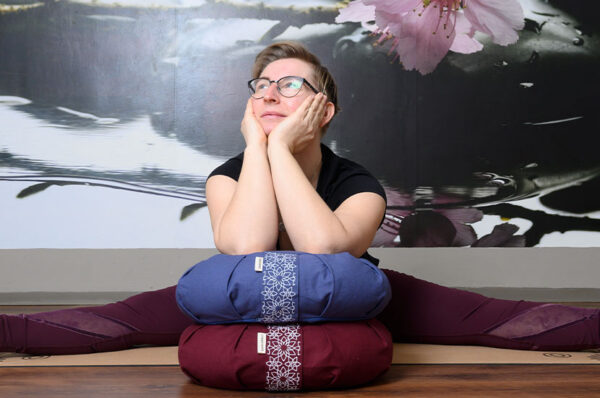



Knowing how to prevent overtraining in yoga practice starts with recognising early warning signs such as persistent fatigue, declining flexibility, and loss of motivation, then adjusting both frequency and intensity before those signals escalate into injury. Most practitioners build sustainable progress with three to four sessions per week, pairing higher-intensity styles like vinyasa or ashtanga with at least one restorative or yin session and dedicated rest days. The foundation of long-term yoga health is learning to distinguish productive challenge from harmful overexertion, and structuring a varied weekly routine that gives your body and nervous system adequate time to recover and rebuild.
What are the warning signs that you’re overdoing your yoga practice?
Your body sends clear signals when you are pushing too hard in your yoga practice. Recognising these warning signs of yoga overtraining early is the most effective way to prevent serious burnout, chronic injury, and long-term setbacks to your practice:
- Persistent muscle soreness lasting more than 48 hours – Normal post-practice soreness should resolve within a day or two, but ongoing pain indicates insufficient recovery time
- Decreased flexibility despite regular practice – When muscles are overworked, they become tight and resistant rather than more supple
- Frequent injuries or recurring pain – Overtraining compromises your body’s ability to maintain proper alignment and stability
- Overwhelming fatigue that doesn’t improve with rest – Deep exhaustion that persists even after adequate sleep signals nervous system overload
- Mental and emotional changes – Irritability, anxiety around practice sessions, or complete loss of enthusiasm for yoga
- Sleep disturbances and concentration difficulties – Overtraining affects your nervous system’s ability to rest and recover properly
- Performance decline – Previously accessible poses suddenly feel impossible, balance becomes unstable, and breath becomes laboured quickly
These warning signs of overtraining often appear together and compound each other’s effects. When you notice multiple symptoms, scale back intensity immediately, replace high-demand sessions with restorative yoga or yin practices, and take complete rest days until baseline energy and motivation return. Responding early prevents overtraining syndrome from becoming entrenched and protects the sustainable, long-term relationship with yoga that most practitioners are working to build.
How often should you practice yoga to prevent overtraining and avoid burnout?
Most practitioners thrive with three to four yoga sessions per week, which provides enough stimulus for meaningful progress while allowing the recovery time your muscles, connective tissue, and nervous system need between sessions. The right frequency for preventing overtraining in yoga depends on your experience level, the intensity of styles you practice, and how demanding the rest of your daily life is:
- Beginners: 2-3 sessions weekly – New practitioners need more recovery time as their muscles, joints, and nervous system adapt to yoga’s demands
- Intermediate practitioners: 3-4 sessions weekly – More experienced yogis can handle slightly increased frequency while still prioritising recovery
- Advanced practitioners: Daily practice possible – Only if they vary intensity significantly and include many gentle, restorative sessions
- Consider your lifestyle factors – Stress levels, sleep quality, other physical activities, and overall health all impact your optimal practice frequency
- Rest days are mandatory, not optional – Recovery periods allow muscle repair, nervous system reset, and mental processing of practice benefits
- Vary intensity throughout the week – Alternate vigorous sessions with gentle ones, such as vinyasa followed by restorative yoga
Building a sustainable practice rhythm means recognising that rest days contribute as much to your yoga progress as active sessions do. During recovery, your body rebuilds stronger muscle fibres and connective tissue, your nervous system downregulates after accumulated effort, and your enthusiasm for practice renews naturally. This cyclical approach to yoga is one of the most reliable ways to prevent overtraining over the long term, eliminating the fatigue accumulation that drives burnout while sustaining the consistent engagement needed for genuine growth in strength, flexibility, and wellbeing.
What’s the difference between challenging yourself and overtraining in yoga?
Healthy challenge leaves you energised and accomplished after practice, while overtraining in yoga results in persistent depletion, dread before sessions, and a gradual decline in performance despite continued effort. Recognising this distinction is one of the most important self-awareness skills a practitioner can develop for sustainable long-term yoga health:
- Appropriate challenge maintains steady breath – Your breathing may deepen during effort, but remains controlled and rhythmic throughout practice
- Good challenge preserves proper alignment – You can maintain correct form even when working at your edge, ensuring safety and effectiveness
- Healthy effort brings post-practice energy – You feel accomplished, calm, and revitalised after challenging sessions
- Progressive challenge builds gradually – Intensity, duration, or complexity increases slowly over weeks and months, not within single sessions
- Overtraining forces poses prematurely – Pushing into positions your body isn’t ready for, often with compromised alignment
- Overexertion creates breath disruption – Frequent breath-holding, gasping, or inability to breathe smoothly during poses
- Excessive effort leads to depletion – Feeling drained, anxious, or dreading future practice sessions
- Overtraining ignores pain signals – Sharp, shooting, or persistent pain gets pushed through rather than respected
Finding the sweet spot between productive challenge and overexertion requires consistent self-awareness and honest assessment before, during, and after each session. Healthy challenge expands your capabilities while honouring your current physical and energetic limits, creating a genuine sense of growth. When you respect your body’s signals and increase intensity gradually, yoga becomes a practice that builds strength, flexibility, and resilience across years and decades rather than a source of accumulated stress, joint wear, and potential injury that forces you off the mat entirely.
How do you create a balanced yoga routine that prevents overtraining?
A balanced yoga routine that prevents overtraining combines varied intensities, multiple yoga styles, and dedicated recovery periods across your week. Pairing two or three higher-intensity sessions such as vinyasa flow or power yoga with one restorative or yin session and at least one full rest day gives your body the stimulus it needs to grow while protecting it from the cumulative load that leads to overtraining syndrome. Strategic weekly planning also prevents overuse injuries in specific muscle groups and joints, and keeps long-term enthusiasm for practice intact:
- Mix dynamic and static practices – Combine flowing vinyasa sessions with slower yin yoga or hatha classes to work different aspects of fitness
- Follow intense sessions with gentle ones – Never schedule back-to-back challenging practices; alternate high and low intensity days
- Include weekly restorative sessions – Dedicate at least one practice per week to supported poses and deep relaxation
- Incorporate recovery techniques regularly – Use child’s pose, supported forward folds, and gentle twists to help your body process the work
- Practice pranayama and meditation – Breathing exercises and mindfulness support mental recovery and maintain yoga’s contemplative aspects
- Use quality props appropriately – Blocks, bolsters, and straps help maintain proper alignment without forcing your body
- Listen to daily energy levels – Adjust planned intensity based on how you actually feel, not what your schedule dictates
- Periodise your practice – Include phases of building intensity followed by periods of consolidation and rest
A truly balanced routine honours both effort and ease, reflecting the understanding that sustainable progress in yoga comes from consistent, mindful practice rather than relentless intensity. This approach keeps yoga a source of vitality, strength, and inner calm across the long term, supporting physical health and mental wellbeing simultaneously. The right equipment also plays a meaningful role in session-level overtraining prevention: a supportive natural rubber yoga mat provides the grip and cushioning that protect joints during standing and balancing poses, while a yoga bolster makes restorative and yin sessions more accessible and effective by allowing your body to fully release without muscular effort. At Samarali, we support mindful practitioners with thoughtfully designed, eco-conscious yoga accessories. All our fabric comes from organic cotton, and we avoid plastic in our packaging, reflecting our commitment to both personal wellness and environmental responsibility.
Browse our selection of thoughtfully crafted collection of sustainable yoga essentials—designed for mindful movement and made with respect for the planet.