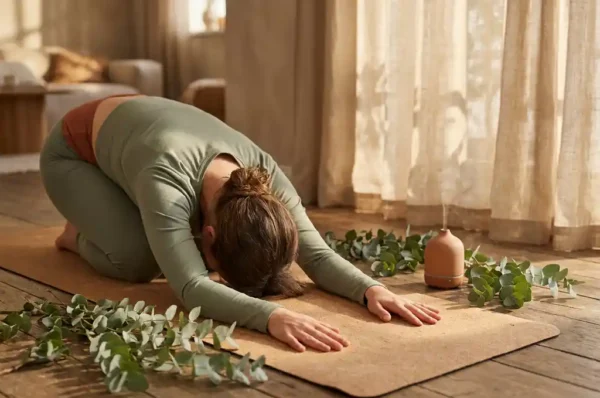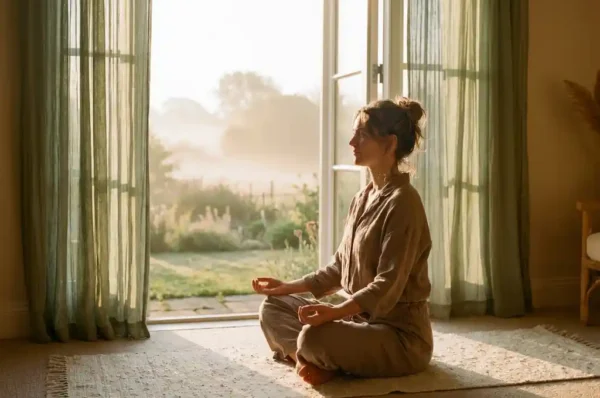



Dynamic stretching involves controlled movements that gently take your joints and muscles through their range of motion, while static stretching means holding poses in fixed positions for extended periods. Dynamic stretches prepare your body for movement by gradually increasing blood flow and muscle temperature, making them ideal for warm-ups. Static stretches help improve flexibility and promote relaxation, which makes them better suited to cool-downs and deeper flexibility work.
Is yoga static or dynamic stretching?
Yoga is neither purely static nor purely dynamic — it is a practice that intentionally combines both stretching modalities. The balance between the two depends on the yoga style, the phase of the session, and what you are hoping to achieve that day.
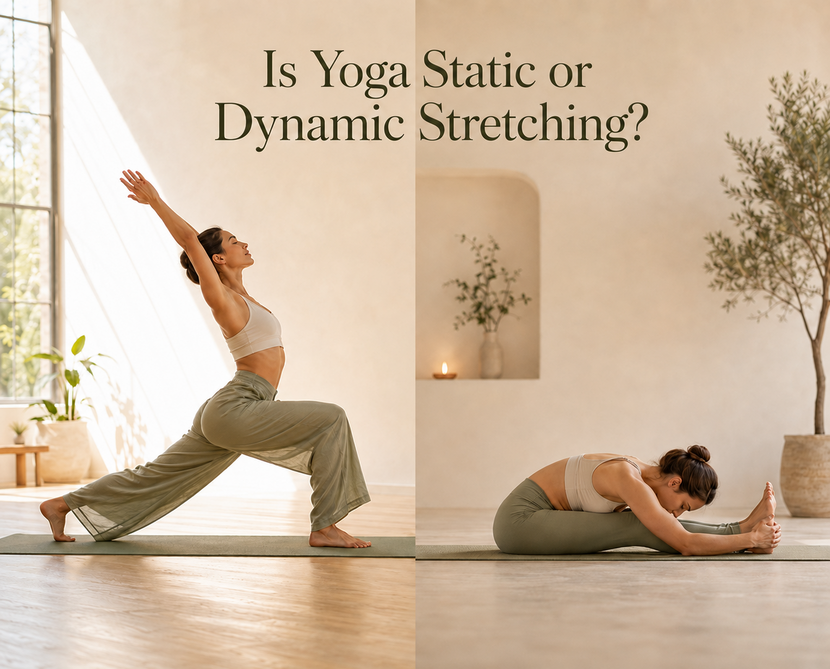
Dynamic stretching appears in active yoga styles such as Vinyasa and Ashtanga, where flowing transitions, sun salutations, and continuous movement keep the body warm and the nervous system engaged. Static stretching defines Yin, Restorative, and cool-down phases, where long-held poses allow muscles and fascia to gradually release and lengthen. Most yoga sessions — even those that lean heavily one way — draw on both approaches at different points. Understanding how yoga compares to static and dynamic stretching in isolation is the first step toward structuring your sessions more effectively, which is exactly what the detailed comparison below covers.
What is the difference between dynamic and static stretching in yoga?
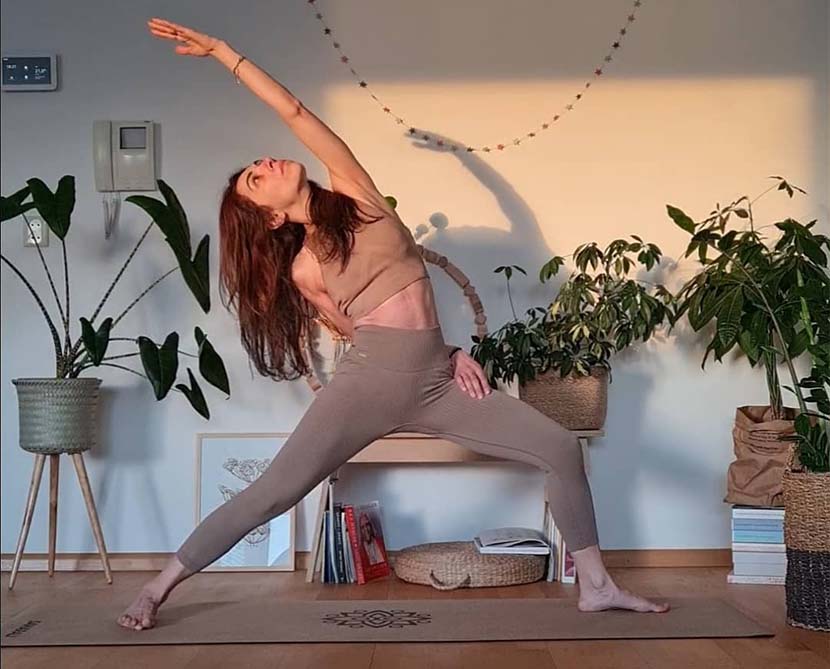
Dynamic stretching uses controlled, flowing movements that take your muscles and joints through their natural range of motion. Static stretching involves holding specific poses in one position for 15–60 seconds. The core difference is movement versus stillness.
Dynamic stretches warm up your muscles through repetitive motion — think gentle leg swings, arm circles, or flowing cat–cow movements. These increase blood circulation, raise your core body temperature, and prime your nervous system for more intense activity. Your muscles respond by becoming more pliable and ready for action.
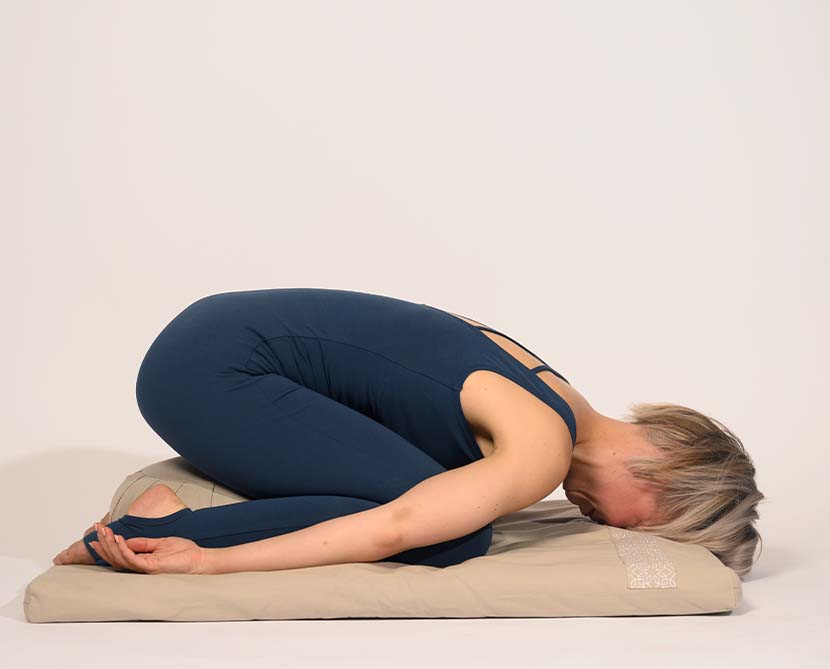
Static stretches focus on lengthening muscles while they are in a relaxed state. When you hold a forward fold or seated spinal twist, you allow your muscle fibers to gradually release tension and extend. This signals to your nervous system that it is time to wind down and promotes lasting flexibility over time.
The physiological mechanisms also differ. Dynamic stretching activates your muscles’ stretch reflex in a controlled way, teaching them to move efficiently through their full range. Static stretching works by gradually overriding the stretch reflex, allowing muscles to relax into deeper positions.
| Attribute | Dynamic Stretching | Static Stretching |
|---|---|---|
| Timing in session | Start of session / warm-up | End of session / cool-down |
| Duration | 5–10 minutes of flowing movement | 15–60 second holds per pose |
| Physiological effect | Increases heart rate, blood flow, and muscle temperature | Lowers heart rate, activates parasympathetic system |
| Nervous system response | Sympathetic activation, heightened alertness | Parasympathetic activation, relaxation |
| Primary goal | Prepare muscles for activity | Improve flexibility and promote recovery |
| Example yoga poses | Cat-cow, leg swings, hip circles | Pigeon pose, forward fold, seated twist |
| Best for | Pre-practice warm-up | Cool-down and rest days |
| Caution | Avoid jerky or ballistic movements | Avoid on cold muscles or acute injuries |
When should you use dynamic versus static stretching in your yoga practice?
Use dynamic stretching at the beginning of your practice to prepare your body for movement, and save static stretching for the end when you want to deepen flexibility and promote relaxation. This timing aligns with how your body naturally responds to different types of movement.
Here is how to apply each type at the right moment in your session:
- Pre-practice warm-up (5–10 minutes): Dynamic movements like gentle spinal waves, shoulder rolls, and hip circles help transition your body from daily activities into yoga mode.
- During flow sequences: Combine dynamic movement with brief static holds — as seen in sun salutations — to maintain warmth while exploring deeper positions.
- Cool-down period (10–15 minutes): Longer static holds of 1–3 minutes allow warmed muscles to release and your nervous system to shift into rest mode.
- Goal-specific timing: Emphasize dynamic movements before active days, or focus on static holds before bedtime for stress relief.
Your muscles need gradual preparation through dynamic movement to perform safely during challenging poses, and they are most receptive to deeper lengthening after they have been properly warmed. Matching your stretching approach to your intended outcome creates a more purposeful and effective practice — and reduces injury risk along the way.
How do dynamic and static stretches affect your body differently?
Dynamic stretches activate your nervous system and increase circulation, preparing your muscles for activity. Static stretches calm your nervous system and promote muscle lengthening through sustained tension release.
What dynamic stretching does to your body
When you perform dynamic stretches, your heart rate rises slightly and blood flow to your muscles improves. This increased circulation delivers oxygen and nutrients while clearing metabolic waste. Your nervous system becomes more alert and coordinated, improving your ability to move efficiently and react quickly.
Dynamic movements also stimulate synovial fluid production in your joints — a natural lubricant that helps joints move more smoothly and reduces friction during activity. Your proprioception (body awareness) improves as well, supporting better balance and control throughout your practice.
What static stretching does to your body
Static stretches have the opposite effect on your nervous system. They activate the parasympathetic nervous system, which promotes relaxation and recovery. Your heart rate typically decreases, and your breathing naturally deepens — a physiological shift that helps reduce stress hormones and supports better sleep quality.
From a flexibility standpoint, static stretching creates lasting changes in muscle length by affecting the viscoelastic properties of your muscle tissue. The sustained stretch allows muscle fibers and surrounding fascia to gradually release and lengthen, leading to improved range of motion over time.
Is dynamic or static stretching better for yoga?
Both types are essential — neither is universally superior. The right choice depends on timing, your goal for that session, and your current physical state. Framing this as a competition misses the point: dynamic and static stretching serve fundamentally different purposes within a yoga practice, and each is most effective when used at the right moment.
One important nuance worth understanding is the effect of static stretching before vigorous activity. Exercise science research indicates that performing extended static holds before high-intensity movement can temporarily reduce muscle power output and reaction speed. This is precisely why dynamic stretching is recommended before an active Vinyasa or Ashtanga session, while static stretching is reserved for cool-down. Rather than asking which type is better, the more useful question is: which is appropriate for this moment in my session?
Pros and cons of dynamic vs static stretching for yoga practitioners
Dynamic stretching — pros and cons
Pros:
- Increases blood flow and muscle temperature before practice, reducing the risk of strain during active sequences
- Activates the nervous system for better coordination and movement efficiency
- Improves joint lubrication and proprioception, supporting balance and body awareness
Cons:
- Less effective for building long-term flexibility on its own compared to sustained static holds
- May be challenging for practitioners with limited range of motion or acute injuries
- Requires more coordination and body awareness than static holds, which can feel demanding for beginners
Static stretching — pros and cons
Pros:
- Creates lasting improvements in muscle length and fascia flexibility over time
- Activates the parasympathetic nervous system, supporting recovery and stress relief
- Accessible for all levels when performed after a proper warm-up
Cons:
- Research suggests it can temporarily reduce muscle power and reaction speed when performed before vigorous activity
- Risk of overstretching if holds are too long or performed on cold muscles
- Not appropriate for acute injuries or inflamed tissue
The best dynamic and static stretching techniques for yoga practitioners
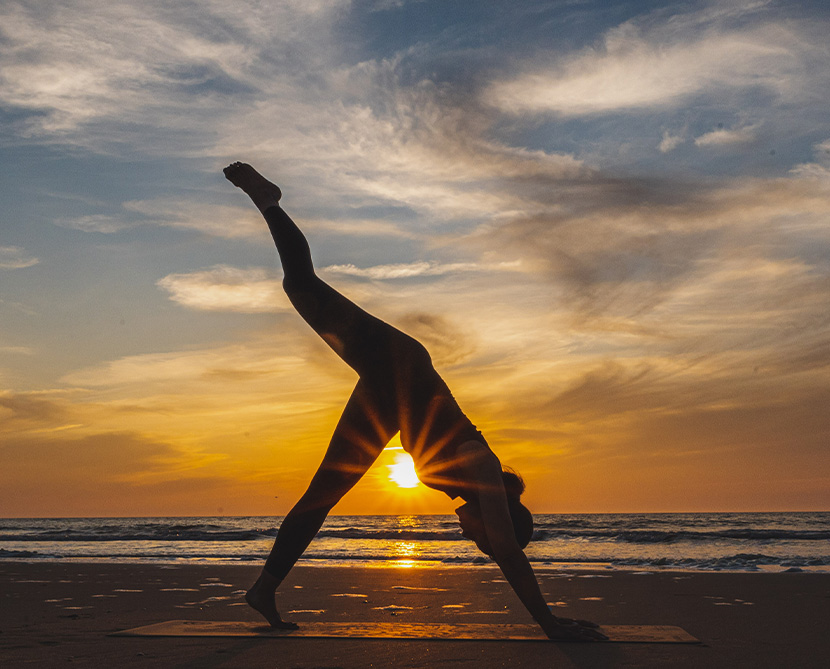
Effective dynamic stretches include leg swings, arm circles, and gentle spinal movements, while beneficial static stretches encompass forward folds, hip openers, and seated twists. Choose movements that target the areas you will be working during your main practice.
Dynamic stretches for warm-up
- Spinal movements: Cat-cow poses and gentle spinal waves warm your entire vertebral column and surrounding muscles.
- Hip preparation: Leg swings (front-to-back and side-to-side) and hip circles in table pose prepare your lower body for standing poses and hip openers.
- Shoulder mobility: Arm circles in both directions and shoulder shrugs release upper body tension and prepare for weight-bearing poses like downward dog.
- Full-body integration: Standing forward folds with gentle swaying combine multiple muscle groups while allowing natural arm movement.
Static stretches for cool-down
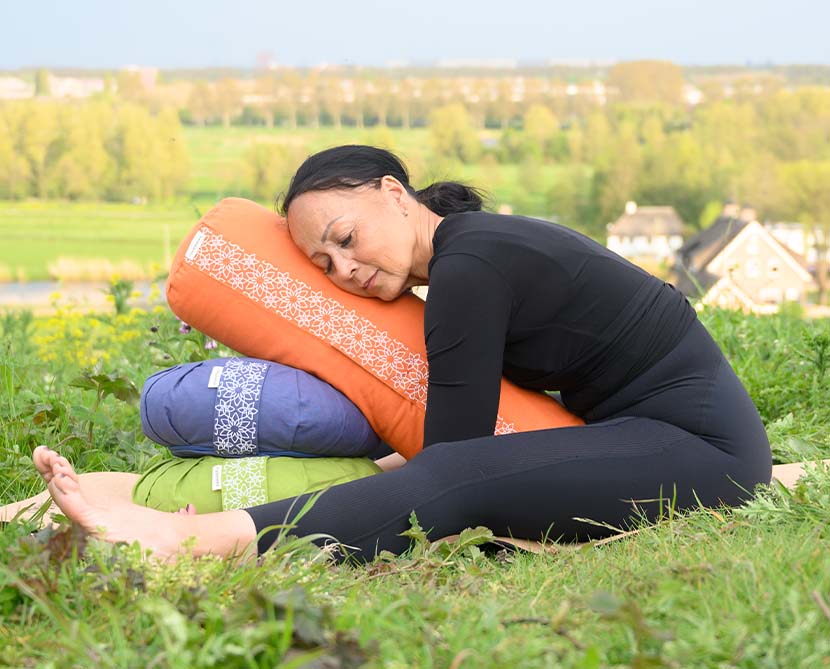
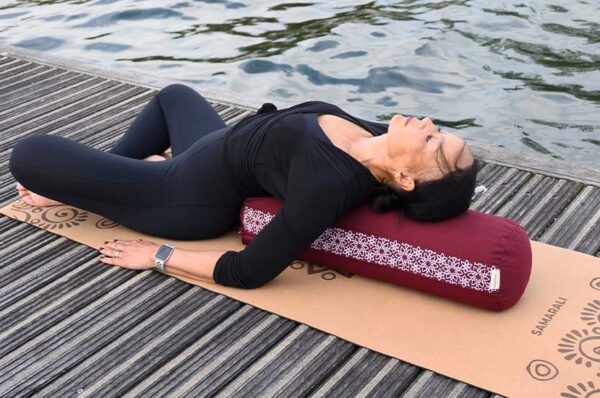
For the cool-down, focus on poses that target major muscle groups and promote deep relaxation. Forward folds stretch your hamstrings and calves while calming your nervous system. Pigeon pose opens your hips and releases tension in your glutes and hip flexors. Seated spinal twists improve spinal mobility while encouraging a sense of calm. These sustained holds work together to build lasting flexibility while transitioning your body and mind into rest and recovery.
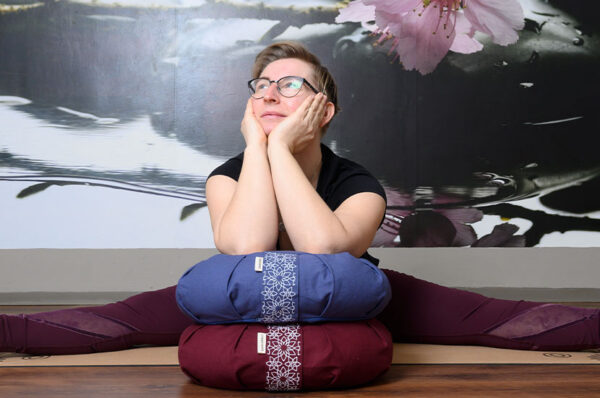
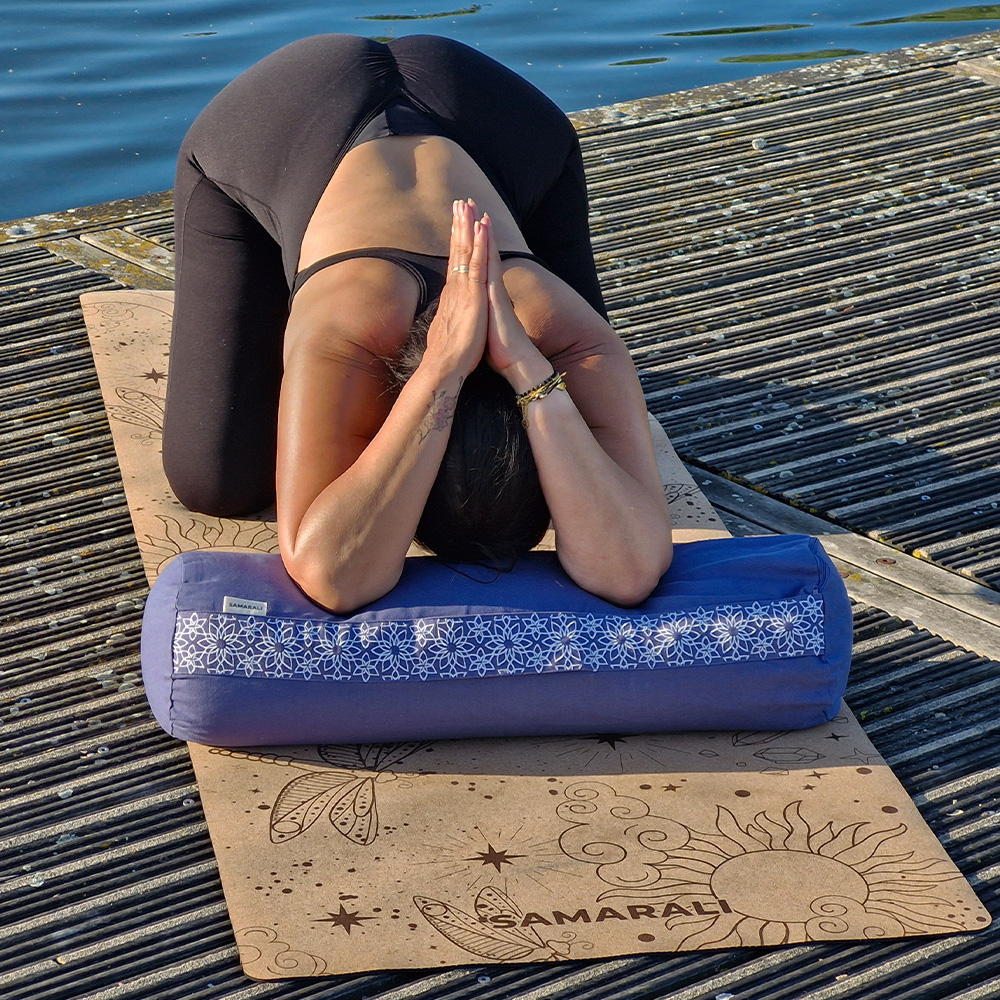
Quality props can make a meaningful difference here. Yoga bolsters help you maintain proper alignment during static holds, making stretches more effective and comfortable. A supportive yoga mat provides the stability you need for both dynamic movements and sustained poses — and we offer both made from sustainable, natural materials.
How often should yoga practitioners use dynamic and static stretching?
Exercise science broadly supports structured stretching at least two to three times per week for measurable flexibility gains. For yoga practitioners, frequency is best tied to how often you are already on the mat — if you attend regular sessions, you are likely accumulating meaningful stretching volume without needing a separate routine.
Here is how to think about frequency based on your weekly practice schedule:
- 2 sessions per week: Use dynamic stretching at the start of every session and static stretching at the end. Consistency at this frequency is enough to produce gradual flexibility improvements over several weeks.
- 3–4 sessions per week: Consider dedicating one session entirely to Yin or Restorative yoga, which focuses on long-hold static stretching. This provides targeted recovery and deeper fascia work alongside your more active sessions.
- Daily practitioners: Alternate between dynamic-focused sessions (such as Vinyasa in the morning) and static-focused sessions (such as Yin or Restorative in the evening) to avoid overstretching and allow adequate tissue recovery.
Consistency matters more than session length. Even 10 minutes of intentional static stretching at the end of each practice — performed on warm muscles — produces cumulative flexibility gains over time. Building that habit reliably across weeks will outperform occasional longer sessions done irregularly.
Frequently asked questions about dynamic and static stretching in yoga
How long should you hold a static stretch?
Most exercise science recommendations suggest holding static stretches for 15–60 seconds per position, with 30 seconds being the most commonly recommended duration for flexibility gains. Advanced practitioners targeting deep fascia release in Yin yoga may hold poses for 2–5 minutes, allowing connective tissue more time to respond to the sustained load.
Can you do static stretching every day?
Yes, daily static stretching is generally safe when performed on warmed muscles and within a comfortable range of motion. Avoid deep static holds on fatigued or acutely sore muscles, and listen to your body — discomfort that sharpens rather than eases during a hold is a signal to back off.
Is dynamic stretching better than static for flexibility?
Static stretching produces greater long-term improvements in muscle length and flexibility. Dynamic stretching improves functional range of motion and movement efficiency. Both are valuable — just for different goals. If building flexibility is your primary aim, prioritize consistent static stretching after each session.
Can beginners do dynamic stretching?
Yes — beginners should start with slow, small-range movements and gradually increase their range over several sessions. Avoid fast or ballistic movements until body awareness and control have improved. Gentle cat-cow, shoulder rolls, and small hip circles are excellent starting points that are accessible at any level.
Should you stretch before or after yoga?
Dynamic stretching is ideal before yoga — it raises muscle temperature, improves circulation, and primes your nervous system for movement. Static stretching is most effective after yoga, when muscles are fully warm and most receptive to lengthening. Reversing this order — particularly performing long static holds before vigorous activity — can temporarily reduce muscle power output.
Understanding the difference between dynamic and static stretching helps you create more effective yoga sessions. Use dynamic movements to prepare your body for practice and static holds to deepen flexibility and promote relaxation. This balanced approach supports both your physical development and overall well-being, creating a sustainable practice that serves you long term.
Browse our collection of thoughtfully crafted sustainable yoga essentials — designed for mindful movement and made with respect for the planet.