


Choosing the right yoga mat depends on your practice style, preferred materials, and personal comfort needs. Consider factors such as thickness for joint support, grip for stability, and material sustainability. Different yoga styles require specific mat characteristics, from extra grip for hot yoga to cushioning for restorative practices. This guide addresses the most common questions about selecting and maintaining your ideal yoga mats.
What factors should you consider when choosing your first yoga mat?
When selecting your first yoga mat, several key factors will determine your comfort, safety, and overall practice experience:
- Thickness (3-6mm) – Thicker mats provide more joint cushioning for sensitive knees and hard floors, while thinner options offer better stability for standing poses and balance work
- Material composition – Natural rubber, cork, TPE, and PVC each offer different grip levels, durability, and environmental impact considerations
- Size dimensions – Standard 68-inch mats work for most practitioners, but taller individuals may need 84-inch options for full coverage during poses
- Grip performance – Test how the surface feels under hands and feet, especially when slightly damp, as some materials improve with moisture while others become slippery
- Weight and portability – Consider whether you’ll travel with your mat or primarily practice at home, as this affects material and thickness preferences
The ideal mat balances these factors based on your specific needs and practice environment. Beginners often find 4-5mm mats provide the perfect compromise between cushioning and stability, while the material choice depends on personal values regarding sustainability, budget, and performance requirements. Testing different options when possible helps ensure your investment supports rather than hinders your yoga journey.
How does your yoga practice style influence mat selection?
Your specific yoga practice style significantly impacts which mat characteristics will best support your sessions:
- Dynamic practices (Vinyasa, Power Yoga) – Require superior grip and durability to handle frequent transitions, heat generation, and regular washing from increased perspiration
- Gentle practices (Hatha, Yin, Restorative) – Benefit from thicker, more cushioned mats since balance challenges are minimal and comfort during longer-held poses becomes priority
- Hot yoga styles (Bikram, heated Vinyasa) – Need materials specifically designed for high-moisture conditions that maintain or improve grip when wet
- Traditional Ashtanga – Works best with thinner mats offering excellent grip for jumping transitions and precise alignment work
- Alignment-focused practices (Iyengar) – May require firmer surfaces and clear visual markers for precise positioning and prop integration
Understanding your primary practice style helps narrow down the overwhelming array of options available. If you practice multiple styles, consider which represents the majority of your sessions or invest in a versatile mid-range option that performs adequately across different approaches. The right mat becomes an extension of your practice, supporting rather than distracting from your focus and flow.
What’s the difference between natural and synthetic yoga mat materials?
The choice between natural and synthetic materials involves weighing environmental impact, performance characteristics, and personal sensitivities:
- Natural rubber – Provides excellent grip and durability with biodegradable benefits, but may trigger latex allergies and typically costs more than synthetic options
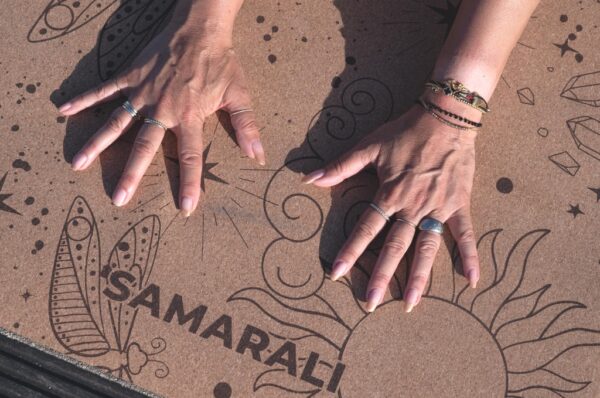
- Cork surfaces – Naturally resist bacteria and odors while improving grip with moisture, offering sustainability with a firmer feel than cushioned alternatives
- Jute construction – Delivers unique organic texture and eco-friendliness, though usually requires rubber backing for adequate grip and stability
- TPE (thermoplastic elastomer) – Balances recyclability with performance, providing good cushioning and grip without latex concerns at moderate price points
- PVC materials – Offer affordability, durability, and easy maintenance despite environmental drawbacks, making them popular for studio use and budget-conscious practitioners
Material selection ultimately reflects your priorities regarding environmental responsibility, budget constraints, and performance needs. Natural options generally cost more initially but may align better with yoga’s philosophical emphasis on environmental awareness. Synthetic materials can provide specific performance benefits and accessibility for practitioners with allergies or budget limitations. Consider the entire lifecycle of your mat, from production methods to eventual disposal, when making this important decision.
How do you know when it’s time to replace your yoga mat?
Several clear indicators signal when your yoga mat has reached the end of its useful life:
- Grip deterioration – Slipping during previously comfortable poses or smooth, worn surface texture that compromises safety during practice
- Visible structural damage – Thinning areas, cracks, or permanent indentations where hands and feet regularly contact the mat surface
- Persistent hygiene issues – Odors that remain despite regular cleaning, indicating bacterial growth within the mat material
- Reduced cushioning – Compressed areas that no longer provide adequate joint support, especially noticeable during floor poses
- Cleaning difficulties – Surface that no longer responds to normal cleaning methods or takes excessively long to dry completely
Most quality mats last 1-2 years with regular use, though practice frequency and intensity significantly impact longevity. You can extend your mat’s lifespan through proper care including regular cleaning with appropriate solutions, complete drying between uses, and proper storage away from heat and direct sunlight. However, safety should always take priority over extending mat life, as a compromised surface can lead to injury during practice.
When choosing sustainable yoga equipment, consider the entire lifecycle from materials to disposal. We focus on creating yoga accessories that support both your practice and environmental responsibility. Our sustainable approach includes using organic cotton in all our yoga and meditation gear, with completely plastic-free packaging that reflects our commitment to mindful manufacturing and planetary wellness.
Browse our selection of thoughtfully crafted collection of sustainable yoga essentials—designed for mindful movement and made with respect for the planet.