


The best meditation set for beginners includes a meditation cushion (zafu), a supportive mat, and a blanket. These three essentials give you a stable, comfortable foundation so you can focus on your breath instead of aching knees or a cold floor. The right combination depends on your body, your preferred sitting position, and how long you plan to sit. Below, we answer the most common questions beginners ask when choosing their first meditation set.
What should a beginner meditation set include?
A beginner meditation set should include a cushion for seated support, a mat to define and cushion your practice space, and a blanket for warmth and extra padding. These three items cover the meditation basics for most beginners and work together to reduce physical discomfort so your attention stays on the practice itself.
Here is what each item contributes:
- Meditation cushion (zafu): Elevates your hips above your knees, which reduces lower back strain and makes cross-legged sitting sustainable for longer periods.
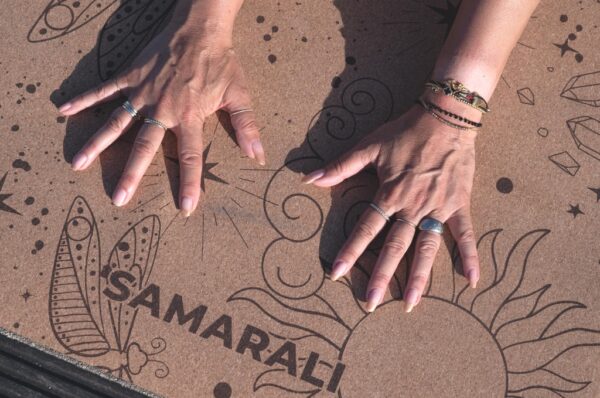
- Meditation mat: Provides a defined, cushioned surface beneath you. A dedicated meditation mat is thinner and firmer than a yoga mat, offering just enough padding without sinking.
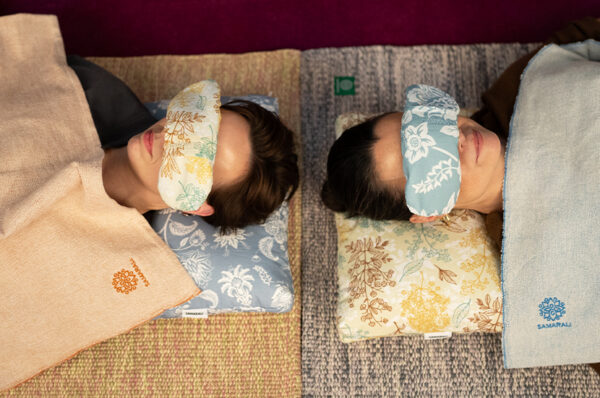
- Blanket: Drapes over your shoulders or legs to keep you warm during stillness, and can also be folded under your knees for extra support.
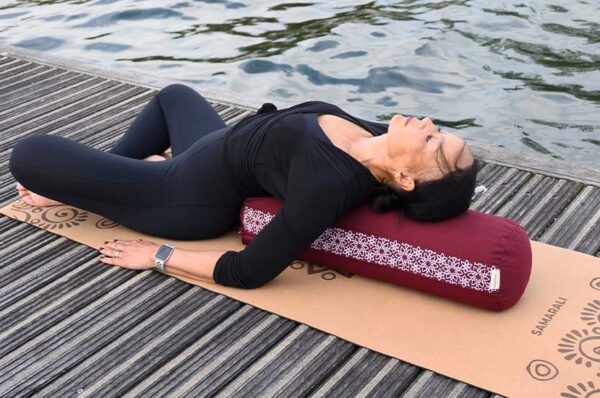
As your practice grows, you might add a bolster for restorative postures or a neck pillow for body scan meditations. But for day one, the cushion, mat, and blanket trio is all you need to start sitting comfortably and consistently.
What’s the difference between a meditation cushion and a meditation bench?
A meditation cushion supports cross-legged or lotus-style sitting on the floor, while a meditation bench is designed for kneeling postures where your legs fold beneath you. The key distinction is posture: cushions work best for people with flexible hips, while benches suit those who find kneeling more natural or comfortable.
Meditation cushion
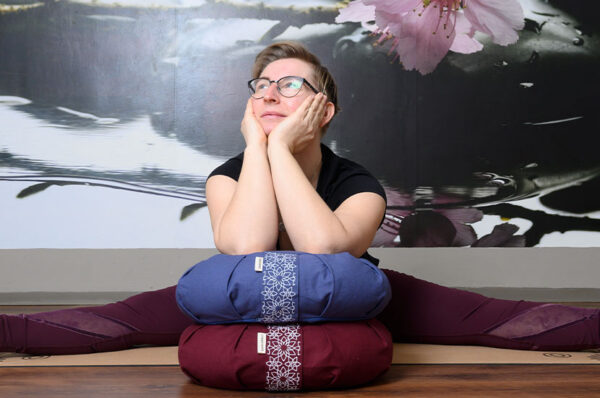
Cushions, or zafus, are typically round or crescent-shaped and filled with buckwheat, kapok, or sustainable natural fibres. They tilt the pelvis forward slightly, encouraging an upright spine without forcing the lower back to work hard. Most beginners start here because cross-legged sitting feels familiar, and the cushion is versatile enough for multiple seated positions.
Meditation bench
A meditation bench, or seiza bench, is a small angled stool you kneel over. Your shins rest on the mat, your weight settles onto the bench, and your spine naturally lengthens. Benches are ideal for people with tight hips or knee discomfort in cross-legged positions. They tend to have a steeper learning curve for balance, but are genuinely comfortable once you find your alignment.
Neither option is objectively better. The right choice comes down to your anatomy and which posture you can hold without fidgeting. Many practitioners eventually own both.
How do you choose a meditation set that matches your practice style?
Choose a meditation set based on three factors: your preferred sitting posture, the length of your sessions, and whether you meditate as a standalone practice or alongside yoga. Matching your gear to your actual habits means you will use it consistently rather than letting it gather dust.
Consider the following when making your choice:
- Sitting style: If you sit cross-legged, prioritise a well-filled cushion with firm support. If you kneel, look for a bench or a bolster you can straddle.
- Session length: Shorter sessions of five to fifteen minutes need less padding. Longer sits of thirty minutes or more benefit from a higher-quality cushion and a blanket to manage body temperature.
- Combined yoga and meditation practice: If you move from yoga into seated meditation, a set that pairs a mat with cushion support keeps your transition seamless. Our meditation sets are designed with exactly this flow in mind.
- Storage and portability: If you travel or attend classes, lighter materials and a compact cushion make a real difference.
The most important thing is to choose a set you will actually sit on. A comfortable, well-matched setup removes the friction between intention and practice, which matters far more than any specific feature.
Are sustainable materials better for meditation accessories?
Sustainable materials are genuinely better for meditation accessories, both for the environment and for your practice. Natural fibres like organic cotton, buckwheat hulls, and natural rubber are breathable, durable, and free from the synthetic off-gassing that can make a practice space feel less clean. For a mindfulness practice rooted in awareness, the materials around you matter.
Here is why natural, sustainable materials perform well in meditation gear:
- Breathability: Organic cotton and natural kapok regulate temperature more effectively than synthetic fills, keeping you comfortable during longer sits.
- Durability: Natural rubber bases and tightly woven cotton covers hold their shape over years of use, making sustainable products a sound long-term investment.
- Sensory neutrality: Synthetic materials can carry chemical smells that are distracting during meditation. Natural fibres are odour-neutral, which supports a calm environment.
- Ethical alignment: For many practitioners, using products made with care for the planet reinforces the values that draw them to meditation in the first place. There is a real coherence in sitting on a cushion that was made with the same intentionality you bring to your practice.
When you are browsing meditation cushions, look for certified organic fills, natural covers, and transparent sourcing. These details signal a product built to last and made without unnecessary environmental cost. For beginners especially, starting with quality sustainable materials means you are less likely to replace gear as your practice deepens.
Frequently Asked Questions
How do I know if my meditation cushion is the right height for me?
A cushion is the right height when your hips sit noticeably higher than your knees and your lower back can maintain a natural curve without straining. A simple test: sit on the cushion and check whether your pelvis tilts slightly forward rather than tucking under. If your knees still float above your hips or your back rounds immediately, try a firmer or taller cushion, or fold a blanket on top to add temporary height while you find your ideal fit.
Can I use a yoga mat instead of a dedicated meditation mat?
You can use a yoga mat in a pinch, but a dedicated meditation mat will serve you better for seated practice. Yoga mats are designed for dynamic movement and tend to be too soft and grippy, which can cause your cushion to shift and your ankles to sink uncomfortably. A meditation mat is thinner, firmer, and sized to define a seated space rather than a full-body practice area, making it a more stable and intentional foundation for sitting.
How long should a beginner meditate when first starting out?
Most beginners do best starting with just five to ten minutes per session and building gradually from there. Consistency matters far more than duration in the early stages — sitting for ten minutes every day will build the habit faster than one long session per week. Once sitting for ten minutes feels natural and comfortable with your setup, incrementally add five minutes every one to two weeks until you reach your target session length.
What's the best way to care for and maintain a meditation cushion?
Most meditation cushions have removable, machine-washable covers that should be washed every few weeks, especially if you practice daily. The inner fill — whether buckwheat or kapok — should be aired out periodically by placing the cushion in indirect sunlight for an hour or two, which also helps prevent moisture buildup and odours. Buckwheat-filled cushions can be topped up with additional hulls over time if the cushion compresses and loses its supportive height.
What if I find cross-legged sitting uncomfortable even with a cushion?
Discomfort in cross-legged sitting is extremely common for beginners and doesn’t mean you’re doing anything wrong — it simply means that posture may not suit your current hip flexibility. Try sitting on the edge of the cushion rather than the centre, which increases the forward pelvic tilt, or experiment with a Burmese position where both legs rest flat on the mat rather than stacking. If neither works, a meditation bench for kneeling or even a firm chair with your feet flat on the floor are completely valid alternatives that support just as effective a practice.
Is it worth investing in a full meditation set as a beginner, or should I start with just one item?
Starting with a full set is worth the investment if you’re committed to building a regular practice, because the cushion, mat, and blanket work together as a system — each item compensates for what the others don’t provide. That said, if you want to test the waters first, prioritise the cushion as your single most impactful purchase, since proper seated support is the biggest factor in whether sitting feels sustainable. You can always add a mat and blanket once you know the practice is sticking.
How do I create a consistent meditation space at home with minimal equipment?
A consistent meditation space doesn’t require a dedicated room — a corner of a bedroom or living area works perfectly as long as it’s used exclusively for practice. Roll out your mat, place your cushion on it, and keep your blanket folded nearby so the setup is always ready and acts as a visual cue to sit. Adding one or two simple, calming elements such as a candle, a small plant, or a meaningful object can help signal to your mind that it’s time to settle, reinforcing the habit without cluttering the space.
Ready to build your own meditation practice on a solid foundation? At Samarali, you will find everything you need to sit with comfort and intention. Explore our meditation cushions filled with natural materials, our dedicated meditation mat designed for stable seated practice, and our complete meditation sets that bring cushion, mat, and blanket together in one thoughtfully curated package. Each piece is made with sustainable, natural materials that align with the values you bring to your practice. Shop the full meditation collection at Samarali and find the setup that feels right for you.