


A sustainable meditation cushion is a cushion designed and manufactured with materials and processes that minimize environmental harm, from the filling inside to the fabric on the outside. Unlike conventional cushions that often rely on synthetic foams and petroleum-based fabrics, sustainable versions use natural, organic, or recycled materials that are kinder to the planet. Below, we answer the most common questions about what makes these cushions different and how to find the right one for your practice.
What materials make a meditation cushion sustainable?
A meditation cushion is considered sustainable when its core materials come from natural, organic, or responsibly sourced origins. The most common eco-friendly fillings include buckwheat hulls, kapok fiber, and organic cotton, all of which are biodegradable and harvested with a low environmental footprint. The outer cover is typically made from organic cotton, hemp, or recycled fabric certified free from harmful chemicals.
Each material brings its own benefits to your practice. Buckwheat hulls are a popular filling because they conform to the shape of your body, offering firm and adjustable support. Kapok is a natural fiber harvested from the seed pods of the kapok tree, making it a fully plant-based, lightweight alternative to synthetic foam. Organic cotton, used both as filling and as cover fabric, is grown without synthetic pesticides or fertilizers, which protects soil health and reduces water pollution.
What ties these materials together is the absence of synthetic chemicals, plastic-based foams, and virgin polyester. When a cushion uses certified organic or natural materials throughout, you can sit with confidence knowing your practice is not contributing to unnecessary waste or toxic production processes.
How is a sustainable meditation cushion made differently?
A sustainable meditation cushion is made differently at every stage of production, from raw material sourcing through to packaging. Ethical manufacturing means fair labor conditions, lower-impact dyeing processes, and a supply chain that prioritizes transparency. Many sustainable brands, including us at Samarali, also use minimal or plastic-free packaging to reduce waste at the point of delivery.
The production process for a conventional cushion often relies on synthetic foam injection, chemical-heavy fabric treatments, and long, opaque supply chains. A sustainable approach replaces these with natural filling materials that require far less energy to process, organic fabrics that skip harmful chemical finishing, and manufacturing partners who meet recognized environmental and social standards.
Certification plays an important role here. Look for cushions made with GOTS-certified organic cotton, OEKO-TEX-certified fabrics, or fillings with verified sourcing. These certifications are not just labels; they represent independently audited commitments to cleaner production. When a cushion carries these markers, the claim of sustainability has been verified rather than simply stated.
Does a sustainable cushion support your practice as well as a conventional one?
Yes, a sustainable meditation cushion supports your practice just as effectively as a conventional one, and in many cases better. Natural fillings like buckwheat hulls provide firm, moldable support that holds its shape during long sits, while kapok offers a softer lift that works well for gentler postures. The key is matching the filling type and cushion shape to your body and preferred sitting position.
One of the most common concerns among practitioners exploring meditation cushions for the first time is whether natural materials will compress too quickly or feel less supportive than foam. In practice, buckwheat hull cushions are often preferred by experienced meditators precisely because they do not bounce back like foam. They stay where you place them, which creates a stable and grounding seat.
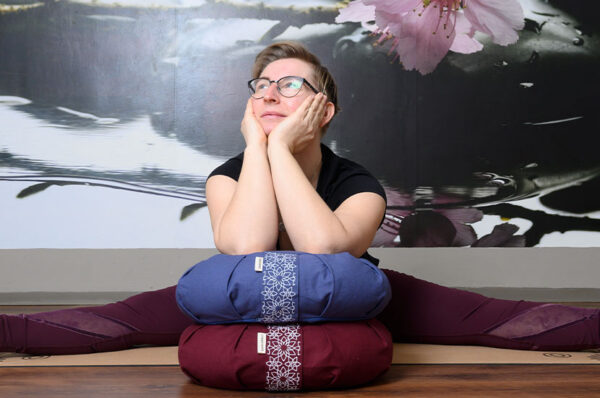
The shape of the cushion matters as much as the filling. Round zafu cushions elevate the hips and encourage a natural forward tilt of the pelvis, which reduces lower back strain during seated meditation. Crescent-shaped cushions support the knees and thighs more directly. Both styles are widely available in sustainable versions, so you do not need to compromise on ergonomics to make an eco-conscious choice.
How do you choose the right sustainable meditation cushion?
Choose a sustainable meditation cushion by considering your sitting posture, the firmness you need, and the materials that align with your values. Start by identifying how you typically sit: cross-legged on the floor, in a kneeling position, or supported against a wall. Each posture calls for a different cushion height and shape, and getting this right matters more for your comfort than any other factor.
Here are the key factors to weigh when making your choice:
- Filling type: Buckwheat hulls suit those who prefer firm, adjustable support. Kapok is lighter and softer, better for shorter sits or gentler practices.
- Cushion shape: A round zafu elevates the hips for cross-legged sitting. A crescent or half-moon shape cradles the thighs and knees more directly.
- Height: If your hips are tight or your knees do not comfortably reach the floor, a taller cushion will make a significant difference to your posture and comfort.
- Cover fabric: Organic cotton is breathable, durable, and easy to care for. Hemp is even more hardwearing and naturally antimicrobial.
- Certifications: Look for GOTS, OEKO-TEX, or similar third-party certifications to verify that sustainability claims are independently backed.
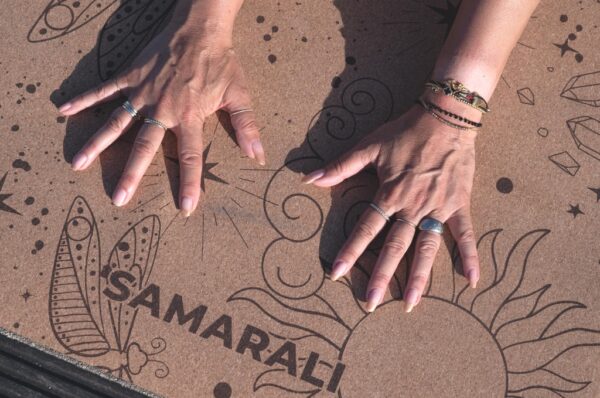
It is also worth thinking about how the cushion fits into your broader meditation practice. If you already use a meditation mat or blanket, choosing a cushion from the same material family creates a cohesive, comfortable setup. We offer meditation sets that pair cushions with complementary accessories, making it easier to build a sustainable practice space without having to research every piece individually.
Ultimately, the right sustainable meditation cushion is the one that keeps you comfortable enough to sit still, made in a way that reflects the mindful values you bring to your practice. When the materials, the craftsmanship, and the support all align, your cushion becomes more than a prop. It becomes a quiet part of your commitment to living and practicing with intention.
If you are ready to take that next step, Samarali’s meditation cushion collection is made with certified natural materials and designed to support a genuine, sustainable practice. Pair your cushion with a meditation mat for a complete and grounded setup, or explore our meditation sets to find everything you need in one place. Shop the collection now and bring intention to every part of your practice.
Frequently Asked Questions
How do I care for and clean a sustainable meditation cushion without damaging the natural materials?
Most sustainable meditation cushions come with a removable cover that can be machine washed on a gentle cycle with a mild, eco-friendly detergent. The inner filling, particularly buckwheat hulls, should never be submerged in water; instead, remove the hulls and air them out in the sun periodically to keep them fresh and prevent moisture buildup. For kapok or organic cotton fillings, spot cleaning the inner casing and allowing it to air dry fully before reassembling is the safest approach. Always check the care label on your specific cushion, as certifications like GOTS often come with manufacturer guidance on preserving the integrity of the materials.
How long does a sustainable meditation cushion typically last, and will natural fillings break down too quickly?
A well-made sustainable meditation cushion can last many years with proper care, often outlasting conventional foam-filled alternatives. Buckwheat hulls do compact gradually over time, but this is easy to address by topping up the filling, and many brands sell replacement hulls for exactly this reason. Kapok and organic cotton fillings may need occasional fluffing to maintain their loft, but they are not prone to the crumbling or off-gassing that synthetic foam can develop over time. The durability of your cushion ultimately depends more on the quality of the stitching and cover fabric than on the natural filling itself.
Are sustainable meditation cushions significantly more expensive than conventional ones, and is the price difference worth it?
Sustainable meditation cushions do tend to carry a higher upfront cost than mass-produced conventional options, largely because ethical labor practices, certified organic materials, and transparent supply chains all add to the production cost. However, the price difference is often offset by the cushion’s longevity, the ability to replace or top up fillings, and the avoidance of synthetic materials that degrade and need replacing sooner. When you factor in the long-term cost per use and the environmental value of not contributing to synthetic waste, a quality sustainable cushion is generally the more economical choice over time.
What if I have allergies — are natural fillings like buckwheat or kapok safe for sensitive users?
Buckwheat hull allergies are rare but do exist, particularly among people with known buckwheat food sensitivities, so it is worth checking before purchasing if you fall into that category. Kapok is naturally hypoallergenic and resistant to dust mites and mold, making it one of the better options for allergy-prone practitioners. Organic cotton, both as a filling and as a cover fabric, is also a low-irritant choice since it is free from the pesticide residues and chemical finishes that can trigger reactions in conventional textiles. If you are unsure, look for cushions with OEKO-TEX certification, which guarantees the fabric has been tested and found free from harmful substances.
Can I use a sustainable meditation cushion for practices other than seated meditation, like yoga or breathwork?
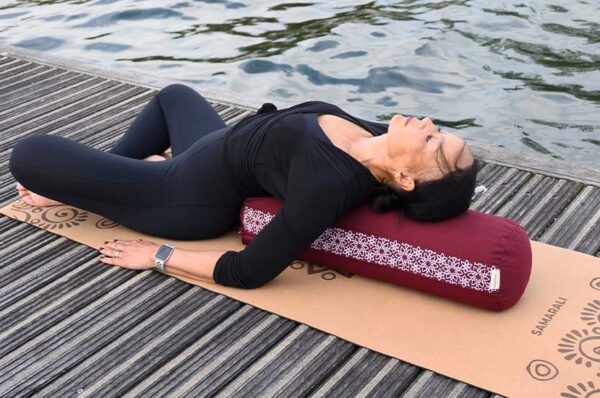
Absolutely — sustainable meditation cushions are versatile props that work well across a range of mindful movement and breathwork practices. A round zafu can be used as a bolster substitute under the knees in restorative yoga poses, while a crescent-shaped cushion provides excellent support under the lower back or hips during breathwork sessions done lying down. The firm, stable nature of buckwheat hull cushions makes them particularly useful as props in yin yoga, where you hold positions for extended periods and need consistent support. Investing in a high-quality sustainable cushion is therefore practical beyond your meditation sessions alone.
How can I verify that a brand's sustainability claims are genuine and not just greenwashing?
The most reliable way to verify sustainability claims is to look for independently audited third-party certifications such as GOTS (Global Organic Textile Standard) for organic fabrics, OEKO-TEX for chemical safety, or Fair Trade certification for ethical labor practices. Genuine sustainable brands are typically transparent about their supply chain, naming their manufacturing partners and explaining their sourcing decisions rather than using vague language like ‘eco-friendly’ or ‘natural’ without substantiation. It is also worth checking whether the brand publishes any environmental impact reports or sustainability commitments on their website, as this level of transparency is a strong indicator of authentic practice. If a brand cannot clearly answer where their materials come from or what certifications they hold, that is a red flag worth taking seriously.
What is the most common mistake people make when buying their first sustainable meditation cushion?
The most common mistake is choosing a cushion based primarily on aesthetics or price without first considering their own body proportions and sitting style. A cushion that looks beautiful but sits too low for your hip flexibility, or too high for your preferred posture, will undermine your practice regardless of how sustainably it was made. A close second is overlooking the importance of certifications and taking sustainability claims at face value, which can lead to purchasing a cushion that is marketed as natural but still contains synthetic components or was produced under questionable conditions. Taking a few minutes to assess your posture needs and verify the certifications before buying will save you from having to replace your cushion and start the research process over again.