


The most comfortable clothing for yin yoga is soft, stretchy, and non-restrictive. Because yin yoga involves holding passive poses for several minutes at a time, your clothes need to move with your body without digging in, riding up, or limiting your range of motion. Below, we cover everything from the best fabrics to the layers you should not skip.
What fabrics work best for yin yoga practice?
The best fabrics for yin yoga are natural, breathable materials like organic cotton, bamboo, and modal. These fabrics are soft against the skin, allow airflow during long holds, and move naturally with the body. Unlike synthetic performance fabrics designed for high-intensity movement, natural textiles feel gentle during the stillness and deep stretching that define yin yoga.
Here is what each fabric offers:
- Organic cotton: Soft, durable, and kind to sensitive skin — which matters when you are folded into a posture for three to five minutes at a stretch.
- Bamboo: Naturally temperature-regulating, keeping you warm when the room is cool and breathable when your body heats up during deeper work.
- Modal: Derived from beech tree fibres, modal has a silky feel and exceptional stretch. It drapes well and does not bunch or pull during forward folds or hip openers.
If you are building out a wardrobe for slower, more meditative practices, investing in pieces made from these materials will serve you well on the mat and beyond. We carry a range of yoga sets made from sustainable natural fabrics that are ideal for exactly this kind of practice.
Fabric weight: what to consider for different settings and seasons
Beyond fabric type, fabric weight matters depending on where and when you practice. The right weight keeps you comfortable throughout long, still holds — without overheating or getting cold at the wrong moment.
- Lightweight (modal and bamboo blends): Best for heated studios or warm-weather practice. These fabrics breathe well and keep the body cool without sacrificing softness.
- Mid-weight (standard organic cotton jersey): A versatile option suitable for most studio environments year-round. It provides enough warmth during passive holds without feeling heavy.
- Heavier-weight (brushed cotton or fleece-lined joggers): Ideal for home practice in winter or unheated spaces where body temperature drops quickly during long, still poses.
Should you wear loose or fitted clothing for yin yoga?
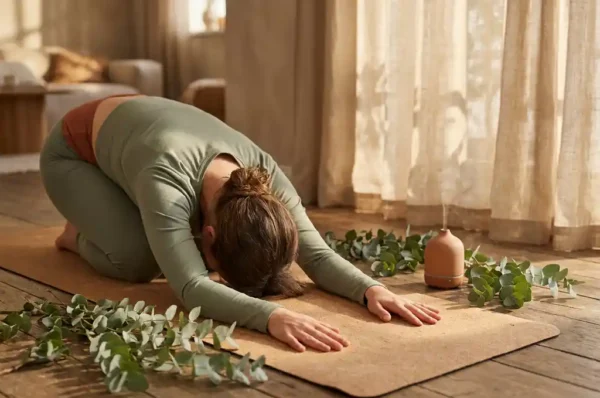
For yin yoga, a relaxed or slightly loose fit works better than tight, compressive clothing. Because you are holding poses for extended periods rather than flowing through sequences, you want fabric that does not press into your hips, waist, or joints. Overly tight waistbands or compressive leggings can become genuinely uncomfortable during long seated or reclined holds.
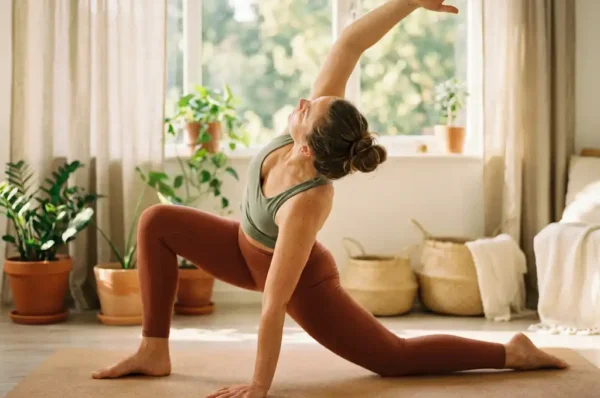
That said, extremely baggy clothing can get in the way. If fabric pools around your knees during a dragon pose or bunches under your lower back in a supported fish pose, it creates distraction rather than comfort. The sweet spot is relaxed but not oversized: think wide-leg yoga trousers, a loose long-sleeved top, or softly fitted joggers with a comfortable waistband.
For your upper body, a fitted but non-restrictive long-sleeved top or a relaxed t-shirt both work well. Avoid anything with a tight neckline or rigid collar — these can create tension around your shoulders and throat when you settle into passive stretches.
Why do you need warmer layers for yin yoga?
Yin yoga requires warmer layers because the practice is slow and still. Without generating heat through movement, your body temperature drops more quickly than it does in active styles like vinyasa or ashtanga. Being cold makes it much harder to relax into deep connective tissue release.
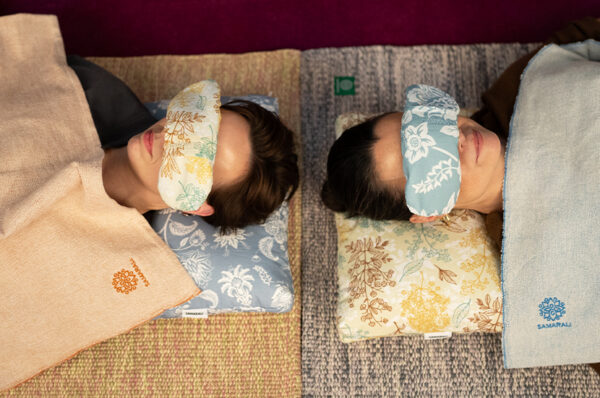
Arriving at your mat in layers is a practical strategy. A lightweight hoodie, a soft wrap, or a long-sleeved layer that you can remove if needed gives you flexibility throughout the session. Many practitioners also keep a yoga blanket nearby — both as a prop for supported poses and as a covering for the final relaxation at the end of class.
This is especially relevant during the cooler months or in studios that keep the air conditioning running. Your body needs to feel safe and warm to release tension in the fascia and deeper tissues, so do not underestimate the difference a simple extra layer makes to the quality of your practice.
Adapting your yin yoga outfit by season and setting
The right clothing combination shifts depending on where and when you practice. Here is how to adapt across the four most common contexts:
- Heated studio: A single lightweight layer is enough. Choose breathable bamboo or modal and skip the hoodie. A light layer for final relaxation is still worth having close by.
- Standard room-temperature studio: Start with a medium-weight cotton base layer and add a soft hoodie or wrap you can remove mid-session. Medium-weight cotton bottoms work well for most poses and keep you comfortable as the body cools during longer holds.
- Home practice in winter: Reach for fleece-lined joggers or a heavier wrap, and keep your socks on throughout. An unheated or lightly heated room will cool the body faster than a studio, so err on the side of more warmth rather than less.
- Warm weather or outdoor practice: Opt for wide-leg linen or lightweight cotton trousers and a loose short-sleeved top. Even so, keep a light layer nearby for the final relaxation, when stillness and dropping temperatures can catch you off guard.
What clothing should you avoid wearing to a yin yoga class?
Avoid tight, restrictive, or rough-textured clothing. Specifically, steer clear of stiff denim, high-compression athletic leggings with a firm waistband, and anything with zips, buttons, or hardware that could press into your body during floor poses. These details become significant when you are lying still for extended periods.
Here is a quick checklist of what to leave at home:
- Tight waistbands that dig in during seated forward folds or supine twists
- Rough or scratchy fabrics that irritate skin during long holds on the floor
- Very short shorts that ride up and require constant readjusting
- Stiff or non-stretch fabrics like denim or canvas that limit hip and leg mobility
- Clothing with hardware such as zips, studs, or metal clasps that press into the body
- Slippery fabrics that cause you to slide on your mat during grounded poses
It is also worth avoiding very thin layers if your studio tends to run cool. Comfort in yin yoga is not just about freedom of movement — it is about creating the conditions for genuine stillness and release. Choosing clothing thoughtfully before class means one less distraction once you are on the mat.
How does yin yoga clothing differ from other yoga styles?
Yin yoga has more specific clothing requirements than most people expect. The combination of stillness, floor-based poses, and long holds creates a very different set of demands compared to other yoga styles. Understanding those differences helps you make smarter choices whether you practice one style or several.
- Yin yoga: Soft natural fabrics are strongly preferred. A relaxed fit is essential, warm layers are non-negotiable, and compression should be avoided. Any source of physical discomfort becomes amplified over a three-to-five-minute hold.
- Vinyasa: Moisture-wicking synthetics are entirely acceptable. A fitted or mid-compression fit works well because you are moving continuously and generating heat. Breathability is the primary concern rather than warmth.
- Hot yoga: Lightweight and minimal is the guiding principle. Moisture-wicking synthetic fabrics are preferred, and heavy layers have no place in a heated room. The goal is to stay cool and dry rather than warm.
- Restorative yoga: The clothing needs are similar to yin yoga, but even warmer layers are recommended since restorative practice is typically slower and more supported. Props like bolsters and blankets supplement clothing, but a cosy base layer is still important.
Of the four styles, yin yoga has the most specific clothing requirements — precisely because its emphasis on stillness and deep connective tissue release leaves no room for distraction from ill-fitting or inappropriate clothing.
The good news is that clothing chosen for yin yoga rarely stays on the mat. Soft, natural-fabric pieces in relaxed cuts are equally at home during meditation sessions, restorative classes, slow mornings at home, or long-haul travel — making them one of the most versatile investments in a mindful wardrobe.
We have put together a collection of pieces designed with exactly this kind of everyday comfort in mind. Browse our yoga sets made from soft, natural fabrics, wrap yourself in our organic cotton yoga blanket for warmth during long holds, or explore our full yoga collection to find pieces designed for comfort, stillness, and mindful movement — each made from natural fabrics that feel as good off the mat as on it. Shop now and create the conditions for your best practice yet.
Frequently Asked Questions
Can I wear the same clothes for yin yoga as I do for other yoga styles like vinyasa or hot yoga?
Not always. Clothes designed for high-intensity or heated practices are often made from moisture-wicking synthetic fabrics and tight compression fits, which can feel restrictive and uncomfortable during yin yoga’s long, passive holds. For yin, you are better served by softer, more relaxed pieces made from natural fabrics like cotton, bamboo, or modal. If you only have activewear designed for dynamic styles, opt for the least compressive pieces in your wardrobe and add a warm layer on top.
What should I wear for yin yoga if I tend to run cold during practice?
If you tend to get cold easily, layering is your best strategy. Start with a soft, fitted long-sleeved base layer, add a loose hoodie or wrap you can remove mid-session if needed, and always bring a yoga blanket to drape over yourself during floor poses and final relaxation. Wearing warm, non-restrictive socks is also a great option for yin yoga since the practice is done barefoot but without the grip demands of more active styles.
Are there specific clothing recommendations for beginners attending their first yin yoga class?
For your first yin class, keep it simple: choose the softest, most comfortable outfit you own that allows full range of motion in your hips and legs. A pair of relaxed joggers or wide-leg yoga trousers paired with a long-sleeved cotton top is an ideal starting point. Bring an extra layer regardless of the season, since most beginners are surprised by how cool the body gets during a slow, still practice.
How do I know if my waistband is too tight for yin yoga?
A simple test is to sit on the floor in a cross-legged position and then fold forward for 30 to 60 seconds. If you notice the waistband digging into your abdomen, lower back, or hips within that short time, it will almost certainly become uncomfortable during a three-to-five-minute yin hold. Look for trousers or leggings with a wide, soft waistband, a drawstring tie, or a foldover waist that sits gently on the body without gripping.
Is it worth investing in specific yin yoga clothing, or can I just use what I already have?
You do not need to buy an entirely new wardrobe to practice yin yoga comfortably. Start by reviewing what you already own and selecting the softest, most relaxed-fitting pieces that meet the fabric and fit guidelines above. That said, if you plan to practice regularly, investing in one or two quality pieces made from natural fabrics like organic cotton or bamboo is worthwhile, as they tend to feel noticeably better during long holds and last well over time.
Can clothing choices actually affect the quality of my yin yoga practice?
Yes, more than most people expect. Yin yoga requires genuine physical and mental stillness, and any source of discomfort — a digging waistband, a bunching fabric, a cold body — becomes a persistent distraction that prevents you from fully surrendering into poses. Comfortable, appropriate clothing removes one layer of resistance from the practice, making it easier to relax deeply into connective tissue release and stay present throughout long holds.
What is the best type of bottom to wear for yin yoga poses that involve deep hip openers?
Wide-leg yoga trousers or softly fitted joggers with a flexible waistband are the most comfortable options for deep hip-opening poses like dragon, butterfly, or sleeping swan. These cuts allow full external hip rotation without pulling or restricting the inner thighs. If you prefer leggings, choose a style with a high percentage of natural stretch fabric and a soft, non-compressive waistband rather than a firm, high-performance band designed for athletic movement.