


You don’t need many accessories to start meditating. A quiet space and a comfortable seat are enough to begin. That said, a few simple tools can make your practice more comfortable, consistent, and enjoyable — especially when you’re just getting started. Below, we answer the most common questions beginners have about meditation basics and what’s actually worth having.
Do you actually need accessories to meditate?
No, you do not need any accessories to meditate. Meditation is fundamentally a mental practice, and it requires nothing more than your attention and a willingness to sit quietly. Millions of people meditate daily using only a chair, a folded blanket, or a patch of floor.
That said, accessories can remove common physical barriers that interrupt a session. Discomfort in the hips, lower back, or knees is one of the most frequently cited reasons beginners give up early. When your body is at ease, your mind can settle more quickly. So while accessories are never mandatory, they can make a real difference in whether a practice sticks.
Think of them as support tools rather than requirements. Start with what you have, and only add items if a specific physical discomfort keeps pulling your attention away from your breath or focus point.
What should beginners expect in their first meditation sessions?
Meditation for beginners often comes with a few surprises. Physically, it is entirely normal to notice stiffness in the hips or lower back, tingling in the legs, or a general sense of restlessness. The body is not used to sustained stillness — and these sensations are exactly why a supportive cushion and mat matter from the start. Having that physical foundation in place means you can stay with the practice rather than shifting and fidgeting your way through it.
Mentally, the experience can feel frustrating at first. The mind will wander, sometimes constantly, and many beginners interpret this as doing it wrong. It is not. Noticing that the mind has wandered and gently returning attention to the breath is the practice. Every return is a repetition, and repetitions are how the skill develops.
How long should your first sessions be?
Starting with 5 to 10 minutes is entirely appropriate and far more sustainable than forcing yourself into longer sits before your body and mind are ready. Short, consistent sessions build the habit more reliably than occasional long ones. There is no minimum duration that counts as real meditation.
As sessions naturally lengthen over weeks and months, physical comfort becomes increasingly important. A five-minute sit on a folded towel is manageable. A twenty-minute sit on the same folded towel is a different experience entirely. This is the point at which purpose-built accessories earn their value — not as luxury items, but as practical tools that allow practice to deepen without the body becoming the obstacle.
What accessories help most when starting a meditation practice?
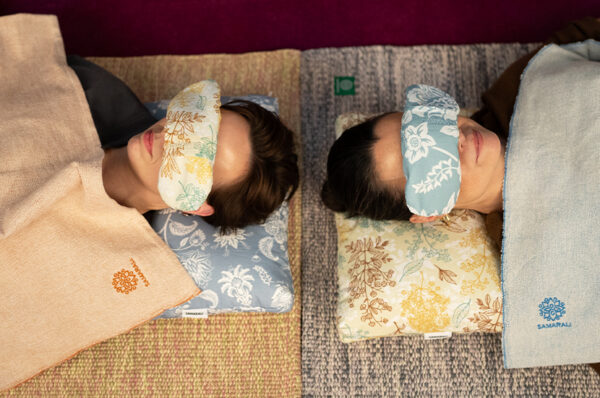
The most helpful accessories for beginners are a meditation cushion, a supportive mat or rug, and a light blanket. These three items address the most common physical challenges in seated meditation: hip and knee tension, hard or cold floors, and body temperature dropping during stillness. Together, they create a grounded, comfortable foundation for practice.
Here is a closer look at each:
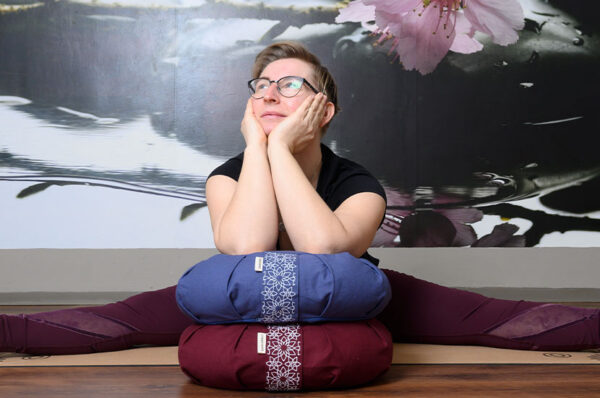
- Meditation cushion: Also called a zafu, this raises the hips above the knees in cross-legged positions, reducing strain on the lower back and allowing the spine to sit upright naturally. It is the single most impactful item for beginners who find floor sitting uncomfortable.
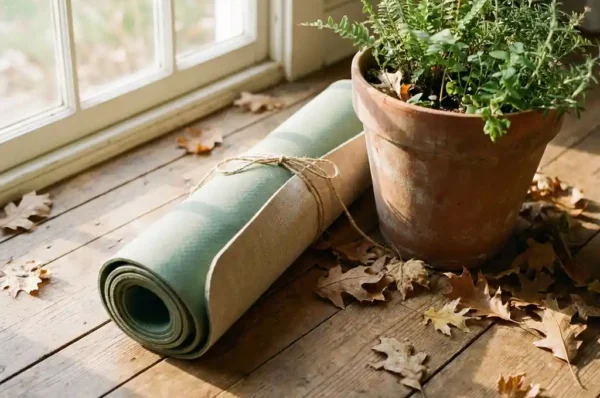
- Meditation mat or yoga rug: A thin mat placed beneath your cushion defines your space, cushions the knees, and provides a non-slip surface. It also creates a small ritual boundary that signals to your mind that practice is beginning.
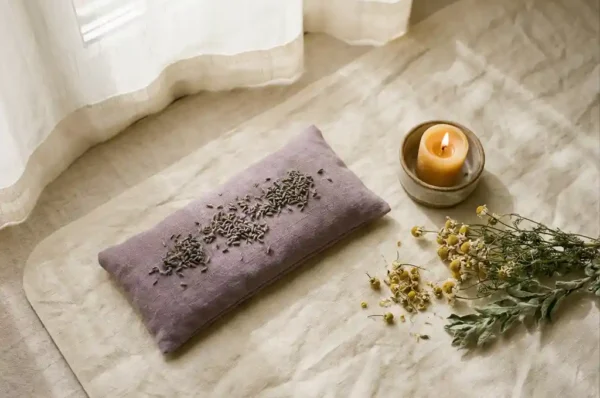
- Blanket: Body temperature drops during extended stillness. A lightweight blanket draped over the shoulders or lap keeps you warm without breaking your focus. It can also be folded and used as an improvised cushion or bolster.
Beyond these essentials, some practitioners find a timer useful so they are not mentally checking the clock, and others prefer a dedicated space with minimal visual clutter. Neither is necessary at the start. Keep it simple, and build from there as your practice grows.
Which accessory should you buy first?
If your budget is limited, a meditation cushion is the highest-impact first purchase. The most common reason people abandon early sessions is physical discomfort in the hips and lower back, and a well-filled cushion addresses that barrier immediately — lifting the pelvis and allowing the spine to sit upright without effort. Everything else can wait.
A mat is the logical second addition, particularly if you are meditating on hard floors or in a cool room. It cushions the knees and ankles, defines your practice space, and provides a non-slip base for your cushion. If you already own a yoga mat, that will serve the purpose well enough while you find your footing.
A blanket is the most deferrable of the three. Any lightweight household throw will keep you warm during stillness, so there is no urgency to buy a dedicated one at the start. Once you are meditating regularly and want your setup to feel more intentional, an organic cotton blanket is a worthwhile upgrade — but it is not something you need on day one.
What’s the difference between a meditation cushion and a yoga mat?
A meditation cushion is a firm, stuffed cushion designed to elevate and support the hips during seated practice. A yoga mat is a flat, non-slip surface designed primarily for movement-based yoga poses. They serve different purposes, though they complement each other well in a meditation setup.
The key distinction is function and posture. A meditation cushion lifts the pelvis so the spine can stack naturally without muscular effort, making long, still sits far more sustainable. A yoga mat provides grip and light padding for a wide range of body positions, but it does not offer the elevation that seated meditation often needs.
In practice, many people use both together: the mat goes down first to cushion the knees and define the space, and the cushion sits on top as the primary seat. If you already own a yoga mat, you have a solid starting point. Adding a dedicated meditation mat creates a more intentional setup purpose-built for stillness rather than movement.
If you are choosing just one item to begin with, a meditation cushion will have the greater impact on comfort during seated practice. A yoga mat is a better investment if you also plan to incorporate movement, stretching, or yoga into your wellness routine.
How do you choose the right type of meditation cushion?
Cushions come in several distinct shapes, each suited to different bodies and sitting styles. Shape, fill material, and your preferred sitting position all play a role in finding the right fit. What works well for one practitioner may not suit another — and the differences go beyond aesthetics.
The zafu (round cushion)
The zafu is the most widely recognised meditation cushion shape: a firm, circular cushion typically filled with buckwheat hulls or kapok. Buckwheat hull filling conforms to the body and holds its shape under sustained weight, while kapok offers a lighter, slightly softer feel. The zafu suits cross-legged sitting positions, particularly for practitioners with reasonably open hips who can rest their knees comfortably on the floor. It is the most versatile starting point for most beginners.
The zabuton (flat floor mat)
The zabuton is a large, flat cushioned mat designed to be placed on the floor beneath a zafu or meditation bench. Filled with cotton batting or a similar soft material, it provides padding for the ankles, shins, and knees during floor sitting. Rather than a seat in itself, the zabuton functions as a supportive base layer that protects the joints that make contact with the floor. It is particularly well suited to practitioners who experience knee or ankle discomfort during extended sits, and it pairs naturally with a zafu for a complete seated setup.
The crescent or half-moon cushion
The crescent cushion has a curved front edge that accommodates the thighs more naturally than a round cushion. Typically filled with buckwheat hulls and sitting lower to the ground, it is a good option for practitioners with tighter hips who find the full elevation of a zafu uncomfortable. The curved shape allows the legs to angle forward slightly, reducing internal rotation in the hip joints. If cross-legged sitting on a standard zafu causes strain at the outer hips or knees, the crescent cushion is worth exploring.
We offer multiple cushion styles designed to suit different body types and sitting preferences, so you can find the shape and support that fits your practice rather than adapting your practice to fit the cushion.
Should you choose sustainable materials for meditation accessories?
Yes — and there is both a values-based and a practical case for it. Materials like organic cotton, natural rubber, buckwheat hulls, and kapok align with the mindful, conscious approach that many people bring to their practice. They also tend to be more durable, breathable, and free from synthetic off-gassing than standard alternatives.
From a mindfulness perspective, there is a natural coherence in using tools that reflect the same values you cultivate on the cushion. Choosing products made with care for the environment reinforces the intention behind the practice itself.
From a practical standpoint, sustainable materials offer real benefits:
- Organic cotton is soft, breathable, and free from harsh chemical treatments, making it comfortable against the skin during long sits.
- Buckwheat hull filling conforms to the body’s shape and provides firm, adjustable support.
- Natural rubber in mats offers excellent grip and durability without the synthetic compounds found in standard PVC mats.
- Kapok is a lightweight, plant-based filling that is naturally resistant to mold and pests.
By contrast, many standard meditation and yoga mats are made from PVC, which can off-gas volatile organic compounds and does not biodegrade at the end of its life. Polyester and synthetic foam cushion fillings tend to retain heat, compress more quickly over time, and offer less adaptive support than buckwheat hulls or kapok. We chose natural alternatives precisely because they perform better over time and sit more lightly on the planet.
We design our meditation accessories with exactly these materials in mind, because we believe that what you practice on should reflect what you practice for. Whether you are just beginning or deepening an existing practice, choosing sustainably made tools is a small but meaningful step toward a more conscious daily routine.
Ready to build your own mindful setup? We offer a carefully curated range of sustainably made tools to support your practice — from meditation cushions and meditation mats to organic cotton blankets and complete meditation sets. Everything is designed with intention, so your space and your practice can grow together. Shop the collection now and find the support your practice deserves.
Frequently Asked Questions
How do I know if my meditation cushion is the right height for me?
The right cushion height allows your hips to sit slightly above your knees, which naturally tilts the pelvis forward and lets the spine stack upright without muscular strain. A simple test: sit cross-legged on the cushion and check whether your knees rest comfortably on the floor or float in the air. If your knees are hovering and your lower back feels strained, you may need a firmer or taller cushion, or a different sitting position such as kneeling with a zabuton or meditation bench.
What if sitting cross-legged is uncomfortable even with a cushion?
Cross-legged sitting is just one option, and it is not the right fit for everyone. You can meditate just as effectively in a kneeling position using a meditation bench (seiza bench), seated upright in a chair with both feet flat on the floor, or lying down in a supported reclined position. The goal is a posture that is stable and comfortable enough to sustain stillness, not adherence to a specific shape. If floor sitting causes persistent pain, a chair is a completely valid and respected alternative.
What is the best sitting position for meditation as a beginner?
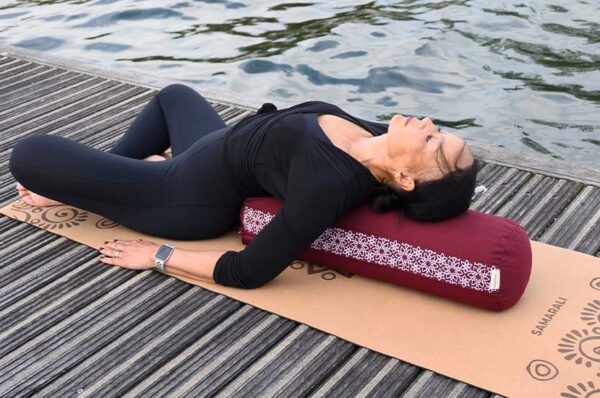
There is no single best position, but four options cover most beginners well. Cross-legged on a zafu suits those with reasonably open hips who can rest their knees comfortably on the floor. Kneeling with a seiza bench or a cushion placed vertically between the legs suits practitioners with knee sensitivity who find cross-legged sitting uncomfortable. Seated upright in a chair with both feet flat on the floor suits anyone with lower back pain, limited hip mobility, or other physical considerations that make floor sitting impractical. Reclined on a mat or bolster suits practices focused on body scan or deep relaxation, where movement is not a concern. No single position is superior to the others: what matters most is finding a posture that is stable and comfortable enough to sustain over the length of your session.
How do I start building a consistent meditation habit as a beginner?
Start with very short sessions, even just five minutes, at the same time each day to build a reliable routine. Attaching your meditation to an existing habit, such as right after your morning coffee or just before bed, makes it easier to remember and repeat. Having a dedicated physical space with your cushion or mat already set up acts as a visual cue that lowers the mental effort needed to begin. Consistency over duration is the key principle early on: ten days of five minutes will build a stronger foundation than one long session a week.
Can I use regular household items instead of buying meditation accessories?
Absolutely. A firm sofa cushion or a folded blanket can substitute for a meditation cushion, a folded towel or carpet can serve as a mat, and any lightweight throw can keep you warm during stillness. These improvised setups work well when you are first exploring whether meditation suits you. If you find yourself meditating regularly and noticing specific discomforts, that is a natural signal to invest in purpose-built accessories that are designed to address those issues more precisely.
Do meditation accessories actually make a difference, or is it just marketing?
It is a fair question, and the honest answer is that household substitutes work well enough to start, and no accessory will substitute for consistent practice. That said, there is a functional difference worth understanding. A purpose-built cushion is filled and shaped to maintain the precise hip elevation needed over a 20 to 30 minute sit, whereas a folded blanket compresses and shifts as the session continues. A dedicated mat has a surface texture and weight distribution designed for stillness rather than movement, which makes a subtle but real difference during longer sessions. If you are meditating regularly and noticing specific physical discomforts, that is the signal that purpose-built tools will make a measurable difference to your sessions.
How do I care for and maintain my meditation cushion and mat?
Most meditation cushion covers made from organic cotton can be removed and machine washed on a gentle, cold cycle, while the inner filling, such as buckwheat hulls or kapok, should be kept dry and aired out periodically. Meditation mats made from natural rubber or cotton can typically be spot cleaned with a damp cloth and mild soap, then laid flat to air dry away from direct sunlight. Avoid folding natural rubber mats for long periods, as this can cause creasing; rolling them for storage is the better option. Always check the care label specific to your product for the most accurate guidance.
How long do meditation cushions and mats typically last?
A well-made meditation cushion filled with buckwheat hulls or kapok, cared for properly, can last many years. Buckwheat hull filling has the added advantage of being replaceable when it eventually compresses, extending the life of the cushion itself rather than requiring a full replacement. Natural rubber or cotton mats, when stored rolled and kept dry, typically outlast PVC alternatives by a significant margin. Blankets made from organic cotton are durable through regular washing provided they are cared for on a gentle cycle. Investing in quality materials upfront often costs less over time than repeatedly replacing cheaper synthetic alternatives.
Is it worth investing in a dedicated meditation space at home?
A dedicated space is not necessary, but it can meaningfully support consistency, especially for beginners. Even a small corner of a room with your mat, cushion, and perhaps a candle or plant creates a physical anchor that your mind begins to associate with calm and focus over time. The ritual of going to that space becomes part of the practice itself. That said, the ability to meditate anywhere, without relying on a perfect environment, is also a skill worth developing, so think of a dedicated space as a helpful training ground rather than a strict requirement.
Are there any common mistakes beginners make when setting up for meditation?
One of the most common mistakes is over-investing in accessories before establishing a regular practice, which can create pressure to ‘perform’ or feel that the setup needs to be perfect before starting. Another is choosing a cushion that is too soft, which provides little structural support and can worsen posture over time. Meditating in a space with too many distractions or inconsistent lighting and noise levels can also make it harder to settle. Keep the setup minimal and intentional at first, and refine it gradually based on what your body and practice actually need.