


Yes, yoga nidra is good for chronic fatigue. This guided relaxation practice activates the parasympathetic nervous system, helping the body shift out of the stress response that often underlies persistent exhaustion. For people living with chronic fatigue, yoga nidra offers a structured, accessible way to rest deeply without demanding physical effort. Below, we unpack exactly how it works and how to use it effectively.
How does yoga nidra affect the nervous system in fatigue?
Yoga nidra directly targets the autonomic nervous system by guiding the body into a parasympathetic state, often called “rest and digest.” In chronic fatigue, the nervous system frequently gets stuck in low-grade sympathetic activation, meaning the body keeps burning energy reserves even during rest. Yoga nidra interrupts this cycle by inducing a state of conscious relaxation that allows genuine recovery to begin.
During a yoga nidra session, the practitioner lies still while a guided voice leads awareness through the body, breath, and mental imagery. This process slows the heart rate, reduces cortisol levels, and encourages the brain to shift toward alpha and theta brainwave activity. These are the same states associated with deep rest and the early stages of sleep, which means the body receives restorative benefits even when full sleep is difficult to achieve.
For those with chronic fatigue, this matters enormously. One of the most frustrating aspects of the condition is that ordinary rest does not always feel restorative. The nervous system remains on alert, and sleep quality suffers as a result. Yoga nidra works differently from simply lying down because the guided structure keeps the mind gently engaged, preventing the anxious thought loops that often block true recovery. Over time, regular practice can help retrain the nervous system toward a more balanced baseline.
What does research say about yoga nidra and chronic fatigue?
Emerging research supports yoga nidra as a meaningful tool for fatigue-related conditions. Studies examining yoga nidra in clinical populations have found improvements in sleep quality, stress hormone levels, and subjective energy levels among participants. While large-scale trials specifically on chronic fatigue syndrome remain limited, evidence from related conditions such as burnout, insomnia, and fibromyalgia points consistently in a positive direction.
Research into yoga nidra’s effects on the hypothalamic-pituitary-adrenal axis, which governs the body’s stress response, suggests the practice can reduce the dysregulation that contributes to persistent fatigue. Practitioners report feeling more rested after a 30-minute yoga nidra session than after an equivalent period of unguided rest, which aligns with the measurable changes in brainwave activity observed in clinical settings.
It is worth being clear that yoga nidra is not a cure for chronic fatigue syndrome, and it works best as part of a broader management approach that may include medical care, pacing strategies, and lifestyle adjustments. However, as a low-effort, high-recovery practice, it fills a genuine gap for people who cannot tolerate more physically demanding wellness interventions.
How is yoga nidra different from sleep or regular meditation for fatigue?
Yoga nidra occupies a unique space between wakefulness and sleep, which makes it distinct from both. Unlike sleep, yoga nidra is a conscious practice where awareness is maintained throughout. Unlike most forms of seated meditation, it requires no concentration, effort, or specific mental technique. For people with chronic fatigue, this combination makes it uniquely accessible.
Regular meditation practices such as mindfulness or breath-focused techniques still require a degree of sustained attention, which can feel taxing when cognitive fatigue is present. Yoga nidra removes that demand entirely. The guide does the work, and the practitioner simply follows. This makes it suitable even on days when energy is very low and active engagement feels impossible.
Sleep, on the other hand, is something the body does involuntarily, and chronic fatigue often disrupts its quality significantly. Yoga nidra can complement sleep by preparing the nervous system for deeper rest before bed, or it can serve as a midday recovery tool that provides genuine restoration without replacing nighttime sleep. Some practitioners describe the experience as equivalent to several hours of sleep in terms of how refreshed they feel afterward, though individual responses vary.
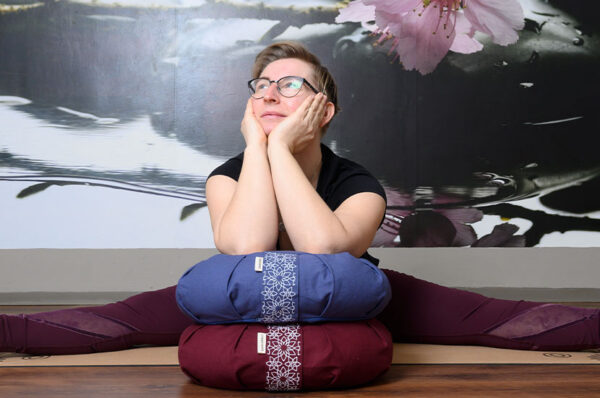
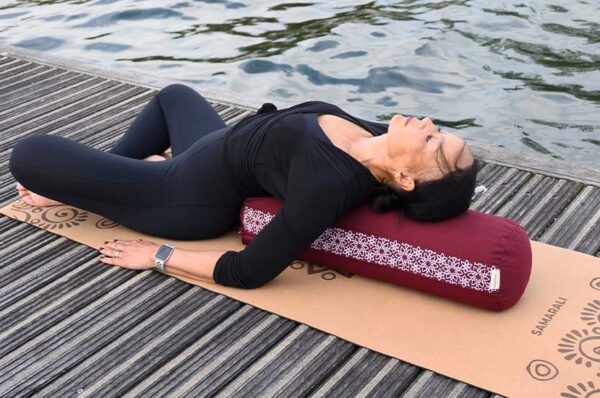
To support your practice, having a comfortable setup matters. A yoga bolster placed under the knees can relieve lower back tension during the lying position, helping the body fully release into the practice rather than remaining subtly braced against discomfort.
How often should someone with chronic fatigue practice yoga nidra?
For chronic fatigue, a daily yoga nidra practice is ideal, with sessions ranging from 20 to 45 minutes. Consistency matters more than duration. Even a short 20-minute session practiced every day will deliver more cumulative benefit than a longer session practiced occasionally. The nervous system learns to access the relaxation response more quickly the more regularly it is invited there.
Starting with one session per day, preferably in the early afternoon when energy typically dips, is a practical approach. This timing takes advantage of the body’s natural circadian rhythm and can prevent the late-day energy crashes that many people with chronic fatigue experience. Morning sessions are also effective for setting a calm nervous system tone before the demands of the day begin.
It is important to listen to the body and avoid treating yoga nidra as another item on a demanding wellness checklist. The practice should feel like genuine rest, not an obligation. On higher-fatigue days, a shorter session of 15 to 20 minutes is entirely appropriate. On more stable days, a longer session can deepen the restorative effect.
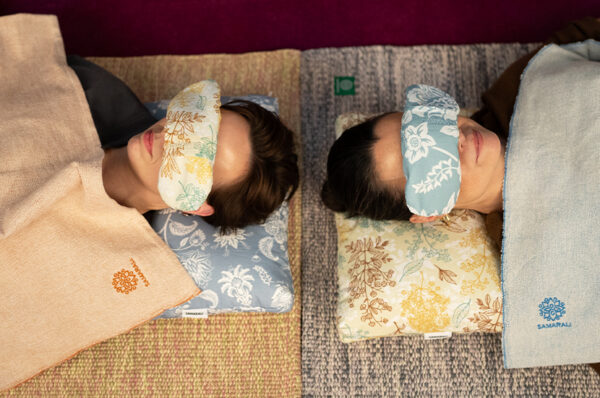
Building a consistent environment for practice helps signal to the nervous system that it is safe to release. Using a dedicated meditation mat and an organic cotton yoga blanket to stay warm during the stillness can make a real difference in how deeply the body settles. If you are ready to create a space that truly supports your recovery, explore the meditation sets and meditation cushions at Samarali — thoughtfully designed for exactly this kind of intentional, restorative practice. Shop now and give your nervous system the sanctuary it deserves.
Frequently Asked Questions
Can yoga nidra make chronic fatigue worse if I do too much?
Yoga nidra is generally very safe for chronic fatigue because it places no physical demand on the body, but overdoing any practice can shift it from restorative to obligatory, which adds mental pressure rather than relieving it. If you notice increased fatigue, restlessness, or difficulty sleeping after sessions, try shortening your practice to 15–20 minutes and reducing frequency to every other day. The goal is always to feel more settled afterward, not depleted — so let your body’s response guide your pacing rather than following a rigid schedule.
What is the best way to get started with yoga nidra if I have never tried it before?
The easiest entry point is a guided audio recording, which removes any need to learn technique or structure on your own. Platforms like Insight Timer, YouTube, and Spotify offer free yoga nidra sessions ranging from 15 to 45 minutes, many of which are specifically designed for rest and recovery. Start with a 20-minute session, lie down in a comfortable position with support under your knees and a blanket to stay warm, and simply follow the guide’s voice without any expectation of doing it ‘correctly.’ There is genuinely nothing to get wrong — if you fall asleep, your body needed it.
What if I keep falling asleep during yoga nidra — is that still beneficial?
Falling asleep during yoga nidra is extremely common, especially for people with chronic fatigue, and it is not a failure of the practice. If your body drifts into sleep, it is likely because your nervous system recognized a safe opportunity to drop into deep rest, which is precisely what you need. Over time, as your nervous system becomes less depleted, you may find it easier to maintain the in-between state of conscious relaxation that yoga nidra is designed to cultivate. Until then, sleep during the practice is still restorative and worth embracing.
Can yoga nidra be used alongside medical treatment for chronic fatigue syndrome (ME/CFS)?
Yes, yoga nidra is well-suited as a complementary tool alongside medical treatment and is unlikely to interfere with any standard care approach for ME/CFS. Because it is a passive, low-effort practice, it aligns naturally with pacing strategies that many specialists recommend for managing energy expenditure. It is always a good idea to mention any new wellness practice to your healthcare provider, but yoga nidra’s gentle, non-exertional nature makes it one of the most compatible options available for people managing this condition.
Is there a specific type of yoga nidra that works best for fatigue and energy recovery?
For fatigue recovery, look for yoga nidra recordings that emphasize body scan relaxation, breath awareness, and visualization rather than more activating styles that include strong intentions or energizing imagery. Traditions rooted in the Bihar School of Yoga, as well as iRest Yoga Nidra developed by Richard Miller, are both well-regarded and widely available in formats suitable for beginners. Avoid sessions marketed as ‘energizing’ or ‘chakra-activating’ on high-fatigue days, as these can be subtly stimulating — instead, choose recordings described as deeply restorative, sleep-supporting, or stress-relieving.
How long does it take to notice improvements in fatigue from a regular yoga nidra practice?
Many people report feeling noticeably calmer and more rested after their very first session, though cumulative benefits for chronic fatigue typically build over two to four weeks of consistent daily practice. Improvements in sleep quality and the ability to recover between activities are often among the first changes people notice. Longer-term shifts in nervous system baseline — such as reduced sensitivity to stress triggers and more stable energy levels throughout the day — tend to emerge after six to eight weeks of regular practice, though individual timelines vary depending on the severity of fatigue and other lifestyle factors.
Can I practice yoga nidra in bed, or do I need a dedicated space?
Practicing yoga nidra in bed is completely acceptable, particularly on high-fatigue days when moving to a separate space feels like too much effort. The main consideration is that practicing in bed can make it harder to maintain the conscious awareness that distinguishes yoga nidra from sleep, but for people with chronic fatigue, that distinction matters less than simply accessing deep rest. If you want to build a more intentional practice over time, creating a dedicated space — even just a mat and a folded blanket in a quiet corner — can help signal to your nervous system that this is a specific recovery ritual, which deepens the relaxation response with repetition.