


Most people benefit from practicing Yin Yoga two to four times per week. This frequency gives your connective tissues enough time to respond to the deep, sustained stretches while also allowing adequate recovery between sessions. Whether you are brand new to the practice or a seasoned yogi, the ideal number of sessions depends on your goals, your body, and how you combine Yin with other movement in your routine.
Below, we answer the most common questions about Yin Yoga frequency so you can build a practice that genuinely works for your body.
How many times a week should you do Yin Yoga?
Two to four Yin Yoga sessions per week is the sweet spot for most practitioners. At this frequency, the long-held poses have a cumulative effect on the fascia and connective tissue, gradually increasing flexibility and joint mobility without overloading the body. Beginners may want to start with two sessions and build from there as their body adapts.
The right number also depends on what else you are doing. If your week includes intense workouts, running, or dynamic yoga styles like Vinyasa or Ashtanga, adding two or three Yin sessions is a smart complement. The slow, passive nature of Yin balances out high-intensity movement by releasing tension held in the deeper layers of muscle and fascia. If Yin is your primary or only movement practice, three to four times a week gives you a solid foundation.
Think of it less like a workout schedule and more like a maintenance routine for your joints and nervous system. Consistency matters more than volume. Two focused sessions every week will deliver far better results over time than sporadic bursts of daily practice followed by long gaps.
Can you practice Yin Yoga every day?
Yes, you can practice Yin Yoga every day, but it is not necessary for most people and requires some thoughtfulness. Daily Yin practice is generally safe when sessions are gentle, varied in focus, and not overly long. Many experienced practitioners do incorporate a short Yin session into their daily routine, particularly for stress relief and nervous system support.
The key is to listen to your body and avoid targeting the same areas every single day. If you practiced deep hip openers on Monday, focus on the spine or shoulders on Tuesday. Rotating the areas you work on gives each region of connective tissue time to rest and integrate the stimulus from the previous session.
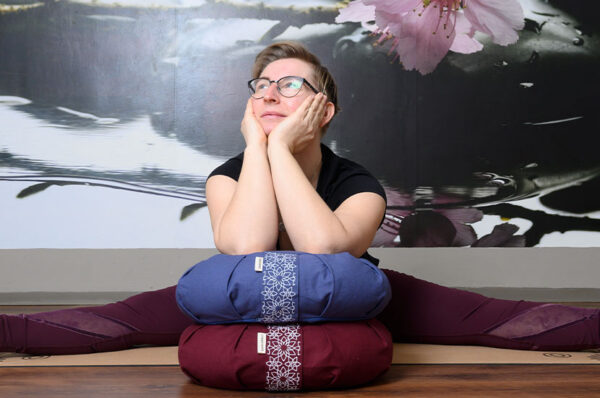
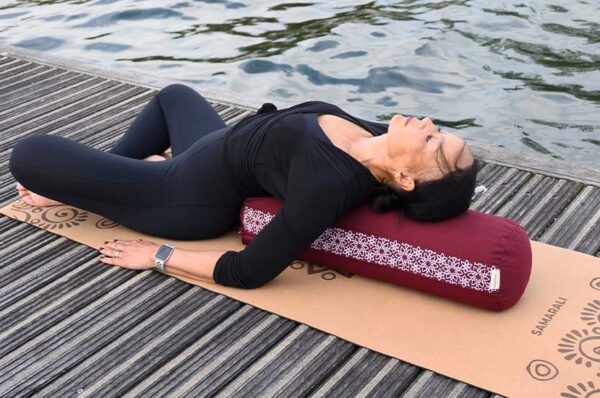
Daily practice also works well when sessions are shorter, around 20 to 30 minutes, rather than full 60 to 75 minute classes every day. A brief, mindful Yin practice before bed, for example, can become a grounding ritual without placing excessive stress on the body’s connective structures. Pairing your practice with a supportive yoga bolster makes it easier to fully relax into poses without straining.
What happens to your body if you do Yin Yoga too often?
Practicing Yin Yoga too frequently, especially when targeting the same areas without adequate rest, can lead to overstretching and joint instability. Unlike muscles, connective tissues such as ligaments and fascia have a limited blood supply and recover more slowly. Repeatedly stressing them without recovery time can cause micro-damage that accumulates rather than heals.
Signs that you may be overdoing your Yin practice include:
- Persistent soreness or aching in joints rather than a pleasant release
- Feelings of hypermobility or looseness in areas that previously felt stable
- Increased fatigue or a sense that your body is not recovering between sessions
- Discomfort that lingers for more than a day or two after practice
It is also worth noting that Yin Yoga is not inherently a more-the-better practice, as some assume it to be. The connective tissue response it targets is slow and cumulative. Doing five or six long sessions a week does not accelerate results; it more often leads to overuse patterns. Two to four sessions per week, with attention to rotation and rest, will produce better long-term outcomes than daily intensive practice.
If you are hypermobile by nature, extra caution is wise. People with naturally loose joints benefit from Yin Yoga but should keep holds on the shorter side and focus on finding stability rather than pushing depth in every pose.
How long should a Yin Yoga session be for best results?
A Yin Yoga session of 45 to 75 minutes delivers the best results for most practitioners. This duration allows enough time to work through several areas of the body with poses held for three to five minutes each, which is the minimum needed to reach and influence the connective tissue layer beneath the muscles.
Shorter sessions of 20 to 30 minutes are still beneficial, particularly as a daily wind-down or when time is limited. A focused 30-minute session targeting just the hips or the spine can be genuinely restorative and is far better than skipping practice altogether. These shorter sessions work especially well when paired with a consistent weekly routine of longer classes.
Sessions longer than 90 minutes are less common and generally unnecessary unless you are in a workshop or retreat setting. Beyond that length, the body and mind tend to fatigue, and the quality of your relaxation and presence in each pose can decline.
The surface you practice on also matters for session quality. A supportive, cushioned mat helps you settle into long holds without discomfort becoming a distraction. We offer a range of yoga mats designed with exactly this kind of sustained, floor-based practice in mind.
Ultimately, the best session length is the one you can maintain consistently. A 45-minute practice you do three times a week will transform your body and mind far more reliably than a 90-minute session you only manage once a month.
Frequently Asked Questions
Is Yin Yoga suitable for complete beginners with no flexibility?
Absolutely — Yin Yoga is actually one of the best starting points for people with limited flexibility because the practice meets your body exactly where it is. Props like bolsters, blocks, and blankets allow you to modify every pose so you experience a gentle, comfortable stretch rather than strain. As a beginner, focus on finding a mild to moderate sensation in each hold and resist the urge to push for depth; the connective tissue responds to consistent, sustainable tension, not intensity.
How do I know if I'm holding a pose for the right amount of time?
A good general rule is to hold each pose for a minimum of three minutes and up to five minutes for most practitioners, as this is the threshold at which the stretch begins to move past the muscles and into the deeper connective tissue. If you are brand new to Yin, starting with two-minute holds and gradually working up to three to five minutes over several weeks is a smart approach. Use a timer so you are not mentally tracking the clock, and aim for a sensation that feels like a steady, tolerable pull — not sharp pain or joint discomfort.
Can I do Yin Yoga before or after a gym workout or run?
Yin Yoga works best after a workout or run rather than before, since practicing on cold, pre-exercise connective tissue increases the risk of overstretching. Post-workout, your body temperature is elevated and your nervous system is ready to downshift, making it an ideal window for the long, passive holds Yin requires. Keep post-workout Yin sessions gentle and avoid pushing into maximum range of motion when your muscles are already fatigued, as this can mask important feedback signals from your joints.
What's the difference between Yin Yoga and restorative yoga, and does it change how often I should practice?
Yin Yoga and restorative yoga are often confused, but they serve different purposes: Yin intentionally applies a mild, sustained stress to connective tissue to increase flexibility and joint mobility, while restorative yoga uses full prop support to eliminate all effort and promote deep nervous system recovery. Because Yin does place a real, low-grade load on the body, recovery between sessions matters — hence the two-to-four times per week recommendation. Restorative yoga, on the other hand, can be practiced more freely since it is purely passive and places no stress on tissues.
I'm hypermobile — should I avoid Yin Yoga altogether?
Hypermobile individuals do not need to avoid Yin Yoga, but they do need to approach it differently than the average practitioner. Rather than seeking depth or a strong stretch sensation, the goal for hypermobile bodies is to find a stable, supported position and focus on breath and stillness rather than range of motion. Shortening hold times to one to two minutes and prioritizing poses that build awareness around joint stability — rather than opening already-loose areas — makes Yin both safe and beneficial for hypermobile practitioners.
Will Yin Yoga help with chronic tightness or pain in areas like the hips and lower back?
Yes, Yin Yoga is particularly well-regarded for addressing chronic tightness in the hips, lower back, and pelvis, areas where fascia and connective tissue tend to accumulate long-held tension from prolonged sitting or repetitive movement patterns. The key is consistency over time — noticeable changes in chronic tightness typically emerge after four to eight weeks of regular practice rather than after a single session. If you are dealing with an existing injury or diagnosed condition, it is worth consulting a physiotherapist or healthcare provider before beginning, as some causes of lower back pain require targeted treatment rather than general stretching.
What should I do on the days between Yin Yoga sessions to support my progress?
On rest days between Yin sessions, gentle movement like walking, light swimming, or dynamic yoga can help maintain circulation in the connective tissues and support recovery without adding stress. Staying well hydrated is also genuinely important — fascia is largely composed of water, and adequate hydration supports its elasticity and recovery capacity. Simple breathwork or meditation on off days can also reinforce the nervous system benefits of your Yin practice, extending the calm and body awareness you build on the mat into the rest of your week.
Ready to build a Yin Yoga practice that truly supports your body? At Samarali, you will find everything you need to settle in and stay consistent. Whether you are looking for a natural rubber yoga mat that cushions long holds, a yoga bolster to help you melt into deep hip openers, or a soft organic cotton yoga blanket for those restorative finishing poses, our collection is designed with slow, intentional practice in mind. Shop the full yoga collection and find the props that make every session feel effortless.