


The best eco-friendly accessories for Yin Yoga include a natural rubber or organic cotton yoga mat, a supportive bolster, a cotton or wool blanket, and firm cushions made from sustainable materials. These props are the backbone of a grounded Yin practice, and choosing versions made from natural, non-toxic, and ethically sourced materials means your practice supports the planet as much as it supports your body. Below, we break down exactly what to look for and where to begin.
What materials make yoga accessories truly eco-friendly?
Eco-friendly yoga accessories are made from natural, renewable, or recycled materials that are free from harmful chemicals and produced through ethical manufacturing processes. The most trustworthy materials include natural rubber, organic cotton, cork, wool, buckwheat, and sustainably harvested kapok. These alternatives replace synthetic foams, PVC, and petroleum-based plastics that are common in conventional yoga props.
Natural rubber is one of the gold standards for yoga mats because it is biodegradable, provides excellent grip, and is harvested from rubber trees without depleting them. Organic cotton is grown without synthetic pesticides and is used in everything from yoga rugs to blankets and bolster covers. Cork is naturally antimicrobial, renewable, and increasingly popular for mat surfaces and blocks.
What really separates a genuinely eco-friendly product from greenwashing is transparency. Look for certifications like GOTS (Global Organic Textile Standard) for cotton products, OEKO-TEX for textiles free from harmful substances, and FSC for wood-based props. These labels give you confidence that the material claims hold up beyond the marketing.
Which eco-friendly props are essential for a yin yoga practice?
The essential eco-friendly props for Yin Yoga are a non-slip mat, a bolster, a blanket, and at least one firm cushion or block. Yin Yoga involves long, passive holds of three to seven minutes, so proper support is not optional. Without the right props, joints and connective tissue absorb unnecessary strain rather than releasing into a gentle, sustained stretch.
A natural yoga mat as your foundation
A mat made from natural rubber or an organic cotton yoga rug provides the non-slip surface and light cushioning you need for floor-based Yin postures. Unlike PVC mats, natural rubber and cotton options off-gas no harmful chemicals and break down far more responsibly at the end of their life.
A bolster for deep passive support
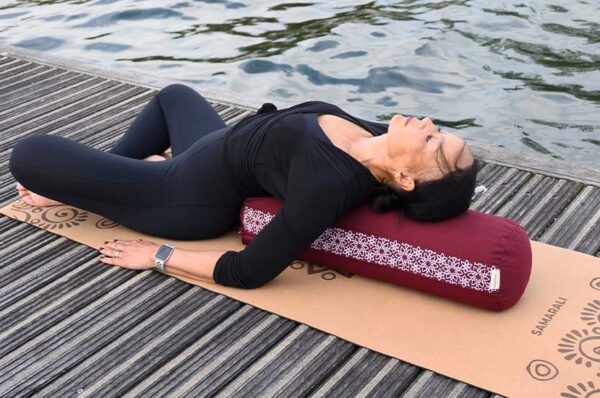
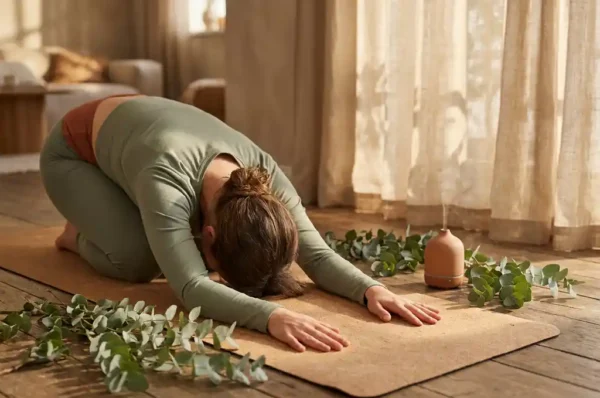
A bolster is arguably the most important prop in Yin Yoga. It allows the body to surrender completely into poses like Supported Fish, Reclined Butterfly, and Child’s Pose without muscular effort. Our yoga bolster is filled with sustainable materials and covered in natural fabric, making it a responsible choice that does not compromise the firm, reliable support Yin practice demands.
A blanket for warmth and cushioning
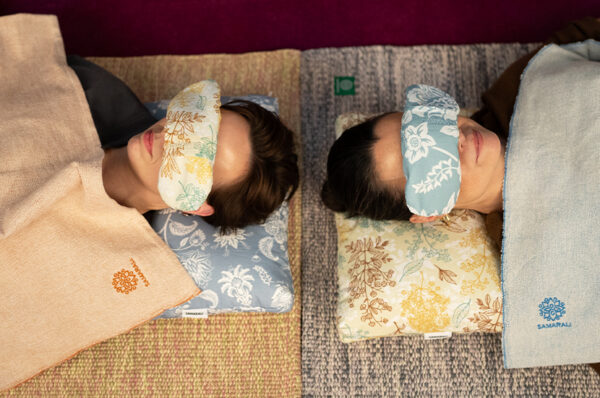
Because Yin Yoga slows the body down significantly, temperature regulation matters more than in dynamic styles. An organic cotton yoga blanket keeps you warm during long holds and doubles as extra padding under knees, hips, or the lower back. Organic cotton breathes naturally and avoids the synthetic dyes and finishes found in conventional fleece blankets.
How do sustainable yin yoga props compare to conventional ones in quality and durability?
Sustainable Yin Yoga props are generally equal to or better than conventional ones in quality and durability, and in many cases they outlast synthetic alternatives. Natural rubber mats, for example, are denser and more resilient than PVC mats, which can crack and peel over time. Organic cotton blankets soften with washing rather than degrading, and well-made bolsters filled with natural kapok or cotton maintain their shape through years of regular use.
The misconception that eco-friendly means fragile or low-performance comes from early generations of sustainable products that prioritized material sourcing over design. That gap has closed significantly. Today, thoughtfully made sustainable props are tested to the same functional standards as their conventional counterparts, with the added benefit of being free from off-gassing chemicals that can irritate skin and airways during close-contact practice.
Cost is sometimes higher upfront, but the longevity of natural materials often makes sustainable props more economical over time. A natural rubber mat that lasts eight years represents better value than replacing a cheap PVC mat every two years, and it avoids sending synthetic waste to landfills repeatedly.
Where should you start when building an eco-friendly yin yoga kit?
Start with a mat and a bolster, then add a blanket, and build from there based on your personal practice needs. These three items cover the majority of Yin Yoga postures and give you a complete, functional kit without overcomplicating things. Trying to buy everything at once often leads to impulse purchases that do not align with your practice or your values.
When choosing your mat, consider whether you prefer the grip and density of natural rubber or the texture and lightness of an organic cotton rug. Both are excellent eco-friendly choices, but they suit different preferences and floor surfaces. If you practice on a smooth hardwood floor, a heavier natural rubber mat may grip better. If you travel with your kit or practice on carpet, a lighter cotton rug can be more practical.
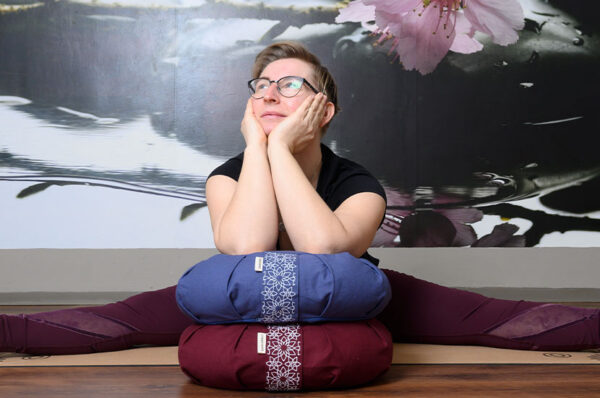
Once your mat and bolster are in place, a good blanket rounds out the essentials. From there, a meditation cushion can be a worthwhile addition if you move between Yin practice and seated meditation, which many practitioners do naturally. Exploring our full range of yoga products can help you find pieces that work together as a cohesive, sustainable kit rather than a collection of mismatched items.
The most important principle is to choose fewer, better things. Yin Yoga is a practice rooted in stillness and simplicity, and your props should reflect that. Invest in well-made, genuinely sustainable accessories, and they will support your practice reliably for years to come.
Ready to build your sustainable Yin Yoga kit? At Samarali, you will find everything you need — from a natural rubber yoga mat and a supportive yoga bolster to a cosy organic cotton yoga blanket — all made from natural, ethically sourced materials that align with the values at the heart of your practice. Explore the full yoga collection at Samarali and shop now.
Frequently Asked Questions
How do I clean and care for natural rubber mats and organic cotton props without damaging them?
For natural rubber mats, wipe them down after each session with a diluted solution of water and a few drops of mild, natural soap or tea tree oil — avoid harsh chemical sprays, as these can break down the rubber over time. Organic cotton blankets and bolster covers can typically be machine washed on a gentle cycle with a natural detergent, and they actually soften and improve with regular washing. Always air-dry natural rubber mats flat and away from direct sunlight, which can cause them to degrade prematurely.
Are eco-friendly yoga props suitable for beginners, or are they better suited to experienced practitioners?
Eco-friendly props are an excellent choice for beginners precisely because Yin Yoga is a starting-friendly practice that relies heavily on props from day one. A bolster, blanket, and natural mat provide the same level of support regardless of your experience level — in fact, high-quality sustainable props can make the learning curve easier by offering reliable, consistent support during those long passive holds. There is no need to start with conventional props and ‘upgrade later’; beginning with sustainable options means you build good habits and avoid replacing lower-quality items down the line.
What should I watch out for when a product claims to be 'eco-friendly' or 'natural' on the label?
Greenwashing is common in the wellness industry, so the most important rule is to look beyond the marketing language and check for third-party certifications like GOTS, OEKO-TEX, or FSC, which verify material and manufacturing claims independently. Be cautious of vague terms like ‘natural-inspired,’ ‘green,’ or ‘earth-friendly’ without any certification or transparent sourcing information to back them up. It also helps to check whether the brand discloses where and how their products are made — genuinely sustainable companies are typically proud to share that information, while those greenwashing tend to keep it vague.
Can I use eco-friendly props if I have a latex allergy?
If you have a latex allergy, natural rubber mats are not a safe option since natural rubber is derived from latex and can trigger reactions in sensitive individuals. The good news is that organic cotton yoga rugs are a fantastic latex-free alternative that still avoids PVC and synthetic materials, offering a lightweight, non-toxic surface for your Yin practice. For bolsters and cushions, look for options filled with organic cotton or buckwheat, both of which are naturally latex-free, and always double-check product descriptions and certifications to confirm no rubber-based materials are used.
How do I know if a bolster is firm enough for Yin Yoga versus other yoga styles?
A Yin Yoga bolster should feel supportive and resistant when you press down on it — it should hold its shape under the weight of your torso or hips without sinking significantly, as collapsing support defeats the purpose of passive, sustained holds. Bolsters filled with natural kapok or tightly packed organic cotton tend to offer the firm, consistent structure that Yin practice requires, whereas softer, fluffier fills are better suited to restorative yoga where the goal is a gentler, more cloud-like feel. If you are unsure, look for bolsters described specifically as ‘firm’ and check customer reviews from Yin practitioners for real-world feedback.
Is it worth investing in a full eco-friendly kit all at once, or should I phase in purchases over time?
Phasing in purchases over time is almost always the smarter approach — start with a mat and bolster, which cover the widest range of Yin postures, and add a blanket and cushion as your practice develops and your needs become clearer. Buying everything at once can lead to purchasing props that do not match your actual practice style or body, resulting in wasted money and resources, which is the opposite of a sustainable mindset. A gradual, intentional approach also gives you time to research each item carefully, ensuring every piece you add is genuinely high-quality and aligned with your values.
What is the most eco-responsible way to dispose of old yoga props when it's time to replace them?
Before discarding old props, consider donating them to local yoga studios, community centers, shelters, or beginner practitioners who may benefit from them — even well-worn props can serve a second life. If a prop is too worn to donate, natural materials like organic cotton, wool, and natural rubber are biodegradable or compostable under the right conditions, unlike PVC or synthetic foam which will sit in landfill indefinitely. Some brands also offer take-back or recycling programs, so it is worth checking with the manufacturer before disposing of any item.