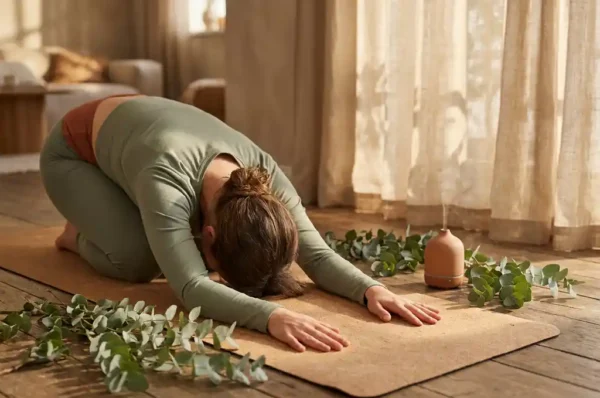



Prop-supported yoga prevents injuries by providing physical support that maintains proper alignment and reduces strain on muscles and joints. Props like blocks, straps, and bolsters bridge the gap between your current flexibility and pose requirements, allowing safe progression without forcing your body beyond its limits. This approach creates a more sustainable practice while gradually building strength and flexibility.
What exactly are yoga props, and why do they prevent injuries?
Yoga props are supportive tools that help you access poses safely while maintaining proper alignment and reducing injury risk. Understanding how different props function allows you to choose the right support for your practice needs.
Essential yoga props include:
- Blocks – Offer height and stability, bringing the ground closer in poses like triangle or half moon, preventing collapse and strain when reaching for the floor
- Straps – Extend your reach in binding poses and help maintain spinal length in forward folds without dangerous rounding
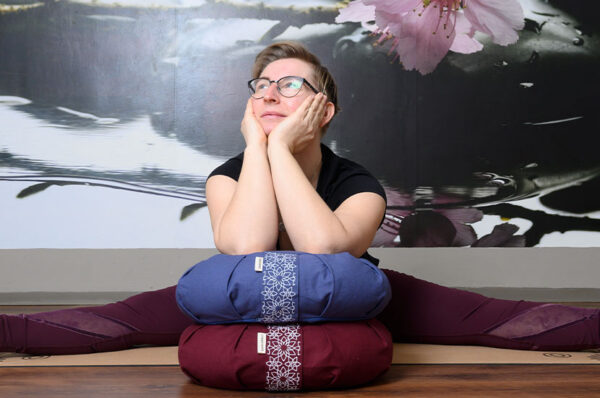
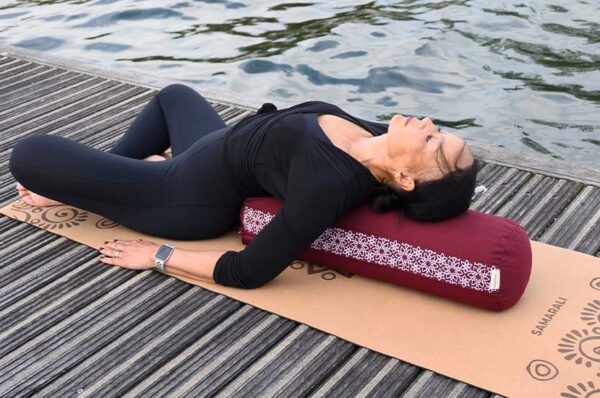
- Bolsters – Provide cushioned support for restorative poses, allowing complete nervous system relaxation without muscular effort
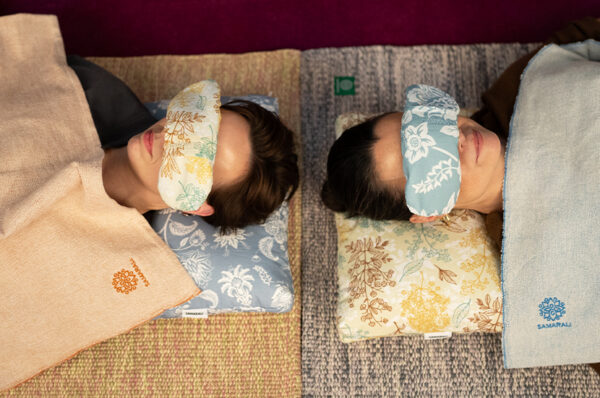
- Blankets – Add warmth and weight while cushioning sensitive joints like knees and hips during floor poses
These tools work together to create a comprehensive support system that honors your body’s current capabilities while facilitating safe progression. Rather than forcing positions, props allow you to experience pose benefits while respecting limitations, creating the foundation for sustainable long-term practice and natural flexibility development over time.
How do yoga props help beginners avoid common strain and injury?
Props address the most frequent beginner mistakes that lead to injury by providing external support and preventing dangerous compensation patterns. New practitioners benefit significantly from understanding these protective mechanisms.
Common beginner injury risks that props prevent:
- Forced flexibility – Straps maintain spinal length in seated forward folds instead of allowing harmful yanking motions that strain the back
- Hip and knee strain – Blocks under hips in cross-legged positions prevent knee stress and support upright spinal alignment
- Collapsed alignment – Blocks in standing poses like triangle prevent collapsing over the front leg while building necessary strength
- Muscular overexertion – Props provide support that allows relaxation into poses rather than forcing through muscular effort
This supportive approach transforms the learning process from a potentially harmful struggle into a gradual, sustainable journey. Props create the space needed for proper movement patterns to develop naturally, establishing healthy habits that serve practitioners throughout their yoga journey while preventing the common injuries that often discourage beginners from continuing their practice.
Which yoga props work best for preventing specific types of injuries?
Different props target specific vulnerable areas of the body, providing targeted protection for injury-prone zones. Strategic prop selection addresses your particular risk factors and physical needs.
Injury-specific prop applications include:
- Wrist protection – Blocks under hands in downward dog reduce hyperextension angle and decrease joint pressure
- Back safety – Hip elevation with blocks in seated poses maintains natural spinal curves and prevents slouching
- Hamstring protection – Straps in forward folds and reclining poses allow gradual flexibility increase without muscle tear risk
- Spinal support – Yoga bolsters in restorative backbends prevent compression while distributing weight evenly
- Joint cushioning – Blankets protect knees in kneeling poses and sitting bones during floor work from bruising
Understanding these specific applications allows you to create a comprehensive injury prevention strategy tailored to your body’s needs. By addressing vulnerable areas proactively, props transform potentially risky poses into accessible, beneficial practices that build strength and flexibility safely over time.
How do you choose sustainable and eco-friendly yoga props?
Sustainable yoga props align your practice with environmental values while providing superior functionality and durability. Making conscious choices supports both personal wellness and planetary health.
Key features of eco-friendly yoga props:
- Natural cork blocks – Renewable, biodegradable material that provides firm, long-lasting support without compression over time
- Organic cotton materials – GOTS-certified straps and blankets avoid harmful pesticides while feeling better against skin
- Natural filling options – Buckwheat hull or organic cotton bolster filling offers excellent support while remaining compostable
- Minimal packaging – Recyclable cardboard or plantable seed paper packaging eliminates plastic waste
- Durable construction – High-quality materials reduce replacement needs and long-term environmental impact
These sustainable choices create a practice that honors both your physical well-being and environmental responsibility. Natural materials often perform better than synthetic alternatives while supporting farming and manufacturing practices that protect ecosystems, making them an investment in both personal health and planetary wellness for years to come.
Props transform yoga from a potentially risky activity into a safe, accessible practice for bodies of all abilities. By choosing sustainable options, you support both your physical well-being and environmental health. We at Samarali create thoughtfully designed props using organic cotton and plastic-free packaging, helping you build a practice that honors both your body and the planet.
Browse our selection of thoughtfully crafted collection of sustainable yoga essentials—designed for mindful movement and made with respect for the planet.