


Hatha yoga cannot fully replace strength training, but it is far more physically demanding than most people expect. Regular Hatha practice builds functional strength, improves muscle endurance, and develops body awareness in ways that complement or, for some practitioners, substitute for gym-based resistance work. Whether it can replace strength training entirely depends on your fitness goals, current fitness level, and how intensely you practice.
Below, we break down exactly what Hatha yoga does and does not do for your body, who it suits best, and how to get the most out of combining both approaches.
Does Hatha yoga build muscle the same way strength training does?
Hatha yoga does not build muscle the same way strength training does. Strength training uses progressive overload with external resistance to cause muscle hypertrophy, meaning your muscles grow larger over time. Hatha yoga primarily uses bodyweight and isometric holds, which develop muscular endurance, stability, and tone rather than significant size or raw power output.
That said, the difference is more nuanced than a simple yes or no. In Hatha yoga, poses like Plank, Warrior III, Chaturanga, and Chair Pose place real demands on your muscles. Holding these positions under tension activates the same muscle fibers involved in strength training, just without the progressive load increase that drives hypertrophy. For someone who is sedentary or a beginner, Hatha yoga can absolutely produce visible strength gains in the early months of practice.
Where Hatha yoga falls short compared to traditional strength training is in the upper limit of muscular development. Once your body adapts to supporting its own weight, there is no straightforward way to add resistance the way you would add weight to a barbell. This ceiling effect means that over time, dedicated strength athletes will outpace Hatha practitioners in terms of raw muscle mass and maximum force production.
What physical strength benefits does Hatha yoga actually provide?
Hatha yoga builds functional strength, core stability, balance, and joint integrity in ways that directly support everyday movement and long-term physical health. Practitioners develop strong postural muscles, improved flexibility under load, and a heightened sense of body control that is often underdeveloped in conventional gym training.
The physical benefits of a consistent Hatha yoga practice are substantial and well worth understanding in detail.
Core and postural strength
Almost every Hatha pose requires active engagement of the core, not just the superficial abdominal muscles but the deep stabilizers, including the transverse abdominis and the muscles along the spine. Over time, this builds a resilient, functional core that supports posture and reduces the risk of lower back issues, which is something many gym programmes neglect in favour of isolated ab exercises.
Joint stability and connective tissue health
Hatha yoga places sustained, controlled stress on joints and the connective tissues surrounding them. This strengthens tendons and ligaments gradually, which is particularly valuable for injury prevention. Strength training, especially when performed with heavy loads and poor form, can sometimes bypass this kind of deep stabilising work. Hatha yoga fills that gap effectively.
For those who practice regularly, having a quality yoga mat that provides grip and cushioning makes a real difference in how safely and comfortably you can hold demanding poses, especially when working on balance and deep stretches.
Who should consider Hatha yoga instead of strength training?
Hatha yoga is an excellent primary physical practice for people who are recovering from injury, managing chronic pain, seeking low-impact fitness, or prioritising mobility and mental wellbeing alongside physical conditioning. It is also well suited to those who find gym environments uninviting or who want a practice that integrates breathwork and mindfulness with physical movement.
Specifically, Hatha yoga works especially well as a standalone physical practice for:
- Older adults who want to maintain strength and mobility without the joint stress of heavy lifting
- Individuals in rehabilitation who need controlled, low-impact movement
- People whose primary goals are flexibility, stress reduction, and general fitness rather than muscle growth
- Beginners who want to build a foundation of body awareness before progressing to more intense training
- Those with limited time who want a single practice that addresses strength, flexibility, and mental calm together
If your goals include building significant muscle mass, improving athletic performance in a specific sport, or developing maximum strength, Hatha yoga alone is unlikely to get you there. In those cases, it works better as a complement to strength training rather than a replacement.
Can combining Hatha yoga and strength training give better results?
Yes, combining Hatha yoga and strength training consistently produces better all-round results than either practice alone. Strength training builds the muscle mass and power that Hatha yoga cannot fully develop, while Hatha yoga addresses the mobility, recovery, joint health, and mental focus that standard gym programmes often overlook.
The two practices address different physical qualities, and those qualities reinforce each other in practical ways. Greater flexibility from Hatha yoga allows for better range of motion in strength exercises like squats and deadlifts, which improves both performance and safety. Conversely, the strength built in the gym makes demanding yoga poses more accessible and reduces the risk of injury during practice.
A simple combined approach that works well for many people looks like this:
- Strength train two to three times per week with a focus on compound movements
- Practice Hatha yoga two to three times per week, treating it as both active recovery and skill development
- Use yoga sessions on rest days to support muscle recovery and maintain joint mobility
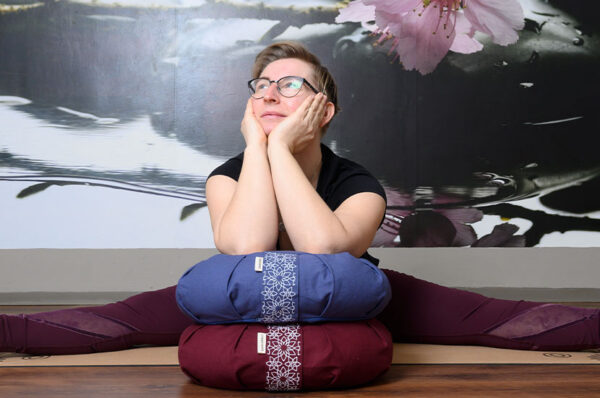
This kind of balanced routine also supports the mental dimension of wellness. Hatha yoga’s emphasis on breathwork and present-moment awareness brings a quality of mindfulness to your overall training that pure strength work rarely provides. For those who want to deepen the meditative side of their yoga practice, pairing it with supportive tools like meditation cushions can make post-yoga stillness far more comfortable and sustainable.
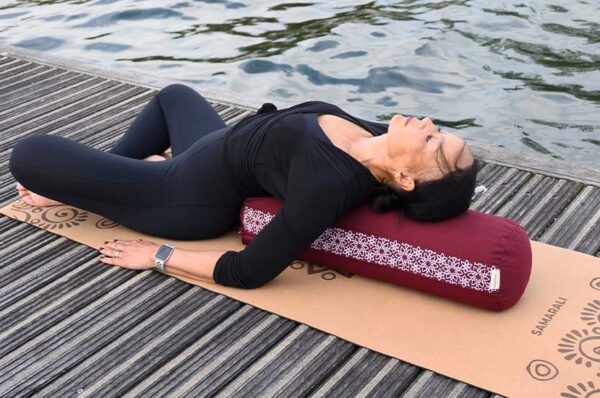
Ultimately, thinking of Hatha yoga and strength training as competing options misses the point. They are complementary tools, and the best results come from using both thoughtfully. Whether you are just starting out or looking to deepen an established practice, Samarali has everything you need to support your journey. Explore our natural rubber yoga mat for a stable and grippy foundation in every session, pair it with a yoga bolster for restorative work and post-strength recovery, or browse our full yoga collection to find the tools that fit your practice. Shop now and build the integrated, active lifestyle your body deserves.
Frequently Asked Questions
How long does it take to notice strength gains from Hatha yoga?
Most beginners notice measurable improvements in muscular endurance, core stability, and body control within 4 to 8 weeks of consistent practice, typically 3 or more sessions per week. Visible postural changes and functional strength gains tend to become more apparent around the 3-month mark. The timeline varies depending on your starting fitness level, the intensity of your sessions, and how consistently you practice.
Which Hatha yoga poses are the most effective for building strength?
The most strength-demanding Hatha poses include Chaturanga Dandasana (Low Plank), Warrior III, Chair Pose (Utkatasana), Boat Pose (Navasana), and Side Plank (Vasisthasana). These poses require sustained muscular engagement across multiple muscle groups simultaneously, making them the closest equivalent to resistance exercises within a Hatha practice. Holding each pose for longer durations and reducing rest time between poses will increase the strength stimulus further.
Is Hatha yoga intense enough to count as a workout on its own?
Yes, a well-structured Hatha yoga session can absolutely qualify as a full workout, particularly for those at beginner to intermediate fitness levels. A 60-minute session that includes standing poses, balancing postures, and core work can elevate your heart rate, challenge your muscles, and leave you genuinely fatigued. The intensity depends heavily on the pace of the class, the difficulty of the poses selected, and how long each pose is held.
Can I do Hatha yoga on the same day as strength training, or should I keep them separate?
You can do both on the same day, but the order and timing matter. It is generally best to complete your strength training session first, then use a shorter, gentler Hatha session afterwards for cooldown, stretching, and recovery. Doing an intense yoga session before lifting can pre-fatigue stabilising muscles and slightly reduce your performance on heavy compound movements. If you prefer a full yoga session, scheduling it on a separate day from heavy lifting is the safest and most effective approach.
What is the biggest mistake people make when trying to use Hatha yoga as a substitute for strength training?
The most common mistake is treating Hatha yoga as a passive or purely restorative practice and not pushing into the strength-building poses with enough intention and duration. Simply moving through a sequence without actively engaging muscles, holding poses long enough to create a training stimulus, or progressing to more challenging variations will limit your physical results significantly. Treat your yoga practice with the same progressive mindset you would apply to the gym, gradually increasing hold times, difficulty, and session frequency as you get stronger.
Do I need any specific equipment to get started with Hatha yoga at home?
To get started safely and comfortably, a good-quality yoga mat is the single most important piece of equipment you need, as it provides the grip and joint cushioning essential for holding poses correctly and avoiding slips. Beyond that, a yoga block and a strap are inexpensive additions that make many poses more accessible, especially if you are working on flexibility. As your practice deepens and you incorporate more meditation or breathwork, a supportive cushion for seated practice can also make a meaningful difference in your comfort and consistency.
Is Hatha yoga suitable for people who are already experienced with strength training?
Absolutely, and experienced strength trainers often find that Hatha yoga addresses the exact gaps their gym training leaves behind, particularly in hip mobility, thoracic spine flexibility, and deep core stability. Many strength athletes are surprised by how challenging foundational Hatha poses feel when performed with proper alignment and full muscular engagement. Introducing even two sessions per week can improve range of motion in key lifts, reduce injury risk, and accelerate recovery between training sessions.