


Beginners starting Yin Yoga need just a few key props: a supportive yoga mat, at least one bolster or firm pillow, a blanket, and optionally a set of yoga blocks. These props help you hold passive poses comfortably for two to five minutes at a time, which is the core of Yin practice. Below, we cover exactly what to look for, why Yin Yoga needs its own gear, and what you can use at home while you build your kit.
What props do beginners actually need for Yin Yoga?
Beginners need four core props for Yin Yoga: a mat, a bolster, a blanket, and yoga blocks. These four items cover the vast majority of Yin poses and give your body the support it needs to relax deeply into long holds without strain or discomfort. You do not need all four from day one, but having them available makes a real difference.
Here is a closer look at what each prop does in a Yin practice:
- Yoga mat: Provides a stable, cushioned base for seated and floor-based poses. In Yin, you spend a lot of time lying and sitting, so grip and padding both matter.
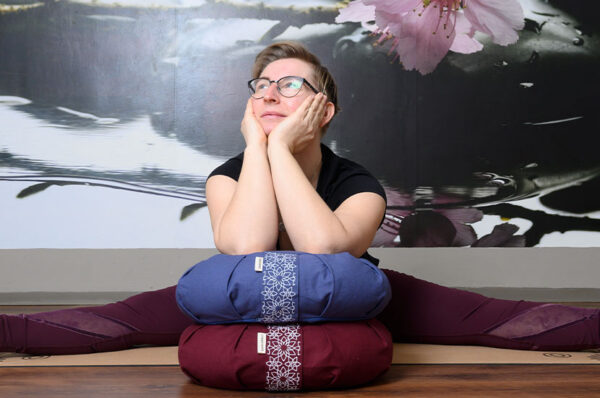
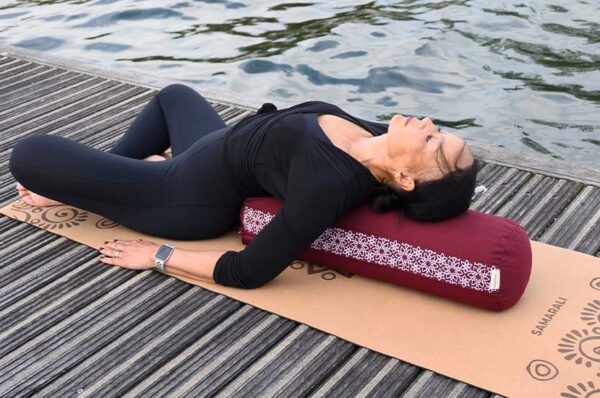
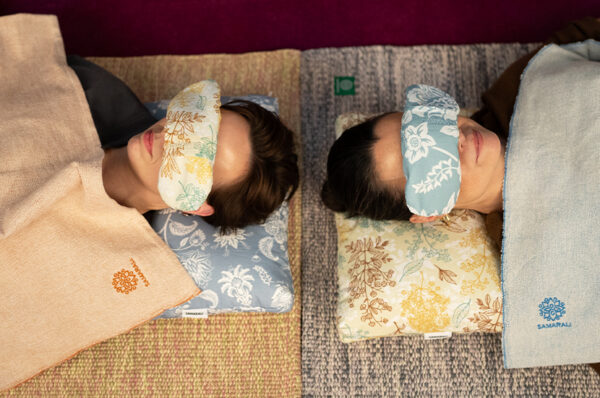
- Bolster: The most important Yin prop. A yoga bolster supports the spine, hips, and chest in restorative positions, allowing muscles to release rather than grip.
- Blanket: Used for padding under knees and ankles, warmth during long holds, and gentle elevation under the hips. An organic cotton blanket is ideal because it folds into a firm, even shape.
- Yoga blocks: Helpful for raising the floor to meet your body in poses like Sleeping Swan or Supported Bridge, reducing pressure on joints.
If you are just starting out, prioritize the bolster and blanket first. These two props alone will transform your experience of most beginner Yin sequences.
Why does Yin Yoga require different props than other yoga styles?
Yin Yoga requires different props than other styles because the practice is built around passive, long-held poses that target deep connective tissue rather than muscles. Where active styles like Vinyasa or Ashtanga use props mainly for alignment, Yin uses them to remove effort entirely, allowing the body to surrender into a pose over several minutes.
In a dynamic yoga class, your muscles are engaged and working, so your body generates its own support. In Yin, the goal is the opposite: muscles should be as relaxed as possible so that the deeper layers of fascia, ligaments, and joints receive a gentle, sustained stretch. Without props, your muscles will tighten to protect the body, which defeats the purpose of the practice.
This is also why softness and surface area matter more in Yin props. A bolster used in Yin needs to be wide and firm enough to fully support the torso or hips, not just nudge the body into alignment. A blanket needs enough density to stay in place under a knee for five minutes. The demands are genuinely different, and choosing props designed for this kind of passive support makes your practice safer and more effective.
What should beginners look for when choosing a Yin Yoga mat?
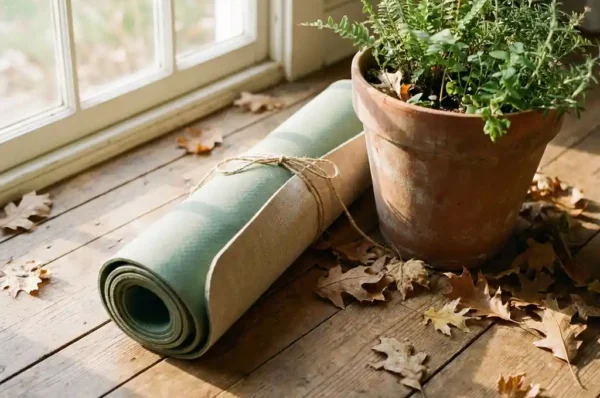
Beginners choosing a Yin Yoga mat should prioritize cushioning, grip, and material quality. Because Yin poses are held for extended periods on the floor, a mat that is too thin can create pressure on bony points like the knees, ankles, and spine. A thickness of at least four millimeters is a good starting point, and natural rubber or cotton-based mats tend to perform well for Yin practice.
Here are the key factors to consider:
- Cushioning: Thicker mats reduce discomfort during long holds on hard floors. If you have sensitive joints, look for a mat with noticeable padding rather than a travel-thin option.
- Grip: Even in a slow practice, you need your mat to stay in place. Natural rubber mats offer excellent grip without synthetic coatings.
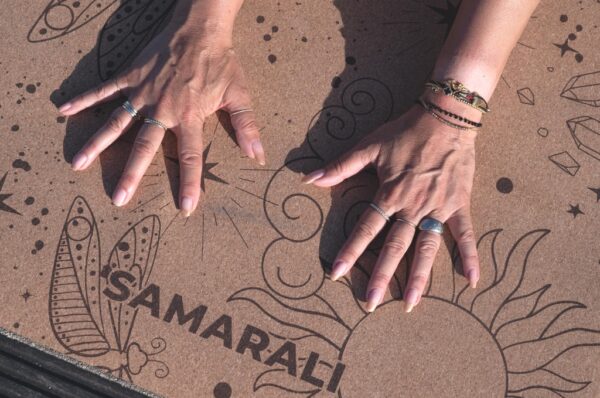
- Material: For an eco-conscious practice, natural rubber and organic cotton are the most sustainable choices. Our natural rubber yoga mat is a solid option for Yin practitioners who want both grip and environmental responsibility in one product.
- Size: A slightly wider mat gives you more room to spread out in lateral poses like Dragonfly or Sleeping Swan, which are common in Yin sequences.
Avoid mats with a very textured surface if you plan to use a bolster directly on the mat, as a bumpy surface can make props wobble. A smooth, dense mat surface keeps everything stable during your practice.
Can beginners substitute household items for Yin Yoga props?
Yes, beginners can absolutely substitute household items for Yin Yoga props when starting out. A firm sofa cushion or folded duvet works well in place of a bolster, a thick bath towel or folded blanket replaces a yoga blanket, and hardcover books stacked together can stand in for blocks. These substitutes are a practical way to try Yin Yoga before investing in dedicated equipment.
That said, there are some limitations worth knowing:
- Household cushions often compress too much under body weight, reducing the support they provide over a long hold. A proper bolster is designed to maintain its shape and firmness throughout a session.
- Folded towels can shift and unravel mid-pose, which breaks your focus. A dedicated organic cotton yoga blanket folds into a stable, consistent shape that stays put.
- Books as blocks work in a pinch but have hard, uneven edges that can dig into the skin during extended holds.
If you practice Yin once or twice a week and find yourself genuinely enjoying it, upgrading to proper props is worth the investment. The difference in comfort and stability is noticeable, and having the right support encourages you to stay in poses longer, which is where the real benefit of Yin Yoga happens. Think of household substitutes as a trial run, not a permanent setup.
Ready to build your Yin Yoga kit with props that are made to last? At Samarali you will find everything you need to support a deep, comfortable practice — from our yoga bolster and organic cotton yoga blanket to our natural rubber yoga mat. Each product is chosen with mindful, sustainable practice in mind. Shop the collection now and give your body the support it deserves.
Frequently Asked Questions
How long does it take for a beginner to build a complete Yin Yoga prop kit?
Most beginners can build a functional Yin Yoga kit within one to two months by prioritizing purchases. Start with a bolster and blanket in your first week, as these two props cover the majority of beginner sequences. Add a quality mat and blocks when your budget allows. Buying gradually also gives you time to understand what features matter most to your specific practice before committing to a full set.
What is the best way to store Yin Yoga props at home without taking up too much space?
The most space-efficient approach is to stack your bolster upright in a corner, fold your blanket over it, and keep your blocks nearby on a shelf or in a basket. Many practitioners dedicate a small corner of a room as their practice space, which also makes it easier to maintain a consistent routine. If space is very limited, a bolster with a removable, washable cover can double as a floor cushion when not in use for yoga.
Can I use the same props for Yin Yoga and Restorative Yoga, or do I need separate sets?
Yes, the same props work well for both Yin and Restorative Yoga since both practices rely on passive, long-held poses supported by bolsters, blankets, and blocks. The main difference is that Restorative Yoga tends to use even more props per pose to achieve a completely effortless position, so you may eventually want a second bolster or extra blankets. For beginners, one complete set of quality props is more than sufficient for exploring both styles.
How do I know if my bolster is firm enough for Yin Yoga?
A good test is to press your palm firmly into the bolster and check how much it compresses. A Yin-appropriate bolster should give slightly but hold its shape, not sink more than an inch or two under moderate pressure. If your bolster compresses significantly under your palm, it will compress even more under the full weight of your torso or hips during a five-minute hold, reducing the support it provides. When in doubt, opt for a firmer bolster, as a blanket can always be added on top to soften the surface.
Are there any poses in beginner Yin sequences where props are not necessary?
A few beginner Yin poses, such as Butterfly (Baddha Konasana) and Legs Up the Wall, can be practiced with minimal or no props if your body is already relatively flexible and comfortable on the floor. However, even experienced practitioners often choose to use props in these poses to deepen relaxation and reduce any residual muscular effort. The goal in Yin is always maximum release, so using a prop is rarely the wrong choice, even when it is not strictly required.
What is the most common mistake beginners make when using props in Yin Yoga?
The most common mistake is placing props too far away from the body, which forces muscles to remain engaged to bridge the gap rather than fully releasing. For example, if a bolster is positioned too low under the spine, the back muscles will still grip to compensate. Always bring the prop close enough that your body weight fully rests on it with zero effort, and adjust the height or angle until you feel genuine surrender in the pose. Taking an extra thirty seconds to set up your props correctly makes a significant difference in the quality of a long hold.
Do I need a special type of yoga block for Yin Yoga, or will any block work?
Cork or foam blocks both work well for Yin Yoga, but cork blocks are generally preferred because they are denser, more stable under sustained body weight, and less likely to shift during a long hold. Foam blocks are lighter and more affordable, making them a reasonable starting choice, though they can compress slightly over time. Whichever material you choose, look for a full-size block rather than a travel-size one, as the extra surface area provides more secure and comfortable support in poses like Sleeping Swan or Supported Bridge.