


Minimalist yoga practice creates a stronger connection between mindful movement and environmental responsibility by reducing material dependencies while maintaining all the spiritual and physical benefits of traditional yoga. This approach focuses on simplicity, intentionality, and conscious consumption, proving that effective practice doesn’t require extensive equipment collections. Understanding how minimalism supports sustainability helps you align your yoga journey with planetary wellness.
What does minimalist yoga practice actually mean?
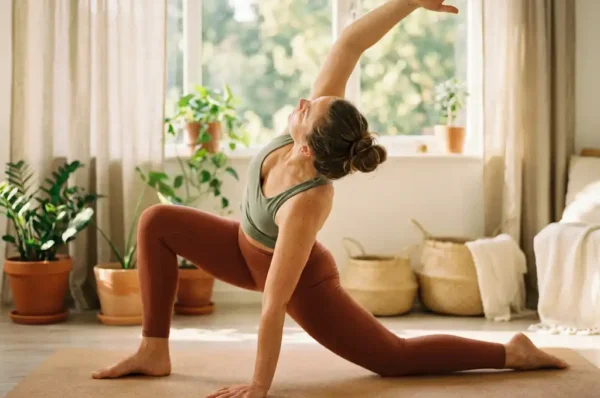
Minimalist yoga practice emphasizes simplicity and intentionality by reducing reliance on props and equipment while maintaining the core spiritual and physical benefits of yoga. This approach prioritizes breath, body awareness, and mindful movement over material accumulation, creating space for a deeper connection with your practice.
Key principles of minimalist yoga include:
- Equipment reduction: Using only essential items rather than accumulating numerous props like blocks, straps, and specialized accessories
- Body awareness focus: Learning to rely on your natural strength, flexibility, and balance instead of external support systems
- Intentional purchasing: Being mindful about what you truly need versus what marketing suggests you should have
- Household alternatives: Discovering creative substitutions like books instead of blocks or towels instead of expensive yoga straps
- Mental decluttering: Concentrating on fundamental poses and breathing techniques rather than constantly seeking complex new sequences
This philosophy transforms your practice from a gear-dependent activity into a deeply personal exploration of movement and mindfulness. By focusing on mastery of basic movements rather than equipment accumulation, you develop stronger mind-body awareness and discover that the most profound yoga experiences often come from the simplest approaches.
How does practicing yoga with fewer props support environmental goals?
Reducing yoga equipment needs directly decreases manufacturing demand, packaging waste, and transportation emissions while proving that effective practice doesn’t require extensive gear collections. Every prop you don’t purchase represents avoided resource extraction, manufacturing energy, and shipping-related carbon emissions.
Environmental benefits of minimalist yoga practice include:
- Reduced manufacturing impact: Less demand for resource-intensive products like foam blocks requiring extraction and processing, or synthetic mats made from petroleum-based materials
- Decreased packaging waste: Fewer purchases mean less plastic wrapping, cardboard boxes, and promotional materials entering landfills and recycling systems
- Lower transportation emissions: Avoiding products manufactured overseas reduces shipping, trucking, and multiple handling stages that contribute to carbon footprint
- Minimized storage needs: Owning fewer items can influence housing choices, reducing the need for larger spaces requiring more energy for heating and cooling
- Enhanced portability: Practice becomes more adaptable to different environments without requiring equipment transport
These environmental benefits compound over time as you avoid the cycle of purchasing, replacing, and disposing of yoga equipment. Your practice becomes a form of environmental activism, demonstrating that wellness and sustainability naturally align when approached with mindful intention.
What sustainable choices can you make when you do need yoga accessories?
When minimalist practice requires some equipment, choose items made from organic materials with plastic-free packaging from ethical manufacturers, focusing on multipurpose pieces that align with both minimalist and sustainable principles. Quality over quantity becomes your guiding principle for necessary purchases.
Sustainable yoga equipment choices include:
- Natural material mats: Selecting yoga mats made from natural rubber or organic cotton rather than PVC alternatives that biodegrade naturally and provide better grip
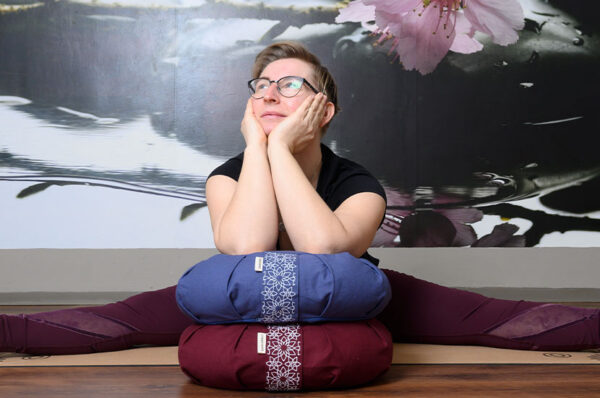
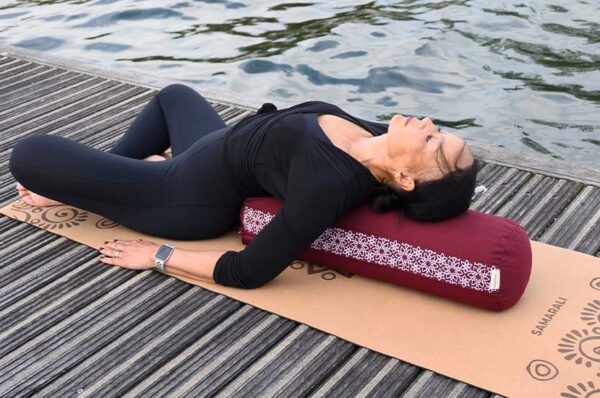
- Organic cotton props: Choosing blocks, straps, and bolsters made from pesticide-free cotton that supports both environmental and human health
- Multipurpose items: Investing in versatile pieces like organic cotton yoga blankets that serve as bolsters, provide warmth, and offer seated pose support
- Plastic-free packaging: Supporting companies that use recyclable cardboard, reusable cotton bags, or minimal packaging instead of plastic waste
- Lifecycle consideration: Evaluating items based on durability, maintenance requirements, and end-of-life disposal options like composting or recycling
These conscious purchasing decisions ensure that when you do acquire yoga accessories, they align with your environmental values while supporting your minimalist practice goals. By choosing quality items with longer lifespans, you reduce the need for frequent replacements and support manufacturers committed to sustainable production methods.
Minimalist yoga practice naturally supports sustainability by reducing consumption while maintaining the transformative benefits of regular practice. This approach proves that meaningful wellness doesn’t require extensive material accumulation. When you do need accessories, choosing organic materials and plastic-free packaging aligns your purchases with environmental values. We at Samarali understand this connection, which is why all our yoga and meditation gear uses organic cotton fabric and completely avoids plastic packaging, supporting both your minimalist practice and sustainability goals.
Browse our selection of thoughtfully crafted collection of sustainable yoga essentials—designed for mindful movement and made with respect for the planet.