


Breathwork delivers real, measurable benefits for both your body and mind. Regular practice can lower stress hormones, improve oxygen efficiency, reduce anxiety, and sharpen mental focus. These effects are not subtle — many people notice a shift in how they feel after just a few sessions. Below, we unpack the key questions around breathwork so you can understand what it does and how to make it work for you.
How does breathwork actually affect your body?
Breathwork directly influences your autonomic nervous system, shifting your body from a stress response into a state of calm. When you consciously slow and deepen your breath, you activate the parasympathetic nervous system, which lowers heart rate, reduces cortisol levels, and improves blood circulation. The effect is both immediate and cumulative with consistent practice.
Your breath is one of the few bodily functions that operates both automatically and under conscious control. That dual nature makes it a powerful lever. By intentionally changing your breathing pattern, you send direct signals to your brain that influence how your entire nervous system responds to the world around you.
On a physiological level, breathwork improves the exchange of oxygen and carbon dioxide in your lungs, which supports energy production at a cellular level. Techniques that involve breath retention or extended exhales can also stimulate the vagus nerve, a key pathway that connects your brain to your heart, lungs, and digestive system. Consistently activating this nerve through breathwork is associated with better heart rate variability, which is widely used as a marker of overall resilience and recovery.
What are the mental health benefits of breathwork?
Breathwork is one of the most accessible tools for managing anxiety, stress, and emotional overwhelm. By regulating the nervous system through controlled breathing, it helps interrupt the cycle of anxious thinking, lowers the physiological markers of stress, and creates a felt sense of calm that can be difficult to achieve through thought alone.
Unlike many mental health interventions, breathwork works from the body upward. Rather than trying to think your way out of stress, you use the breath to physically change your internal state first. This bottom-up approach is particularly effective for people who find that their mind races during traditional mindfulness or talk-based practices.
Regular breathwork practice is also associated with improved emotional regulation. When you train yourself to breathe through discomfort during a session, you build a kind of internal resilience that carries into daily life. Over time, many practitioners report feeling less reactive to stress triggers and more capable of returning to calm after difficult moments.
For those who use breathwork alongside a broader wellness routine, pairing it with a grounded physical practice deepens the results. A meditation practice that includes breathwork as a starting point can be especially effective for building long-term mental clarity and emotional steadiness.
How is breathwork different from meditation?
Breathwork and meditation are related but distinct practices. Meditation typically involves observing your thoughts, breath, or sensations without trying to change them, cultivating awareness and presence. Breathwork, by contrast, involves actively manipulating the breath to produce a specific physiological or psychological effect. One is receptive; the other is deliberate and directive.
In meditation, the breath is often used as an anchor for attention. You notice it, return to it when the mind wanders, and use it as a point of focus. The goal is awareness, not alteration. In breathwork, you actively change the rate, depth, rhythm, or pattern of your breathing to shift your nervous system state. The breath is the tool, not just the object of attention.
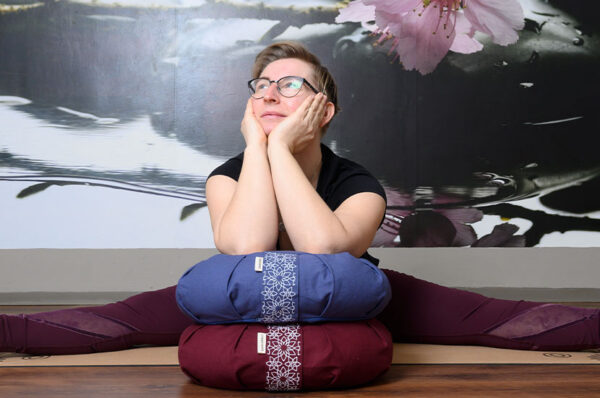
That said, the two practices complement each other well. Many people find that a short breathwork session before meditation helps them arrive in a calmer, more focused state, making it easier to settle into stillness. If you are building a seated practice, having the right support makes a real difference. A dedicated meditation mat can help you stay comfortable long enough to let both practices do their work.
Neither practice is superior. The right choice depends on what you need in a given moment. If you are wired, anxious, or need to shift your state quickly, breathwork is often more immediately effective. If you are seeking sustained clarity, insight, or presence over a longer sit, meditation tends to serve that goal better.
How often should you practice breathwork to feel the benefits?
Most people begin noticing the benefits of breathwork with as little as five to ten minutes of daily practice. For deeper or more lasting effects on stress resilience, emotional regulation, and physical well-being, practicing three to five times per week over several weeks is where consistent change tends to take root.
Frequency matters more than session length, especially in the beginning. A short daily session trains your nervous system to access a calmer baseline more readily, whereas occasional longer sessions tend to produce temporary relief without building lasting capacity. Think of it like physical fitness: consistency over time produces results that intensity alone cannot.
The type of breathwork you practice also influences how often you should do it. Gentle techniques like box breathing or diaphragmatic breathing are safe to practice daily. More activating or intense techniques, such as those involving rapid breathing cycles, are generally better suited to two or three times per week with rest days in between to allow your system to integrate the experience.
Starting a breathwork habit is easier when it is attached to something you already do. Many practitioners incorporate it at the beginning of a yoga session, just before sleep, or as part of a morning routine. If you are already using yoga mats and props for a regular movement practice, adding five minutes of intentional breathing before or after your session is a natural and low-effort way to build the habit.
Frequently Asked Questions
Which breathwork technique is best for a complete beginner?
Box breathing is one of the most beginner-friendly techniques available — it involves inhaling for 4 counts, holding for 4, exhaling for 4, and holding again for 4. It requires no special equipment, can be done anywhere, and produces noticeable calming effects within a few minutes. Starting here gives you a reliable foundation before exploring more advanced or activating methods.
Can breathwork help with sleep problems or insomnia?
Yes, certain breathwork techniques are particularly effective for improving sleep quality. The 4-7-8 method — inhaling for 4 counts, holding for 7, and exhaling slowly for 8 — activates the parasympathetic nervous system and helps lower the heart rate before bed. Practicing this consistently as part of a wind-down routine can reduce the time it takes to fall asleep and improve overall sleep depth.
Are there any situations where breathwork is not safe or should be avoided?
Intense or hyperventilation-style breathwork techniques should be avoided by people who are pregnant, have cardiovascular conditions, epilepsy, or a history of panic disorder, as they can trigger lightheadedness, tingling, or emotional overwhelm. Gentle techniques like diaphragmatic breathing are generally safe for most people, but if you have any underlying health conditions, it is always wise to consult a healthcare professional before starting an intensive breathwork program. When in doubt, begin with the mildest techniques and build gradually.
What should I do if I feel dizzy or anxious during a breathwork session?
Dizziness during breathwork is usually caused by a temporary shift in carbon dioxide levels and is a sign to slow down, not push through. If it happens, return to your natural breathing rhythm, sit or lie down comfortably, and allow your body to self-regulate — the sensation typically passes within a minute or two. Going forward, reduce the intensity or duration of the technique and build up more gradually to give your nervous system time to adapt.
How do I know if my breathwork practice is actually working?
Progress in breathwork is often felt before it is measured — common early signs include falling asleep more easily, feeling less reactive in stressful situations, and recovering more quickly after moments of tension or frustration. Over weeks of consistent practice, you may also notice lower resting heart rate, improved focus, and a greater overall sense of calm. Tracking a simple daily mood or stress rating in a journal can make these gradual improvements more visible and help you stay motivated.
Can I combine breathwork with other wellness practices like yoga or journaling?
Absolutely — breathwork integrates naturally with a wide range of wellness practices and often amplifies their effects. Using breathwork at the start of a yoga session primes your nervous system for movement and body awareness, while doing it before journaling can help you access a more honest, reflective state of mind. The key is consistency: anchoring breathwork to an existing habit makes it far easier to sustain over the long term.
Do I need a teacher or guided program to practice breathwork effectively?
For foundational techniques like box breathing, diaphragmatic breathing, or extended exhale breathing, self-guided practice using reputable apps, videos, or written instructions is entirely sufficient. However, if you want to explore more advanced modalities — such as holotropic breathwork or transformational breath — working with a certified facilitator at least initially is strongly recommended, as these techniques can surface intense emotional or physical responses. Think of a teacher as a useful accelerator, not a prerequisite, especially when you are just getting started.
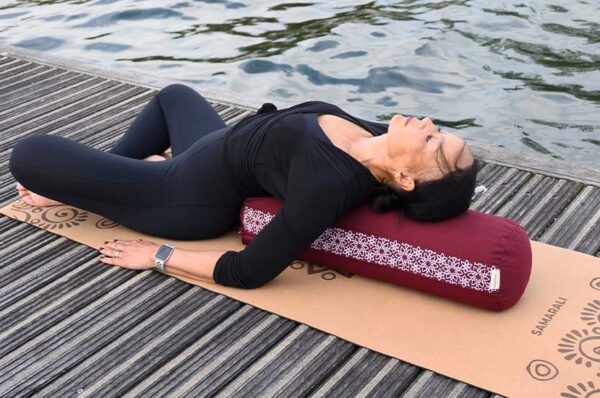
Ready to take your breathwork and meditation practice to the next level? At Samarali, you will find everything you need to create a dedicated space that supports your daily practice. Whether you are looking for a meditation mat to ground your seated sessions, a supportive yoga bolster for restorative breathwork, or a cosy organic cotton yoga blanket to keep you comfortable during longer sits, our collection is designed with mindful practitioners in mind. Explore the full meditation and yoga ranges at Samarali and find the tools that help you show up for your practice, every single day. Shop the collection now.