


Yes, Vinyasa yoga can genuinely boost your energy. The flowing, breath-linked movement style activates your cardiovascular system, stimulates circulation, and triggers the release of mood-lifting endorphins, leaving you feeling more alert and alive after a session. Whether you are dealing with an afternoon slump or looking for a morning ritual that sets a positive tone, Vinyasa yoga offers a natural, sustainable energy lift. Below, we answer the most common questions about how and why it works.
How does Vinyasa yoga increase energy levels?
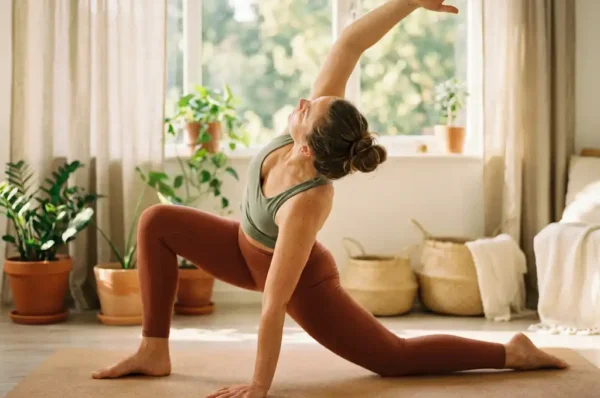
Vinyasa yoga increases energy levels by synchronising breath with continuous movement, which improves oxygen delivery to your muscles and brain. Each inhale and exhale guides you through a sequence of postures, creating a rhythmic flow that warms the body, stimulates the nervous system, and clears mental fog. The result is a state of heightened alertness without the crash that follows caffeine or sugar.
On a physical level, the dynamic sequences in Vinyasa yoga elevate your heart rate in a moderate, sustained way. This kind of aerobic stimulation encourages better blood circulation, which means more oxygen and nutrients reach your cells. At the same time, deep, intentional breathing activates the diaphragm and expands lung capacity, so your body becomes more efficient at using the oxygen it takes in.
On a mental level, the focus required to move in sync with your breath acts as a moving meditation. This pulls your attention away from draining thoughts and anxiety, which are two of the biggest hidden causes of low energy. Many practitioners describe finishing a Vinyasa session feeling mentally lighter and more motivated, even if they stepped onto the mat feeling exhausted.
What makes Vinyasa yoga different from other yoga styles for energy?
Vinyasa yoga is different from other yoga styles for energy because it is built around continuous, flowing movement rather than static holds. Unlike Yin or Restorative yoga, which are designed to calm and restore, Vinyasa generates internal heat and maintains a pace that keeps your energy system actively engaged throughout the entire practice.
Compare Vinyasa to a few other popular styles and the distinction becomes clear:
- Hatha yoga moves at a slower pace with longer holds between postures. It is excellent for building strength and flexibility but does not generate the same cardiovascular stimulation as Vinyasa.
- Yin yoga targets deep connective tissue through passive, floor-based stretches held for several minutes. It is deeply relaxing but intentionally calming rather than energising.
- Restorative yoga uses props and stillness to activate the parasympathetic nervous system, making it ideal for recovery but not for an energy boost.
- Ashtanga yoga shares Vinyasa’s breath-to-movement approach but follows a fixed sequence. Vinyasa is more varied and accessible, making it easier to tailor the intensity to your current energy needs.
The key differentiator is heat. Vinyasa builds internal warmth through movement, which loosens the body, accelerates metabolism, and creates that characteristic post-practice glow. A good yoga mat that provides grip and cushioning makes a real difference when you are flowing through sequences at this pace, helping you stay safe and focused throughout.
When is the best time to practice Vinyasa yoga for an energy boost?
The best time to practice Vinyasa yoga for an energy boost is in the morning or early afternoon. A morning session wakes up the body, elevates your core temperature, and sets a focused, positive tone for the rest of the day. An early afternoon practice works well for combating the natural post-lunch energy dip that many people experience around 2 to 3 pm.
Morning Vinyasa practice aligns well with the body’s natural cortisol rhythm. Cortisol, often called the stress hormone, actually serves as a natural alertness signal in the morning. Combining this natural peak with the stimulating effects of a flowing sequence can amplify your sense of readiness and motivation without the need for multiple cups of coffee.
Practicing Vinyasa yoga late in the evening is generally less ideal if energy is your goal. The heat-generating and stimulating nature of the practice can interfere with your ability to wind down and fall asleep. If evenings are your only option, consider keeping the pace gentler and finishing with a longer cool-down to help your nervous system transition toward rest.
Consistency matters more than timing, though. Practicing Vinyasa yoga three to four times per week at whatever time fits your schedule will deliver more lasting energy benefits than occasionally doing it at the theoretically perfect hour.
Can Vinyasa yoga help with fatigue and low energy long-term?
Yes, Vinyasa yoga can help with fatigue and low energy over the long term. Regular practice builds cardiovascular fitness, improves sleep quality, reduces chronic stress, and strengthens the respiratory system, all of which address common root causes of persistent tiredness. Over weeks and months, many practitioners notice a meaningful shift in their baseline energy levels.
Chronic fatigue is rarely just physical. Stress, poor sleep, shallow breathing, and a sedentary lifestyle all contribute to that persistent feeling of running on empty. Vinyasa yoga works on several of these causes simultaneously. The movement builds physical stamina, the breathwork trains your body to breathe more deeply and efficiently, and the meditative focus helps regulate the stress response over time.
Sleep quality is another important factor. Research consistently links regular moderate exercise with better sleep, and Vinyasa yoga qualifies as moderate aerobic activity. Better sleep directly translates to higher daytime energy, sharper concentration, and improved mood. Many practitioners in 2026 are turning to yoga specifically because it offers both the physical benefits of exercise and the mental benefits of mindfulness in a single session.
For those building a long-term wellness routine, pairing your Vinyasa practice with supportive tools can deepen the benefits. We design our yoga products with sustainability and functionality in mind, so your practice is supported by gear that lasts and aligns with your values. Adding a dedicated meditation practice alongside Vinyasa can further reduce stress and reinforce the energy-boosting effects of your movement sessions.
The bottom line is that Vinyasa yoga is not a quick fix, but it is one of the most well-rounded tools available for building lasting, natural energy. Stick with it consistently, support your practice with good rest and nutrition, and you are likely to feel the difference in a matter of weeks.
Ready to take your practice further? At Samarali, you will find everything you need to support a consistent and energising Vinyasa routine — from our natural rubber yoga mat, designed for grip and stability through every flow, to the organic cotton yoga blanket that makes your cool-down and recovery as intentional as the practice itself. If you want to complement your movement sessions with a grounding stillness practice, explore our meditation cushions and meditation sets — thoughtfully made to help you settle in and stay present. Shop the collection now and build a practice that truly energises you, from the mat up.
Frequently Asked Questions
How long does a Vinyasa yoga session need to be to feel an energy boost?
Even a short 20-minute Vinyasa session can produce a noticeable energy lift, making it a practical option on busy days. That said, sessions of 45 to 60 minutes tend to deliver a more sustained effect because they allow enough time to fully warm the body, build rhythmic momentum, and include a proper cool-down. If you are new to the practice, starting with 20 to 30 minutes and gradually building duration is a smart approach that avoids overexertion while still delivering real benefits.
I am a complete beginner — is Vinyasa yoga too intense to start with for energy?
Vinyasa yoga is accessible to beginners, especially when you choose a class or video labeled ‘slow flow’ or ‘beginner Vinyasa.’ These versions maintain the breath-linked movement that drives the energy benefits while using simpler postures and a more forgiving pace. The key is to prioritise following your breath over perfecting every pose — the energising effects come from the rhythm and the breathing, not from executing advanced transitions flawlessly.
What should I eat or drink before a Vinyasa session to maximise my energy?
Practicing on a completely empty stomach can leave you feeling lightheaded during dynamic sequences, while a heavy meal beforehand can cause discomfort. A light snack eaten 45 to 60 minutes before your session — such as a banana, a small handful of nuts, or a piece of toast — gives your body accessible fuel without weighing you down. Staying well-hydrated throughout the day is equally important, as even mild dehydration is a common but overlooked cause of fatigue that can undermine the energising effects of your practice.
Why do I sometimes feel tired after Vinyasa yoga instead of energised?
Feeling tired after a session is a normal signal that your body worked hard and needs recovery — this is especially common when you are new to the practice or have pushed the intensity higher than usual. It can also indicate that you came to the mat already depleted from poor sleep or high stress, in which case your body may have prioritised restoration over stimulation. If post-practice fatigue is consistent, try dialling back the intensity, shortening your session, or switching to a gentler flow until your baseline fitness and recovery improve.
Can I use Vinyasa yoga as a replacement for my morning coffee?
For many people, a 20 to 30 minute morning Vinyasa flow can genuinely replace the need for a first cup of coffee by naturally elevating heart rate, boosting circulation, and triggering endorphin release. The advantage over caffeine is that there is no energy crash an hour or two later — the alertness is physiologically earned rather than chemically borrowed. That said, the transition works best when it is gradual; try doing a short flow before your coffee rather than eliminating it immediately, and notice whether your craving naturally decreases over time.
Are there specific Vinyasa poses or sequences that are especially effective for boosting energy?
Sun Salutations (Surya Namaskar) are the gold standard for energy — they combine forward folds, backbends, and strength-building transitions in a continuous loop that warms the whole body quickly. Backbend-heavy sequences that include poses like Cobra, Upward-Facing Dog, and Camel are particularly effective because they open the chest, counteract the slouched posture associated with desk fatigue, and stimulate the adrenal glands. Incorporating standing poses such as Warrior I, Warrior II, and Chair Pose also builds heat and mental focus, making them reliable go-to options when your energy needs a lift.
How does Vinyasa yoga compare to a regular gym workout for boosting energy?
Both Vinyasa yoga and gym workouts can boost energy through cardiovascular stimulation and endorphin release, but Vinyasa has a distinct advantage in that it simultaneously addresses mental fatigue through its meditative, breath-focused structure. A gym session may leave you physically invigorated but mentally just as stressed if your mind was racing throughout — Vinyasa tends to clear both at once. For people whose low energy is driven more by stress and mental overload than by physical deconditioning, Vinyasa often delivers a more complete and immediately noticeable result.