


A winter yoga routine built around warming poses like Sun Salutations, Chair Pose, and Warrior sequences is one of the most effective ways to warm your body on cold days. These poses generate internal heat by activating large muscle groups, increasing circulation, and stimulating the breath. Below, we break down the best poses, the science behind the heat, and how to set yourself up for a comfortable winter practice.
What yoga poses are best for warming up the body in winter?
The best yoga poses for warming the body in winter are dynamic, strength-based movements that engage multiple muscle groups at once. Sun Salutations (Surya Namaskar), Chair Pose (Utkatasana), Warrior I and II, and Boat Pose are among the most effective warming yoga poses because they demand sustained muscular effort, raise your heart rate, and build heat from the inside out.
Here is a solid sequence to anchor your winter yoga routine:
- Sun Salutations: Start with five to ten rounds to get the blood moving. The continuous flow between forward folds, lunges, and Upward Dog activates the whole body quickly.
- Chair Pose (Utkatasana): Hold for five to eight breaths. The deep engagement of the thighs and core generates significant warmth almost immediately.
- Warrior I and Warrior II: These standing poses open the hips and chest while demanding leg strength, making them ideal for sustaining heat throughout a session.
- Boat Pose (Navasana): A strong core activator that keeps internal temperature elevated.
- Twisted Chair Pose: Combines the heat of Chair Pose with a spinal twist, which stimulates circulation and supports digestion, a system that tends to slow in cold months.
Finish with a shorter Savasana than you might in summer, or cover yourself with an organic cotton yoga blanket to retain the warmth you have built up before your body cools down too quickly.
How does yoga generate body heat during cold weather?
Yoga generates body heat through muscular effort, breath control, and metabolic activation. When you engage large muscle groups in poses like Warrior sequences or Chair Pose, your muscles consume energy and release heat as a byproduct. Pranayama techniques such as Kapalabhati (skull-shining breath) and Bhastrika (bellows breath) further stoke internal warmth by increasing oxygen flow and metabolic rate.
This internal heat production is sometimes called tapas in yoga philosophy, a Sanskrit term meaning heat or discipline. The concept reflects the understanding that committed physical practice naturally generates purifying warmth in the body.
On a physiological level, dynamic yoga poses for cold days work by:
- Increasing heart rate, which drives more blood to the muscles and extremities
- Activating the sympathetic nervous system just enough to raise core temperature
- Improving circulation to areas like the hands and feet that tend to feel coldest first
- Stimulating the lymphatic system, which supports immune function, something particularly valuable in winter
Breath-focused warming techniques are especially worth adding to your practice in colder months. Even a few minutes of Kapalabhati at the start of your session can shift how your body feels before you have moved through a single pose.
How should you adapt your yoga routine for winter months?
Adapting your yoga routine for winter means extending your warm-up, choosing more dynamic styles, and being gentler with yourself on particularly cold days. In winter, muscles and connective tissue are naturally stiffer due to lower ambient temperatures, so rushing into deep stretches carries a higher risk of strain. Give yourself at least ten minutes of movement-based warm-up before attempting anything that demands significant flexibility.
Adjust your style and pacing
Consider shifting toward more active yoga styles during the colder months. Vinyasa, Ashtanga, and Power Yoga are all well suited to winter yoga practice because their flowing sequences keep the body in motion. If you typically practice Yin or restorative yoga, these are still valuable, but save them for later in your session after you have already generated heat, or pair them with a warming active sequence first.
Rethink your timing and environment
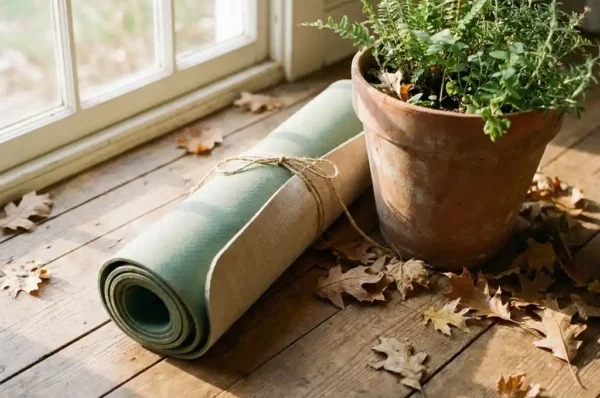
Practicing in the middle of the day when temperatures are naturally warmer can make a noticeable difference. If you practice at home, warm the room before you begin rather than relying entirely on your practice to do it. Rolling out your mat in a warm space, even briefly, helps your body settle into movement more comfortably. You can also explore yoga mats with better grip and cushioning, which matter more in winter when you may be wearing socks at the start of practice.
What should you wear and use for a winter yoga practice?
For a winter yoga practice, wear moisture-wicking base layers that keep sweat away from your skin while retaining warmth, and choose natural fibers like organic cotton or merino wool where possible. Layering is key: start with a long-sleeved top and leggings, and remove layers as your body heats up. Grip socks are useful at the start of practice when your feet are cold, though most practitioners remove them once they warm up.
Beyond clothing, the right props make a meaningful difference in how comfortable and effective your winter practice feels:
- A quality yoga mat: A thicker or natural rubber mat provides better insulation from cold floors. Our natural rubber yoga mat offers excellent grip and cushioning, which matters even more when you are layering up at the start of a cold-weather session.
- A yoga blanket: Invaluable for Savasana and restorative poses, where your body temperature can drop quickly. Drape it over yourself to hold in the heat you have worked hard to build.
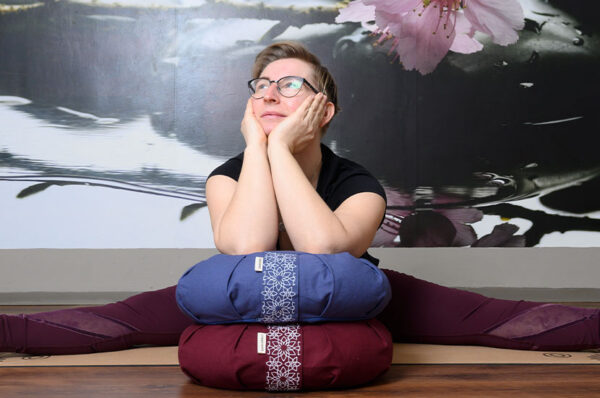
- A bolster or cushion: Supportive props allow you to stay in restorative poses longer without straining, which is especially helpful when muscles are tighter in winter.
The goal with winter yoga gear is to support your body through the transition from cold to warm and back again, without interrupting the flow of your practice. Starting layered, moving intentionally, and having a blanket ready for the end of your session covers most of what you need to make your winter yoga routine both warming and enjoyable.
Frequently Asked Questions
How long should a winter yoga session be to effectively warm the body?
A winter yoga session of 30 to 45 minutes is generally sufficient to generate and sustain meaningful body heat, though even a focused 20-minute practice built around Sun Salutations and standing poses can make a noticeable difference. The key is prioritizing a longer warm-up phase — roughly 10 minutes — before moving into deeper work. Shorter sessions are still worthwhile on days when motivation is low; consistency matters more than duration during the colder months.
What are the best pranayama (breathing) techniques to add warmth to a winter practice?
Kapalabhati (skull-shining breath) and Bhastrika (bellows breath) are the most effective pranayama techniques for generating internal heat in winter. Kapalabhati involves rhythmic, forceful exhales through the nose and is a great way to begin your session before any movement. Ujjayi breath — the slow, ocean-sounding breath often used throughout Vinyasa practice — is also valuable for maintaining warmth and focus during the session itself. Even 2 to 3 minutes of Kapalabhati at the start can noticeably shift how warm and energized your body feels.
Is it safe to practice yoga outdoors in winter?
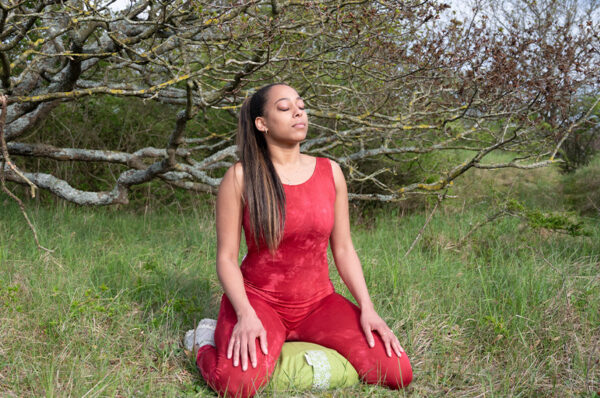
Outdoor winter yoga is possible but requires extra precautions to avoid injury and excessive heat loss. If you choose to practice outside, do so during the warmest part of the day, wear adequate moisture-wicking and wind-resistant layers, and significantly extend your warm-up before attempting any deep stretches or balance poses. Avoid outdoor practice in wet or icy conditions, as cold, damp surfaces increase the risk of slipping and make it much harder for your body to retain heat. For most practitioners, an indoor space with a pre-warmed room is the safer and more comfortable option through the winter months.
Can beginners follow a warming winter yoga routine, or is it better suited to experienced practitioners?
A warming winter yoga routine is absolutely accessible to beginners — the key is to choose a pace and intensity that feels manageable rather than overwhelming. Beginners can start with just five rounds of Sun Salutations and hold standing poses like Warrior I for fewer breaths, gradually building up over time. Using props like blocks, a bolster, and a yoga blanket also makes the practice more accessible and comfortable regardless of experience level. The most important thing for beginners is to listen to their body and not push into discomfort, especially since muscles are naturally stiffer in cold weather.
Why do I feel more stiff and inflexible during winter, and how can yoga help?
Stiffness in winter is largely a physiological response: lower ambient temperatures cause muscles and connective tissue to contract slightly, reducing their elasticity and range of motion. Reduced physical activity during cold months can compound this effect. A consistent dynamic yoga practice counteracts this by increasing circulation, warming the muscles from the inside out, and gently improving flexibility over time. Committing to even three sessions per week through winter can significantly reduce that characteristic morning stiffness and help you maintain the range of motion you built during warmer months.
How can I stay motivated to practice yoga when it's cold and dark outside?
Creating a dedicated, comfortable practice space at home is one of the most effective ways to reduce the friction that kills winter motivation — when your mat is already rolled out in a warm room, the barrier to starting is much lower. Building a consistent schedule and treating your practice like a non-negotiable appointment also helps, as does choosing shorter, more energizing sequences on low-motivation days rather than skipping the session entirely. Some practitioners find that morning yoga is especially valuable in winter because it counteracts seasonal sluggishness and sets a positive tone for the day before the cold and darkness have a chance to take hold.
Should I skip Savasana in winter to avoid getting cold at the end of my practice?
You should not skip Savasana in winter — it remains an important part of the practice for integrating the physical and mental benefits of your session — but you should adapt it for the colder environment. Keep Savasana shorter than you might in warmer months, around 3 to 5 minutes rather than 10, and always use a yoga blanket draped over your body to retain the heat you have built. Wearing a pair of socks and a light long-sleeved layer during Savasana is also a simple way to stay comfortable without cutting the pose short.