


Meditation is absolutely suitable for beginners. In fact, it is one of the most accessible wellness practices available because it requires no prior experience, no special equipment, and no particular level of fitness. Anyone who can sit quietly for a few minutes and focus their attention can start meditating today. The sections below walk through everything a newcomer needs to know, from taking the very first breath to building a consistent routine.
How do complete beginners actually start meditating?
Complete beginners can start meditating by choosing a quiet spot, sitting comfortably, setting a short timer, and gently focusing on the breath. That is genuinely all it takes. The goal is not to empty the mind but simply to notice when attention wanders and bring it back without judgment. Five minutes done consistently beats an hour attempted once.
Here is a simple step-by-step approach that works well for most people new to meditation basics:
- Choose a consistent spot. A corner of your bedroom, a chair by the window, or even a cushion on the floor all work. Returning to the same place each time builds a mental association that makes it easier to settle.
- Sit in a comfortable, upright position. You do not need to sit cross-legged on the floor. A chair with your feet flat on the ground is perfectly fine. The key is keeping the spine reasonably straight so you stay alert rather than drowsy.
- Set a short timer. Start with five minutes. Knowing the session has a defined end removes the temptation to keep checking the clock.
- Focus on the breath. Notice the sensation of air entering and leaving the nose, the rise and fall of the chest, or the expansion of the belly. Pick one anchor and stay with it.
- Return without judgment when the mind wanders. The mind will wander. That is not failure. Noticing the distraction and returning to the breath is the actual practice.
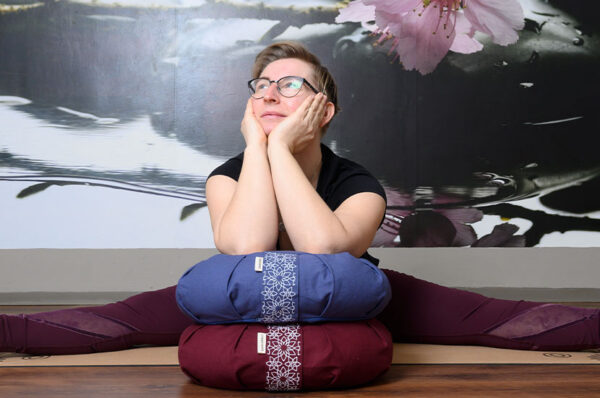
Supporting your posture with a meditation cushion can make a real difference in those early sessions. Sitting on a firm, supportive surface helps maintain an upright posture without the distraction of discomfort, which lets you focus on the practice rather than your hips.
What can beginners realistically expect from meditation?
Beginners can realistically expect to feel calmer and more mentally clear within the first few sessions, though deeper benefits build gradually over weeks of consistent practice. It is equally realistic to expect restlessness, a busy mind, and occasional frustration in the early stages. Both experiences are completely normal parts of the learning curve.
In the first week or two, most new meditators notice a slight reduction in the immediate stress response after each session. The mind feels a little quieter for an hour or so afterward, even if the session itself felt scattered. That post-session calm is a reliable early signal that the practice is working.
Over the course of a month or two, the benefits tend to compound. Many practitioners report improved sleep, a greater sense of emotional steadiness, and a growing ability to pause before reacting in stressful situations. These shifts happen gradually, which is why managing expectations early matters so much.
What beginners should not expect is a perfectly blank mind, immediate bliss, or dramatic transformation after a single session. Meditation is a skill, and like any skill, it develops through repetition. The quality of individual sessions will vary enormously, and that variation is not a measure of progress.
Which type of meditation is best for beginners?
Mindfulness meditation focused on the breath is widely considered the best starting point for beginners. It requires no prior knowledge, no specific belief system, and no special tools. The technique is straightforward enough to learn in minutes, yet deep enough to sustain a lifelong practice. Guided meditation using an app or audio recording is a close second for those who find silence overwhelming at first.
Breath-focused mindfulness
This is the foundation of most secular meditation traditions. You anchor attention on the physical sensation of breathing and gently return whenever the mind drifts. It trains the core skill that underlies nearly every other form of meditation, which makes it the most transferable starting point.
Guided meditation
A teacher or recording leads you through the session, providing verbal cues to direct attention and manage distraction. This format is particularly helpful for beginners who find unstructured silence uncomfortable or who struggle with self-direction in the early stages. Many free guided sessions are available through apps and streaming platforms, making this an easy entry point.
Body scan meditation, loving-kindness practice, and mantra-based techniques are all worth exploring once the basics feel familiar. However, spreading attention across multiple styles too early can slow progress. Sticking with one approach for at least a month gives it a fair chance to take root before experimenting further.
How often should beginners meditate to see results?
Beginners should aim to meditate once a day, every day, even if each session is only five to ten minutes long. Daily consistency produces noticeably better results than longer but infrequent sessions. The cumulative effect of short, regular practice reshapes habitual thought patterns in a way that occasional longer sits simply cannot replicate.
The most important variable is not duration but regularity. A five-minute session every morning for thirty days will deliver more tangible change than a forty-five-minute session once a week. This is because meditation trains the nervous system through repetition, and the training effect fades quickly without consistent reinforcement.
A practical progression for beginners looks something like this:
- Weeks 1 to 2: Five minutes daily, same time each day, ideally in the morning before the day gets busy.
- Weeks 3 to 4: Extend to eight or ten minutes if five minutes has started to feel comfortable.
- Month 2 onward: Gradually increase toward fifteen to twenty minutes as the habit solidifies.
Tying meditation to an existing habit, such as right after brushing your teeth or before your morning coffee, significantly increases the chance of sticking with it. Creating a small, dedicated space also helps. Our meditation sets are designed with exactly this in mind, giving you everything needed to make that corner of your home feel intentional and inviting from day one.
The bottom line on meditation basics is this: start small, stay consistent, and trust the process. Beginners who commit to even a few minutes each day are building one of the most genuinely rewarding habits available, and the investment compounds beautifully over time. If you are ready to set up your own dedicated practice space, Samarali has everything you need — from a supportive meditation mat to a complete meditation set that makes showing up each day feel like a genuine pleasure. Shop the collection and give your practice the foundation it deserves.
Frequently Asked Questions
What should I do if my mind won't stop wandering during meditation?
A wandering mind is not a problem to fix — it is literally the practice. Every time you notice your thoughts have drifted and you gently return your focus to the breath, you are performing the mental equivalent of a bicep curl. Instead of fighting distraction, try labeling it briefly (‘thinking,’ ‘planning,’ ‘worrying’) before returning to your anchor. Over time, the gaps between wandering become longer, but even experienced meditators deal with a busy mind regularly.
Is it okay to meditate lying down, or do I have to sit upright?
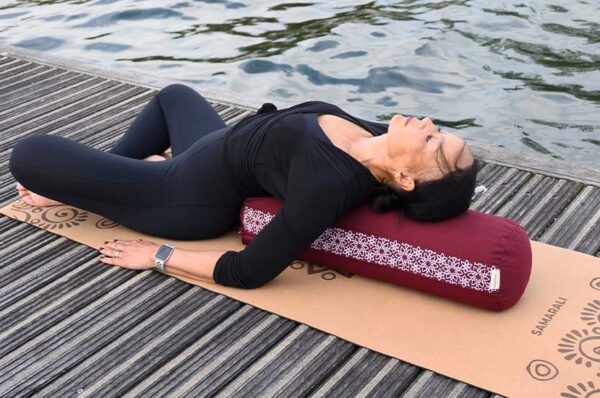
You can meditate lying down, but there is a practical trade-off: most people fall asleep. The upright seated posture is recommended for beginners specifically because it keeps the nervous system alert enough to stay present. If you have a physical condition that makes sitting uncomfortable, lying down is absolutely fine — just be intentional about staying awake. A slight incline, such as propping your head on a pillow, can help bridge the gap between comfort and alertness.
How do I know if I'm actually meditating 'correctly'?
If you are sitting, focusing your attention on an anchor like the breath, and returning to that anchor when your mind drifts, you are meditating correctly — full stop. There is no special mental state you need to achieve and no benchmark session to compare yourself against. A common beginner mistake is treating a restless, thought-heavy session as a failed one, when in reality the act of repeatedly redirecting attention is exactly what builds the skill. Consistency and intention matter far more than how any single session feels.
Can meditation help with anxiety, or could it make it worse?
For most people, regular meditation is one of the most effective non-clinical tools for reducing anxiety, as it trains the ability to observe worried thoughts without being swept away by them. However, a small number of people — particularly those with a history of trauma — may initially find that sitting quietly with their thoughts feels destabilizing. If that happens, guided meditation with a gentle, grounding focus (such as a body scan or a soothing voice) tends to be better tolerated than silent, unstructured practice. If anxiety significantly worsens, it is worth speaking with a mental health professional who can integrate mindfulness into a broader support plan.
What is the best time of day to meditate as a beginner?
Morning is generally the most effective time for beginners because the mind is less cluttered with the day’s events and it is easier to protect that window before other demands crowd it out. That said, the best time of day is whichever slot you can actually commit to consistently — a lunchtime session you do every day beats a morning session you skip half the time. Experiment with two or three different time slots in your first week to find the one that feels most natural and sustainable for your schedule.
Do I need an app to get started, or can I meditate without one?
You do not need an app at all — the breath-focused technique described in this post requires nothing but a timer, which your phone’s built-in clock handles perfectly. That said, apps like Insight Timer, Headspace, or Calm offer structured beginner programs and guided sessions that many people find helpful for staying motivated in the first few weeks. A good middle ground is to use a guided app for your first two to four weeks to build confidence, then gradually transition to unguided sessions so you develop the self-direction that makes meditation sustainable long-term.
How long does it take before meditation starts making a noticeable difference in daily life?
Most beginners notice a subtle but real post-session calm within the first few days, but the changes that carry over into everyday life — less reactivity, better sleep, improved focus — typically become consistent after four to eight weeks of daily practice. Research on mindfulness-based programs generally points to eight weeks as the threshold at which structural and functional brain changes become measurable. Think of the first month as building the foundation and the second month as when you start to live in the house.