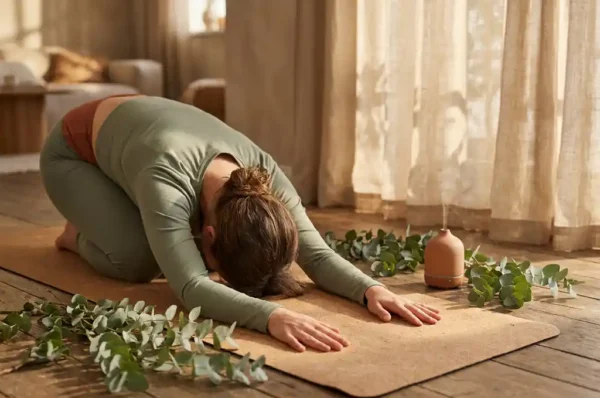



Hatha yoga is one of the most beginner-friendly yoga styles available, making it an excellent starting point for anyone new to the practice. Its slower pace, foundational postures, and emphasis on breath awareness create a welcoming environment where beginners can build strength, flexibility, and body awareness without feeling overwhelmed. Below, we answer the most common questions beginners have before stepping onto the mat for the first time.
What makes Hatha yoga different from other yoga styles?
Hatha yoga is a traditional, foundational style that focuses on physical postures (asanas) and breathing techniques (pranayama) held at a slow, deliberate pace. Unlike faster-moving styles such as Vinyasa or Ashtanga, Hatha yoga gives practitioners time to settle into each pose, understand proper alignment, and connect movement with breath. It is widely considered the root from which most modern yoga styles have grown.
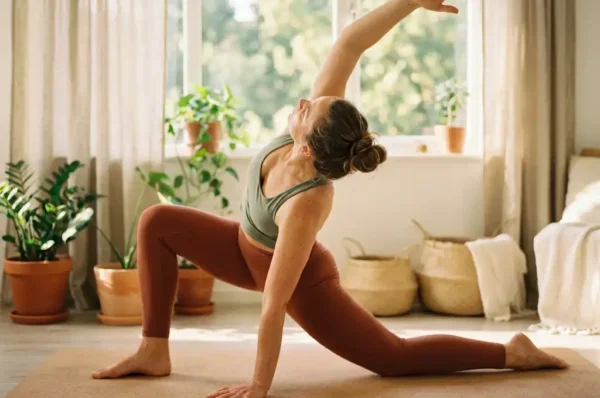
Where Vinyasa flows continuously from one posture to the next, a Hatha class typically holds each pose for several breaths before transitioning. This slower rhythm makes it easier to learn the mechanics of foundational postures like Warrior I, Downward Dog, and Mountain Pose without rushing. The focus is on building a solid technical foundation rather than cardiovascular intensity.
Hatha classes also tend to include more explicit instruction on alignment and breathing, which is particularly valuable for beginners. Teachers in Hatha sessions often explain the purpose of each posture, helping students understand not just what they are doing but why. This educational quality sets Hatha yoga apart as a genuinely accessible entry point into yoga as a whole.
How physically demanding is a Hatha yoga class?
Hatha yoga is moderately physical, but it is generally accessible to most fitness levels. Classes involve holding postures that build muscular strength and flexibility, but the slower pace means your heart rate stays relatively low compared to styles like Power Yoga or Hot Yoga. Most healthy adults, including those with little or no prior fitness experience, can participate comfortably in a standard Hatha class.
That said, “gentle” does not mean “effortless.” Holding a Warrior II pose for five full breaths or working through a deep hip opener requires genuine effort, particularly if your body is not accustomed to these movements. Over time, regular Hatha practice builds noticeable core strength, improved posture, and greater joint mobility.
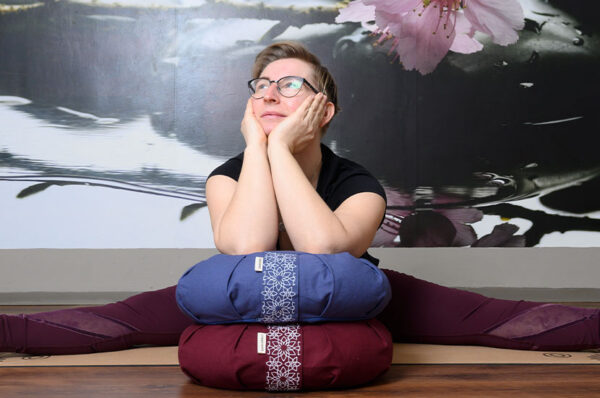
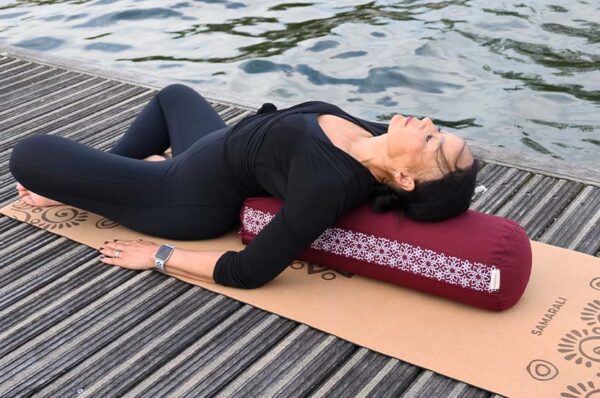
The physical demand also varies depending on the specific class and instructor. Some Hatha sessions lean toward restorative and meditative, while others incorporate more challenging sequences. Beginners are always encouraged to listen to their bodies, use props such as blocks or a yoga bolster to support poses, and communicate with their teacher if something feels uncomfortable.
What should a beginner expect in their first Hatha yoga class?
In a first Hatha yoga class, beginners can expect a structured, welcoming session that moves through a sequence of standing, seated, and lying-down postures, typically lasting 60 to 90 minutes. The class will usually open with a centering exercise or breathing practice, progress through a series of asanas, and close with Savasana, a guided relaxation pose at the end.
Most instructors will offer modifications for every posture, so you do not need to be flexible or strong to participate. Props like blocks, straps, and blankets are commonly used to help students find safe, comfortable versions of each pose. Arriving a few minutes early to let the teacher know you are new is always a good idea, as they can offer additional guidance throughout the session.
Here is a general outline of what a typical Hatha class includes:
- Centering and breathwork: A few minutes of stillness and conscious breathing to transition from the outside world into your practice
- Warm-up movements: Gentle stretches and joint mobilization to prepare the body
- Standing postures: Poses that build strength, balance, and body awareness
- Seated and floor postures: Hip openers, forward folds, and twists to increase flexibility
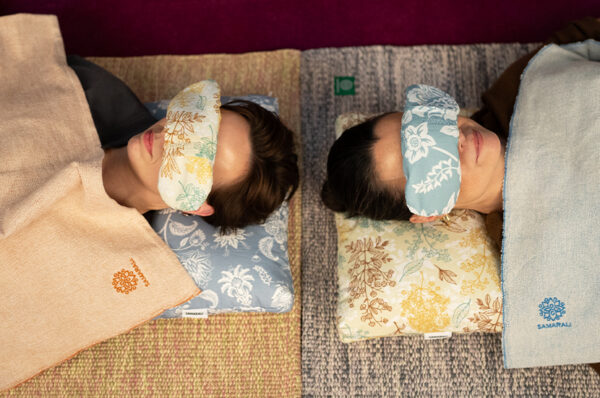
- Savasana: A final resting pose that allows the body to absorb the benefits of the practice
Having a supportive surface to practice on makes a real difference, especially when you are learning. A quality mat helps with grip, cushioning, and stability. We offer yoga mats made from sustainable materials that are well-suited to the steady, grounded movements of a Hatha practice.
When should beginners consider a different yoga style instead?
Beginners should consider a different yoga style if Hatha yoga feels either too gentle or too physically focused for their current needs. While Hatha suits most newcomers, some individuals may benefit more from a restorative or Yin class if they are recovering from an injury or managing chronic stress, or from a more dynamic style like Vinyasa if they prefer a faster, more cardio-driven workout.
Here are a few scenarios where an alternative style might be a better starting point:
- You are recovering from injury or illness: Restorative yoga uses fully supported postures held for several minutes, placing minimal strain on the body. It is a gentler option for those who need a therapeutic rather than physical focus.
- You want a meditative, floor-based practice: Yin yoga targets connective tissue through long-held, passive poses and may suit those drawn more to stillness and inner awareness than active movement.
- You prefer continuous movement and a higher heart rate: Vinyasa or Flow yoga links postures together in a sequence that keeps the body moving and the breath rhythmic, which suits those who find slow-paced classes frustrating.
- You are looking for a highly structured, progressive system: Ashtanga yoga follows a fixed sequence that builds in difficulty over time, which appeals to those who thrive with clear progression and discipline.
The honest truth is that most beginners do well to start with Hatha yoga precisely because it teaches the fundamentals that all other styles build on. Even if you eventually move toward a different practice, the alignment awareness and breathing skills developed in Hatha will serve you well. Ready to get started with everything you need? At Samarali, you will find a carefully curated range of yoga essentials to support your practice from day one — including natural rubber yoga mats, a yoga bolster for supported poses, and a cosy organic cotton yoga blanket for Savasana. Shop the yoga collection and set yourself up for a grounded, comfortable start.
Frequently Asked Questions
How often should a beginner practice Hatha yoga to see real results?
For noticeable improvements in flexibility, strength, and body awareness, most beginners benefit from practicing Hatha yoga 2–3 times per week. Consistency matters far more than frequency — attending two focused classes per week will yield better results than sporadic daily sessions. Even a short 20–30 minute home practice between classes can accelerate your progress and help reinforce what you learn in the studio.
What equipment do I actually need before my first Hatha yoga class?
At minimum, all you need is a yoga mat, comfortable clothing that allows free movement, and an open mind. Most studios provide props like blocks, straps, and blankets, so you don’t need to purchase those right away. If you plan to practice at home or prefer your own mat, investing in a quality, non-slip mat with good cushioning is the single most impactful equipment choice you can make as a beginner.
I'm not flexible at all — is Hatha yoga still suitable for me?
Absolutely, and this is one of the most common misconceptions about yoga. Flexibility is not a prerequisite for Hatha yoga — it is one of the outcomes. Hatha’s slow pace and emphasis on modifications mean that every posture can be adapted to your current range of motion using props or adjusted positioning. Many dedicated Hatha practitioners started out unable to touch their toes and developed significant flexibility over time simply by showing up regularly.
Should I eat before a Hatha yoga class, and if so, how long before?
It’s best to practice Hatha yoga on a relatively empty stomach. A general guideline is to avoid large meals for 2–3 hours before class, as twisting, bending, and inversions can feel uncomfortable with a full digestive system. If you need something before class, a light snack such as a banana or a small handful of nuts about 60–90 minutes beforehand is usually well tolerated without disrupting your practice.
What's the biggest mistake beginners make in Hatha yoga classes?
The most common mistake is pushing too hard too soon — either forcing flexibility beyond your current range or comparing yourself to more experienced practitioners in the room. Hatha yoga rewards patience and self-awareness, not effort through pain. A closely related mistake is skipping Savasana at the end of class; while it may seem like simply lying down, this final resting pose is when your nervous system integrates the benefits of the entire session, making it one of the most important parts of the practice.
Can I practice Hatha yoga at home as a beginner, or is a class environment essential?
Home practice is absolutely possible for beginners, especially with the wealth of guided videos available on platforms like YouTube or dedicated yoga apps. However, attending at least a few in-person classes first is strongly recommended so that a qualified teacher can observe your alignment and correct any habits that could lead to injury over time. Once you have a foundational understanding of key postures and safe alignment, a home practice becomes a highly effective and convenient supplement to studio classes.
How long does it typically take to feel comfortable and confident in a Hatha yoga class?
Most beginners start feeling noticeably more comfortable after 4–6 consistent weeks of practice, which typically translates to 8–15 classes. In that time, the foundational postures begin to feel familiar, the breathing cues become more intuitive, and the overall structure of a class feels less unfamiliar. That said, yoga is a lifelong practice — even experienced practitioners continue discovering new layers in postures they have done hundreds of times, which is part of what makes it so rewarding.