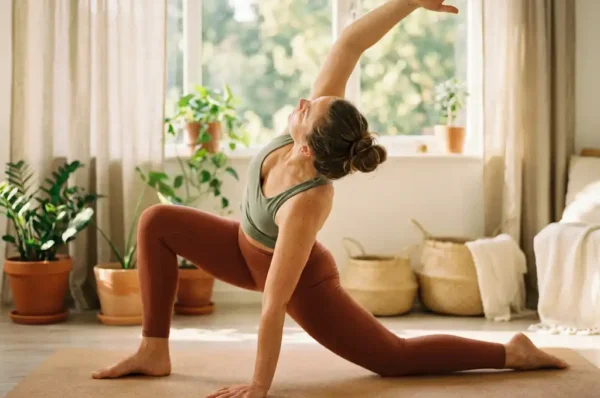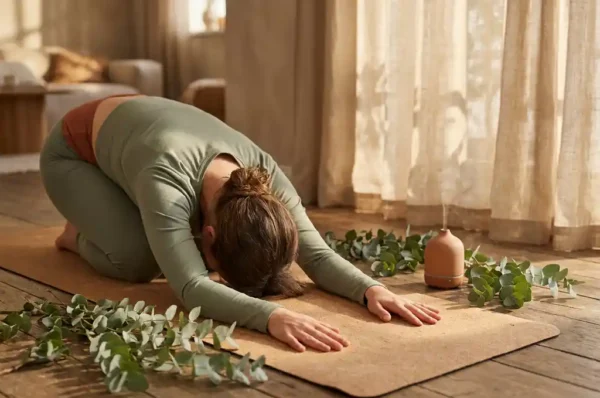



Yes, meditation can genuinely help with both anxiety and burnout. Regular practice works by calming the nervous system, reducing stress hormones, and training the mind to respond rather than react to pressure. It is not a cure, but for many people it becomes one of the most effective and accessible tools for managing overwhelm. Below, we unpack exactly how it works and what to expect.
How does meditation actually reduce anxiety?
Meditation reduces anxiety by shifting the nervous system from a state of stress activation into a calmer, more regulated state. With consistent practice, it lowers the baseline reactivity of the stress response, making anxious thoughts feel less urgent and easier to observe without being overwhelmed by them.
When you experience anxiety, your brain triggers the fight-or-flight response, flooding your body with stress hormones like cortisol and adrenaline. Meditation interrupts this cycle. Focusing on the breath, a mantra, or bodily sensations gives the mind a stable anchor, which signals safety to the nervous system and gradually reduces the intensity of anxious spirals.
Over time, regular meditation also strengthens the prefrontal cortex, the part of the brain responsible for rational thinking and emotional regulation. This means you become better at noticing anxious thoughts as thoughts rather than facts. You still feel anxiety, but you develop more space between the feeling and your reaction to it. That gap is where real relief lives.
Even short sessions of ten to fifteen minutes can produce a measurable shift in how calm or grounded you feel. The key is consistency rather than duration. A daily five-minute practice will do more for anxiety over time than an occasional hour-long session.
What’s the difference between anxiety and burnout — and does it matter for meditation?
Anxiety is characterised by excessive worry, mental restlessness, and a heightened sense of threat, even when no immediate danger is present. Burnout, by contrast, is a state of deep physical and emotional exhaustion caused by prolonged stress, typically linked to work or caregiving. The distinction matters for meditation because each condition calls for a slightly different approach.
With anxiety, the nervous system is often in overdrive. The mind races, the body feels tense, and stillness can initially feel difficult or even uncomfortable. Meditation helps here by providing a reliable technique to return to the present moment and interrupt the loop of worried thinking.
Burnout looks and feels different. Rather than excess mental energy, there is often a profound flatness, a sense of emptiness, disconnection, or numbness. People experiencing burnout may find that traditional seated meditation feels like just another task on an already exhausting list. For them, gentler, more restorative practices tend to work better than techniques that demand focused mental effort.
Understanding which experience you are dealing with helps you choose the right type of practice, which is exactly what the next section covers.
Which types of meditation work best for stress and exhaustion?
For stress and anxiety, breath-focused meditation and mindfulness-based techniques tend to be the most effective. For exhaustion and burnout, body scan meditations and restorative, guided practices are generally better suited. The right type depends on whether your nervous system needs calming, grounding, or deep rest.
Meditation types that help with anxiety
Breath awareness meditation is one of the most well-supported practices for reducing anxious thinking. By anchoring attention to the physical sensations of breathing, you interrupt the mental loop that keeps anxiety running. Counting breaths or following a simple inhale-exhale rhythm gives the mind something concrete to hold onto.
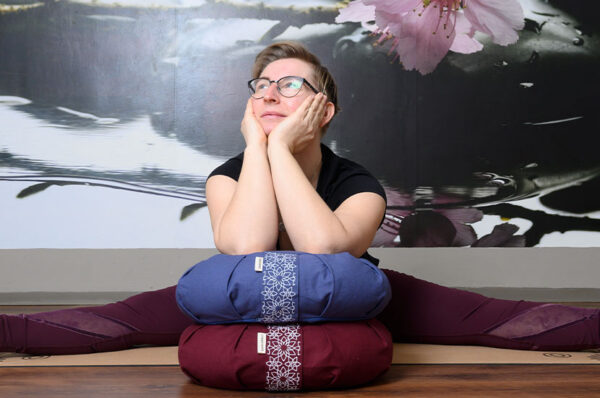
Mindfulness meditation, where you observe thoughts without engaging with them, is also highly effective for anxiety. Over time, it builds the skill of noticing anxious patterns without being pulled into them. Many people find that sitting on a meditation cushion helps them settle into a consistent posture that supports longer, more focused sessions.
Meditation types that help with burnout
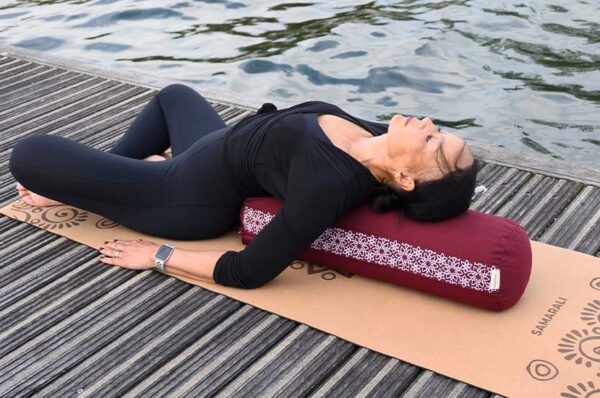
Body scan meditation is particularly well-suited to burnout because it asks very little of you mentally. You simply move awareness slowly through each part of the body, noticing sensation without trying to change anything. This practice reconnects you with your physical self at a time when burnout often creates a sense of disconnection from the body.
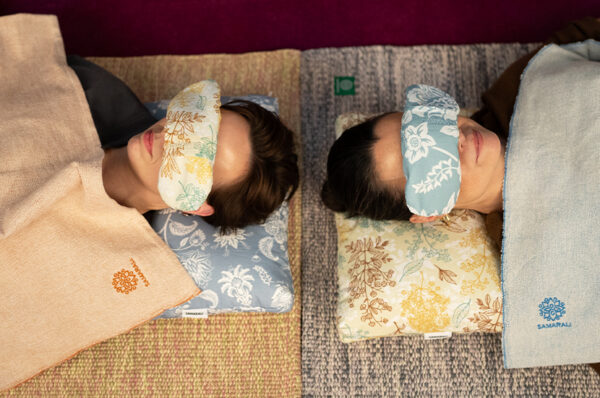
Yoga nidra, sometimes called yogic sleep, is another powerful option for burnout recovery. It guides you into a deeply restful state between waking and sleeping, allowing the nervous system to reset without requiring active mental effort. Loving-kindness meditation, which involves directing warmth toward yourself and others, can also help address the emotional depletion that burnout brings.
How long does it take for meditation to help with anxiety and burnout?
Most people notice some benefit from meditation within one to two weeks of consistent daily practice. A meaningful reduction in anxiety symptoms or a shift in how you experience stress typically becomes noticeable after four to eight weeks of regular sessions. Burnout recovery takes longer because it involves physical and emotional depletion that requires sustained rest and lifestyle change alongside meditation.
It is worth being realistic here. Meditation is not a quick fix, and the first few sessions may feel frustrating or even boring. The mind wanders, stillness feels unfamiliar, and it can be hard to know whether you are doing it correctly. This is entirely normal and part of the process.
The most reliable indicator of progress is not how calm you feel during meditation but how you respond to stress in daily life. You might notice you recover from difficult moments faster, sleep a little better, or feel less reactive in tense situations. These small shifts accumulate over time into something genuinely transformative.
If you are new to the practice, starting with guided meditations and a simple, comfortable setup makes it far easier to stay consistent. Exploring our meditation sets can help you create a dedicated space that makes showing up each day feel inviting rather than like an effort. The basics of meditation are simple: sit, breathe, and return. Everything else builds from there.
Ready to build a practice that truly supports you? At Samarali, you will find everything you need to create a calm, inviting space for your daily sessions. Whether you are looking for a meditation cushion to support a comfortable seated posture, a meditation mat to anchor your practice, or a complete meditation set to get started with everything in one place — it is all there, thoughtfully chosen for the kind of practice that helps you feel genuinely better. Shop the collection now and take the first step toward a calmer, more grounded you.
Frequently Asked Questions
Can I meditate if my mind won't stop racing — won't that make anxiety worse?
A racing mind is not an obstacle to meditation — it is actually one of the main reasons to meditate. You do not need to stop your thoughts; you simply practice noticing them without following them. Starting with very short sessions of three to five minutes and using a guided audio can make this feel far more manageable when mental restlessness is high.
What is the best time of day to meditate for anxiety or burnout?
Morning meditation tends to work well for anxiety because it sets a calmer baseline before the pressures of the day build up. For burnout, an evening or post-work session can be more beneficial, helping the nervous system transition out of stress mode before sleep. Ultimately, the best time is whichever slot you can protect consistently — regularity matters far more than timing.
I tried meditation before and it didn't work for me — should I try again?
Many people who feel meditation ‘didn’t work’ were either using a style that didn’t suit their needs or expected results too quickly. If seated breath-focused practice felt frustrating, a body scan, yoga nidra, or even a short walking meditation might be a much better fit. It is worth experimenting with two or three different formats before drawing any conclusions, as the variety of approaches is far wider than most beginners realise.
Is there a risk that meditation could make anxiety or burnout symptoms worse?
For most people, meditation is safe and beneficial, but a small number of individuals — particularly those with trauma histories or certain mental health conditions — can find that intensive inward focus temporarily heightens distress. If you notice that sitting in silence consistently increases your anxiety rather than easing it, try movement-based or open-eyed practices instead, and consider working alongside a therapist or mental health professional. Meditation is a powerful complement to professional support, not a replacement for it.
How do I stay consistent when burnout makes it hard to motivate myself to do anything?
When burnout has depleted your motivation, the key is to remove as much friction as possible from the practice. Keep sessions very short — even two to three minutes counts — and use a pre-recorded guided meditation so you do not have to make any decisions in the moment. Setting up a small, dedicated meditation space with a comfortable cushion or mat can also create a gentle environmental cue that makes it easier to show up without relying on willpower.
Should I meditate every day, or is a few times a week enough?
Daily practice produces the most consistent results because it gradually rewires how your nervous system responds to stress over time, much like physical exercise. That said, meditating four to five times a week is far better than not meditating at all, and on difficult days a two-minute breathing exercise still counts. Think of it less as an all-or-nothing commitment and more as a habit you keep returning to, even when life gets in the way.
When should I seek professional help instead of — or alongside — meditation?
Meditation is a valuable self-care tool, but it works best as part of a broader approach when symptoms are severe or persistent. If your anxiety is significantly interfering with daily functioning, your burnout has been ongoing for several months, or you are experiencing symptoms of depression, it is important to speak with a doctor, therapist, or mental health professional. Meditation and professional treatment are not mutually exclusive — many therapists actively encourage meditation as a complementary practice alongside therapy or other interventions.