


As a beginner, aim to meditate for 5 to 10 minutes a day. That is enough time to build the habit, experience the benefits, and avoid the frustration that often comes with sitting too long before your mind is trained to settle. Consistency matters far more than duration, especially in the early stages. Below, we answer the most common questions beginners have about meditation timing so you can start with confidence.
How many minutes a day should a beginner meditate?
A beginner should meditate for 5 to 10 minutes per day. This range is long enough to experience a genuine shift in mental state but short enough to feel manageable. Starting small removes the psychological barrier of “finding time,” making it far easier to show up every single day rather than occasionally for longer stretches.
Think of meditation like building physical fitness. You would not run a marathon on your first day of training. Instead, you would start with short, regular sessions and build endurance gradually. The same logic applies here. A 5-minute daily practice held consistently for a month will produce more noticeable results than a 30-minute session done once a week.
Many experienced practitioners and teachers suggest starting with just 5 minutes and only extending the time once that feels genuinely comfortable. Some beginners find that 10 minutes feels natural right away, while others need several weeks at 5 minutes before they are ready to go longer. Both experiences are completely normal.
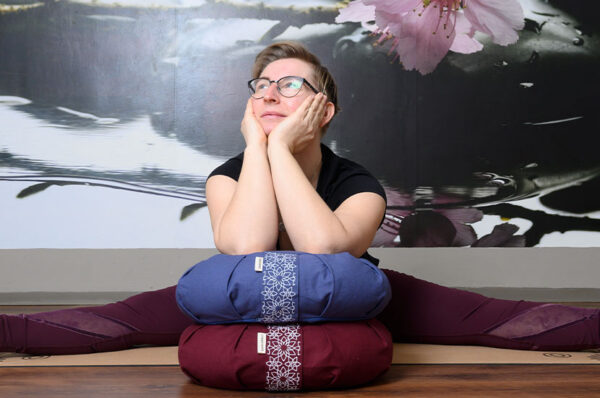
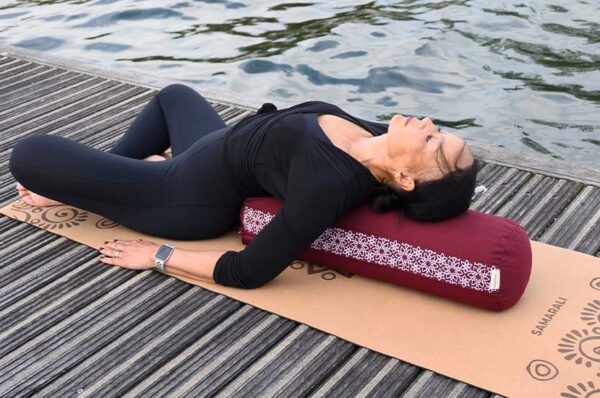
Sitting comfortably also plays a bigger role than most people expect. If your body is uncomfortable, your mind will fixate on that discomfort rather than settling. A supportive setup, such as a meditation cushion, can make a real difference in how long you can sit without distraction.
Does the length of a meditation session actually matter?
Session length matters, but not as much as regularity. A short, focused 5-minute session where you genuinely settle your attention is more valuable than a distracted 30-minute session where you spend most of the time waiting for it to end. For beginners, quality of attention is a more useful measure than minutes on the clock.
That said, length is not completely irrelevant. Research in contemplative practice consistently points to the idea that the mind needs a few minutes just to transition from everyday activity into a quieter state. This means very short sessions of 1 to 2 minutes may not give you enough time to actually experience stillness. Sessions in the 5 to 15 minute range tend to hit a sweet spot for beginners: enough time to settle, not so long that the mind rebels.
As your practice deepens, longer sessions do offer something qualitatively different. Extended sits can allow you to move through initial restlessness and reach deeper states of calm that shorter sessions simply do not have time to access. But that is a later stage of practice. For now, showing up every day for a modest amount of time is the single most important thing you can do.
When should a beginner increase their meditation time?
A beginner should increase their meditation time when their current session length feels easy and natural, not forced or rushed. A reliable sign you are ready to extend is when you regularly finish a session feeling like you could sit a little longer. If you are still watching the clock and willing the timer to go off, wait before adding more time.
A practical approach is to add 2 to 3 minutes every one to two weeks. This gradual progression keeps the practice sustainable and prevents the burnout that often comes from jumping too quickly to ambitious session lengths. Here is a simple progression that works well for most beginners:
- Weeks 1 to 2: 5 minutes per day
- Weeks 3 to 4: 7 to 8 minutes per day
- Weeks 5 to 6: 10 minutes per day
- Weeks 7 to 8: 12 to 15 minutes per day
- Beyond that: Increase in 5-minute increments as feels natural
There is no universal target you must reach. Many people maintain a 10 to 15 minute daily practice for years and find it deeply satisfying. Others work toward 20 to 30 minutes over time. Let your own experience guide the pace rather than comparing yourself to others or following a rigid schedule.
If you have recently started exploring both yoga and meditation together, our meditation sets are designed to support exactly this kind of growing practice, giving you everything you need in one thoughtfully curated collection.
What time of day is best to meditate as a beginner?
The best time of day to meditate as a beginner is whenever you can do it consistently. Habit formation depends on attaching a new behavior to an existing routine, so the “best” time is highly personal. That said, many practitioners find that meditating in the morning, before the demands of the day take over, makes it easiest to stay consistent.
Morning meditation has a practical advantage: your schedule is typically more predictable before the day begins than after it. Unexpected meetings, social plans, and general fatigue can all derail an evening intention. Meditating first thing also means you start the day with a clearer, calmer mindset, which many people find carries forward into their work and interactions.
Evening meditation is a strong option if mornings feel too rushed. Sitting before bed can help the nervous system wind down and improve sleep quality, which makes it a genuinely useful practice for people who struggle to switch off at night. The key risk is falling asleep during the session, which is common but not a failure. It simply means your body needed rest.
Midday meditation, sometimes called a “reset sit,” works well for people with flexible schedules. A short session after lunch can break up mental fatigue and restore focus for the afternoon. The basic meditation principle that applies to all of these windows is the same: pick a time, protect it, and treat it as non-negotiable for at least the first month. That consistency is what transforms a good intention into a real practice.
Ready to build a meditation practice that truly supports you? At Samarali, you will find everything you need to sit with comfort and intention — from a dedicated meditation mat to supportive meditation cushions that make every session easier on your body. Whether you are just starting out or deepening an existing practice, the right tools make a real difference. Shop the meditation collection now and set yourself up for a practice that lasts.
Frequently Asked Questions
What should I do if my mind keeps wandering during a short meditation session?
Mind wandering is not a sign that you are meditating incorrectly — it is actually the core of the practice. Each time you notice your mind has drifted and gently bring your attention back, you are performing the mental equivalent of a rep at the gym. For beginners, a simple anchor like focusing on the breath or counting inhales and exhales gives the mind something concrete to return to, which makes the process of redirecting attention much easier and less frustrating.
Is guided meditation better than silent meditation for beginners?
For most beginners, guided meditation is the more accessible starting point because it provides structure, reduces uncertainty, and keeps the mind from going completely blank about what to do next. Apps like Insight Timer, Headspace, or Calm offer beginner-friendly guided sessions in the 5 to 10 minute range that align perfectly with the recommended starting duration. Once you feel comfortable with the basic mechanics of settling your attention, you can experiment with silent, unguided sits and see which format resonates more with you.
What if I miss a day — does it reset my progress?
Missing a single day does not erase your progress, and treating it as a failure is one of the most common reasons beginners abandon their practice entirely. The goal is to build a long-term habit, and a realistic long-term habit will have occasional gaps. The most important thing is to return to your practice the next day without self-judgment, as if the missed session simply did not happen. Research on habit formation suggests that missing once has little impact on long-term consistency, but missing twice in a row is where the habit begins to unravel — so prioritize getting back on track quickly.
Can I split my meditation into two shorter sessions instead of one longer one?
Yes, splitting your practice into two shorter sessions is a perfectly valid approach, especially on busy days. Two 5-minute sessions can deliver similar cumulative benefits to a single 10-minute sit and are far better than skipping the day entirely. That said, as your practice matures, there is value in training the mind to sustain attention for longer uninterrupted stretches, so try to keep at least some of your sessions at your full target duration rather than always splitting them.
How do I know if my meditation practice is actually working?
The benefits of meditation are often subtle and show up in everyday life rather than during the sessions themselves — you might notice you react less impulsively to stress, recover from frustration more quickly, or feel more present in conversations. Keeping a simple journal with a one or two sentence note after each session can help you spot these gradual shifts over time, which are easy to overlook in the day-to-day. If after four to six weeks of consistent practice you notice no change at all, it may be worth trying a different technique or style, as not every method suits every person.
Does the physical setup really make a difference, or can I just sit anywhere?
You can technically meditate anywhere, but your physical environment has a meaningful impact on how quickly and deeply you settle, especially as a beginner. A quiet, consistent location signals to your brain that it is time to shift into a calmer state, much like how your bedroom signals sleep. Sitting in a comfortable, upright position — supported by a meditation cushion or folded blanket if needed — also prevents the body discomfort that competes for your attention and cuts sessions short before you have had a chance to genuinely settle.
Are there any signs that I am pushing my meditation practice too hard, too fast?
Yes — the clearest signs are dreading your sessions, feeling agitated or restless throughout most of the sit, or consistently abandoning sessions before the timer goes off. These are signals that your current session length or technique may be more demanding than your mind is ready for, and the fix is almost always to scale back rather than push through. Dropping back to a shorter, more comfortable duration for a week or two is not a step backward; it is a smart recalibration that protects the long-term sustainability of your practice.