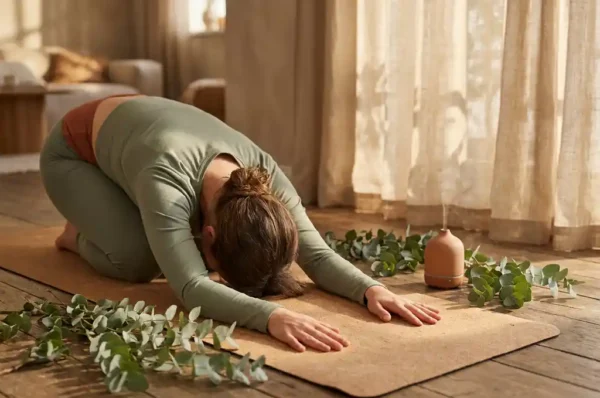



Wondering how do you combine yoga and meditation in daily practice? When you pair yoga with meditation, you create a complete mind-body routine that builds physical strength, reduces stress, and sharpens mental clarity in a single session. Yoga provides structured movement and breath awareness, while meditation cultivates stillness and focused attention — together, they form a self-reinforcing mindfulness practice that is greater than the sum of its parts. The physical postures release tension and prepare the nervous system for seated stillness, while meditative awareness brings deeper intentionality to every pose. For beginners and intermediate practitioners alike, this integrated approach makes consistency easier by satisfying both physical and mental needs at once, forming a sustainable daily routine that supports long-term well-being.
What’s the difference between yoga and meditation in daily practice?
Understanding the distinct roles of yoga and meditation helps you maximize their combined benefits and structure a daily routine that works for your lifestyle:
- Physical focus vs. mental focus: Yoga emphasizes movement, breath control, and body awareness, while meditation concentrates on mental stillness, concentration, and mindfulness
- Energy release vs. energy cultivation: Physical yoga helps release tension and stored energy, making it easier to sit still, while meditation cultivates calm energy that enhances mindful movement
- Different stress pathways: Yoga addresses stress through physical release and nervous system regulation, while meditation works through mental training and awareness cultivation
- Complementary preparation: Movement prepares your body for stillness by releasing restlessness, while mental clarity from meditation brings greater intention and awareness to physical practice
These practices create a comprehensive wellness system where breath serves as the connecting bridge between movement and stillness. Pranayama, the yogic practice of conscious breathwork, is the most direct tool for linking the two disciplines. Techniques such as Nadi Shodhana (alternate nostril breathing) can be used between your yoga sequence and seated meditation to calm the nervous system and ease the transition into stillness. Whether you are flowing through yoga sequences or sitting in silent meditation, breath awareness anchors your attention, deepens both experiences, and builds the resilience against daily stress that makes a combined practice so effective for mental clarity and emotional balance.
How do you create a realistic yoga and meditation daily routine that actually sticks?
Building a sustainable yoga and meditation practice requires strategic planning that honors your lifestyle and energy patterns. Even 10 to 15 minutes each day is enough to experience meaningful benefits when you practice consistently:
- Start small and consistent: Begin with 10–15 minutes daily, combining 5–10 minutes of gentle yoga with 5 minutes of meditation, prioritizing regularity over duration
- Match timing to energy: Choose morning practice for intention-setting and mental clarity, or evening sessions for unwinding and stress release
- Adapt to circumstances: Develop variations for busy days (desk stretches plus breathing meditation) and relaxed days (longer sequences with extended meditation)
- Create environmental cues: Set up a dedicated space with visible props like a folded mat and meditation cushions to serve as gentle practice reminders
- Track simply and effectively: Use calendar marks or brief journal notes to monitor progress and identify which combinations work best for different moods and situations
Success comes from flexibility rather than rigid adherence to perfect conditions. Your combined yoga and meditation routine should feel supportive rather than demanding, adapting to life’s natural rhythms while maintaining a daily thread of mindful practice. Missing one session is not failure — returning the next day is the practice. This forgiving approach builds genuine habit formation that withstands schedule changes and motivation fluctuations, creating a routine that truly serves your long-term physical and mental well-being.
When should you meditate during your yoga practice for maximum benefit?
Strategic timing maximizes the synergistic benefits of combining yoga and meditation. There are three natural windows within a session, each serving a distinct purpose in your practice:
- Pre-yoga centering (2–3 minutes): Brief breath awareness or intention-setting transitions you from daily activities into practice mode, preventing rushed movement and cultivating presence
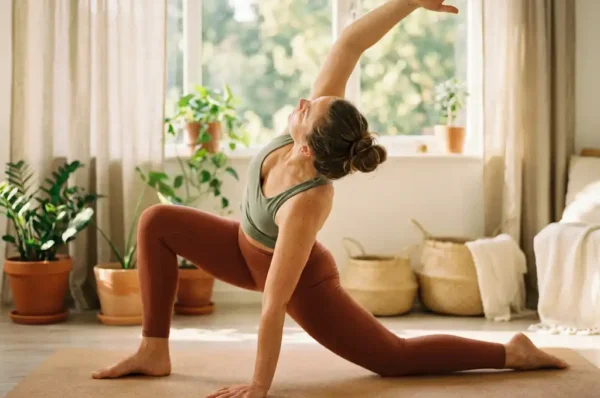
- During-yoga mindfulness: Maintaining meditative awareness of breath, sensations, and alignment transforms each pose into moving meditation, developing the ability to stay present during physical activity
- Post-yoga integration (5–10 minutes): Deeper meditation after physical practice takes advantage of natural relaxation, opened energy channels, and the calm mental state that follows movement
- Flexible timing options: Some practitioners prefer longer pre-yoga meditation for mental preparation, while others find post-yoga meditation more accessible and profound
This three-part approach creates a complete journey from everyday consciousness through mindful movement into deep stillness. The physical yoga practice serves as a natural bridge between active breathwork and seated meditation, with each phase supporting and enhancing the others. As you experiment with different timing combinations, pay attention to how your body and mind respond — morning sessions often build mental clarity and focus for the day ahead, while evening sessions are better suited to stress release and preparing for restful sleep. Discovering what works for your schedule and temperament is itself part of the practice.
What equipment do you need for a combined yoga and meditation practice?
You do not need much to get started. A small selection of quality, sustainable equipment supports both practices while keeping your setup simple and your space intentional:
- Quality yoga mat: Choose sustainable mats made from natural rubber or organic materials (4–6 mm thickness) that provide stability for poses and a clean surface for floor-based meditation
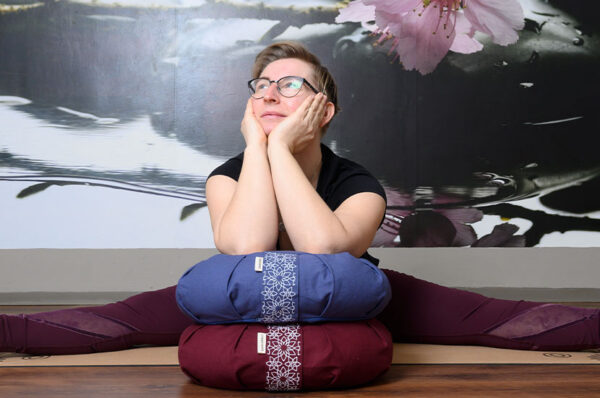
- Meditation support: A cushion, bolster, or folded blanket helps maintain comfortable posture with hips slightly above knees, reducing strain during sitting practice
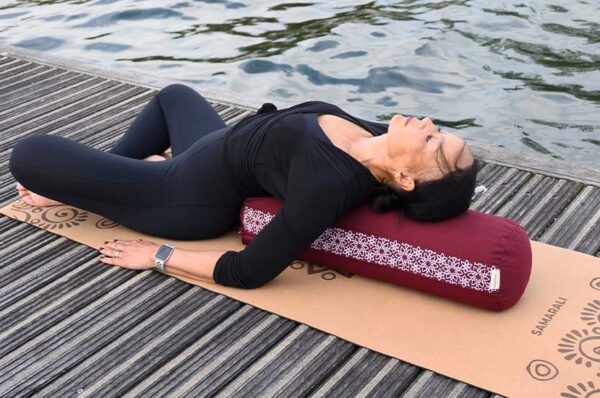
- Versatile props: Blocks and bolsters support both restorative yoga poses and various meditation positions, maximizing functionality in your practice space
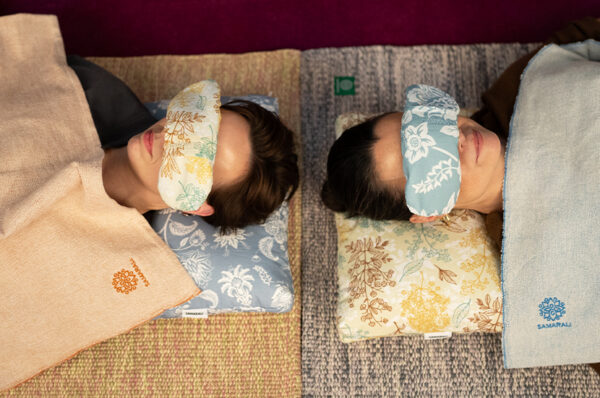
- Comfort accessories: A dedicated blanket maintains warmth during meditation and relaxation poses when body temperature naturally drops during stillness
- Practice structure tools: A timer or meditation app helps structure sessions without clock-watching, maintaining focus and flow
Keeping your equipment simple, organized, and easily accessible in a dedicated space encourages regular practice and builds a sense of ritual around your routine. Choosing sustainable, organic materials supports both your personal wellness journey and your environmental values — a reflection of the same intentionality you bring to your yoga and meditation practice itself. When your space is ready and your tools are within reach, the decision to practice becomes effortless.
Learning how to combine yoga and meditation in daily practice is one of the most effective steps you can take toward lasting physical and mental well-being. Movement prepares you for stillness, and stillness brings deeper awareness to movement — each practice amplifies the other. Start with just 10 minutes, stay consistent, and let your routine grow naturally with your needs. The most important session is simply the one you show up for today.
We at Samarali understand the importance of sustainable practice in every sense. All the fabric used in our yoga and meditation gear is made from organic cotton, and we do not use any plastic in our product packaging, supporting both your well-being journey and environmental responsibility.
Browse our collection of thoughtfully crafted sustainable yoga and meditation essentials — designed for mindful movement, built to last, and made with respect for the planet.