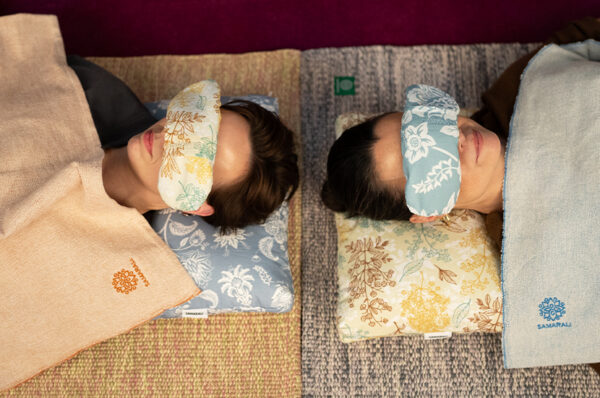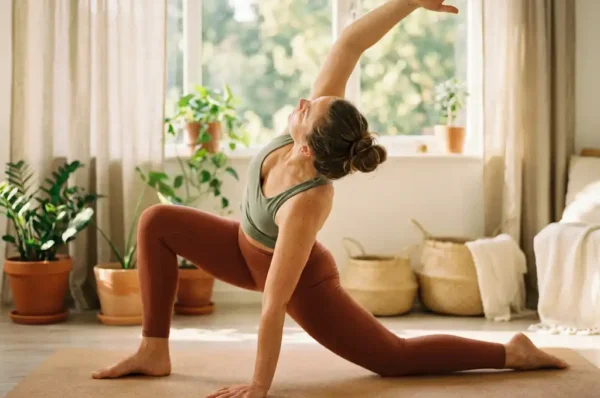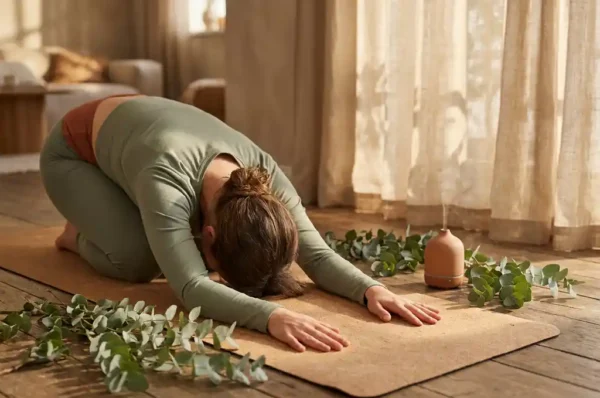



For Yoga Nidra, the best blanket is a soft, medium-weight blanket made from natural fibers like organic cotton or wool. Because Yoga Nidra is a guided relaxation practice where you lie completely still, staying warm and comfortable is essential. The right blanket makes the difference between genuine rest and distracted discomfort. Below, we answer the most common questions about choosing your ideal Yoga Nidra blanket.
What makes a blanket ideal for Yoga Nidra?
An ideal Yoga Nidra blanket is soft against the skin, warm enough to prevent the body temperature drop that happens during deep stillness, and large enough to cover you fully from shoulders to feet. Unlike active yoga styles, Yoga Nidra involves lying in Savasana for an extended period, so comfort and warmth are the two non-negotiable qualities.
Beyond warmth and size, texture matters more than many people expect. During deep relaxation, sensory awareness heightens rather than disappears, meaning a scratchy or stiff blanket can pull your attention away from the practice. A blanket that feels genuinely cozy encourages the nervous system to shift into the parasympathetic state that Yoga Nidra is designed to cultivate.
Breathability is another key quality. A blanket that traps too much heat can become uncomfortable midway through a long session. Natural fiber blankets tend to regulate temperature far better than synthetic ones, keeping you warm without overheating. Our organic cotton yoga blanket is designed with exactly this balance in mind, offering warmth and breathability in a single sustainable piece.
Which blanket materials work best for deep relaxation?
Organic cotton and wool are the two best blanket materials for Yoga Nidra. Both are natural, breathable, and temperature-regulating, which makes them well suited to the long periods of stillness the practice requires. Organic cotton is lightweight, soft, and hypoallergenic, while wool offers superior warmth for cooler environments or for sensitive practitioners who feel the cold easily.
Cotton is the more versatile everyday choice. It washes easily, stays fresh, and works across a wide range of temperatures. For most practitioners, an organic cotton blanket covers all the bases without being too heavy or too warm.
Wool is worth considering if you practice in a cool studio, outdoors, or during winter months. It retains warmth even when slightly damp, which is helpful if you tend to perspire lightly during relaxation. Merino wool in particular is soft enough to wear directly against the skin without irritation.
Synthetic fleece and polyester blankets are widely available and often inexpensive, but they come with drawbacks for Yoga Nidra specifically. They tend to trap heat unevenly, generate static, and lack the natural breathability that keeps you comfortable across a 30 to 60 minute session. From a sustainability perspective, synthetic materials also shed microplastics with each wash, which conflicts with the mindful values many yoga practitioners hold.
How heavy should a Yoga Nidra blanket be?
A Yoga Nidra blanket should be light to medium weight, typically between 500 grams and 1.5 kilograms for a standard single or throw size. This range provides enough warmth to prevent the chill that comes with lying still, without creating the pressure or restriction that would disrupt comfort during a long relaxation session.
Weighted blankets, which typically start at around 4 to 7 kilograms, are sometimes used in therapeutic settings and can promote a grounding, held sensation. Some practitioners find this deeply calming for Yoga Nidra. However, they are not necessary for the practice and can feel too heavy for people who prefer a lighter, less restrictive cover.
The most practical approach is to choose a blanket that you can fold for extra warmth or spread fully depending on the season and your environment. A medium-weight cotton or wool blanket gives you that flexibility without committing to a single fixed level of warmth.
Can you use a regular blanket for Yoga Nidra?
Yes, you can use a regular blanket for Yoga Nidra, and many practitioners do. Any blanket that is soft, warm, and large enough to cover your body will serve the basic purpose. The practice itself has no strict equipment requirements, and comfort is the only real standard your blanket needs to meet.
That said, a blanket chosen specifically with Yoga Nidra in mind will generally serve you better over time. Regular household blankets are often made from synthetic materials, sized for beds rather than floor practice, or simply not pleasant enough against the skin to support deep sensory relaxation. If your blanket pulls your attention because it feels scratchy, slides off, or makes you too hot, it is worth upgrading.
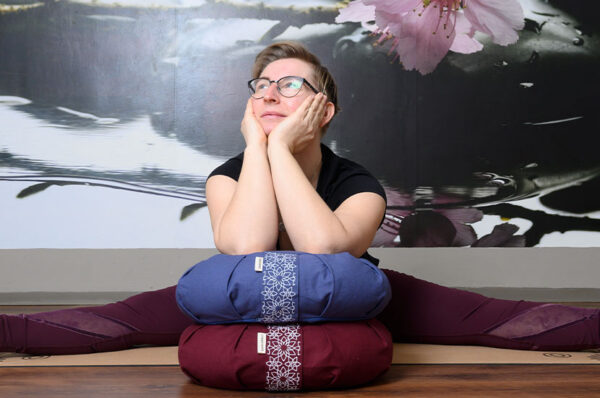
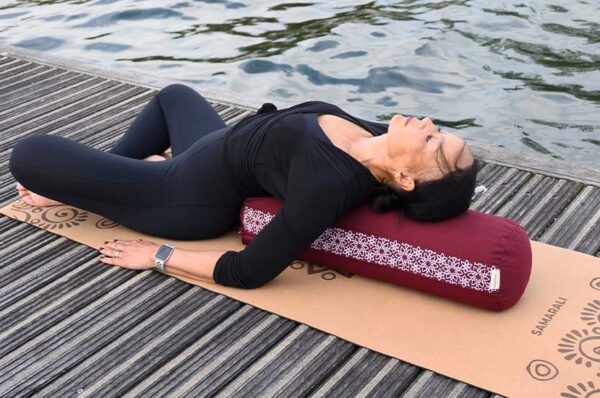
A yoga-specific blanket also tends to be more versatile across your whole practice. It can double as a prop under the knees in Savasana, a support under the hips in seated postures, or a folded cushion during meditation sessions. Pairing your blanket with a yoga bolster can further enhance your Yoga Nidra setup, especially if you practice restorative poses beforehand.
In short, start with what you have, but if you find yourself frequently adjusting your blanket or feeling distracted by temperature during practice, investing in a natural fiber yoga blanket is a simple upgrade that genuinely improves the experience.
Ready to elevate your Yoga Nidra practice with the right props? At Samarali you will find a carefully curated selection of natural, sustainable yoga essentials — including our organic cotton yoga blanket, designed for exactly the kind of deep, unhurried rest that Yoga Nidra calls for. Pair it with a yoga bolster or explore our full meditation sets to create a setup that truly supports your practice. Shop now and discover what it feels like to rest well.
Frequently Asked Questions
How do I care for and wash my Yoga Nidra blanket?
Most organic cotton yoga blankets can be machine washed on a gentle or cold cycle and tumble dried on low heat, making them easy to maintain. Wool blankets require more care — opt for hand washing or a wool-specific machine cycle with a mild detergent to prevent shrinking and preserve softness. Avoid fabric softeners, as they can break down natural fibers over time and reduce breathability. Always check the care label, and air drying is generally the safest option for extending the life of any natural fiber blanket.
What size blanket should I get for Yoga Nidra?
A blanket measuring at least 150 cm x 200 cm (roughly 60 x 80 inches) is ideal for Yoga Nidra, as it should comfortably cover your entire body from shoulders to feet while you lie in Savasana. If you are taller than average, look for a throw or travel blanket in the larger end of that range, or even a twin-bed size. Keep in mind that a slightly oversized blanket is always preferable to one that leaves your feet or shoulders exposed, since even small areas of cold skin can break your focus during deep relaxation.
Is it worth investing in an organic or sustainably made blanket specifically for yoga?
Yes, especially if you practice regularly. Organic and sustainably made blankets are free from harsh chemical dyes and pesticide residues that can irritate sensitive skin during prolonged contact — something that matters more in a 45-minute Yoga Nidra session than in everyday use. Beyond personal comfort, choosing certified organic materials aligns with the broader yogic principle of ahimsa (non-harm), extending mindful values beyond the mat. Many practitioners find that using intentional, ethically made props also deepens their sense of ritual and commitment to the practice.
Can I use my Yoga Nidra blanket for other types of yoga or meditation?
Absolutely — a good yoga blanket is one of the most versatile props you can own. It can be folded into a firm support under the hips or knees in seated meditation, used as padding under the spine in restorative poses, or draped over the shoulders during pranayama practice in cooler months. A medium-weight cotton blanket in particular transitions seamlessly between active support and passive covering, making it a practical addition to any yoga or mindfulness toolkit.
What if I get too warm or too cold during a Yoga Nidra session?
Temperature discomfort is one of the most common reasons practitioners struggle to stay present during Yoga Nidra, and the fix is usually simpler than people expect. If you tend to overheat, choose a lighter organic cotton blanket and place it loosely over your body rather than tucking it in, which allows for better airflow. If you consistently feel cold, layer a wool blanket on top of a cotton one, or wear warm socks and a long-sleeved layer underneath before you begin — it is much harder to warm up mid-session than to start comfortably warm. Some practitioners also keep a second, lighter blanket nearby to swap out as needed.
How is a Yoga Nidra blanket different from a regular Mexican-style yoga blanket?
Traditional Mexican-style yoga blankets — the thick, woven, striped ones common in studio prop cupboards — are primarily designed as firm props for active yoga: folding under the sit bones, supporting joints, or creating height in seated poses. They are durable and sturdy, but their dense, rough weave is not particularly comfortable against bare skin for extended periods. A Yoga Nidra blanket prioritizes softness, breathability, and warmth over structural firmness, making it a different tool for a different purpose. If you already own a Mexican blanket, it can work in a pinch, but pairing it with a soft cotton layer against your skin will significantly improve your comfort.
Are there any blanket features I should actively avoid for Yoga Nidra?
Yes — avoid blankets with raised textures, embroidery, or decorative stitching on the surface that will rest against your skin, as these can become surprisingly distracting during heightened sensory awareness. Blankets with strong synthetic dyes or chemical finishes are also worth avoiding, particularly if you have sensitive skin or allergies. Finally, steer clear of very large, heavy blankets designed for beds, as their bulk makes them awkward to fold into props and their weight can feel restrictive during a long relaxation session.