


The best yoga sequences change throughout the day to match your body’s natural energy patterns and needs. Morning practices focus on gentle awakening and energizing movements, while evening sequences emphasize relaxation and preparation for sleep. Midday sessions target stress relief and tension release. Timing your practice correctly helps you work with your body’s rhythms rather than against them.
What makes morning yoga sequences different from evening practice?
Morning and evening yoga practices serve fundamentally different purposes based on your body’s natural rhythms and needs:
- Physical state differences: Morning muscles are tighter after sleep and your core temperature is lower, requiring gentle warm-up movements, while evening bodies are already warm but may carry accumulated tension from daily activities
- Nervous system activation: Morning practices gently stimulate your sympathetic nervous system to create alertness and energy, whereas evening sequences activate your parasympathetic nervous system to promote rest and recovery
- Flexibility variations: Morning stiffness requires more warm-up time and gentler approaches to deeper poses, while evening muscles are naturally more pliable but need targeted tension release
- Energy management: Morning sequences build energy gradually from a rested but sluggish state, while evening practices help discharge excess stimulation and prepare for sleep
Understanding these fundamental differences allows you to choose poses, breathing patterns, and practice intensity that support rather than fight your natural rhythms. Your autonomic nervous system responds differently throughout the day, making timing as important as the poses themselves for maximizing benefits and avoiding counterproductive stimulation or relaxation at inappropriate times.
Which yoga poses work best for building morning energy?
Effective morning yoga combines specific pose categories that gradually awaken your body and mind:
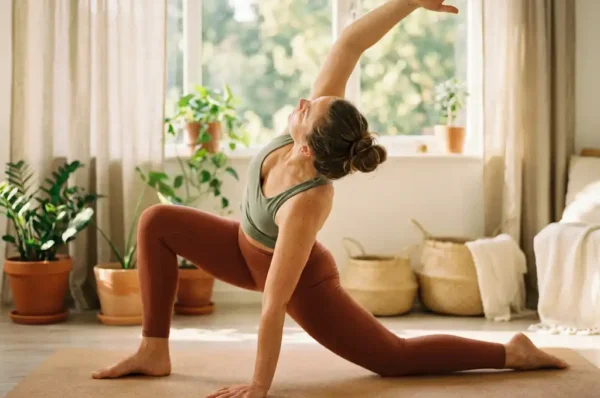
- Sun salutations: These flowing sequences warm your entire body through continuous movement—start with 3–5 rounds, moving slowly initially and building pace as circulation increases
- Gentle backbends: Poses like cobra, camel, or bridge counteract sleep posture, open your chest for deeper breathing, and naturally stimulate your nervous system without overwhelming morning sensitivity
- Standing poses: Mountain pose with arm raises, warrior I and II, and tree pose ground your energy while building strength, improving circulation, and creating mental focus through 5–8 breath holds
- Dynamic movements: Flowing between poses rather than static holds gradually increases heart rate and body temperature while respecting your body’s need for gentle awakening
- Energizing breathwork: Techniques like three-part breath or gentle kapalabhati breathing complete your practice by fully activating your respiratory system and mental alertness
These elements work together to create a comprehensive morning awakening that honors your body’s natural stiffness while systematically building the energy and focus needed for your day. The key is progression—starting gently and building intensity as your body responds, rather than forcing immediate activation that could create strain or overwhelm. Having a dedicated space with quality yoga mats can help establish a consistent morning routine.
How do you create an effective evening yoga routine for better sleep?
Creating an evening yoga routine that promotes quality sleep involves specific timing, pose selection, and environmental considerations:
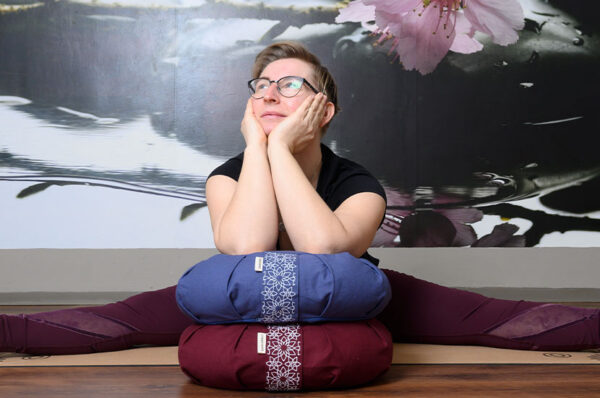
- Timing and preparation: Begin 30–60 minutes before bedtime with dim lighting and comfortable props like bolsters or pillows to signal your nervous system that it’s time to wind down
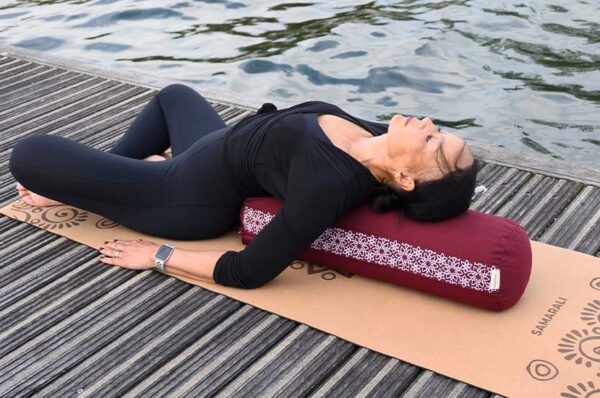
- Passive poses for tension release: Start with child’s pose or gentle seated stretches, then progress through forward folds, gentle twists, and restorative poses like legs-up-the-wall that naturally compress and soothe your nervous system
- Parasympathetic activation: Focus on poses that activate your body’s rest-and-digest response through supported positions—forward folds like seated forward bend naturally calm mental activity while gentle twists release lower back tension
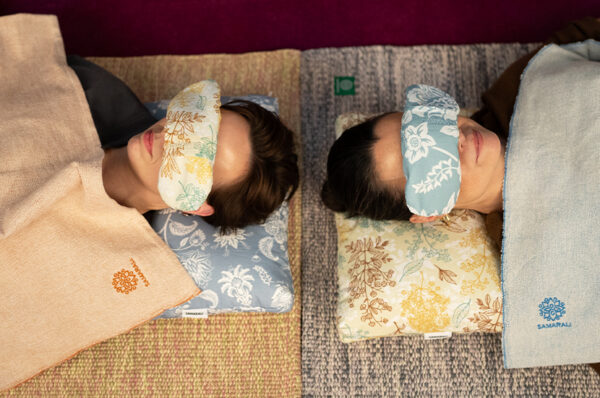
- Environmental optimization: Create a quiet, dimly lit space free from stimulating screens or music, using sustainable yoga equipment made from organic materials that support both comfort and environmental values
- Breathing integration: End with 5–10 minutes of restorative poses combined with techniques like 4-7-8 breathing or belly breathing to deepen your relaxation response
The most crucial aspect of evening practice is treating it as a gentle transition from day to night rather than another task to complete. Keep movements slow and mindful, allowing each pose to release not just physical tension but also the mental stimulation accumulated throughout your day, creating the optimal conditions for restorative sleep. Consider incorporating a yoga bolster to support deeper relaxation in restorative poses.
What’s the best approach to midday yoga when you’re feeling stressed?
Midday stress relief requires strategic, efficient practices that provide maximum benefit in minimal time:
- Desk-friendly movements: Focus on neck rolls, shoulder shrugs, seated spinal twists, and gentle side stretches that can be performed in regular clothes without requiring special space or equipment
- Immediate breathing techniques: Box breathing (4-count inhale, hold, exhale, hold) or simple belly breathing for 2–3 minutes provides the fastest nervous system reset with no preparation required
- Targeted tension release: Address common stress accumulation areas with seated cat-cow for spine mobility, eagle arms for shoulder blade tension, and seated figure-four stretches for hip tightness
- Quick reset sequences: Combine 2–3 poses with mindful breathing in 5–10 minute sessions that interrupt stress patterns without disrupting your schedule
- Mindful transition focus: Use these brief practices as conscious pauses that help you respond to afternoon challenges more skillfully rather than reacting automatically from accumulated tension
The effectiveness of midday yoga lies not in duration but in consistency and intentionality. Even brief moments of mindful movement and breathing can significantly reset your nervous system, improve afternoon focus, and prevent stress from compounding throughout the day, making these short practices remarkably powerful tools for maintaining balance during busy periods.
Choosing the right time for different yoga sequences helps you work with your body’s natural rhythms rather than against them. Morning practices build energy gradually, evening sequences prepare you for rest, and midday sessions provide quick stress relief when you need it most. At Samarali, we support your daily practice with sustainable yoga equipment made from organic cotton, packaged without plastic to honor both your wellness journey and environmental responsibility.
Browse our selection of thoughtfully crafted collection of sustainable yoga essentials—designed for mindful movement and made with respect for the planet.