


For Yoga Nidra, a thick, cushioned yoga mat is the best choice. Because Yoga Nidra is practiced lying completely still in savasana, comfort and support take priority over grip and stability. A mat that is at least 6mm thick, made from soft, natural materials, will help you stay relaxed and undistracted throughout the practice. Below, we break down the key questions to help you choose the right mat.
Does the type of yoga mat actually matter for Yoga Nidra?
Yes, the type of yoga mat genuinely matters for Yoga Nidra, but for different reasons than it does for active yoga styles. In Yoga Nidra, you are not moving, flowing, or balancing. You are lying still for an extended period, often 30 to 60 minutes, so the qualities that matter most are cushioning, warmth, and surface comfort rather than grip or durability under movement.
A thin, firm mat designed for dynamic vinyasa practice will leave you feeling the hard floor underneath you, which creates physical discomfort that pulls your attention away from the meditative state Yoga Nidra is meant to cultivate. Distractions like a numb back or a cold surface are the enemy of deep relaxation. Choosing the right mat removes those barriers before your practice even begins.
That said, you do not necessarily need a completely different mat if you already own one. Layering a blanket or bolster on top of your existing mat can compensate for a lack of cushioning. But if you are investing in something specifically for restorative or meditation practices, a mat built with comfort in mind will serve you much better.
What mat thickness is best for Yoga Nidra?
For Yoga Nidra, a mat thickness of at least 6mm is recommended, with 8mm to 12mm being ideal for most people. Thicker mats provide the cushioning your spine, hips, shoulders, and heels need during prolonged stillness. Standard yoga mats are typically 3mm to 4mm thick, which is simply not enough for a long savasana session.
Here is a quick guide to thickness options:
- 3mm to 4mm: Standard thickness, good for active yoga but too firm for extended lying down
- 5mm to 6mm: A reasonable middle ground if you also use the mat for active practice
- 8mm to 12mm: Excellent for restorative and Yoga Nidra sessions, maximum comfort for stillness
Body type also plays a role. People with less natural padding around their hips and shoulders tend to feel the floor more acutely and will benefit from the thicker end of the range. If you are petite or naturally cushioned, a 6mm mat may be perfectly comfortable. When in doubt, go thicker. You will not regret having extra support during a 45-minute guided relaxation.
Which mat materials work best for long savasana sessions?
Natural rubber and organic cotton are the best mat materials for long savasana sessions. Natural rubber provides a dense, supportive cushion that holds its shape over time, while organic cotton offers a softer, breathable surface that feels gentle against the skin. Both materials are free from the synthetic chemicals found in PVC mats, which matters when your face is close to the surface for an extended period.
PVC mats, while common and affordable, have a firm, slightly slick surface that can feel cold and clinical during a slow, still practice. They also tend to off-gas chemical odors, which is particularly noticeable when lying down with your nose near the mat. For a practice rooted in sensory awareness and deep relaxation, these small irritants add up.
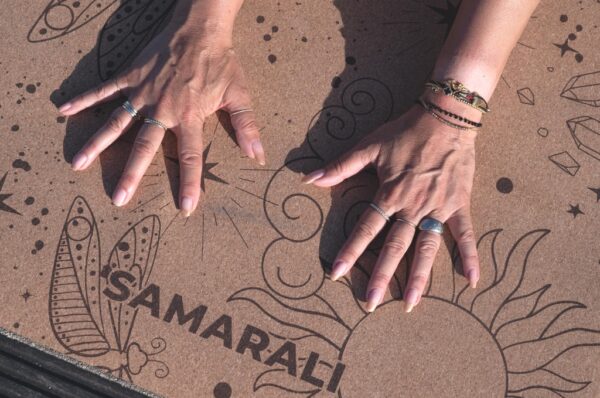
Our natural rubber yoga mat and organic cotton yoga rug are both made with exactly this kind of long-held, restorative practice in mind. They use sustainable, body-safe materials that support your comfort without introducing unnecessary sensory distractions.
If warmth is a priority for you, cotton is particularly good at retaining body heat, which helps prevent the drop in body temperature that often accompanies deep relaxation. Wool-blend surfaces and natural fiber mats share this quality and are worth considering if you practice in a cool space.
Should you use a yoga mat or a different surface for Yoga Nidra?
A yoga mat alone is often not the best surface for Yoga Nidra. Most practitioners find that combining a mat with additional props creates a far more comfortable and effective setup. A folded blanket, a bolster under the knees, and a small pillow or neck support under the head all work together to allow the body to fully release without strain or discomfort.
Think of your yoga mat as the foundation, not the complete solution. It provides a clean, defined space and a base layer of cushioning. What goes on top of it matters just as much. Common additions include:
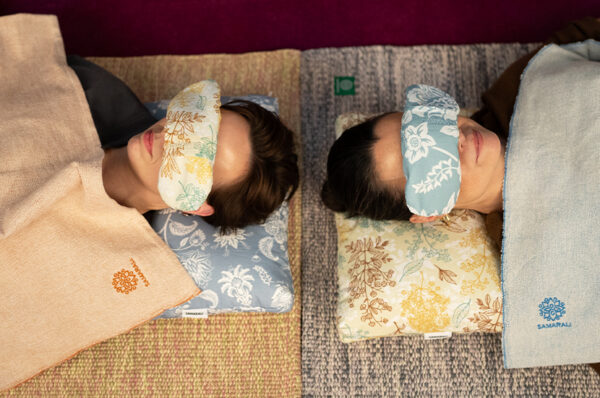
- A yoga blanket folded lengthwise beneath the spine for added warmth and softness
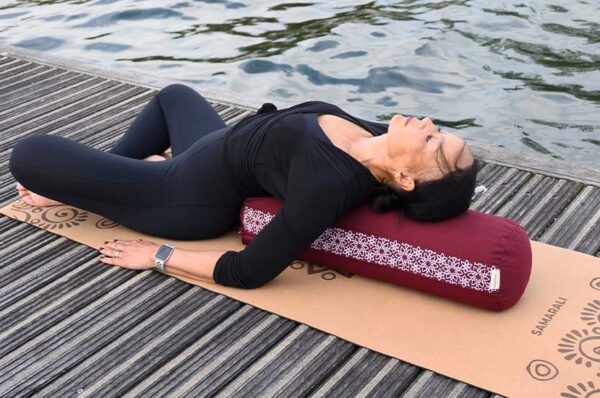
- A bolster placed under the knees to release tension in the lower back
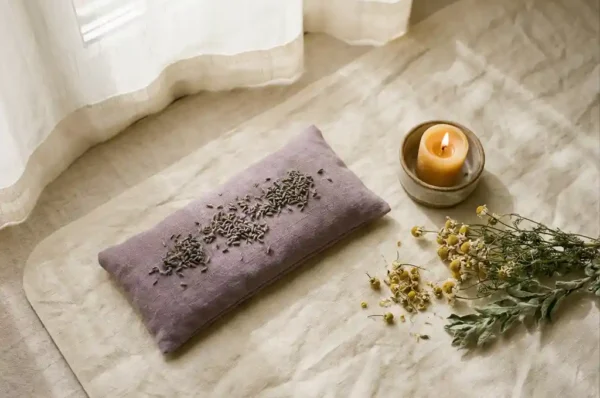
- A neck pillow or eye pillow to support the head and block out light
Some people prefer to practice Yoga Nidra directly on a thick meditation mat or even a firm mattress rather than a yoga mat. This is entirely valid. The goal is a surface that allows your body to be completely still and at ease for the duration of the practice. If a yoga mat with props achieves that, great. If a different surface works better for your body, use it.
For a complete restorative setup, explore our range of yoga mats alongside supportive props. Finding the right combination for your body type and practice environment makes a genuine difference in how deeply you can relax and how much you get out of each Yoga Nidra session.
Frequently Asked Questions
Can I use my regular vinyasa mat for Yoga Nidra if I'm just starting out?
Yes, you can absolutely start with your existing mat, especially if you’re new to Yoga Nidra and not yet ready to invest in a dedicated restorative mat. The simplest workaround is to layer a folded blanket or a thick towel on top to add the cushioning a standard 3–4mm mat lacks. As your practice deepens and becomes more regular, upgrading to a thicker mat (8–12mm) made from natural rubber or cotton will noticeably improve your comfort and help you drop into deeper states of relaxation more easily.
How do I stop feeling cold during Yoga Nidra, even when using a thick mat?
Feeling cold during Yoga Nidra is extremely common because your body temperature naturally drops as you enter a deeply relaxed, still state. The best solution is to layer up before you begin: cover yourself with a blanket, wear warm socks, and consider placing an additional blanket beneath you for insulation from the floor. Choosing a mat made from natural fibers like cotton or wool-blend materials also helps, as these retain body heat far better than PVC or synthetic rubber mats.
What's the difference between a yoga mat and a meditation mat — and does it matter for Yoga Nidra?
A traditional yoga mat is designed primarily for standing and movement-based practices, prioritizing grip and stability. A meditation mat, on the other hand, is typically thicker, softer, and optimized for seated or lying-down positions over extended periods. For Yoga Nidra specifically, a meditation mat or a thick restorative yoga mat (8–12mm) is the better choice, since grip is irrelevant and prolonged comfort is everything. If a product is marketed for both restorative yoga and meditation, it’s likely well-suited to Yoga Nidra.
How do I know if my mat is causing me to stay too alert or distracted during practice?
If you find yourself frequently shifting positions, noticing pressure points on your spine, hips, or heels, feeling cold, or detecting a chemical smell from your mat, these are all signs that your mat is working against your relaxation rather than supporting it. Physical discomfort is one of the most common reasons people struggle to enter the hypnagogic state Yoga Nidra is designed to access. Switching to a thicker, natural-material mat and adding props like a bolster and blanket is often the single most effective change beginners can make to improve their experience.
Is a wider or longer yoga mat worth it for Yoga Nidra?
Yes, mat dimensions matter more for Yoga Nidra than for most other practices. In savasana, your arms rest slightly away from your body and your feet fall open, so a standard-width mat (60–61cm) can feel cramped. A wide mat (70–76cm) gives your arms room to rest naturally without hanging off the edges. Similarly, if you are taller than average, opting for an extra-long mat (185–200cm) ensures your entire body, including your head and feet, stays on the surface throughout the session.
How should I care for a natural rubber or cotton mat to keep it in good condition?
Natural rubber mats should be wiped down with a damp cloth and a mild, natural cleaner after each use, and kept out of direct sunlight, which can degrade the rubber over time. Cotton yoga rugs are often machine washable, making them particularly easy to maintain — check the manufacturer’s care label, but most can be washed on a gentle, cool cycle. Avoid harsh chemical sprays on either material, especially since your face will be close to the surface during Yoga Nidra practice.
Can Yoga Nidra be practiced on a bed or couch instead of a mat?
Technically yes, but most teachers advise against it, particularly for beginners. A bed or couch is so strongly associated with sleep that practicing there increases the likelihood of falling fully asleep rather than maintaining the conscious awareness that defines Yoga Nidra. A dedicated mat or floor-based setup signals to your brain that this is a specific, intentional practice — not rest. If mobility or physical limitations make floor practice difficult, a firm mattress is a reasonable alternative, but pairing it with a consistent pre-practice routine can help reinforce the distinction between sleep and Yoga Nidra.
Ready to build your ideal Yoga Nidra setup? At Samarali, you will find everything you need to create a truly comfortable and supportive practice space. Browse our natural rubber yoga mat and organic cotton yoga rug for a body-safe, cushioned foundation, and pair them with our yoga bolster, organic cotton yoga blanket, and yoga neck pillow for full-body support during long savasana sessions. Explore the complete yoga mat collection at Samarali and shop now to find the combination that works best for your body and your practice.