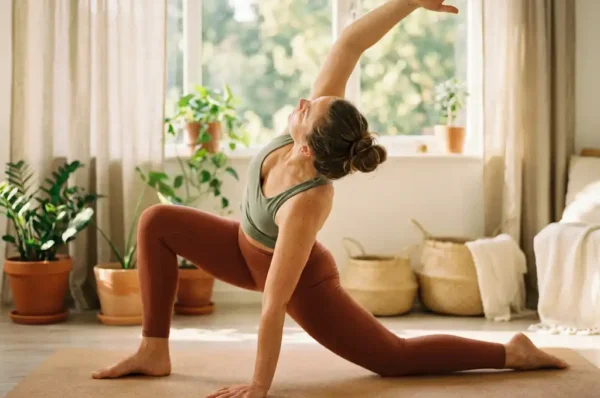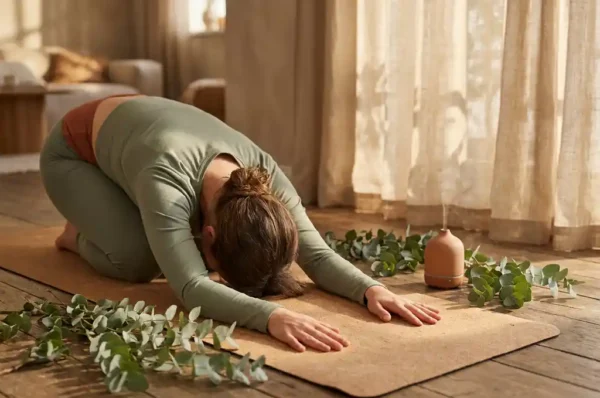



To start with breathwork, choose a simple technique like box breathing or diaphragmatic breathing, find a quiet seated position, and practise for just five to ten minutes a day. Breathwork is accessible to complete beginners and requires no equipment, making it one of the easiest mindfulness practices to build into a daily routine. Below, we answer the most common questions beginners have before getting started.
What are the most beginner-friendly breathwork techniques?
The most beginner-friendly breathwork techniques are box breathing, diaphragmatic breathing, and the 4-7-8 method. These three approaches are straightforward to learn, gentle on the nervous system, and effective from the very first session. They do not require any prior breathwork experience or special training.
Box breathing
Box breathing involves four equal counts: inhale for four seconds, hold for four, exhale for four, and hold again for four. The symmetry makes it easy to remember and easy to follow, even when your mind is busy. It is widely used to reduce stress and sharpen focus.
Diaphragmatic breathing
Also called belly breathing, this technique trains you to breathe from the diaphragm rather than the chest. Place one hand on your belly and one on your chest. As you inhale, your belly should rise while your chest stays relatively still. This deeper style of breathing activates the parasympathetic nervous system and is the foundation of most other breathwork practices.
The 4-7-8 method
Developed as a relaxation tool, the 4-7-8 technique asks you to inhale for four counts, hold for seven, and exhale slowly for eight. The extended exhale is what makes it particularly calming, and many people use it before sleep or during moments of anxiety. Start with just four cycles and build from there.
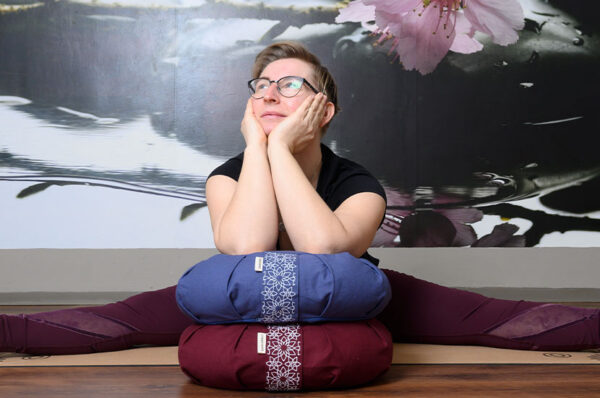
If you already have a seated meditation practice, pairing breathwork with a comfortable meditation cushion can help you maintain an upright posture that supports full, unrestricted breathing.
How does breathwork actually affect the body and mind?
Breathwork affects the body and mind by directly influencing the autonomic nervous system. Slow, controlled breathing activates the parasympathetic branch, which signals the body to shift out of a stress response and into a state of rest and recovery. This shift lowers heart rate, reduces cortisol levels, and creates a measurable sense of calm.
On a physiological level, deliberate breathing changes the balance of oxygen and carbon dioxide in the blood. Slower, deeper breaths increase oxygen efficiency and can reduce the physical symptoms of anxiety, such as a racing heart or tight chest. Over time, regular breathwork practice can also lower resting heart rate and improve respiratory efficiency.
The mental effects are equally significant. Focusing on the breath gives the mind a concrete anchor, which interrupts cycles of rumination and overthinking. Many practitioners report improved emotional regulation, better sleep, and a greater sense of mental clarity after consistent breathwork practice. These benefits tend to compound the longer you practise, which is why building a regular habit matters more than any single session.
How long and how often should you practise breathwork?
Beginners should aim for five to ten minutes of breathwork per day, practised at least four to five times a week. This frequency is enough to build the habit and begin experiencing benefits without overwhelming your schedule. Consistency matters far more than session length, especially in the early weeks.
As you become more comfortable, you can extend sessions to fifteen or twenty minutes. Some experienced practitioners work with longer sessions of thirty minutes or more, but there is no need to push toward that as a beginner. Short, regular sessions genuinely outperform occasional long ones when it comes to building the neural pathways that make breathwork feel natural.
The best time to practise is whenever you can commit to it consistently. Many people find morning breathwork sets a calm tone for the day, while evening sessions help them decompress and prepare for sleep. There is no single right answer. What matters is that the time you choose is protected and repeatable.
What common mistakes should beginners avoid in breathwork?
The most common mistakes beginners make in breathwork are breathing too forcefully, holding the breath beyond comfort, practising in an uncomfortable position, and expecting instant results. Avoiding these pitfalls will make your practice safer, more sustainable, and more effective from the start.
- Breathing too forcefully: More effort does not mean more benefit. Forced or aggressive breathing can cause dizziness or lightheadedness. Aim for smooth, controlled breaths rather than maximum volume.
- Ignoring discomfort signals: Mild tingling in the hands or a slight sense of lightheadedness can be normal, but sharp discomfort, chest pain, or extreme dizziness are signals to stop. Always listen to your body.
- Practising in a slouched position: Poor posture restricts the diaphragm and limits the depth of each breath. Sit upright on a firm surface or use supportive props to keep the spine long and the chest open.
- Skipping consistency in favour of intensity: Some beginners try advanced techniques too soon or practise infrequently but for long durations. A steady five minutes daily will serve you far better than an occasional hour-long session.
- Judging the session as it happens: Breathwork is not always immediately blissful. Some sessions feel neutral or even slightly uncomfortable as your nervous system adjusts. Resist the urge to evaluate each session in the moment.
Setting up a dedicated, comfortable space for your practice also helps you avoid the distraction-related mistake of stopping and starting. Whether that is a corner of your living room or a spot on one of our yoga mats, having a consistent physical space reinforces the habit and signals to your brain that it is time to focus.
Frequently Asked Questions
Can breathwork help with anxiety or panic attacks specifically?
Yes, breathwork is one of the most effective tools for managing anxiety and interrupting panic attacks in real time. Techniques like box breathing and the 4-7-8 method work by activating the parasympathetic nervous system, which directly counteracts the fight-or-flight response driving the panic. For best results, practise your chosen technique daily when you are calm so that it becomes second nature before you need it in a high-anxiety moment. Over time, consistent practice also lowers your baseline anxiety level, making acute episodes less frequent and less intense.
Is breathwork safe for everyone, or are there situations where I should check with a doctor first?
Breathwork is safe for the vast majority of people, but there are specific situations where medical clearance is advisable before starting. If you have a history of cardiovascular conditions, respiratory disorders such as asthma or COPD, epilepsy, or a recent trauma-related mental health diagnosis, speak with your doctor before exploring anything beyond gentle diaphragmatic breathing. Pregnant women should also seek guidance, as certain breath-retention techniques are not recommended during pregnancy. When in doubt, starting with the mildest techniques and shorter sessions is always the cautious and sensible approach.
How do I know if my breathwork practice is actually working?
Progress in breathwork tends to be gradual and cumulative rather than dramatic, so it helps to track a few concrete markers. Common early signs that your practice is working include falling asleep more easily, feeling calmer after stressful situations, noticing a slower and more natural resting breath throughout the day, and experiencing fewer tension headaches. Keeping a simple journal where you note your mood, energy, and sleep quality before and after sessions can make these shifts visible over time. Most beginners begin to notice meaningful changes within two to four weeks of consistent daily practice.
Can I combine breathwork with other mindfulness practices like meditation or yoga?
Absolutely — breathwork pairs exceptionally well with both meditation and yoga, and combining them can deepen the benefits of each practice. Many meditation traditions already use the breath as the primary anchor for attention, so adding a structured breathwork technique before sitting can help you settle into stillness more quickly. In yoga, conscious breathing is built into the practice through pranayama, and applying what you learn in standalone breathwork sessions will naturally improve your breath awareness on the mat. Starting your session with five minutes of diaphragmatic breathing before moving into meditation or yoga is a simple and effective way to integrate all three.
What should I do if I feel dizzy or lightheaded during a breathwork session?
Mild lightheadedness during breathwork is common and usually caused by a temporary shift in carbon dioxide levels from breathing more slowly or deeply than usual — it is generally harmless and passes quickly. If it happens, simply return to your normal, uncontrolled breathing and rest for a moment before continuing. However, if dizziness is persistent, accompanied by chest pain, numbness, or a feeling of losing consciousness, stop the session immediately and seek medical attention. To reduce the likelihood of dizziness, always breathe smoothly rather than forcefully, avoid practising on an empty stomach, and build up session length gradually rather than jumping into extended practice too soon.
Are there any apps or resources that can guide me through breathwork as a beginner?
Several well-regarded apps make it easy to follow guided breathwork sessions without needing an instructor. Insight Timer offers a large free library of guided breathwork and meditation sessions suitable for beginners, while apps like Calm and Headspace include dedicated breathing exercises within their broader mindfulness programmes. For those who prefer a more structured approach, the Breathwrk app is built specifically around breathwork and includes technique guides with visual pacing cues. Starting with a guided session for the first few weeks is a great way to build confidence in your technique before practising independently.
How is breathwork different from just taking a few deep breaths when I'm stressed?
Taking a few instinctive deep breaths when stressed is a helpful reflex, but structured breathwork goes significantly further in both depth and lasting effect. The key difference lies in intentionality and consistency: breathwork involves specific techniques with defined rhythms, ratios, and durations that are practised regularly to retrain your nervous system over time, not just in the moment. While a few deep breaths offer temporary relief, a sustained breathwork practice gradually lowers your baseline stress response, improves respiratory efficiency, and builds the kind of emotional regulation that holds up under pressure. Think of the difference as similar to the one between stretching occasionally and following a regular flexibility programme — both help, but one produces lasting structural change.
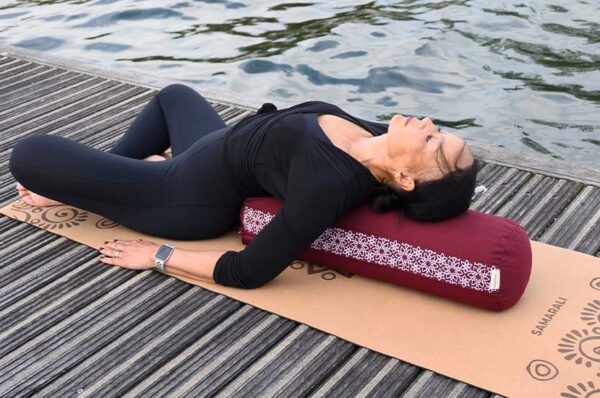
Ready to build a breathwork and mindfulness practice that truly supports you? At Samarali, you will find everything you need to create a calm, comfortable space for your sessions — from meditation cushions that keep your posture aligned during breathwork to a meditation mat that grounds your practice. If you like to combine breathwork with yoga, explore our natural rubber yoga mat and yoga bolster for added comfort and support. Shop the meditation collection and find the tools that help you show up for your practice, every day.