


Meditation and mindfulness are related but not the same thing. Mindfulness is a quality of awareness — the ability to pay full attention to the present moment without judgment. Meditation is a formal practice you use to train and strengthen that awareness. Think of mindfulness as the destination and meditation as one of the most reliable roads to get there.
Both have roots in ancient contemplative traditions, but today they are widely used in secular wellness, therapy, and everyday life. Understanding how they differ helps you choose the right approach for your needs, whether you have five minutes or fifty.
Can you practice mindfulness without meditating?
Yes, you can absolutely practice mindfulness without sitting down to meditate. Mindfulness is a state of present-moment awareness that you can bring to any activity — washing dishes, walking, eating, or having a conversation. You do not need a cushion, a timer, or a quiet room to be mindful.
Informal mindfulness practice means intentionally paying attention to what you are doing right now, noticing sensations, thoughts, and feelings as they arise without trying to change them. When you eat slowly and notice the texture and taste of your food instead of scrolling on your phone, that is mindfulness in action.
That said, many people find that regular meditation makes informal mindfulness much easier to sustain. Without some form of deliberate training, the mind tends to drift back into autopilot quickly. Meditation builds the mental muscle that keeps mindful awareness accessible throughout your day, even when life gets busy or stressful.
How does meditation actually train the mind?
Meditation trains the mind by repeatedly directing attention to a chosen focus — the breath, a sound, a sensation, or a phrase — and gently returning it whenever it wanders. This repetition strengthens the neural pathways associated with focus, emotional regulation, and self-awareness over time.
Think of it like a gym workout for your attention. Every time you notice your mind has drifted and bring it back without self-criticism, you are performing one mental “rep.” Over weeks and months of consistent practice, this builds a measurably greater ability to stay present and respond to situations calmly rather than react impulsively.
There are several broad styles of meditation, each training slightly different qualities of mind:
- Focused attention meditation trains concentration by anchoring awareness to a single point, such as the breath.
- Open monitoring meditation trains broad, non-reactive awareness by observing thoughts and sensations as they pass through consciousness.
- Loving-kindness meditation cultivates compassion and emotional warmth toward yourself and others.
- Body scan meditation develops somatic awareness by moving attention systematically through the body.
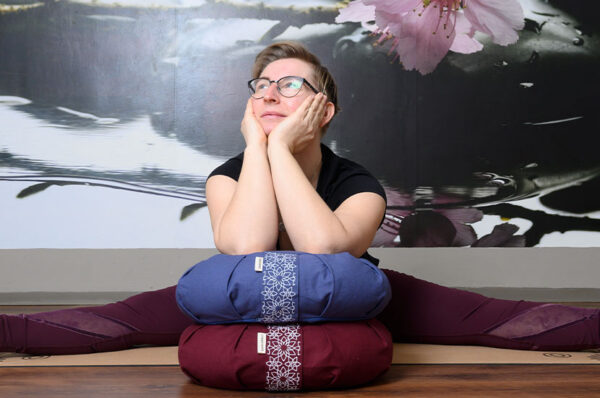
The meditation basics are consistent across styles: sit comfortably, choose a focus, and practice returning your attention with patience. A supportive setup helps too. A meditation cushion that keeps your posture comfortable can make it significantly easier to settle into a session and stay there.
Which practice is better for stress and anxiety?
Both mindfulness and meditation reduce stress and anxiety, but they work best together. Meditation provides structured, repeatable training that builds your capacity for calm over time. Mindfulness gives you an in-the-moment tool you can use anywhere, including during stressful situations when formal meditation is not possible.
For acute stress — a difficult meeting, a moment of overwhelm — an informal mindfulness technique like taking three slow, deliberate breaths and noticing your surroundings can interrupt the stress response quickly. You do not need to meditate to use this.
For chronic stress and anxiety, regular meditation practice tends to have a deeper and more lasting effect. Consistent practice, even just ten to fifteen minutes a day, trains the nervous system to return to a baseline of calm more readily. Over time, situations that once triggered a strong anxiety response begin to feel more manageable because your brain has genuinely changed through practice.
The most effective approach for most people is to combine both: use meditation as a daily foundation and mindfulness as a moment-to-moment tool throughout the day.
How do you start if you’re new to both?
If you are new to both mindfulness and meditation, start with five minutes of simple breath-focused meditation each morning. Sit comfortably, close your eyes, and pay attention to the physical sensation of breathing. When your mind wanders — and it will — gently return your focus to the breath. That is the entire practice at the beginning.
Here is a simple approach for your first two weeks:
- Pick a consistent time. Morning works well for most people because the mind is relatively fresh and the habit is easier to anchor before the day begins.
- Start small. Five minutes is enough. Consistency matters far more than duration in the early stages.
- Create a comfortable space. Sit on a chair, the floor, or a meditation mat — whatever keeps your spine upright without strain.
- Use a guided app or recording. Guided sessions remove the uncertainty of “am I doing this right?” which is one of the most common barriers for beginners.
- Add informal mindfulness during the day. Choose one daily activity — your morning coffee, your commute, or a short walk — and practice giving it your full, unhurried attention.
Progress in these practices is not always linear, and that is completely normal. Some days will feel focused and calm; others will feel scattered. The value of meditation basics lies not in achieving a perfectly quiet mind but in the act of returning to awareness again and again. That returning is the practice, and it gets easier the more you do it.
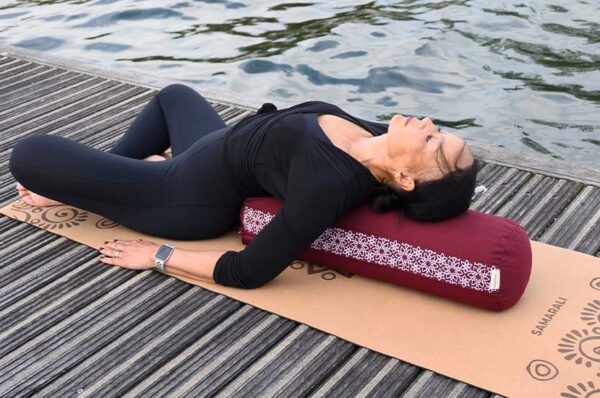
If you are ready to build a dedicated meditation space at home, Samarali offers everything you need to support a consistent and comfortable practice. From meditation cushions that keep your posture grounded to a meditation mat that defines your space and signals your mind to slow down, the right tools can make a real difference — especially in those early weeks when the habit is still taking root. Explore the full meditation sets collection and find what fits your practice. Shop now at Samarali.
Frequently Asked Questions
How long does it take to notice real benefits from meditation?
Most people begin noticing subtle shifts — slightly better focus, a bit more patience, or an improved ability to catch themselves before reacting — within two to four weeks of consistent daily practice. Research suggests that even short sessions of 10–15 minutes a day can produce measurable changes in stress levels and emotional regulation within eight weeks. The key word is consistent: sporadic hour-long sessions tend to be less effective than short, daily ones. Think of it less like a sprint and more like brushing your teeth — the benefit comes from doing it regularly, not perfectly.
Is it normal for my mind to wander constantly during meditation? Am I doing it wrong?
A wandering mind is not a sign that you are doing it wrong — it is actually the whole point of the practice. Every time you notice your mind has drifted and gently guide it back to your focus, you are completing one successful repetition of the mental training. Beginners often expect meditation to feel like a blank, peaceful mind, but even experienced meditators have wandering thoughts. The skill being built is not the absence of distraction, but the ability to notice distraction and return — calmly and without self-judgment — as many times as needed.
What is the difference between mindfulness meditation and other types, like transcendental meditation or visualization?
Mindfulness meditation specifically trains present-moment, non-judgmental awareness, typically using the breath, body sensations, or thoughts as the object of focus. Transcendental Meditation (TM), by contrast, uses a personally assigned mantra repeated silently to settle the mind into a state of restful alertness — it is less about observing the present moment and more about transcending active thought. Visualization meditation uses mental imagery to evoke specific emotional or psychological states, such as confidence or calm. All three are legitimate practices with their own benefits, but if your primary goal is building day-to-day mindful awareness, mindfulness-based approaches are the most direct path.
Can I practice mindfulness and meditation if I have anxiety or trauma?
For most people with anxiety, mindfulness and meditation are genuinely helpful tools — but it is worth approaching them thoughtfully if you have a trauma history or significant anxiety. Some individuals find that prolonged inward focus can initially heighten anxiety or surface difficult emotions, a phenomenon sometimes called ‘meditation-induced anxiety.’ If this happens, it does not mean the practice is wrong for you; it may mean starting with shorter sessions, keeping your eyes open, or using movement-based mindfulness like mindful walking instead of seated meditation. If you are working through trauma, practicing alongside a therapist trained in mindfulness-based therapies — such as MBSR or MBCT — is a wise and well-supported approach.
Do I need any special equipment or a dedicated space to start meditating?
You do not need any special equipment to begin — a chair, a quiet corner, and a few minutes are genuinely enough to get started. That said, having a consistent, comfortable setup can meaningfully support the habit over time. A meditation cushion or mat helps maintain an upright posture without strain, which makes it easier to stay settled during longer sessions. More importantly, designating even a small, consistent space — a specific chair or corner of a room — creates an environmental cue that signals your brain it is time to shift into a quieter mode, which can make it easier to drop in quickly.
How do I know which style of meditation is right for me?
The best style of meditation is the one you will actually do consistently, so experimentation is the most practical approach. If you struggle with a racing mind, focused attention meditation — anchoring to the breath — gives the mind a clear, simple job and tends to work well for beginners. If you are drawn to emotional well-being and self-compassion, loving-kindness meditation is a powerful complement. If you carry a lot of physical tension or have trouble connecting with your body, a body scan practice can be especially grounding. Try each style for one to two weeks before deciding — first impressions in meditation are often misleading, and many people find that the style they initially resist becomes the most valuable one.
Can children or teenagers benefit from mindfulness and meditation?
Yes — research consistently shows that mindfulness practices benefit children and teenagers, particularly in areas of focus, emotional regulation, and stress resilience. For younger children, formal seated meditation is rarely the right entry point; instead, age-appropriate practices like mindful breathing exercises, sensory awareness games, or guided body scans tend to land much better. Teenagers often respond well to short, app-guided meditations or mindful movement practices like yoga. Schools and therapists increasingly use mindfulness-based programs for young people, and even a few minutes of daily practice can help children build emotional awareness skills that serve them well into adulthood.