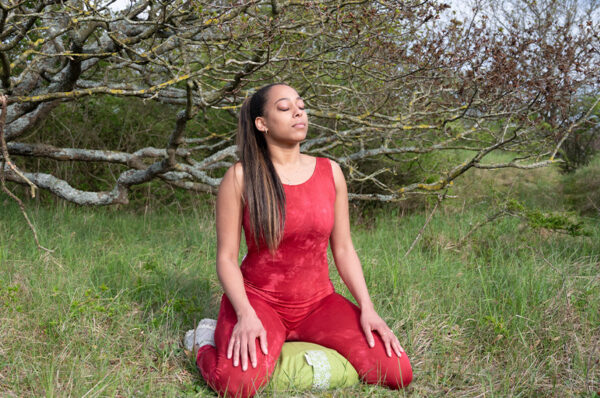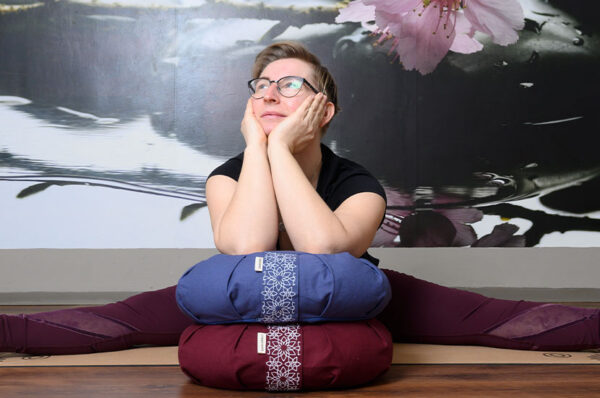



For Hatha yoga, you should wear comfortable, breathable clothing that moves with your body without restricting your range of motion. Soft, stretchy fabrics like organic cotton or a cotton-spandex blend work particularly well. Because Hatha is a slower, more deliberate practice, your outfit does not need to be high-performance sportswear, but it does need to support ease of movement and comfort during held poses.
Below, we answer the most common questions about what to wear to a Hatha yoga class so you can show up feeling confident and at ease.
What kind of movement does Hatha yoga involve?
Hatha yoga involves slow, controlled movements between static poses, known as asanas, combined with focused breathwork and moments of stillness. Unlike more dynamic styles such as Vinyasa or Ashtanga, Hatha classes move at a measured pace, holding each pose for several breaths to build strength, flexibility, and body awareness.
Because the practice is grounded in deliberate alignment and sustained holds, your body will move through a full range of positions, including forward folds, gentle backbends, seated stretches, and standing poses. You will not be generating intense heat or moving quickly between sequences, but you will be asking your joints and muscles to work through their full range of motion. This means your clothing needs to stretch comfortably in multiple directions without bunching, slipping, or pulling tight.
The slower pace also means you may feel cooler than in a faster yoga class, so layering with a light top or wearing slightly warmer fabrics can be a practical choice, especially for early morning sessions.
What fabrics work best for Hatha yoga?
The best fabrics for Hatha yoga are natural or blended materials that are soft, breathable, and have enough stretch to move with you. Organic cotton is a top choice because it feels gentle against the skin, allows airflow, and is kind to the environment. A cotton-spandex blend adds the stretch you need for deeper poses while keeping the natural feel of cotton.
Bamboo fabric is another excellent option, offering natural moisture-wicking properties and a silky texture that feels comfortable during longer holds. For those who run warm, lightweight synthetic blends designed for yoga can also work well, though natural fibres tend to breathe better during the slower pace of a Hatha class.
At Samarali, we design our yoga sets with exactly this in mind, using sustainable materials that support both your practice and your values. Whatever fabric you choose, prioritise softness and four-way stretch over high-performance moisture management, since Hatha is not typically a sweat-heavy practice.
Should you wear tight or loose clothing for Hatha yoga?
For Hatha yoga, either fitted or loose clothing can work well, and the right choice comes down to personal preference and the specific poses in your class. Many practitioners prefer a middle ground: clothing that is close enough to the body that it does not shift during inversions or forward folds, but not so tight that it feels restrictive during seated or reclined stretches.
Fitted leggings or yoga pants paired with a relaxed, slightly fitted top are a popular combination because they give your teacher a clear view of your alignment while keeping you comfortable. If you prefer looser clothing, wide-leg yoga trousers and a fitted top can offer the same freedom of movement without the snug feel of leggings.
The key thing to avoid is clothing that is so loose that it falls forward over your face during downward-facing dog or so tight that it cuts into your hips during seated poses. Think about how each garment will behave when you fold, twist, and extend, and choose accordingly.
What should you avoid wearing to a Hatha yoga class?
There are a few clothing choices that can genuinely get in the way of a comfortable Hatha yoga practice. Avoiding these will make your session more enjoyable and help you focus on the practice rather than adjusting your outfit.
- Jeans or rigid trousers: Denim and stiff fabrics do not stretch and will limit your range of motion in poses like lunges, forward folds, and hip openers.
- Overly baggy tops: Loose shirts can fall over your face during forward bends and inversions, which is distracting and can disrupt your breathing.
- Socks: Bare feet give you grip and allow your toes to spread naturally for balance. Socks reduce your connection to the mat and can cause slipping.
- Jewellery: Rings, bracelets, and necklaces can dig into your skin during floor poses or get caught on your clothing.
- Strong fragrances: In a shared studio space with focused breathwork, heavy perfumes or scented lotions can be uncomfortable for others.
- Clothes with zips or hard seams: These can press into your skin uncomfortably during reclined poses and seated meditation at the end of class.
Beyond clothing, it is also worth considering your mat. A supportive, non-slip surface makes a real difference in Hatha yoga, especially during longer holds. Our natural rubber yoga mat offers excellent grip and cushioning, which complements the steady, grounded nature of a Hatha practice beautifully.
Ultimately, the best outfit for Hatha yoga is one you forget you are wearing. When your clothing moves with you, breathes well, and stays in place, you can give your full attention to your breath, your alignment, and the present moment.
Ready to put it all together? At Samarali, you will find everything you need to show up to your Hatha practice feeling grounded and at ease. Browse our thoughtfully designed yoga sets made from sustainable, skin-friendly fabrics, roll out your practice on our natural rubber yoga mat, or add warmth to your Savasana with our organic cotton yoga blanket. Every piece is made to support the kind of slow, intentional practice that Hatha yoga invites. Shop the collection now and bring a little more comfort and care to your mat.
Frequently Asked Questions
Can I wear the same outfit I use for other yoga styles to a Hatha class?
In most cases, yes — especially if your existing yoga wear is made from soft, stretchy fabric. However, if your go-to outfit is designed for high-intensity styles like hot yoga or Bikram, it may be more minimal or moisture-wicking than necessary for Hatha’s slower pace. You might find that slightly warmer, more comfortable fabrics feel better during the longer holds and periods of stillness that define a Hatha class.
Is there anything specific I should wear if I'm attending my very first Hatha yoga class?
For your first class, keep it simple: a pair of comfortable leggings or joggers and a fitted or semi-fitted top you’ve worn before and trust to stay in place. Avoid trying new clothing on your first day, since you won’t yet know how it behaves in poses like downward-facing dog or seated forward folds. Arriving in something familiar and comfortable lets you focus entirely on learning the poses rather than managing your outfit.
Should I dress differently for an outdoor Hatha yoga session compared to a studio class?
Yes, outdoor sessions require a bit more planning around weather and terrain. Layering is especially important — start with a breathable base layer and add a light jacket or wrap you can remove as your body warms up. If you’re practicing on grass or uneven ground, consider wearing yoga socks with grip for added traction, even though bare feet are generally preferred indoors. Also opt for UV-protective or darker fabrics if you’ll be in direct sunlight for an extended session.
How should my clothing fit around the waist, and does it matter for Hatha yoga specifically?
Waistband fit matters more in Hatha than in faster styles because you’ll be spending extended time in seated poses, forward folds, and supine positions where a tight or digging waistband becomes very noticeable. Look for wide, flat waistbands without thick seams or hard elastic, and avoid anything with a button or zip at the front. A high-waisted, soft-banded legging or a drawstring trouser with a gentle tie tends to be the most comfortable choice for Hatha’s longer holds.
What's the best thing to wear during the relaxation (Savasana) at the end of a Hatha class?
Savasana involves lying completely still, which means your body temperature can drop quickly — especially in an air-conditioned studio. It’s a great idea to bring a light layer, such as a long-sleeve top or a thin wrap, that you can put on just before the final relaxation. Many Hatha practitioners also keep a pair of cosy socks specifically for Savasana, since your feet are one of the first areas to feel cold when you stop moving.
Are there any clothing considerations for plus-size practitioners attending a Hatha class?
The same core principles apply — soft, four-way stretch fabric, a secure waistband, and a top that stays in place during folds and inversions — but fit and coverage become even more important for confidence and comfort. Look for brands that offer extended sizing in their yoga ranges and test garments in a full range of motion before your class. Longer tops or those with a slight A-line cut can provide extra coverage during bending poses, which many practitioners find reassuring when starting out.
How often should I replace my Hatha yoga clothing, and what signs should I look for?
Even high-quality yoga wear loses its stretch and support over time, especially with regular washing. Key signs it’s time to replace a piece include fabric that has gone thin or pilled, a waistband that no longer holds its shape, or leggings that have become see-through when you bend. As a general guide, if you practice two to three times per week, expect to refresh core pieces like leggings every six to twelve months — though investing in well-made, sustainable fabrics from the start can significantly extend their lifespan.