


Yin yoga is a slow, meditative style of yoga that focuses on holding passive poses for an extended period, typically between two and five minutes. Unlike more active yoga styles, yin yoga targets the deep connective tissues of the body, including ligaments, fascia, and joints, rather than the muscles. It is a grounding, restorative practice that suits beginners and experienced yogis alike, and the sections below cover everything you need to know to get started.
How is yin yoga different from other yoga styles?
Yin yoga differs from other yoga styles primarily in its pace, intention, and the tissues it works with. Where most yoga styles, such as vinyasa or ashtanga, are dynamic and muscle-focused, yin yoga is still and passive. Poses are held for several minutes at a time, allowing gravity and time to gently stress the deeper connective tissues that active movement rarely reaches.
In a typical vinyasa class, you move continuously from one pose to the next, building heat and engaging your muscles. Yin yoga asks you to do the opposite: soften the muscles, find your edge, and stay there. This stillness is both the challenge and the gift of the practice. It trains patience and presence in a way that faster styles simply cannot replicate.
Yin yoga also draws more directly from Chinese medicine and Taoist philosophy than many other modern yoga styles. The long holds are thought to stimulate the meridian lines that run through the body, supporting the flow of energy, or qi, through the system. This gives yin yoga a dimension that sits somewhere between yoga and meditation.
What are the main benefits of yin yoga?
The main benefits of yin yoga include improved flexibility, better joint mobility, reduced stress, and a deeper sense of calm. Because the practice targets fascia and connective tissue rather than muscle, it creates a kind of suppleness that active stretching alone does not achieve. Regular practice also has a measurable effect on the nervous system, shifting the body into a parasympathetic, rest-and-digest state.
Here is a summary of the key benefits practitioners commonly experience:
- Increased flexibility and range of motion in the hips, spine, and lower body
- Reduced tension and stiffness in areas like the lower back and inner thighs
- Stress relief and mental clarity through long, mindful holds
- Improved circulation to joints and surrounding tissues
- Support for meditation practice by training the mind to stay present and still
- Better sleep quality when practiced in the evening
Beyond the physical, many people find that yin yoga becomes a space for emotional release. Holding a deep hip opener for several minutes can surface feelings that faster movement keeps buried. This is not a side effect to avoid but rather one of the practice’s most valuable qualities.
What yin yoga poses are best for beginners?
The best yin yoga poses for beginners are those that target the hips, lower back, and spine, as these areas tend to hold the most tension and respond well to long, passive holds. Starting with accessible shapes allows new practitioners to experience the benefits of yin yoga without strain or overwhelm.
Butterfly pose (Baddha Konasana)
Sit with the soles of your feet together and let your knees fall out to the sides. Fold forward gently, letting gravity do the work. This pose opens the inner thighs and groin and is a wonderful introduction to the yin approach of surrendering rather than forcing.
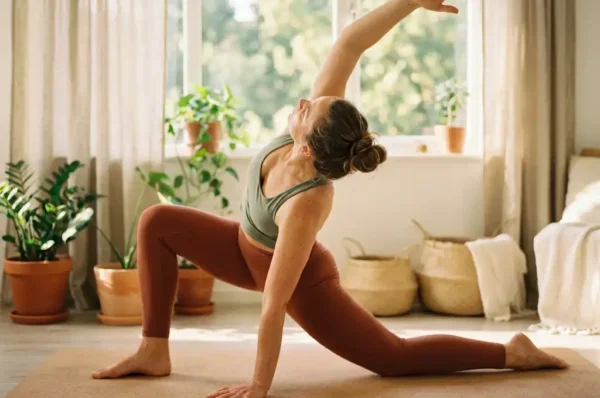
Dragon pose (Low Lunge)
Step one foot forward into a low lunge and lower the back knee to the ground. Dragon pose creates a deep opening in the hip flexors and is excellent for anyone who spends long hours sitting. Hold for two to three minutes on each side.
Caterpillar pose (Seated Forward Fold)
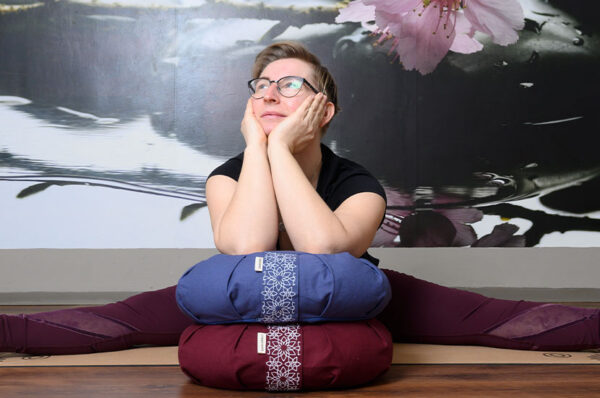
Sit with your legs extended and fold forward over them, allowing your spine to round naturally. Unlike the active forward fold you might find in a yang class, caterpillar is about releasing, not reaching. Support the pose with a yoga bolster under your knees if the hamstrings feel tight.
Supine Twist
Lying on your back, draw one knee to your chest and guide it across the body while extending both arms wide. This gentle spinal rotation releases tension in the lower back and is a calming way to close a practice.
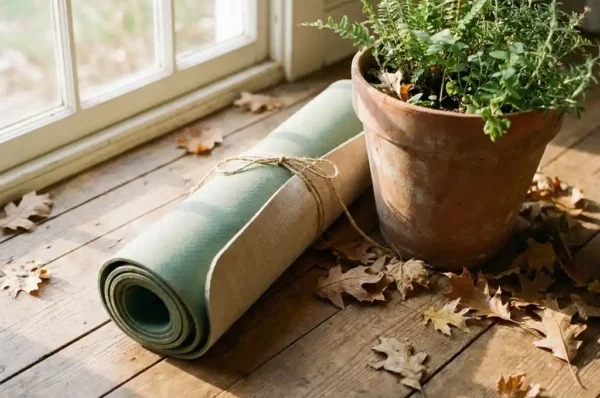
For all of these poses, having a supportive surface matters. A quality mat provides the cushioning and grip needed to stay comfortable during longer holds. We recommend exploring our range of yoga mats to find one that suits your practice.
Who should (and shouldn’t) practice yin yoga?
Yin yoga is suitable for most people, including beginners, older adults, athletes looking to improve flexibility, and anyone managing stress or fatigue. It is particularly well suited to those who feel drawn to a quieter, more introspective style of movement. However, there are specific situations where caution or modification is needed.
Who benefits most from yin yoga
People with tight hips, a stiff lower back, or high stress levels often find yin yoga transformative. It is also an excellent complement to more vigorous sports or yang yoga styles, helping to restore balance between effort and ease. Those new to yoga frequently find yin more approachable than dynamic classes because the pace allows time to understand alignment without rushing.
Yin yoga also pairs naturally with meditation. If you already use meditation as part of your wellness routine, yin yoga can deepen that practice by training the body to remain still and the mind to stay present.
When to approach yin yoga with care
Yin yoga is not suitable for everyone in every situation. People with hypermobility conditions should be cautious, as the long holds can overstretch already loose connective tissue. Those recovering from recent joint injuries, particularly in the knees or hips, should consult a healthcare provider before practicing. Pregnant women, especially in later trimesters, should work with a qualified teacher who can guide safe modifications.
If you are unsure whether yin yoga is appropriate for you, speaking with your doctor or a certified yoga teacher before your first class is always a sensible step. With the right guidance and props, most people can find a version of the practice that works for their body.
Frequently Asked Questions
How long should I hold yin yoga poses as a complete beginner?
As a beginner, start by holding poses for just one to two minutes rather than the full two to five minutes recommended for more experienced practitioners. This gives your connective tissues and nervous system time to adapt to the demands of the practice without causing strain. Over several weeks, you can gradually extend your holds as your body becomes more comfortable with the sensations. Always listen to your body — a mild, steady tension is normal, but sharp or shooting pain is a signal to ease out of the pose immediately.
How often should I practice yin yoga to see results?
Even one or two sessions per week can produce noticeable improvements in flexibility, joint mobility, and stress levels within a few weeks. Unlike muscle-focused training, connective tissue responds to consistency and patience rather than frequency and intensity, so two to three sessions per week is generally sufficient for meaningful progress. Many practitioners find that pairing yin yoga with more active movement on alternate days creates an ideal balance. The key is regularity — a short 30-minute session practiced consistently will outperform occasional longer sessions.
Do I need any special equipment to start practicing yin yoga at home?
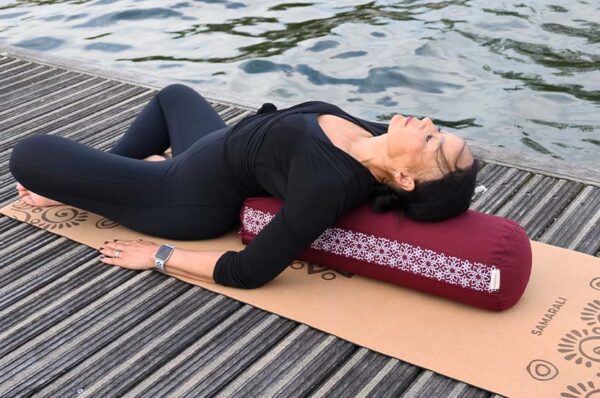
The most essential piece of equipment is a good-quality yoga mat that provides enough cushioning for long holds on hard floors. Beyond that, props such as yoga bolsters, blocks, and blankets are highly recommended, as they allow you to fully relax into poses without straining to maintain a shape your body isn’t ready for. A bolster placed under the knees in Caterpillar pose or between the thighs in a hip opener can make the difference between a comfortable hold and an uncomfortable one. You don’t need to invest in everything at once — a folded blanket or firm pillow can substitute for a bolster when you’re just getting started.
Is it normal to feel emotional during or after a yin yoga session?
Yes, emotional release during yin yoga is entirely normal and is actually one of the practice’s well-documented qualities. The long, passive holds — particularly in deep hip openers like Dragon pose or Butterfly — can access areas of the body where tension and unprocessed emotions are stored, and releasing that physical holding can bring feelings to the surface. This might show up as unexpected sadness, a wave of relief, or simply a sense of vulnerability. Rather than pushing these feelings away, try to observe them with the same non-judgmental awareness you bring to physical sensations — they typically pass within a few minutes.
Can I practice yin yoga if I'm not flexible at all?
Absolutely — in fact, limited flexibility is one of the best reasons to start a yin yoga practice, not a reason to avoid it. Yin yoga does not require you to achieve a particular shape; it asks you to find your personal edge, which looks different for every body. Props like blocks, bolsters, and blankets are specifically designed to bring the pose to you rather than forcing you toward the pose. Over time, the sustained holds will gradually increase the pliability of your connective tissue, making yin yoga one of the most effective long-term approaches to building flexibility from the ground up.
What is the best time of day to practice yin yoga?
Yin yoga is highly adaptable and can be practiced at any time of day, but the timing can influence the experience. A morning yin session tends to feel more intense because connective tissue is less hydrated and pliable after sleep, so shorter holds and more props are advisable. Evening practice is often considered ideal, as the body is naturally warmer and more relaxed, and the calming effect of yin yoga can significantly improve sleep quality. A midday session works well as a reset between periods of desk work, particularly for poses that target the hips and lower back.
How is yin yoga different from restorative yoga, and which one is right for me?
While both styles are slow and calming, yin yoga and restorative yoga have distinct intentions. Yin yoga deliberately applies a gentle, sustained stress to connective tissue to increase flexibility and stimulate the meridian lines — you will feel a mild but real sensation of stretch. Restorative yoga, by contrast, uses props to fully support the body so that no effort or sensation is required, with the sole goal of complete relaxation and nervous system recovery. If you are looking to improve flexibility and joint mobility alongside stress relief, yin yoga is the better fit. If you are recovering from illness, injury, or burnout and need pure rest, restorative yoga may serve you better — and many practitioners benefit from incorporating both into their routine.
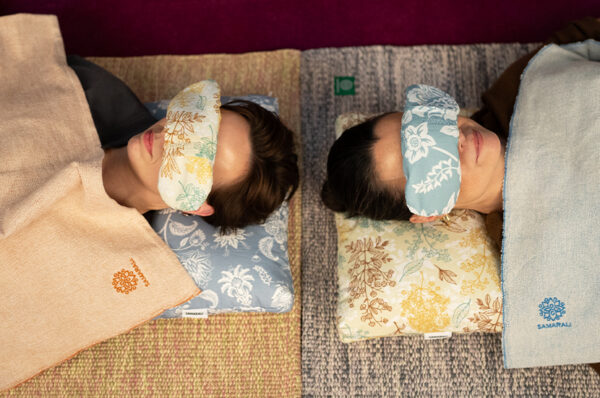
Ready to build your yin yoga practice at home? At Samarali, you will find everything you need to create a calm, comfortable space for your practice. Whether you are looking for a natural rubber yoga mat that provides the grip and cushioning essential for long holds, a yoga bolster to support deep hip openers, or a soft organic cotton yoga blanket to keep you warm during those final restorative poses — we have you covered. Browse our full yoga collection and find the props that will help you slow down, go deeper, and stay longer. Shop now and take your yin practice to the next level.