


Creating a meditation space at home means choosing a quiet, dedicated spot and filling it with a few simple elements that signal calm to your mind and body. You don’t need a spare room or an expensive setup. A corner of your bedroom, a section of your living room, or even a spot on a covered balcony can work beautifully. Below, we answer the most common questions people have when building their own home sanctuary.
What do you need to set up a meditation space at home?
To set up a meditation space at home, you need a comfortable seat, a clean surface to sit on, and a few intentional objects that help you transition into a calmer state of mind. The essentials are minimal: a cushion or mat, a quiet corner, and a consistent spot you return to each day.
Beyond the basics, a few thoughtful additions can make the space feel genuinely supportive rather than improvised:
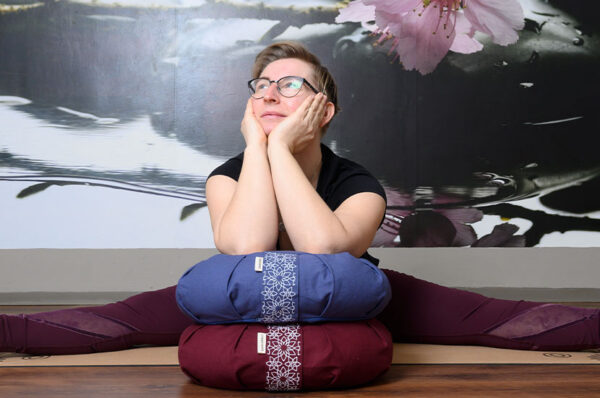
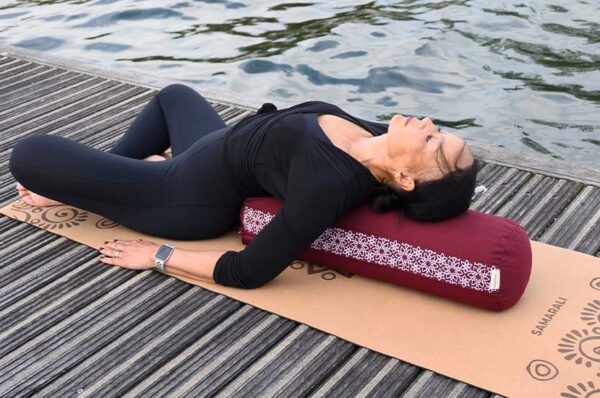
- A meditation cushion or mat to support proper posture and reduce physical discomfort during longer sits
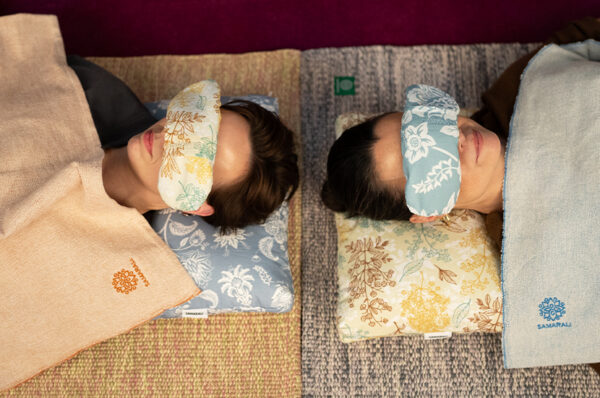
- A blanket for warmth, since body temperature drops during stillness
- A small altar or surface where you can place meaningful objects, a candle, or a plant
- Minimal clutter so the space doesn’t compete with your attention
The goal with meditation basics is not to accumulate more things, but to create a physical cue that tells your nervous system it’s time to slow down. When the same corner always holds your cushion and a candle, your mind begins to associate that spot with stillness before you’ve even closed your eyes.
How do you choose the best spot in your home for meditation?
The best spot for meditation in your home is one that is quiet, relatively free from foot traffic, and away from screens or work areas. Natural light is a bonus, but consistency matters more than perfection. A space you can return to every day, even if it’s small, outperforms an ideal spot you only use occasionally.
When evaluating different areas of your home, consider these practical factors:
- Noise levels: Choose a spot away from street noise or household activity, especially during your usual practice time
- Association: Avoid spaces strongly linked to work, stress, or screens, since those mental associations follow you in
- Temperature: A spot that stays comfortable year-round is easier to commit to than one that’s freezing in winter
- Natural elements: A window with a view of a garden or sky can support a sense of openness during practice
Many people find that a corner works better than an open wall because it provides a subtle sense of enclosure and safety. If you share your home, talking to the people you live with about keeping that corner undisturbed during your practice time goes a long way toward protecting it as a genuine retreat.
What atmosphere helps deepen a meditation practice?
An atmosphere that supports deeper meditation is one that engages the senses gently and removes distractions. Soft, natural light, a mild and pleasant scent, a comfortable temperature, and minimal visual noise all help the mind settle more quickly and stay present for longer.
Each sensory element plays a specific role in building that atmosphere:
Light and scent
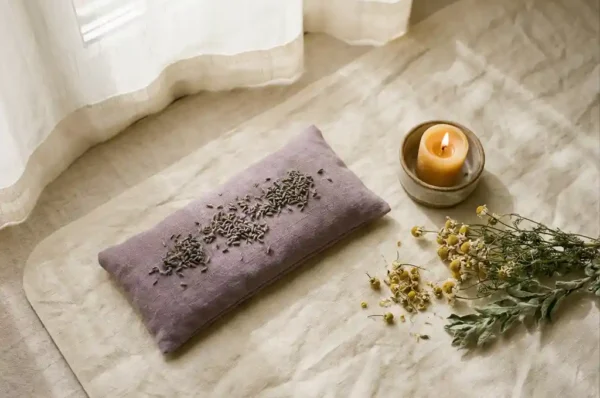
Harsh overhead lighting keeps the nervous system alert. Opt for a small lamp, candles, or indirect daylight to create a softer visual environment. Scent is equally powerful as a cue for the brain. A consistent fragrance, whether from incense, an essential oil diffuser, or a simple beeswax candle, can become a ritual trigger that helps you drop into meditation more easily over time.
Sound and temperature
Silence is ideal for many practitioners, but if your home is noisy, soft ambient sound or gentle nature recordings can mask distracting audio without adding mental stimulation. Temperature deserves attention too. Sitting still for even ten minutes in a cold room becomes uncomfortable quickly. Keep a dedicated blanket nearby so you can wrap yourself without breaking your focus.
The atmosphere you build doesn’t need to be elaborate. Consistency is what creates depth. When the same sensory cues greet you each time you sit down, your brain learns to associate them with a meditative state, making it easier to arrive there with every session.
Which sustainable materials work best for a meditation space?
The best sustainable materials for a meditation space are natural, minimally processed, and durable. Organic cotton, natural rubber, buckwheat, kapok, and sustainably sourced wood are all excellent choices because they are kind to the environment, free from synthetic off-gassing, and genuinely comfortable for long periods of stillness.
Choosing natural materials also aligns beautifully with the values that draw many people to meditation in the first place. There’s a coherence in sitting on a cushion filled with organic buckwheat hulls, wrapped in an organic cotton blanket, that a synthetic foam cushion and a polyester throw simply don’t offer.
Here’s how different materials show up in a well-considered meditation space:
- Organic cotton: Ideal for cushion covers, blankets, and mats. It breathes well, feels soft against the skin, and is grown without harmful pesticides
- Buckwheat hulls: A traditional filling for meditation cushions that molds to your body and provides firm, stable support
- Natural rubber: A renewable material that provides grip and cushioning for mats without the chemical load of PVC
- Kapok: A plant-based fibre that offers a softer alternative to buckwheat in bolsters and cushions, with excellent natural loft
- Sustainably sourced wood: Perfect for small altar surfaces, incense holders, or simple storage pieces
We believe that the materials surrounding your practice matter. When every item in your meditation corner has been made with care for people and planet, sitting down in that space becomes a small act of alignment between your inner values and your outer environment. Exploring our range of meditation sets is a good starting point if you want to build a coherent, sustainable setup without having to source each piece separately.
Frequently Asked Questions
How long does it take before a meditation space starts to feel natural to use?
Most people notice a shift within two to three weeks of consistent daily use. The brain forms associative cues relatively quickly when the same sensory environment is repeated, so the more regularly you return to the same spot with the same setup, the faster that corner begins to feel like a genuine invitation to slow down. Don’t worry if the first few sessions feel a little forced or unfamiliar — that’s normal, and it passes.
What if I share my home and can't keep a dedicated meditation corner undisturbed?
A portable meditation kit is a practical solution for shared spaces. Keep your cushion, blanket, and any small ritual objects (like a candle or a travel diffuser) in a dedicated bag or basket that you can set up and pack away quickly. The key is to recreate the same sensory cues each time, even in a temporary spot, so your mind still receives the signal that it’s time to settle. Communicating a consistent practice window to housemates or family members also helps protect that time without requiring a permanent physical setup.
Can I set up a meditation space outdoors or on a balcony?
Yes, and for many people an outdoor space is deeply supportive — natural light, fresh air, and ambient nature sounds can all enhance the meditative experience. The main challenges are weather consistency and temperature, so it works best in climates where you can rely on the space year-round, or during a specific season. A covered balcony with a weatherproof cushion and a simple windbreak can make a surprisingly effective and calming outdoor sanctuary.
How do I keep my meditation space from becoming cluttered over time?
Set a simple rule from the start: only objects that actively serve your practice belong in that space. A cushion, a blanket, one or two meaningful items on a small surface, and perhaps a candle or diffuser are usually enough. Every few weeks, do a quick reset — remove anything that has drifted in from daily life and doesn’t belong. Treating the space with the same intentionality you bring to the practice itself is what keeps it feeling clear and inviting rather than like just another corner of the house.
Are there any common mistakes people make when setting up a meditation space for the first time?
The most common mistake is over-decorating before establishing a consistent practice. It’s easy to spend energy curating the perfect aesthetic and then find the actual sitting habit never takes hold. Start with the bare minimum — a cushion and a quiet corner — and only add elements once you’re showing up regularly. Another frequent misstep is choosing a visually beautiful spot that’s actually noisy or strongly associated with work or stress, which makes it harder for the mind to genuinely disengage.
Do the materials in my meditation space actually affect the quality of my practice?
They can, particularly when it comes to physical comfort and sensory experience. An unsupportive cushion that causes discomfort after five minutes will pull your attention away from the practice far more than a well-made one will. Beyond comfort, natural materials like organic cotton and buckwheat tend to feel more grounding and less stimulating than synthetic alternatives, which subtly supports the kind of sensory settling that meditation benefits from. The environment doesn’t replace practice, but a well-considered setup genuinely reduces the friction of showing up.
What's the best way to transition into meditation once I sit down in my space?
A short, repeatable opening ritual helps bridge the gap between everyday activity and a meditative state. This could be as simple as lighting a candle, taking three slow deep breaths, or placing your hands on your knees and pausing for a moment before beginning. The specific action matters less than its consistency — over time, the ritual itself becomes a conditioned cue that signals your nervous system to downshift. This is also why building sensory anchors like a consistent scent or soft lighting into your space is so effective from the very first session.
Ready to bring your meditation space to life with pieces made from natural, thoughtfully sourced materials? At Samarali, you’ll find everything you need to create a sanctuary that feels as good as it looks — from a supportive meditation mat and a yoga bolster to a cosy organic cotton yoga blanket that keeps you warm during longer sits. If you’d like a complete, cohesive setup from the start, browse our curated meditation sets — each one designed to support a consistent, grounded practice. Shop the full meditation collection and find the pieces that belong in your corner.