


A Yin Yoga set is a curated collection of props designed to support the long, passive holds that define Yin Yoga practice. Unlike more dynamic styles, Yin Yoga asks you to relax deeply into postures for several minutes at a time, which means your body needs proper support to release tension safely and comfortably. A typical set includes items like a bolster, blocks, a blanket, and sometimes a strap, all working together to help you settle into each pose without strain.
Whether you are brand new to the practice or a seasoned practitioner looking to deepen your experience, having the right props makes a genuine difference. Below, we answer the most common questions people have before putting together their first Yin Yoga set.
What props are typically included in a Yin Yoga set?
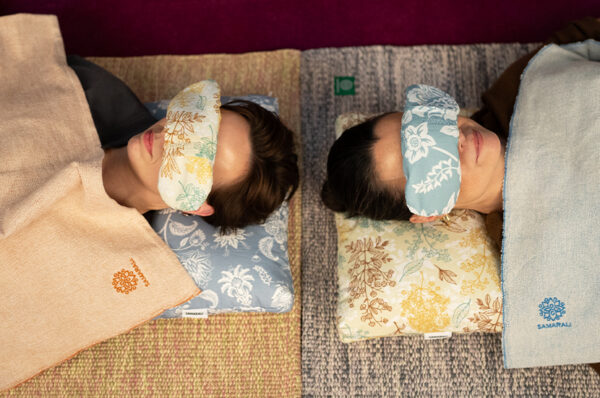
A standard Yin Yoga set typically includes a bolster, a yoga blanket, one or two blocks, and sometimes a strap. These props work together to provide the support, elevation, and cushioning your body needs during long passive holds. Some sets also include a mat designed for floor-based practice, making the setup complete from the ground up.
Here is what each prop contributes to your practice:
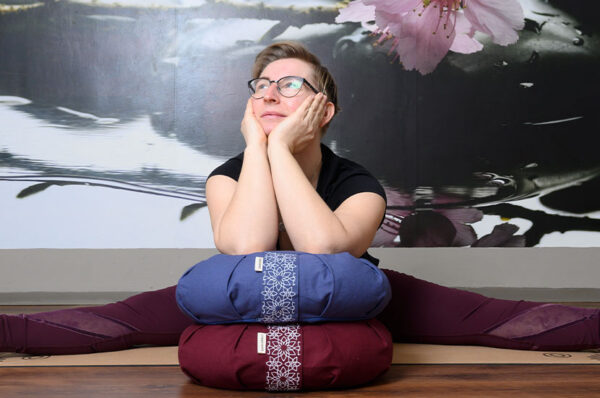
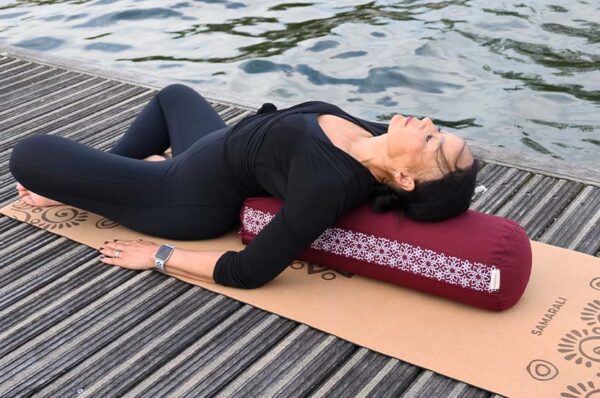
- Bolster: The centerpiece of most Yin sets. A yoga bolster provides firm, supportive elevation under the hips, chest, or spine, allowing the body to open gradually without effort.
- Yoga blanket: Folded or rolled, a blanket adds cushioning under joints, warmth during longer holds, and gentle elevation where a bolster would be too firm or too large. An organic cotton yoga blanket is a particularly popular choice for its softness and natural breathability.
- Blocks: Placed under the hands, hips, or forehead, blocks bring the floor closer to you so your muscles can fully let go rather than working to hold a position.
- Strap: Useful for poses where tight hamstrings or limited shoulder mobility would otherwise prevent a comfortable hold.
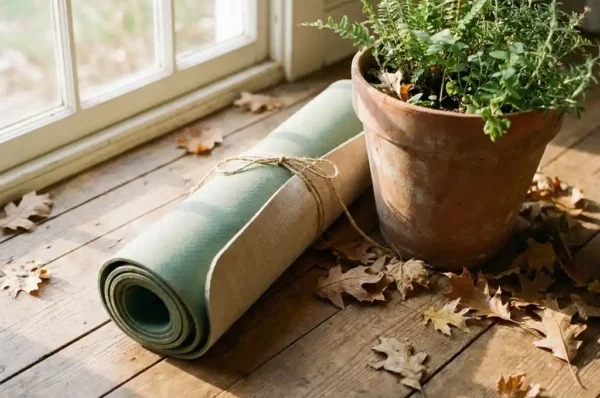
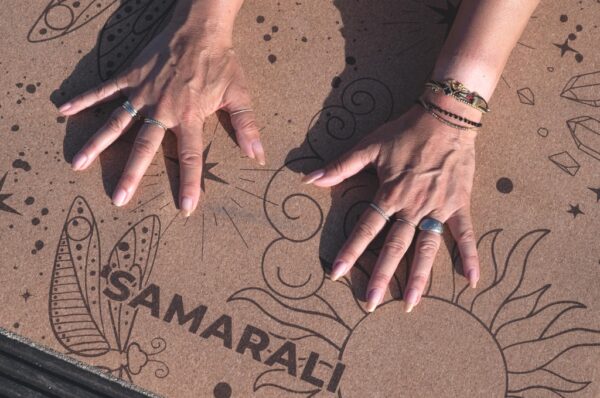
- Yoga mat: A non-slip, cushioned surface underneath everything else. For floor-focused styles like Yin, a mat with good grip and adequate thickness protects the knees and spine.
Not every Yin session will use every prop, but having the full set available means you are never caught without what you need mid-practice.
Why does Yin Yoga require more props than other styles?
Yin Yoga requires more props than other styles because its entire purpose is passive, sustained release rather than active muscular engagement. When you hold a posture for three to five minutes or longer, your muscles need to be fully supported so they can relax completely. Without props, the body compensates by holding tension, which defeats the core intention of the practice.
In a dynamic style like Vinyasa, movement itself carries you through transitions and your muscles are actively working throughout. In Yin, stillness is the practice. That stillness only becomes therapeutic when the body feels genuinely held and comfortable. Props replace the muscular effort that would otherwise keep you in a pose, allowing the deeper connective tissues, fascia, and joints to receive the benefit of each long hold.
There is also a safety dimension. Holding an unsupported position for several minutes can place uneven stress on joints or the lower back. Props distribute that load more evenly and allow you to find the right depth for your individual anatomy, which varies considerably from person to person. This is why Yin teachers often say that the props are not a shortcut but an essential part of the practice itself.
What materials should a Yin Yoga set be made from?
The best materials for a Yin Yoga set are natural, sustainable, and durable. Organic cotton, natural rubber, and sustainably sourced wool or buckwheat are ideal choices because they are breathable, long-lasting, and free from the synthetic chemicals found in cheaper alternatives. For eco-conscious practitioners, material quality is both a wellness and an environmental consideration.
For bolsters and blankets
Organic cotton covers with a natural fill such as buckwheat or recycled fiber are a strong choice for bolsters. They hold their shape over time and feel firm enough to provide real support. Blankets made from organic cotton or sustainably sourced wool are soft against the skin, regulate temperature well during long holds, and wash easily without degrading quickly.
For mats and blocks
Natural rubber mats offer excellent grip and cushioning without the off-gassing associated with PVC mats, making them far more suitable for a practice that involves deep, slow breathing close to the mat surface. Cork blocks are another excellent natural option: firm, lightweight, and antimicrobial. Foam blocks made from recycled materials are also a reasonable choice if you prefer a softer surface for resting your forehead or joints.
At Samarali, we design our yoga sets with exactly these material standards in mind, using organic and sustainably sourced materials that align with both your wellness values and a lower environmental footprint.
How do you choose the right Yin Yoga set for your practice?
To choose the right Yin Yoga set, start by assessing your body’s needs, your practice environment, and your sustainability values. The most important factor is whether the props will genuinely support your body in the postures you practice most. After that, consider material quality, portability, and whether the set covers the full range of support you need or leaves gaps.
Here are the key questions to ask before choosing a set:
- What postures do you practice most? If your practice focuses heavily on hip openers and forward folds, a bolster and blanket will be your most-used props. If you work a lot on the floor with your head resting, a block or neck support becomes more important.
- What is your body type and flexibility level? People with less flexibility often benefit from taller blocks and a firmer bolster that reduces the distance between their body and the floor. More flexible practitioners may prefer a softer, lower bolster for subtler support.
- Where will you practice? A home studio setup allows for a full, generous set. If you travel frequently or practice at a studio, a more compact set with a foldable blanket and lightweight blocks makes more practical sense.
- What are your material preferences? If avoiding synthetic materials matters to you, prioritise natural rubber, organic cotton, and cork over PVC and foam.
- Is the set complete? A good Yin set should include at minimum a bolster, blanket, and blocks. If a mat is not included, make sure you already have one suited to floor practice.
Investing in a well-matched set from the start saves you the frustration of improvising mid-practice and helps you build a consistent, comfortable routine. The right props do not just make Yin Yoga easier; they make it genuinely restorative in the way the practice is designed to be.
Frequently Asked Questions
Can I build a Yin Yoga set gradually instead of buying everything at once?
Absolutely. If budget is a concern, start with a bolster and a blanket, as these two props cover the majority of Yin postures effectively. You can add blocks, a strap, and a dedicated mat over time as your practice deepens and you get a clearer sense of which props you reach for most often.
What can I use as substitutes if I don't have official Yin Yoga props yet?
Common household items can work as temporary stand-ins: a firm bed pillow or rolled-up duvet can substitute for a bolster, thick folded blankets or hardcover books can replace blocks, and a dressing gown belt or necktie can serve as a makeshift strap. That said, purpose-built props offer superior support and durability, so treat substitutes as a short-term solution while you invest in a proper set.
How do I know if I'm using my props correctly during a Yin hold?
The clearest sign that your props are correctly placed is that your muscles can fully let go within the first minute of the hold — you should feel supported rather than braced. If you notice gripping, discomfort in a joint, or the sense that you are holding yourself in the pose rather than resting into it, adjust your prop height or placement before settling back in. A good rule of thumb is that no prop should ever create a sharp or pinching sensation; mild, spreading intensity in the target area is normal, but pain is always a signal to back off.
How do I care for and maintain my Yin Yoga props so they last longer?
For bolsters and blankets, follow the care label instructions — most organic cotton covers can be machine washed on a gentle, cool cycle and air-dried to preserve the fabric. Cork and natural rubber surfaces can be wiped down with a damp cloth and a mild, natural cleanser after each session; avoid soaking them or leaving them in direct sunlight for extended periods, as this can degrade the material. Storing props in a cool, dry place away from humidity will significantly extend their lifespan.
Is a Yin Yoga set suitable for complete beginners, or is it better to try a few classes first?
A Yin Yoga set is actually ideal for beginners, because props make the practice more accessible from day one by compensating for limited flexibility and providing the support needed to hold postures safely. That said, attending even one or two guided classes before practicing at home is genuinely valuable — a teacher can show you exactly how to position each prop for your specific body, which saves a lot of guesswork early on. If in-person classes are not accessible, many online Yin Yoga platforms offer beginner prop tutorials alongside their classes.
Can the same prop set be used for other yoga styles, or is it only useful for Yin?
Most Yin Yoga props are highly versatile and transfer well to other styles. Bolsters are central to Restorative Yoga, blocks are used across virtually every yoga style from Hatha to Iyengar, blankets provide cushioning and warmth in meditation and Yoga Nidra, and straps are a staple in alignment-focused classes. Investing in a quality Yin set is therefore practical even if your practice eventually expands to include other styles.
How many blocks do I actually need in a Yin Yoga set — one or two?
Two blocks are strongly recommended for a complete Yin practice. Many postures, such as supported bridge, reclined twists, and certain hip openers, use two blocks simultaneously at different heights or positions. Having only one block can limit your options and sometimes force you into asymmetrical setups that create uneven support. If you are on a tight budget and need to start with one, choose a taller block first, as it offers the most versatility across different height adjustments.
Ready to build your ideal Yin Yoga setup with props you can truly rely on? At Samarali, you will find everything you need in one place — from a supportive yoga bolster and a soft organic cotton yoga blanket to a grippy natural rubber yoga mat — all made from natural, sustainably sourced materials. Browse our complete yoga sets to find a thoughtfully curated collection that supports your practice from the ground up. Shop now and give your Yin practice the foundation it deserves.