


Yes, Yin Yoga is genuinely good for emotional balance. This slow, meditative practice works directly with the nervous system to reduce stress responses and create the internal space needed for emotional regulation. Because Yin Yoga targets deep connective tissue through long-held, passive poses, it also gives the body a chance to release tension that is often tied to stored emotional patterns. The sections below explore exactly how this works and how to get the most from your practice.
How does Yin Yoga affect the nervous system?
Yin Yoga activates the parasympathetic nervous system, shifting the body out of its stress-driven “fight or flight” state and into a calmer “rest and digest” mode. This shift is what makes Yin Yoga so effective for emotional balance. Holding poses for two to five minutes, combined with slow, conscious breathing, signals safety to the nervous system and naturally lowers cortisol levels.
Unlike more dynamic yoga styles that stimulate and energize, Yin Yoga deliberately slows everything down. The long holds encourage you to stay with discomfort rather than escape it, which trains the nervous system to remain steady under pressure. Over time, this builds what practitioners often call “nervous system resilience” — the ability to stay grounded when emotions run high.
The deep stillness of a Yin practice also stimulates the vagus nerve, a key pathway in regulating mood, heart rate, and the stress response. Healthy vagal tone is closely linked to emotional stability, better sleep, and a greater sense of calm in daily life. This is one reason many people leave a Yin class feeling not just physically relaxed but emotionally lighter.
Can Yin Yoga help release stored emotions?
Yes, Yin Yoga can help release stored emotions. The body holds emotional tension in the connective tissue, fascia, and joints — particularly in areas like the hips and chest. When Yin poses gently stress these tissues over a sustained period, they can trigger emotional releases ranging from a sudden sense of relief to unexpected tears or waves of feeling.
This is not a mystical concept. From a physiological standpoint, chronic stress and unprocessed emotions create physical tension patterns in the body. Muscles tighten, fascia becomes less pliable, and the body essentially “guards” those areas. Yin Yoga’s long, passive holds gradually soften those patterns, and as the physical tension eases, the emotional charge stored alongside it often surfaces.
It is worth approaching these moments with curiosity rather than alarm. Emotional releases during Yin Yoga are a sign that the practice is doing its job. Breathing slowly and staying present with whatever arises — rather than tensing against it — allows the release to complete naturally. Many practitioners find that having a supportive prop nearby, such as a yoga bolster, makes it easier to fully surrender into poses and experience this depth of release.
What Yin Yoga poses are best for emotional balance?
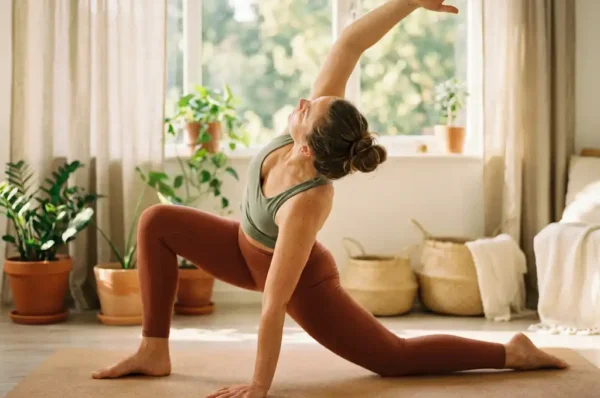
The most effective Yin Yoga poses for emotional balance are those that target the hips, chest, and spine — areas where emotional tension most commonly accumulates. Dragon Pose, Butterfly, Supported Fish, and Sleeping Swan are particularly powerful for releasing emotional holding patterns and restoring a sense of inner calm.
- Dragon Pose (low lunge): Opens the hip flexors and groin, areas strongly associated with stored fear and anxiety. Holding this pose for three to five minutes can bring a noticeable sense of release and groundedness.
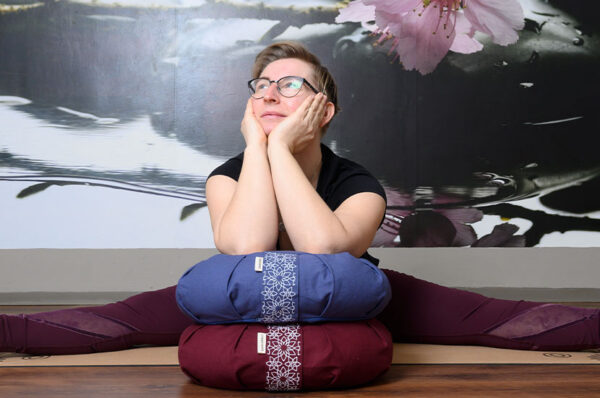
- Butterfly Pose: A gentle forward fold with the soles of the feet together. It encourages introspection and a feeling of turning inward, making it ideal for processing emotions quietly.
- Sleeping Swan (Pigeon in Yin): One of the most emotionally potent poses in any Yin sequence. The deep hip opening often surfaces feelings that have been held for a long time.
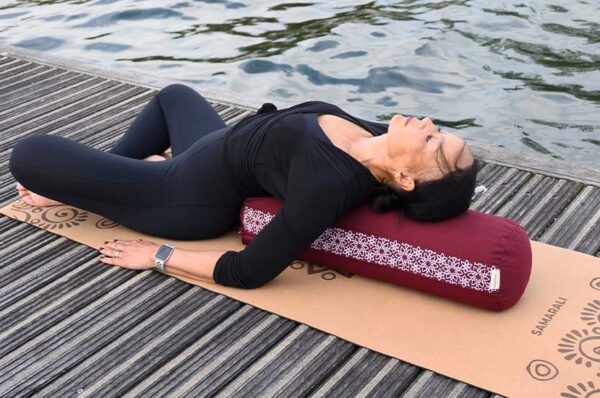
- Supported Fish: Opens the chest and throat, counteracting the physical posture of grief or emotional withdrawal. Using a bolster or folded organic cotton yoga blanket under the spine makes this pose deeply restorative.
- Caterpillar (seated forward fold): Calms the mind and stimulates the kidney meridian, which in traditional Chinese medicine is linked to fear and willpower.
Sequencing these poses with intention matters. Moving from more activating hip openers toward quieter, chest-opening or restorative poses at the end of a session mirrors the emotional arc of processing and integrating feelings, rather than simply stirring them up.
How often should you practice Yin Yoga for emotional benefits?
Practicing Yin Yoga two to three times per week is enough to experience meaningful emotional benefits. Even a single session can shift your mood and noticeably calm your nervous system, but consistency over several weeks is what builds lasting emotional resilience and a more regulated stress response.
For people dealing with heightened stress, anxiety, or emotional overwhelm, a short daily Yin practice of even twenty to thirty minutes can be more effective than longer, less frequent sessions. The nervous system responds well to regular, gentle input rather than occasional intense doses.
That said, more is not always better. Yin Yoga is a practice of stillness and surrender, and the body needs time to integrate what surfaces during sessions. Giving yourself at least one full rest day between longer Yin practices allows both the connective tissue and the emotional body to settle and absorb the benefits.
If you are new to Yin Yoga, starting with one or two sessions per week and building gradually is a sensible approach. Pairing your practice with a few minutes of seated meditation afterward can deepen the emotional integration, helping you carry the calm you cultivate on the mat into the rest of your day.
Ready to support your Yin Yoga practice with the right tools? At Samarali, you will find everything you need to create a grounding, restorative practice at home — from a natural rubber yoga mat that keeps you stable in long-held poses, to a yoga bolster and organic cotton yoga blanket that make deep emotional release feel safe and supported. Explore the full yoga mat collection and meditation cushions to build a space that truly invites stillness. Shop now and take the next step toward lasting emotional balance.
Frequently Asked Questions
I'm completely new to yoga — can I still practice Yin Yoga for emotional balance, or do I need experience first?
Yin Yoga is actually one of the most beginner-friendly yoga styles precisely because it is slow, passive, and requires no prior flexibility or fitness level. You don’t need any yoga background to begin — most poses are done on the floor with the support of props like bolsters, blankets, or blocks. Starting with a beginner-friendly class or guided video and focusing simply on staying present with your breath is all you need to get genuine emotional benefits from your very first session.
What should I do if I feel overwhelmed by an emotional release during a Yin Yoga session?
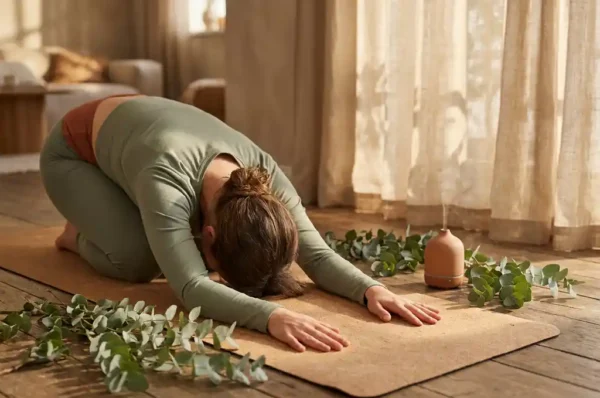
First, know that emotional releases are normal and a healthy sign that the practice is working — you are not doing anything wrong. If the feeling becomes too intense, gently come out of the pose, sit upright, and return your focus to slow, steady breathing, which quickly re-engages the parasympathetic nervous system. You can also place one hand on your chest and one on your belly as a grounding technique, or simply rest in Child’s Pose until you feel settled. If strong emotions arise frequently, consider working with a trauma-informed yoga teacher who can offer additional support and guidance.
Is there a best time of day to practice Yin Yoga for emotional benefits?
Evening is widely considered the most effective time for Yin Yoga when emotional regulation is the goal, as the body’s natural cortisol levels are already declining and the practice can ease the transition into restful sleep. That said, a morning Yin session can set a calm, grounded emotional tone for the entire day ahead. Ultimately, the best time is whichever slot you can practice consistently — regularity matters far more than the hour on the clock.
Can Yin Yoga replace therapy or professional mental health support?
No — Yin Yoga is a powerful complementary tool for emotional wellbeing, but it is not a substitute for professional mental health care. For people managing diagnosed anxiety, depression, trauma, or grief, Yin Yoga works best as part of a broader support plan that may include therapy, counseling, or medical guidance. Many therapists and mental health professionals actually recommend somatic practices like Yin Yoga alongside clinical treatment, as the body-based approach can reinforce and deepen the emotional work done in sessions.
How is Yin Yoga different from Restorative Yoga, and does it matter which one I choose for emotional balance?
Both practices are slow and calming, but they work differently: Restorative Yoga uses props to fully support the body in complete passivity, minimizing all physical sensation, while Yin Yoga intentionally applies a gentle, sustained stress to the connective tissue to create change over time. For emotional balance, both are beneficial — Restorative Yoga is ideal when you are exhausted or in acute emotional distress and need pure rest, while Yin Yoga is better suited for building long-term nervous system resilience and working through stored emotional tension. Many practitioners find that alternating between the two, depending on how they feel on a given day, gives them the most well-rounded emotional support.
Are there any situations where Yin Yoga might not be appropriate for someone dealing with emotional challenges?
For most people, Yin Yoga is safe and beneficial, but there are a few situations that call for extra care. Individuals with a history of trauma may find that long, still holds unexpectedly surface intense memories or feelings — in these cases, working with a trauma-informed teacher rather than practicing alone is strongly recommended. People in acute emotional crisis, such as the immediate aftermath of a major loss or a mental health episode, may also find that the stillness amplifies distress rather than soothing it; a more gentle movement-based practice or professional support may be more appropriate in those moments. Always listen to your body and adjust your practice accordingly.
What props do I actually need to get started with Yin Yoga at home for emotional balance?
You can begin a meaningful Yin Yoga practice with very little — a yoga mat and a folded blanket or firm pillow are enough for most foundational poses. As you deepen your practice, a yoga bolster becomes one of the most valuable investments you can make, particularly for heart-opening poses like Supported Fish that are especially effective for emotional release. Yoga blocks are also useful for providing height and support in hip-opening poses. The key principle is that props should allow you to relax completely into a pose without straining — the more supported you feel physically, the more easily you can let go emotionally.