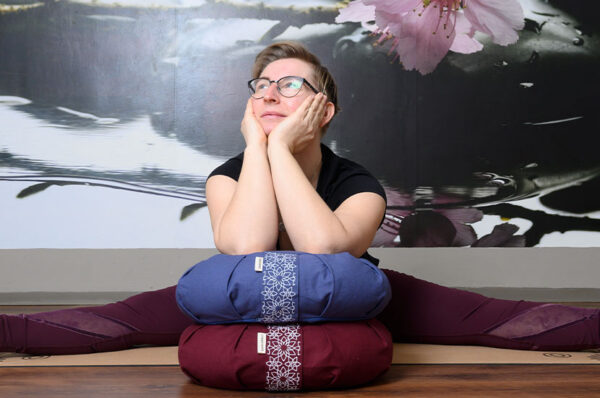



Your body provides clear signals when your yoga practice isn’t serving you well. Recognizing these warning signs helps you adjust your approach for both safety and meaningful progress. Key indicators include:
- Physical symptoms – Persistent pain, unusual fatigue, and recurring injuries that don’t improve with rest signal technique or alignment problems
- Mental indicators – Increased stress, competitive mindset, and frustration rather than the calm focus yoga should cultivate
- Breathing disruptions – Disconnected breathing patterns and breath-holding during poses reveal missed fundamentals
- Poor alignment habits – Compensatory movement patterns that create strain in vulnerable joints
Understanding these warning signs transforms your practice from potentially harmful exercise into the mindful, healing discipline yoga is meant to be. When you learn to listen to your body’s feedback, you can make informed adjustments that support long-term growth while preventing injury and burnout.
What are the physical warning signs that you’re doing yoga wrong?
Your body sends unmistakable signals when your yoga practice has gone off track. Physical warning signs include:
- Persistent pain that worsens or doesn’t improve – Sharp, shooting, or burning sensations indicate you’re pushing beyond safe limits
- Unusual fatigue after sessions – Excessive tiredness suggests overexertion rather than energizing practice
- Recurring injuries in the same areas – Repeated strain patterns reveal underlying alignment or technique issues
- Joint discomfort in knees, lower back, or neck – These vulnerable areas often bear inappropriate weight or stress
- Muscle compensation patterns – When weaker areas force other muscles to work overtime, creating tension chains
These physical indicators reveal the difference between beneficial challenge and harmful strain. Yoga should create mild discomfort as you stretch and strengthen, but never sharp or lingering pain. When your body consistently sends distress signals, it’s asking you to slow down, focus on alignment, and build foundational strength before attempting more advanced poses. Having a proper yoga mat with adequate grip and cushioning can help prevent unnecessary strain and support better alignment during practice.
How can you tell if your yoga breathing technique needs improvement?
Proper breathing forms the foundation of effective yoga practice, yet many practitioners develop problematic patterns. Signs your breathing technique needs attention include:
- Breath-holding during challenging poses – This stress response creates tension and reduces oxygen flow to working muscles
- Shallow, rapid breathing throughout practice – Chest-only breathing keeps your nervous system in alert mode rather than promoting relaxation
- Disconnection between movement and breath – Rushed transitions and jerky movements show you’ve lost the moving meditation aspect
- Inability to maintain steady rhythm – Your breath should remain controlled even in demanding positions
Breath serves as both anchor and guide for movement in yoga. When breathing becomes disrupted, the practice loses its integrative mind-body benefits and becomes mere physical exercise. Proper pranayama techniques should originate from your diaphragm, creating smooth, even rhythms that support rather than hinder your poses.
What mental and emotional signs suggest your yoga practice isn’t working?
Mental and emotional indicators often reveal practice imbalances before physical symptoms appear. Key warning signs include:
- Increased stress levels – Yoga should reduce tension, not create additional pressure or anxiety
- Competitive comparison with others – Focusing on Instagram-worthy poses rather than listening to your body’s needs
- Frustration with progress – Treating yoga like fitness goals with specific timelines rather than lifelong self-discovery
- Absence of calming benefits – Leaving class feeling agitated or mentally scattered instead of centered and peaceful
- Self-criticism and judgment – Internal dialogue that contradicts yoga’s principles of self-acceptance
These mental patterns indicate you’ve shifted from mindful movement to goal-oriented exercise. Yoga’s fundamental principle emphasizes non-judgment and self-acceptance, recognizing that progress isn’t linear and some days require gentler approaches. When practice becomes a source of stress rather than relief, it’s time to examine whether you’re truly present or simply going through physical motions. Incorporating meditation into your routine can help restore the mindful awareness that yoga is meant to cultivate.
How do you know if you’re pushing too hard or not challenging yourself enough?
Finding the optimal balance between effort and ease requires careful attention to your body’s feedback. Signs of imbalance include:
- Overexertion indicators – Trembling muscles that can’t support you safely, disrupted breathing, and mental frustration when poses don’t come easily
- Insufficient challenge signs – Boredom, lack of engagement, and absence of mild muscle fatigue after practice
- Recovery time patterns – Excessive fatigue or inability to maintain poses with stability suggests pushing too hard
- Breath quality changes – Your breathing should remain steady even during challenging poses
- Avoidance behaviors – Consistently skipping difficult poses or never experiencing growth-promoting discomfort
The sweet spot between effort and ease feels like a respectful conversation with your body rather than a battle against it. Beneficial challenge creates manageable work that remains sustainable throughout your practice session. Growth requires gently pushing boundaries while honoring current limitations, using breath quality and muscle stability as reliable guides for appropriate intensity levels. Using supportive props like a yoga bolster can help you find comfortable positioning that allows for both challenge and proper alignment.
Recognizing these warning signs helps you adjust your practice for both safety and growth. Yoga should enhance your physical and mental well-being, not create additional stress or injury. At Samarali, we support mindful practice with sustainable yoga equipment crafted from organic cotton and packaged without plastic to align with conscious living values. Listen to your body, breathe consciously, and remember that yoga is a practice of self-compassion, not self-punishment.
Browse our selection of thoughtfully crafted collection of sustainable yoga essentials—designed for mindful movement and made with respect for the planet.