


To build a calming winter meditation corner at home, choose a quiet, draft-free spot, layer it with warm textiles and soft lighting, and keep it dedicated solely to your practice. The key is creating a space that signals stillness to your mind the moment you enter it. Below, we answer the most common questions about setting one up well.
What makes a meditation corner feel calming in winter?
A winter meditation corner feels calming when it combines warmth, softness, low light, and sensory simplicity. These four elements work together to lower your nervous system’s alert state, making it easier to settle into stillness. In winter specifically, the contrast between the cold outside and a warm, enclosed nook makes the space feel like a genuine refuge.
Warmth is the foundation. Cold limbs and a drafty room make it nearly impossible to relax, so your meditation corner needs to hold heat well. Layer a thick organic cotton yoga blanket over your seat and keep a pair of warm socks nearby. If your floor is cold, a dedicated meditation mat adds insulation as well as a clear boundary for your practice space.
Lighting matters enormously in winter, when natural light is limited. Harsh overhead lights disrupt the inward focus meditation requires. Opt instead for a salt lamp, a cluster of candles, or a warm-toned lamp placed at floor level. The goal is light that feels amber and enclosed rather than bright and expansive.
Finally, sensory simplicity keeps the space calming. A single plant, a meaningful object, or a light scent from an essential oil diffuser can anchor the corner without cluttering it. Less is consistently more here.
Where in your home should a winter meditation corner go?
The best location for a winter meditation corner is a quiet, low-traffic area away from cold exterior walls and drafts, ideally where you can control the light. A bedroom corner, a bay window alcove, or a spare room section all work well, as long as the spot feels removed from the household’s daily noise and movement.
In winter, placement relative to heat sources matters more than in other seasons. Sitting near a radiator or underfloor heating zone makes a real difference to how long you can sit comfortably. Avoid spots directly beside exterior windows unless they are well insulated, as cold radiating from glass can pull your attention away from your practice.
Consider also the direction you face. Many practitioners find that facing a wall rather than an open room creates a more contained, focused feeling. A corner of a room is ideal for exactly this reason: two walls naturally enclose the space without requiring any furniture rearrangement.
If space is genuinely limited, even a cleared section of a bedroom floor can become a dedicated meditation nook. The key is consistency: returning to the same physical spot trains your mind to shift into a meditative state more quickly each time you sit there.
What essential items do you need for a winter meditation corner?
The essential items for a winter meditation corner are a supportive seat, a warm layer, soft lighting, and one or two grounding sensory elements. You do not need a large budget or a lot of space. What matters is that each item serves a clear purpose and that the corner as a whole invites you to sit down and stay.
Supportive seating
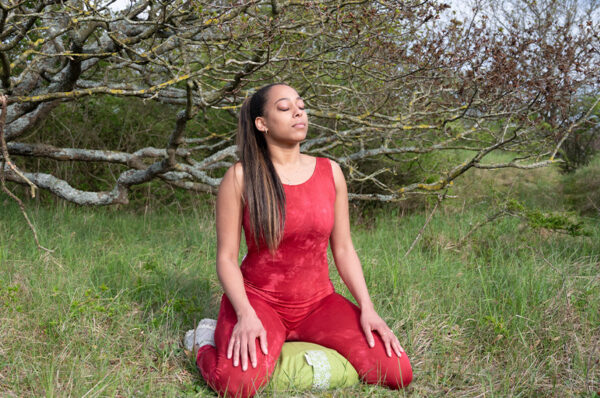
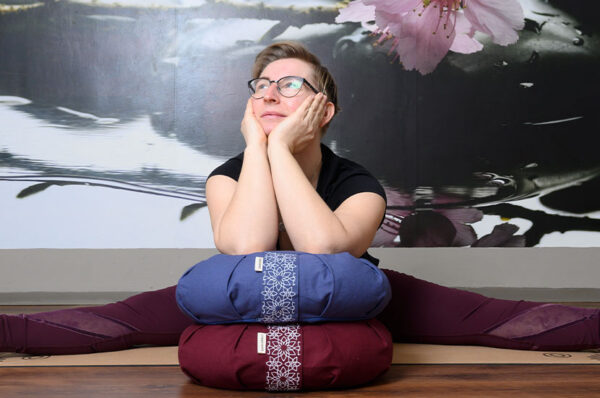
Your seat is the most important investment. Sitting directly on a hard floor for extended periods creates discomfort that competes with your practice. A firm, well-shaped meditation cushion lifts your hips above your knees, which reduces lower back strain and allows your spine to lengthen naturally. Pair it with a meditation mat beneath for insulation and a defined practice area.
Warmth layers
In winter, having a blanket within reach is non-negotiable. Body temperature drops during extended stillness, and reaching for warmth mid-session breaks your concentration. Keep a soft, breathable blanket folded at the edge of your corner so you can drape it over your shoulders or lap without disrupting your practice. A yoga bolster can also double as lower back support or a leg rest during longer sits.
Atmosphere elements
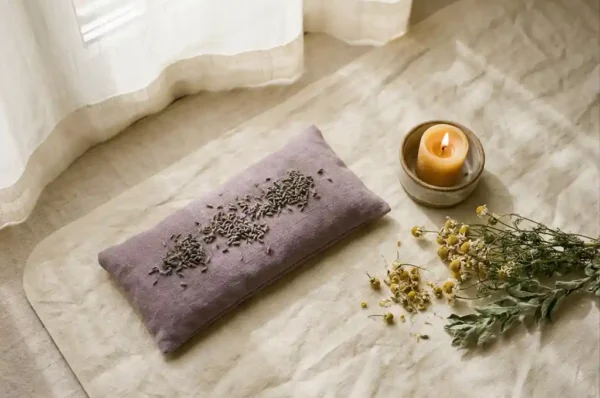
Soft lighting, a subtle scent, and perhaps a small meaningful object complete the corner. These are not decorative extras; they are environmental cues that help your brain associate the space with calm. Keep this layer minimal: one light source, one scent, one object is enough.
How do you keep a meditation corner feeling cozy all season long?
To keep a winter meditation corner feeling cozy throughout the season, maintain it actively rather than setting it up once and leaving it. This means refreshing the space regularly, protecting it from household clutter, and adjusting small sensory details as the weeks progress.
The biggest threat to a cozy meditation corner is drift: the gradual accumulation of unrelated items that turns a dedicated space into a storage zone. Set a simple rule that nothing unrelated to your practice lives in the corner. Even one out-of-place object can break the psychological signal the space sends.
Rotate your sensory elements to keep the space feeling fresh. Swap your essential oil scent monthly, change the candle or lamp position, or introduce a seasonal natural element like a pinecone, a dried sprig, or a small stone. These small updates re-engage your attention and prevent the corner from becoming visually invisible through familiarity.
Also tend to the practical details. Shake out your blanket, air your cushion, and wipe down your mat regularly. A space that smells fresh and feels clean is far more inviting than one that has been left untouched for weeks. The act of caring for your meditation corner is itself a mindful practice, one that reinforces your commitment to showing up there each day.
Frequently Asked Questions
How long should I sit in my winter meditation corner as a beginner?
If you’re just starting out, five to ten minutes per session is a perfectly valid and sustainable goal. The priority in the early weeks is consistency over duration — returning to your corner daily at the same time builds the mental association between the space and stillness far more effectively than occasional long sits. As your comfort with the practice grows, extend your sessions gradually in five-minute increments rather than pushing for long stretches before your body and mind are ready.
What if I don't have a spare corner or dedicated room to set this up?
A dedicated meditation corner doesn’t require a permanently reserved area — it simply needs to be consistent and intentional. A cleared spot beside your bed, a folded cushion stored in a basket that you place in the same location each morning, or even a specific chair used only for meditation can all serve the same psychological purpose. The ritual of setting up and putting away your space can itself become part of your practice, signaling to your mind that it’s time to settle.
Is it worth investing in a proper meditation cushion, or will a regular pillow do?
A regular pillow can work in the short term, but it typically compresses too quickly and doesn’t provide the structured hip elevation that a proper meditation cushion is designed for. Without adequate hip lift, your pelvis tilts backward, which rounds the lower spine and creates the kind of persistent discomfort that pulls your attention away from your practice. If you’re sitting for more than a few minutes regularly, a firm, purpose-built cushion is one of the most worthwhile investments you can make for your practice.
Can I use my winter meditation corner for other calming activities like journaling or reading?
This is a common dilemma, and the honest answer is: it depends on how strictly you want to condition your mind’s response to the space. Ideally, a meditation corner works best when it’s reserved solely for meditation, because the brain learns to shift into a quieter state the moment you enter it — a process that weakens if the space is associated with multiple activities. That said, other mindful, screen-free practices like journaling or breathwork are far less disruptive to that conditioning than, say, scrolling your phone, and many practitioners use their corner for a broader ‘stillness practice’ without issue.
How do I stay warm enough to meditate comfortably without overheating the room?
The most effective approach is to layer on your body rather than raise the room temperature significantly. Start with warm, loose-fitting clothing, add wool or thick cotton socks, and keep a breathable blanket draped over your shoulders or lap before you begin — not as an afterthought when you’re already cold. A personal heat source like a small electric blanket or a hot water bottle placed under your blanket can also maintain warmth without making the room stuffy, which helps preserve the clear, alert quality of mind that good meditation requires.
What are the most common mistakes people make when setting up a meditation corner?
The three most frequent mistakes are over-decorating the space, choosing a location that’s too central to household activity, and failing to protect the corner from creeping clutter over time. Many people begin with great intentions but gradually allow the space to absorb unrelated objects — a charging cable here, a book there — until it no longer sends a clear psychological signal. Keep the setup minimal from the start, establish a firm rule about what belongs there, and do a quick reset of the space every week or two to maintain its integrity.
Are there any scents that are particularly well-suited to winter meditation?
Warm, grounding scents tend to complement both the winter season and a meditative state particularly well. Sandalwood, frankincense, cedarwood, and vetiver are widely used in meditation traditions for their calming and centering qualities, while seasonal options like pine, clove, or a light orange blend can reinforce the cozy, inward feeling of a winter practice. Whichever scent you choose, keep it subtle — an overpowering fragrance becomes a distraction rather than an anchor, so a few drops in a diffuser or a gently burning candle is almost always sufficient.