


Most people benefit from practicing breathwork two to four times per week, though daily practice is safe and effective for many. The right frequency depends on your goals, the style of breathwork you choose, and how your body responds. Below, we answer the most common questions about building a breathwork routine that actually works for you.
Why breathwork works: the science behind the practice
Your autonomic nervous system has two branches: the sympathetic system, which drives the fight-or-flight stress response, and the parasympathetic system, which governs rest and recovery. Everyday stress keeps many people in a state of sympathetic dominance — a low-level alertness that contributes to tension, poor sleep, and difficulty winding down. Breathwork directly interrupts this pattern.
Slow, deliberate breathing — particularly patterns that extend the exhale — stimulates the vagus nerve, which activates the parasympathetic branch and helps lower heart rate, blood pressure, and cortisol. Breath patterns also influence the balance of carbon dioxide and oxygen in the blood, which has a measurable effect on how calm or alert the brain feels. Dr. Andrew Weil, MD, drew on ancient pranayama traditions to develop structured breath ratio techniques like 4-7-8 breathing, helping bring these principles into mainstream wellness practice. With consistent practice, the nervous system learns to shift into a regulated state more quickly and with less effort — a process sometimes called nervous system conditioning. This is precisely why even a short daily session compounds in effectiveness over time.

Choosing the right breathwork technique for your goal
The page mentions several techniques by name, but knowing which one to start with can feel overwhelming if you are new to breathwork. Organizing them by goal makes the choice far simpler. Below is a concise overview of the most widely practiced techniques, grouped by what you are trying to achieve.
Techniques for calm and stress relief
- Diaphragmatic breathing: The foundation of almost every breathwork practice. You breathe deeply into the belly rather than the chest, activating the parasympathetic nervous system and establishing a slower, more regulated rhythm.
- Box breathing: Inhale, hold, exhale, and hold again — each for an equal count of four. It creates a steady, predictable rhythm that is especially effective for acute stress or pre-performance anxiety.
- 4-7-8 breathing: A structured ratio technique — inhale for four counts, hold for seven, exhale for eight — designed to slow the nervous system quickly. Particularly useful before sleep or during moments of high anxiety.
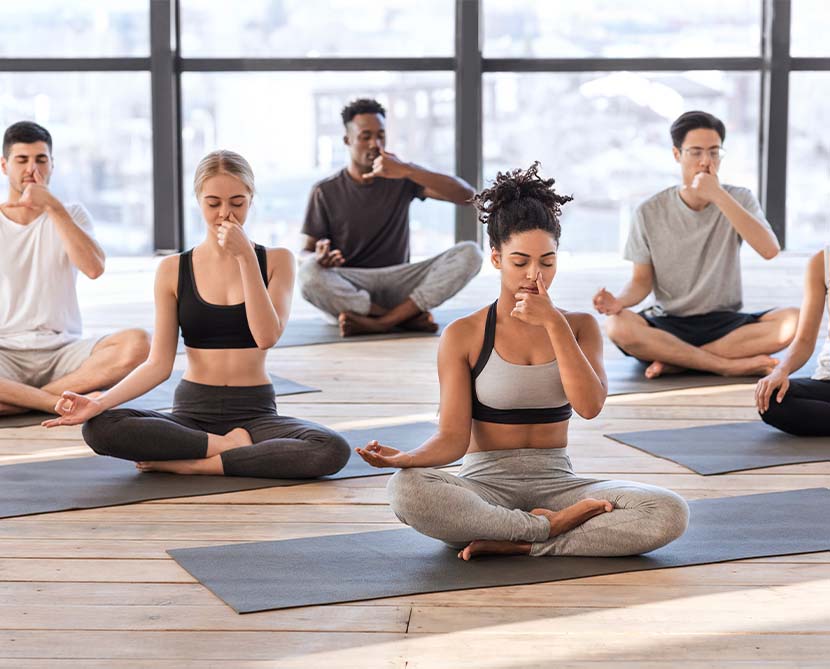
- Nadi Shodhana (alternate nostril breathing): A pranayama technique that alternates airflow between nostrils to balance the nervous system and promote mental clarity alongside a calm, centered state.

Techniques for energy and focus
- Kapalabhati (skull-shining breath): A rapid, rhythmic breathing technique involving short, forceful exhales. It generates heat, clears mental fog, and is best practiced in the morning or when you need a natural energy boost.
- Wim Hof-style breathing: A cyclical pattern of deep, rapid breaths followed by a breath retention. It can produce a strong energizing effect and is associated with improved cold tolerance and mental resilience, though it should be approached gradually by beginners.
Techniques for deep emotional or therapeutic work
- Holotropic breathwork: An intensive, sustained technique designed to facilitate deep emotional release and altered states of awareness. It should always be practiced under the guidance of a qualified facilitator — it is not suitable for unsupervised self-directed practice.
If you are just starting out, diaphragmatic breathing is the universal entry point. It is gentle, adaptable, and forms the foundation for every other technique on this list.
How long does it take to feel the benefits of breathwork?
Many people notice the benefits of breathwork within a single session. Slower, regulated breathing activates the parasympathetic nervous system almost immediately, which is why you can feel calmer, more focused, or less anxious within just a few minutes of conscious breathing. For deeper, lasting benefits, most practitioners report meaningful change after two to four weeks of consistent practice.
The timeline varies depending on what you are working toward. If your goal is stress relief or better sleep, you may feel results after just a handful of sessions. If you are using breathwork to support emotional processing, build lung capacity, or develop a deeper meditation practice, give yourself at least a month of regular practice before evaluating your progress.
Consistency matters more than intensity here. A short, focused breathwork session practiced regularly will deliver far more benefit over time than occasional longer sessions. Think of it the way you would any physical or mental training: the cumulative effect builds gradually, and the nervous system genuinely learns to regulate itself more efficiently with repetition. Research in the field of psychophysiology supports this — studies on slow-paced breathing have documented measurable reductions in perceived stress and improvements in heart rate variability after as few as four weeks of regular practice.
One of breathwork’s most compelling qualities is how it responds to consistency. Unlike some stress management approaches that deliver diminishing returns over time, regular breathwork tends to become more effective as the nervous system adapts — meaning the calming response arrives faster and lasts longer the more you practice. This makes it a particularly strong long-term investment for anyone managing chronic stress, anxiety, or sleep difficulties, and a meaningful complement to other wellness habits like movement, journaling, or meditation.
Should you do breathwork every day or take rest days?
You can safely practice gentle breathwork every day, and many people find a daily routine deeply supportive. Simple techniques like diaphragmatic breathing, box breathing, or a short morning pranayama practice are low-intensity and restorative by nature. For more activating or intense styles such as holotropic breathwork or Wim Hof-style breathing, rest days are a sensible idea, especially when you are just starting out.
The key is to listen to your body. Breathwork is not a high-impact physical activity, but it does influence your nervous system, and overdoing stimulating techniques can leave you feeling wired or lightheaded. If you practice daily, rotating between calming and energizing techniques is a practical way to keep your routine balanced.
For beginners, starting with three to four sessions per week is a comfortable way to build the habit without overwhelming yourself. As breathwork becomes a natural part of your routine, you can decide whether daily practice feels right for you. Many experienced practitioners pair breathwork with their meditation or yoga sessions, making it a seamless part of their overall wellness rhythm.
A simple 2-week breathwork plan for beginners
Knowing you should practice breathwork is one thing — knowing exactly what to do on day one is another. The plan below takes the frequency and timing guidance from this page and turns it into a concrete schedule you can follow immediately. Treat it as a starting point, not a rigid prescription: the goal is to build the habit, not to be perfect.
Week 1
- Frequency: 3 sessions per week (for example, Monday, Wednesday, and Friday)
- Duration: 5–10 minutes per session
- Technique: Diaphragmatic breathing or box breathing
- Timing: Choose a consistent time — either first thing in the morning or as part of your evening wind-down — and stick to it across all three sessions
Week 2
- Frequency: 4 sessions per week
- Duration: 10–15 minutes per session
- Technique: Continue with your Week 1 technique, and introduce one new practice — 4-7-8 breathing or Nadi Shodhana are both excellent next steps
- Timing: Keep the same anchor time from Week 1 to reinforce the habit
After two weeks, take a moment to assess how the practice feels. Some people find that a daily rhythm becomes natural and sustainable at this point; others prefer a consistent four-day schedule with built-in rest. Either approach works — what matters most is that you keep showing up.

How long should each breathwork session be?
A breathwork session can be as short as five minutes and still be genuinely effective. For most people, sessions between ten and thirty minutes offer a good balance of depth and practicality. Longer sessions of forty-five minutes to an hour are typically reserved for guided or therapeutic breathwork experiences rather than everyday practice.
The ideal session length depends on the technique and your intention:
- Five to ten minutes: Perfect for a quick morning reset, pre-meeting calm, or winding down before sleep. Simple techniques like 4-7-8 breathing or box breathing fit well here.
- Fifteen to twenty minutes: A solid length for pranayama practice, breath awareness meditation, or combining breathwork with a short body scan.
- Thirty minutes or more: Suited to deeper practices, guided sessions, or breathwork combined with movement or meditation sets that include extended stillness.
How to practice 4-7-8 breathing: step-by-step
The 478 breathing technique is one of the most effective and accessible methods for quickly calming the nervous system. Developed by Dr. Andrew Weil from pranayama breath ratio principles, it takes less than five minutes and requires no equipment. Here is how to practice it:
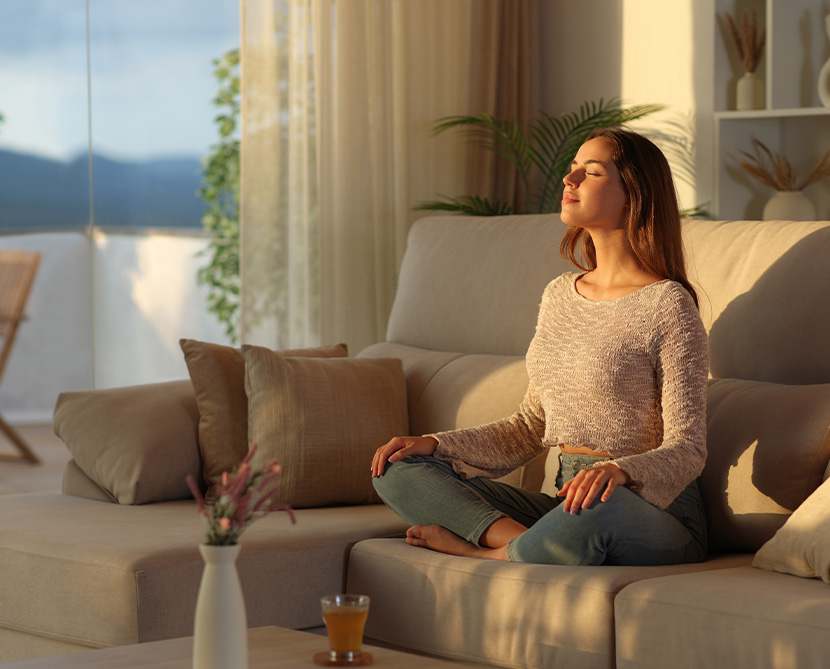
- Sit upright in a comfortable position with your back straight.
- Rest the tip of your tongue gently against the ridge of tissue just behind your upper front teeth and keep it there throughout the exercise.
- Exhale completely through your mouth, making a soft whoosh sound.
- Close your mouth and inhale quietly through your nose for a count of 4.
- Hold your breath for a count of 7.
- Exhale completely through your mouth with a whoosh sound for a count of 8.
- This completes one cycle — repeat for a total of 4 cycles.
If you are new to 4-7-8 breathing, the seven-count hold can feel intense at first. Beginners can shorten the ratio to a 4-4-4 pattern — equal inhale, hold, and exhale — and work up to the full 4-7-8 ratio gradually over a week or two. Even the modified version delivers a meaningful calming effect.
If you are new to breathwork, starting with shorter sessions is genuinely the better approach. It is easier to build a habit around something that feels manageable, and even a five-minute practice done consistently will outperform a thirty-minute session you never quite get around to.
What’s the best time of day to practice breathwork?
The best time to practice breathwork is the time you will actually stick to. That said, the technique you choose should match the energy of the moment. Energizing breathwork practices like Kapalabhati or breath of fire are well-suited to mornings, while calming techniques such as extended exhale breathing or Nadi Shodhana work beautifully in the evening to support relaxation and sleep.
Morning breathwork
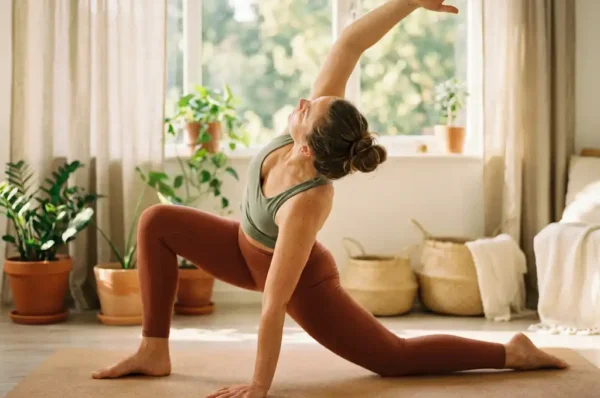
Practicing breathwork in the morning helps set a calm, focused tone for the day. It can sharpen mental clarity, boost energy naturally, and create a mindful anchor before the busyness of the day takes over. Many people pair morning breathwork with a few yoga poses or a seated meditation, making it a grounding start to their routine.
Evening breathwork
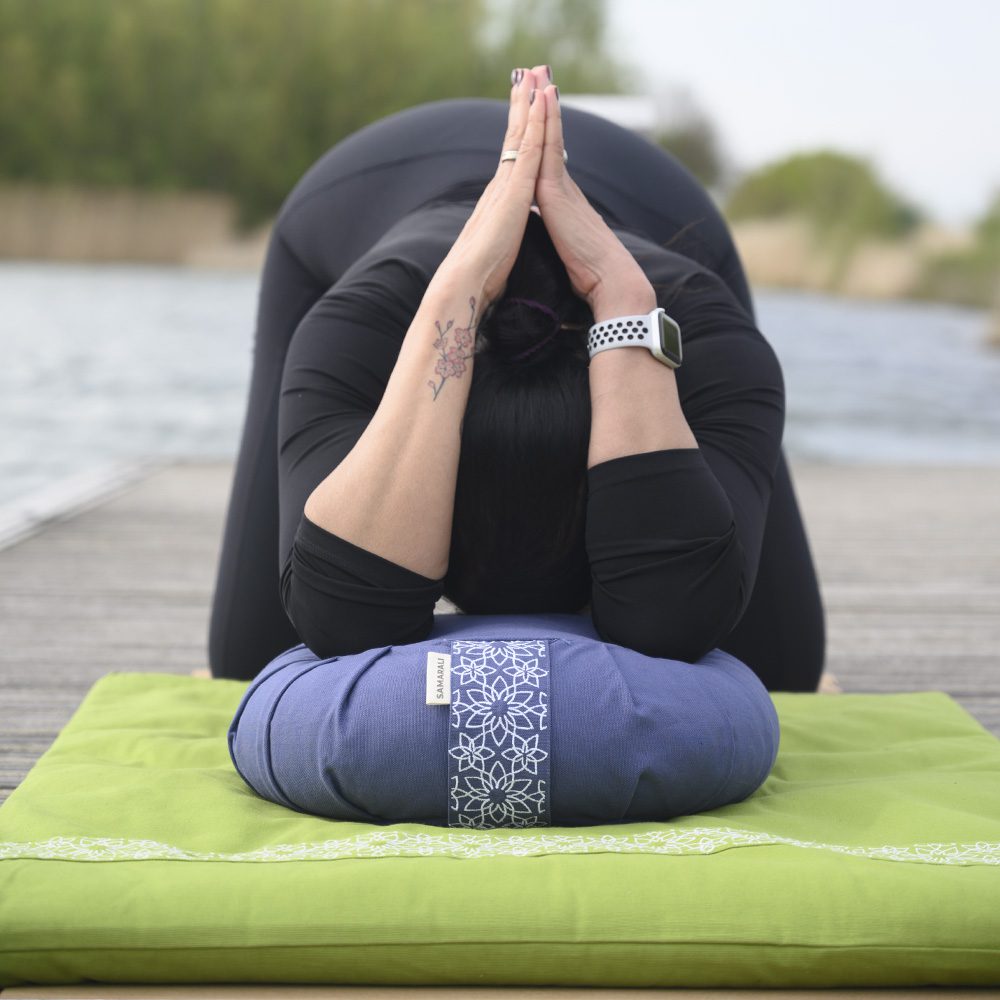
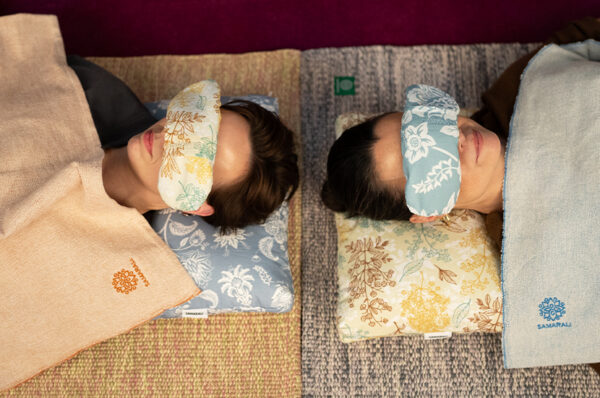
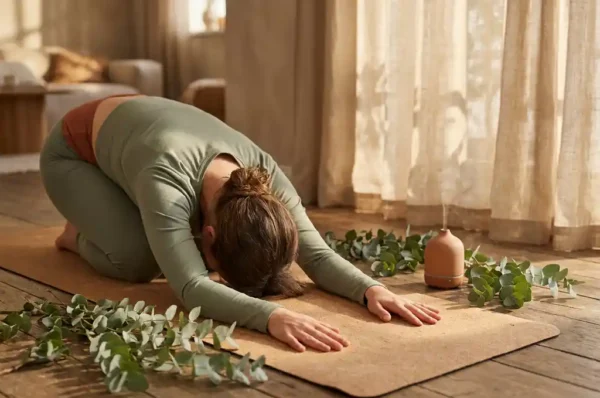
Evening breathwork is one of the most effective tools for transitioning out of a busy day and into genuine rest. Slow, extended exhales signal to the nervous system that it is safe to relax, making it easier to fall asleep and improve sleep quality over time. Setting up a comfortable, dedicated space for your practice, perhaps with a supportive meditation mat, can help your mind associate that environment with winding down.
Ultimately, the best time is the one that fits your life. Experiment with morning and evening practice over a few weeks and notice which feels more sustainable and which delivers the results you are looking for. Breathwork is flexible by nature, and that is one of its greatest strengths.
Frequently Asked Questions
Can breathwork replace meditation, or should I do both?
Breathwork and meditation complement each other beautifully but serve slightly different purposes. Breathwork actively regulates your nervous system through controlled breathing patterns, while meditation typically cultivates awareness and stillness. Many practitioners find that a short breathwork session before meditating actually deepens their meditation by quieting mental chatter first. Rather than choosing one over the other, consider using breathwork as a gateway into your meditation practice.
I feel dizzy or lightheaded during breathwork — is that normal, and what should I do?
Mild lightheadedness is common, especially with techniques that involve faster or deeper breathing, and is usually caused by a temporary shift in carbon dioxide levels. If it happens, simply return to your natural breathing rhythm and the sensation will pass within a minute or two. To minimize dizziness, make sure you are practicing in a seated or lying position, never standing, and avoid pushing through intense discomfort. If lightheadedness is frequent or severe, scale back the intensity of your technique and consider working with a qualified breathwork instructor.
How do I know which breathwork technique is right for my specific goal?
Matching the technique to your goal makes a significant difference in results. For stress relief and anxiety, slow-paced techniques like box breathing, 4-7-8 breathing, or Nadi Shodhana are excellent starting points. For energy and mental focus, activating practices like Kapalabhati or Wim Hof-style breathing are more effective. If you are working on emotional processing or trauma, a trauma-informed guided approach is strongly recommended over self-directed practice. When in doubt, start with diaphragmatic breathing — it is versatile, gentle, and foundational to nearly every other technique.
Is there anyone who should avoid breathwork or approach it with caution?
While breathwork is safe for most people, certain individuals should consult a healthcare provider before starting, particularly those with cardiovascular conditions, epilepsy, a history of respiratory issues, or who are pregnant. Intense or hyperventilatory styles like holotropic breathwork carry more contraindications than gentle techniques and should always be practiced under qualified supervision if you have any underlying health conditions. Gentle diaphragmatic or box breathing, however, is generally considered safe for almost everyone. When in doubt, start with the mildest techniques and get medical clearance if you have any concerns.
What is the biggest mistake beginners make when starting a breathwork practice?
The most common mistake is trying too much too soon — choosing an advanced, high-intensity technique before building a foundation, or committing to long daily sessions that quickly become unsustainable. This often leads to frustration or burnout before the real benefits have a chance to develop. A far more effective approach is to start with one simple technique, practice it consistently for two to three weeks, and only then experiment with adding variety or length. Building the habit matters far more than perfecting the technique right away.
Can I practice breathwork if I have never done yoga or meditation before?
Absolutely — breathwork requires no prior experience with yoga, meditation, or any wellness practice. It is one of the most accessible entry points into mindful self-care precisely because you already know how to breathe. Starting with a guided audio or video session can be especially helpful for beginners, as it removes the guesswork and gives you a structure to follow. Even five minutes of guided diaphragmatic breathing a few times a week is a completely valid and effective starting point.
How do I stay consistent with breathwork when life gets busy?
The key to consistency is reducing the friction between you and your practice as much as possible. Anchor your breathwork to an existing daily habit — right after brushing your teeth, before your morning coffee, or as part of your wind-down routine — so it becomes automatic rather than a separate task to schedule. Keep a short session length in reserve for busy days; even three to five minutes counts and keeps the habit alive. Having a dedicated, comfortable space for your practice, even a simple corner with a meditation mat, also creates a powerful environmental cue that makes showing up feel effortless.
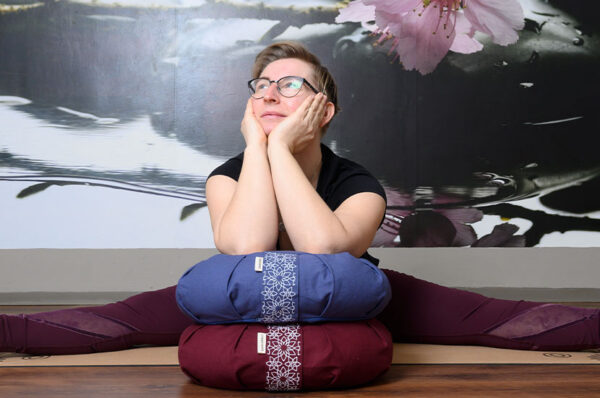
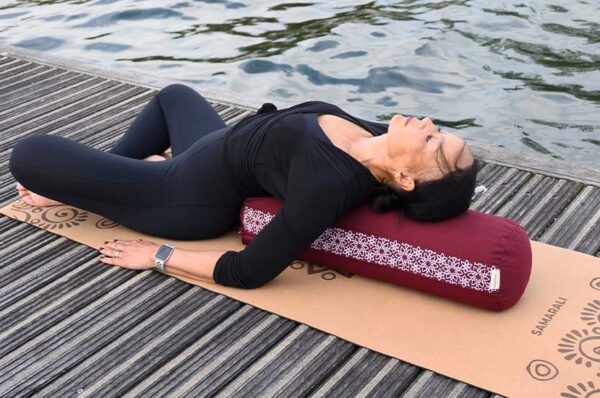
Ready to create the kind of dedicated space that makes showing up for your practice effortless? At Samarali, you will find everything you need to support a grounded breathwork and meditation routine — from a meditation mat that anchors your evening wind-down to a yoga bolster that makes longer, restorative sessions genuinely comfortable. Browse the full meditation collection and find the tools that help your practice feel less like a task and more like a ritual. Shop now and build your space with intention.