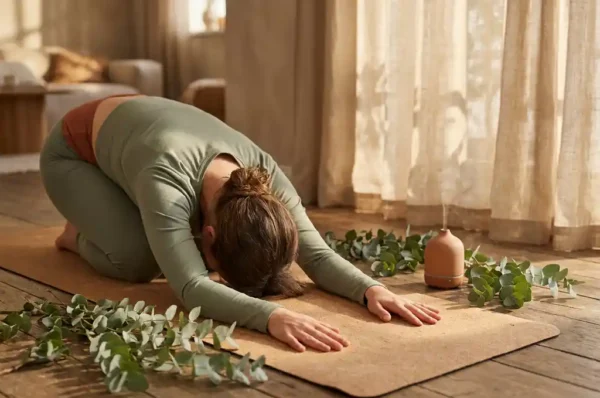



Yes, yoga nidra can genuinely improve your sleep. This guided meditation practice brings the body into a deeply relaxed, hypnagogic state that reduces the nervous system’s stress load and makes it easier to fall asleep and stay asleep. The sections below unpack exactly how it works, how it compares to regular meditation, and how to use it most effectively.
How does yoga nidra actually affect the brain during sleep?
Yoga nidra shifts the brain from active beta wave activity into slower alpha and theta wave states, which are the same brainwave patterns associated with the transition between wakefulness and deep sleep. This shift calms the sympathetic nervous system, lowers cortisol levels, and activates the parasympathetic response, creating the internal conditions your body needs to move into restorative sleep.
What makes yoga nidra particularly interesting from a neuroscience perspective is that it intentionally guides you to the threshold between being awake and asleep. In that liminal space, the mind becomes highly receptive and the body begins its physical recovery process, even before full sleep begins. Practitioners often describe the experience as feeling completely rested after a session, even if they never fully lost consciousness.
This is also why yoga nidra is sometimes described as “yogic sleep.” The practice does not just relax you in the way that sitting quietly might. It systematically withdraws attention from external stimulation, moves through a body scan, and works with breath and visualisation to progressively deepen the relaxation response. Over time, regular practice trains the nervous system to access this calm state more easily, which naturally carries over into your nightly sleep patterns.
What’s the difference between yoga nidra and meditation for sleep?
The key difference is that yoga nidra is always practised lying down with the explicit goal of reaching a sleep-adjacent state, while most meditation practices are done seated and aim to cultivate present-moment awareness without drifting toward sleep. Yoga nidra uses a structured rotation of awareness through the body, whereas general meditation focuses on anchoring attention to the breath or a point of focus.
Standard mindfulness or focused-attention meditation is excellent for reducing daytime stress and building concentration, and those benefits do support better sleep indirectly. But yoga nidra is specifically designed to guide the nervous system toward rest. The technique follows a consistent arc: settling the body, setting an intention, rotating awareness through body parts, working with opposites of sensation, and moving into visualisation. That structure is what makes it so effective as a pre-sleep practice.
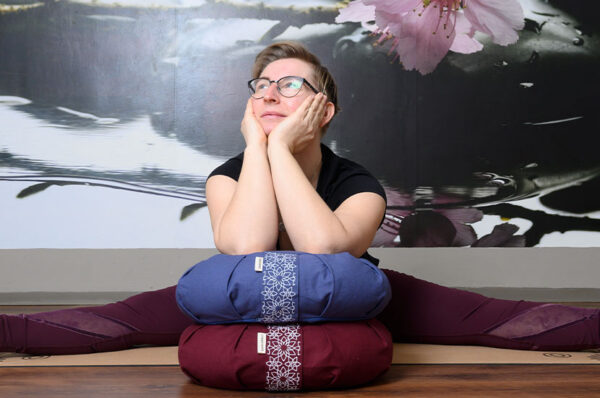
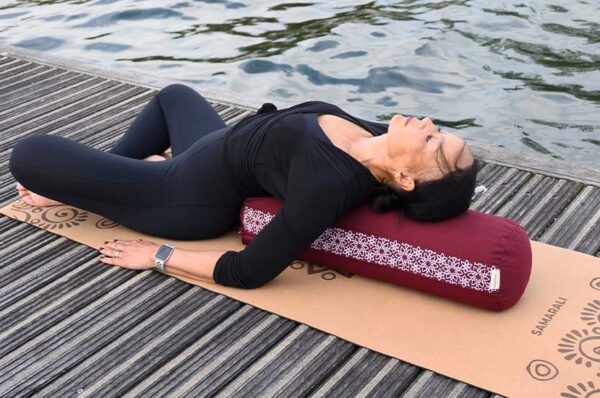
Another practical distinction is that falling asleep during yoga nidra is not considered a failure. In most meditation traditions, dozing off means you lost focus. In yoga nidra, the transition into sleep is a natural extension of the practice. This removes the performance pressure that many people feel around meditation, making it far more accessible for those who struggle to settle their minds at night. If you want to support your practice with the right environment, a comfortable yoga bolster can make lying still for extended periods much more easeful.
How long should a yoga nidra session be for better sleep?
A yoga nidra session between 20 and 45 minutes is generally most effective for improving sleep quality. Shorter sessions of around 20 minutes are ideal if you are practising in the evening and want to wind down without committing to a long block of time. Longer sessions of 30 to 45 minutes allow a deeper progression through all the stages and are particularly useful if you are dealing with heightened stress or anxiety.
For sleep-specific benefits, timing matters as much as duration. Practising yoga nidra in the hour before bed, rather than earlier in the day, gives your nervous system less time to re-engage with stimulating activity before you try to sleep. Many practitioners find that even a 20-minute session just before lying down shortens the time it takes to fall asleep and reduces the number of times they wake during the night.
If you are new to the practice, starting with shorter guided sessions and gradually extending the length as you become familiar with the structure is a sensible approach. There is no benefit to forcing a longer session if your mind is still learning how to follow the guidance. Consistency across multiple nights matters far more than the length of any single session.
Can yoga nidra help with insomnia and chronic sleep issues?
Yoga nidra can be a meaningful support for people dealing with insomnia and chronic sleep difficulties, particularly where stress, anxiety, or an overactive mind are contributing factors. The practice directly addresses the nervous system dysregulation that often underlies persistent sleep problems, helping the body relearn how to shift into a restful state rather than staying locked in alertness at night.
For chronic insomnia, yoga nidra works best as part of a broader approach to sleep hygiene rather than as a standalone cure. It pairs well with consistent sleep and wake times, reduced screen exposure in the evening, and a cool, dark sleeping environment. The practice reinforces all of these habits by making the transition to sleep feel less effortful and less anxiety-inducing over time.
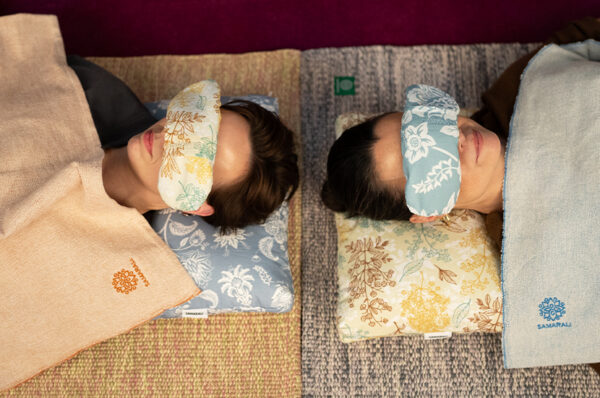
One of the reasons yoga nidra is particularly valuable for chronic sleep issues is that it breaks the cycle of trying too hard to sleep. Many people with insomnia develop a kind of performance anxiety around bedtime, where the act of attempting to sleep becomes its own source of stress. Because yoga nidra gives the mind a structured task to follow, it redirects that anxious attention and reduces the mental friction that keeps people awake. Practising on a supportive surface, such as a meditation mat with an organic cotton yoga blanket for warmth, helps the body associate that environment with safety and rest, reinforcing the practice’s effectiveness over time.
Frequently Asked Questions
How quickly can I expect to see improvements in my sleep from yoga nidra?
Many practitioners notice a difference in how easily they fall asleep within the first few sessions, particularly a reduction in the time it takes to drift off. However, more lasting improvements to sleep quality, such as fewer night wakings and feeling more rested in the morning, typically develop over two to four weeks of consistent practice. Think of it less like a sleep aid and more like a skill you are training your nervous system to perform — the results compound the more regularly you practise.
Is it okay to use headphones and a guided audio recording, or should I learn to do it on my own?
Using a guided audio recording is not only acceptable but is actually the recommended way to practise yoga nidra, especially for beginners. The external voice helps keep your awareness engaged with the practice rather than generating internal chatter, which is particularly useful when you are close to sleep and your focus naturally softens. Popular apps like Insight Timer, Spotify, and dedicated yoga nidra platforms offer a wide range of recordings at different lengths and styles, so experimenting with a few teachers to find a voice and pace that suits you is a great starting point.
What should I do if I always fall asleep before the session finishes and wake up hours later?
Falling asleep mid-session is completely normal and is not something you need to fix — in the context of yoga nidra for sleep, it simply means the practice worked. If you would prefer to complete the full session before sleeping, try practising slightly earlier in the evening when you are less deeply fatigued, or sit propped up at a slight angle using a bolster or cushion rather than lying completely flat. That said, if your goal is purely better sleep rather than completing the practice in full, falling asleep during the session is a perfectly valid outcome.
Can yoga nidra replace sleep entirely, or is it just a supplement?
Yoga nidra cannot replace sleep, despite the common claim that one hour of the practice equals four hours of rest. While the deeply relaxed state it produces does allow the body to begin some restorative processes, it does not replicate the full sleep cycle, including the critical stages of slow-wave deep sleep and REM sleep that the brain requires for memory consolidation, emotional regulation, and physical repair. Think of yoga nidra as a powerful complement to sleep — something that makes your sleep more efficient and accessible — rather than a substitute for it.
Are there any situations where yoga nidra might not be suitable for sleep issues?
Yoga nidra is generally very safe and accessible, but it may not be sufficient as a sole intervention for sleep disorders with physiological roots, such as sleep apnoea, restless leg syndrome, or circadian rhythm disorders. If your sleep difficulties are severe, long-standing, or accompanied by symptoms like loud snoring, gasping during sleep, or extreme daytime sleepiness, it is worth consulting a doctor or sleep specialist alongside exploring yoga nidra. Additionally, some people with trauma histories may find body-scan practices emotionally activating at first, in which case working with a trauma-informed yoga teacher is advisable before practising independently.
Does it matter what position I lie in during yoga nidra for sleep?
The traditional position for yoga nidra is savasana — lying flat on your back with your arms slightly away from your body and palms facing upward — as this allows the body to release tension evenly and signals a state of complete surrender to the nervous system. However, if lying flat is uncomfortable due to back pain, pregnancy, or other physical considerations, lying on your side with a bolster between your knees or under your head works just as well. The most important factor is that your body feels fully supported and free from the need to hold any tension, so prioritise comfort over strict adherence to form.
Can I practise yoga nidra if I have never done yoga before?
Absolutely — yoga nidra requires no prior yoga experience, physical flexibility, or fitness level whatsoever. Unlike physical yoga practices, yoga nidra is entirely passive and involves no movement; you simply lie down and follow the verbal guidance. It is one of the most beginner-friendly wellness practices available and is often recommended to people who find traditional meditation frustrating or who feel they are u0022bad at relaxing.u0022 If you can lie still and listen, you can practise yoga nidra.
Ready to create the ideal environment for your yoga nidra practice? At Samarali, you will find everything you need to settle in with ease and comfort. Whether you are looking for a supportive meditation mat, a grounding yoga bolster, or a cosy organic cotton yoga blanket to keep you warm during those deeply restful sessions, our meditation collection has you covered. Give your body the support it deserves and let sleep come naturally. Shop the meditation sets now and find your perfect combination.