


Most people benefit from meditating daily or at least four to five times per week. Consistency matters more than frequency — even short, regular sessions build the mental habits that make meditation effective over time. That said, the right answer depends on your goals, schedule, and where you are in your practice. Below, we answer the most common questions about how to structure a meditation routine that actually works.
How long should each meditation session be?
For beginners, five to ten minutes per session is enough to build a consistent habit and start noticing benefits. More experienced practitioners often aim for 20 to 30 minutes, and some traditions recommend longer sits. The most important thing is choosing a duration you can realistically maintain every day rather than aiming for long sessions that you skip.
Starting short is not a compromise — it is a strategy. A five-minute session done every morning trains your nervous system and attention in ways that an occasional 45-minute session simply cannot match. As your concentration deepens and sitting becomes more comfortable, you can gradually extend your sessions without forcing it.
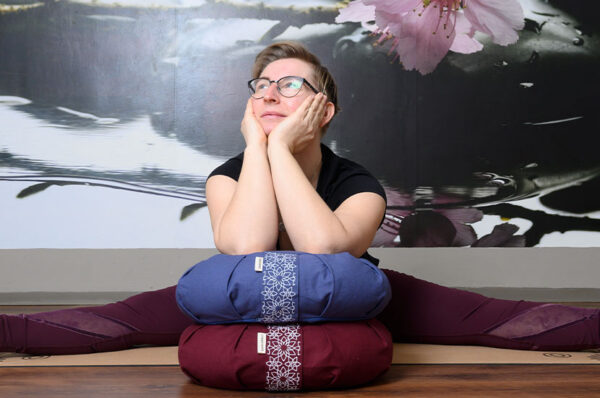
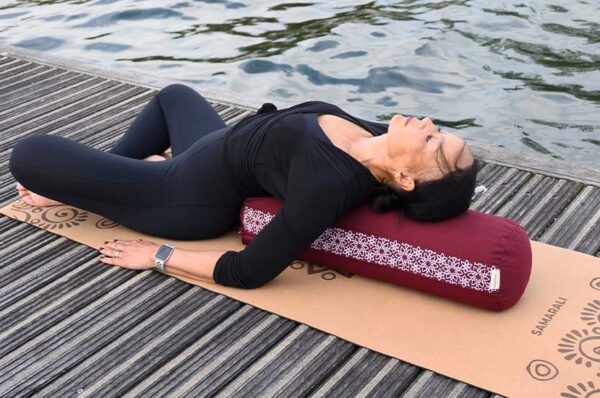
If you are sitting on a dedicated cushion or mat, physical comfort plays a bigger role than most people expect. Discomfort pulls your attention away from the breath and into your body. A supportive meditation cushion can make a real difference in how long you can sit still and how quickly you settle into focus.
What happens to your body and mind when you meditate daily?
Daily meditation gradually rewires how your brain responds to stress, distraction, and emotion. Within a few weeks of consistent practice, most people report lower baseline anxiety, better focus, and improved sleep quality. Over months, regular meditators often notice they react less impulsively to difficult situations and recover from stress more quickly.
On a physical level, daily meditation activates the parasympathetic nervous system — the part responsible for rest and recovery. This lowers cortisol levels, reduces muscle tension, and can support cardiovascular health over time. These are not dramatic overnight changes, but they accumulate meaningfully with regular practice.
Mentally, the shift is often described as gaining a small but reliable gap between a trigger and your reaction. You still feel frustration, anxiety, or overwhelm — but you develop the capacity to observe those feelings rather than be swept away by them. This is one of the most practically useful outcomes of a daily meditation practice, and it tends to carry over into work, relationships, and everyday decision-making.
Is meditating once a week enough to see benefits?
Meditating once a week is better than not meditating at all, but it is unlikely to produce lasting, noticeable benefits on its own. The changes that meditation creates — in attention, emotional regulation, and stress response — depend on repetition and regularity. A single weekly session does not give the mind enough consistent practice to build new habits of awareness.
Think of it like physical exercise. One long run per week keeps you somewhat active, but it will not improve your fitness the way three or four shorter runs will. The brain responds similarly to meditation: frequent, shorter sessions tend to outperform infrequent, longer ones when it comes to building lasting change.
If daily practice feels out of reach, aim for three to four sessions per week as a realistic minimum. Even two consistent sessions per week, done with genuine focus, will serve you better than one rushed hour on a Sunday. The goal is to make meditation a regular part of your rhythm, not a weekly event.
When is the best time of day to meditate?
The best time to meditate is whenever you can do it consistently. That said, most practitioners find that morning sessions work best because the mind is less cluttered with the day’s demands, and it is easier to protect that time before other commitments crowd in.
Why morning meditation works well
Meditating first thing in the morning means you are working with a mind that has not yet been pulled in multiple directions. You have not yet checked your messages, made decisions, or responded to demands. This makes it easier to settle quickly and get more out of a shorter session. Many people also find that a morning practice sets a calmer, more intentional tone for the rest of the day.
When other times of day make sense
Evening meditation can be valuable if you use it as a deliberate transition between work and rest — a way to decompress and signal to your nervous system that the active part of the day is over. Midday sessions work well for people who experience an afternoon energy dip and want to reset their focus. The key is anchoring your session to an existing routine, such as right after waking, before lunch, or just before bed, so it becomes automatic rather than something you have to remember to schedule.
We always encourage people to experiment rather than follow a rigid rule. Try meditating at different times for a week each and notice which slot you are most likely to protect and least likely to skip. That is your best time of day.
Frequently Asked Questions
How do I stay motivated to meditate when I don't feel like it?
The most effective strategy is to lower the bar rather than push through resistance — on difficult days, commit to just two or three minutes instead of skipping entirely. Motivation tends to follow action, not precede it, so starting is usually the hardest part. It also helps to attach your practice to a habit you already do reliably, like making coffee or brushing your teeth, so the decision to meditate is already made before you have a chance to talk yourself out of it.
What should I do if my mind won't stop wandering during meditation?
Mind-wandering is not a sign that you are doing it wrong — it is actually the core of the practice. Every time you notice your mind has drifted and gently return your attention to the breath, you are performing the mental equivalent of a bicep curl. The goal is not to achieve a blank mind but to practice the act of noticing and returning, which is exactly what builds focus and self-awareness over time. If wandering feels excessive, try a guided meditation or a body scan, which give the mind a more structured anchor to hold onto.
Can I split my meditation into shorter sessions throughout the day instead of one longer sit?
Yes — two or three short sessions spread across the day can be just as effective as a single longer one, and for some people even more sustainable. A five-minute morning sit, a brief midday reset, and a short wind-down practice before bed all count toward your daily practice. The key is that each session should be intentional and free from distractions, not just a few unfocused breaths between tasks. Over time, you may find that one of those slots naturally becomes your anchor session and gradually lengthens.
Does the type of meditation I practice affect how often I should do it?
To some extent, yes. Gentler, breath-focused or body-scan practices can be done daily without much risk of mental fatigue, making them ideal for building a consistent routine. More intensive techniques — such as certain visualization practices, breathwork, or extended silent retreats — may benefit from rest days in between, especially for newer practitioners. If you are just starting out, a simple mindfulness or focused-attention practice done daily is the most reliable foundation before experimenting with more specialized methods.
How long does it realistically take to notice results from a regular meditation practice?
Most people begin to notice subtle shifts — slightly less reactivity, a bit more mental clarity, or marginally better sleep — within two to four weeks of consistent daily practice. More significant changes in stress response, emotional regulation, and focus typically become apparent after two to three months. The timeline varies depending on session length, the type of practice, and individual differences, but the research consistently shows that regularity matters far more than any single session length or technique.
Is it okay to meditate more than once a day, and is there such a thing as too much?
Meditating twice a day is a well-established approach in several traditions, including Transcendental Meditation, and can accelerate the benefits for those who have the time and inclination. For most people, one solid daily session is plenty, and adding a second shorter session — such as a five-minute wind-down in the evening — is a natural way to deepen practice without overcomplicating your routine. Meditating excessively is rarely a practical concern for everyday practitioners, but if you ever notice increased dissociation, emotional numbness, or difficulty engaging with daily life, it is worth scaling back and consulting a qualified teacher.
What is the best way to get started if I have never meditated before?
The simplest entry point is a guided meditation app — tools like Insight Timer, Headspace, or Calm offer structured beginner programs that walk you through the basics without requiring any prior knowledge. Start with sessions of five to seven minutes, pick a consistent time of day, and commit to just one week before evaluating how it feels. Investing in a comfortable place to sit — even a firm cushion on the floor — removes a surprising amount of physical friction and makes it easier to settle quickly, especially as sessions get longer.
Ready to build a practice that actually sticks? At Samarali, we offer everything you need to sit comfortably and consistently. Whether you are looking for a dedicated meditation mat, a supportive meditation cushion, or a complete meditation set to set up your space properly, our collection is designed with your practice in mind. Shop the full meditation collection at Samarali and find the tools that make showing up every day a little easier.