


Breathwork reduces stress by directly activating the parasympathetic nervous system, shifting your body out of its fight-or-flight response and into a calmer, more regulated state. This happens through controlled breathing patterns that influence your heart rate, cortisol levels, and brain activity. The effect is physiological, not just psychological, which is why it works even when your mind feels too scattered to meditate. Below, we unpack exactly how this process works and which techniques deliver the most reliable results.
What actually happens in your body when you do breathwork?
When you practice breathwork, you manually override your stress response by stimulating the vagus nerve, which runs from your brainstem to your abdomen. This nerve acts as the primary pathway of the parasympathetic nervous system. Slow, deliberate breathing signals the vagus nerve to reduce heart rate, lower blood pressure, and decrease the production of cortisol, the hormone most closely associated with chronic stress.
Under stress, your breathing naturally becomes shallow and fast, which keeps your nervous system in an activated, alert state. This is useful in genuine emergencies but exhausting when it becomes your default. Breathwork interrupts this cycle by giving your nervous system a clear, physical signal that the threat has passed.
Several measurable changes occur during a breathwork session:
- Heart rate variability increases, which is a reliable marker of nervous system flexibility and resilience
- Carbon dioxide and oxygen levels rebalance, reducing feelings of tension and mental fog
- Muscle tension decreases as the body releases the physical holding patterns associated with stress
- Brain wave activity shifts toward calmer, more coherent patterns, similar to those seen in meditation
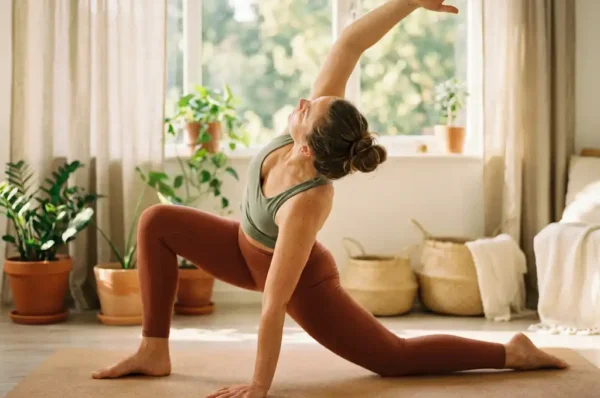
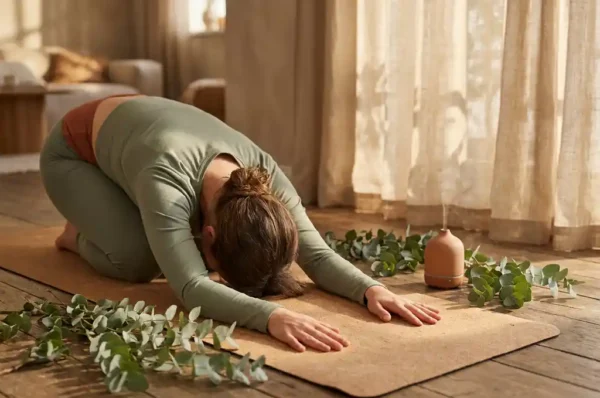
This is why breathwork pairs so naturally with practices like yoga and meditation. The physical body responds first, and the mind follows.
Which breathwork techniques are most effective for stress?
The most effective breathwork techniques for stress are those that lengthen the exhale relative to the inhale, slow the overall breathing rate, or introduce deliberate breath holds. These patterns have the strongest activating effect on the parasympathetic nervous system. Box breathing, 4-7-8 breathing, and diaphragmatic breathing consistently stand out as practical, well-supported options.
Box breathing
Box breathing involves inhaling for four counts, holding for four, exhaling for four, and holding again for four. This equal-ratio pattern is widely used in high-pressure environments because it quickly steadies the nervous system without requiring any prior experience. It is easy to remember and can be done anywhere, including at a desk or on public transport.
4-7-8 breathing
Developed from traditional pranayama practices, 4-7-8 breathing asks you to inhale for four counts, hold for seven, and exhale slowly for eight. The extended exhale is the key mechanism here. A longer exhale than inhale consistently produces a stronger parasympathetic response, making this technique particularly effective before sleep or after a stressful event.
Diaphragmatic breathing
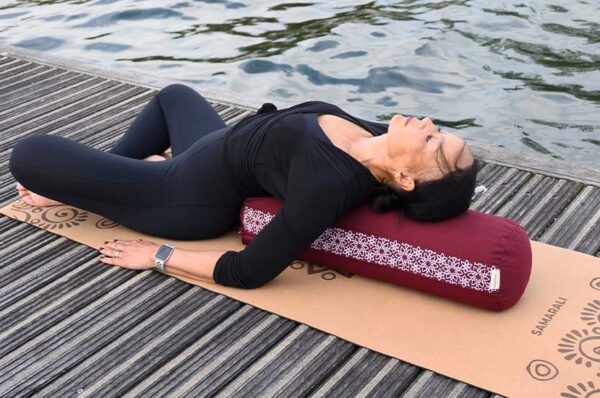
Also called belly breathing, this technique focuses on breathing deeply into the diaphragm rather than shallowly into the chest. Many people default to chest breathing under stress, which keeps the nervous system activated. Diaphragmatic breathing corrects this pattern and forms the foundation of most other breathwork practices. Practising it on a supportive surface, such as a yoga bolster, can help you feel the breath movement more clearly when lying down.
How quickly does breathwork reduce stress?
Breathwork can reduce acute stress within two to five minutes of practice. Because the mechanism is physiological rather than cognitive, you do not need to believe in it or feel calm first for it to work. Even a single round of slow, extended-exhale breathing can produce a measurable drop in heart rate within the first few breath cycles.
That said, there is an important distinction between immediate relief and long-term resilience. A single session addresses the stress response in the moment. Regular practice over weeks and months actually retrains your nervous system, lowering your baseline stress reactivity so that everyday triggers produce a smaller physiological response.
In practical terms, this means:
- Immediate relief is available within a single two to five minute session
- Noticeable shifts in baseline mood and tension typically emerge after one to two weeks of daily practice
- Deeper nervous system retraining develops over consistent practice across several months
Consistency matters far more than session length. Five minutes of breathwork every day builds more resilience than a forty-five minute session once a week.
Can breathwork replace other stress management methods?
Breathwork is a highly effective standalone tool for managing stress, but it works best as part of a broader approach rather than a complete replacement for other methods. It addresses the physiological dimension of stress with remarkable efficiency, but chronic stress often has multiple layers, including lifestyle factors, sleep quality, movement, and thought patterns, that benefit from complementary practices.
Think of breathwork as a foundational skill rather than a single solution. It is something you can use in real time, in any situation, with no equipment required. That immediacy gives it a practical edge over practices that require a specific environment or scheduled time. But combining breathwork with regular physical movement, restorative practices like yoga, and adequate rest produces results that none of these approaches achieves alone.
Where breathwork genuinely stands apart is in its accessibility. Unlike medication, it has no side effects. Unlike therapy, it requires no appointment. Unlike exercise, it can be practised during moments of acute stress without any preparation. For people who struggle to meditate because a busy mind makes stillness difficult, breathwork offers an entry point that works with the body rather than against it.
We believe the most sustainable approach to stress management is one that layers complementary tools, with breathwork at the centre as the practice you return to most often. Pairing it with a grounded meditation set and a consistent yoga practice creates a daily rhythm that supports both nervous system regulation and long-term wellbeing.
Ready to build a practice that truly supports your nervous system? At Samarali, you will find everything you need to create a calm, intentional space for your breathwork and meditation. From a supportive yoga bolster for diaphragmatic breathing to a complete meditation set that anchors your daily ritual, our collection is thoughtfully curated for those who take their wellbeing seriously. Explore the full meditation collection at Samarali and shop now.
Frequently Asked Questions
How do I know if I'm doing breathwork correctly as a complete beginner?
The most reliable sign that you’re breathing correctly is a gradual sense of physical settling — a slower heart rate, softening in the shoulders, or a subtle heaviness in the limbs. For diaphragmatic breathing specifically, place one hand on your chest and one on your belly; your belly should rise on the inhale while your chest stays relatively still. If you feel lightheaded during your first few sessions, slow down the pace and reduce the length of any breath holds — this is a common beginner experience caused by a temporary shift in carbon dioxide levels and passes quickly with practice.
What's the best time of day to practise breathwork for stress relief?
There is no single best time, but timing your practice to match your intention makes a meaningful difference. Morning breathwork, particularly energising techniques like diaphragmatic breathing, helps set a regulated baseline before the demands of the day begin. Evening sessions using extended-exhale techniques like 4-7-8 are especially effective for unwinding and preparing the nervous system for sleep. That said, the most impactful time is simply whenever you can be consistent — a five-minute practice at the same time each day will outperform an occasional longer session done at random.
Can breathwork make stress or anxiety feel worse before it gets better?
For some people, particularly those with a history of trauma or anxiety disorders, focusing attention on the breath can initially feel uncomfortable or even heighten awareness of physical tension. This is a recognised response and does not mean breathwork is wrong for you — it often means starting with shorter sessions of one to two minutes and choosing gentler techniques like simple diaphragmatic breathing rather than techniques with extended breath holds. If discomfort persists, working with a qualified breathwork facilitator or a therapist familiar with somatic practices is strongly recommended before continuing independently.
Is there a difference between breathwork and simply taking a few deep breaths?
Yes — while both can help, structured breathwork is significantly more effective than an unguided deep breath because it uses specific ratios, rhythms, and patterns that are clinically shown to activate the parasympathetic nervous system in a reliable, measurable way. A random deep breath provides a mild, momentary reset, whereas a technique like box breathing or 4-7-8 creates a sustained physiological shift by regulating the balance of oxygen and carbon dioxide and directly stimulating the vagus nerve. Think of the difference as similar to the gap between stretching casually and following a structured yoga sequence — the intention and method matter enormously.
How many times a day should I practise breathwork to see real results?
For nervous system retraining, one dedicated session per day of five to ten minutes is a highly effective starting point, and research supports daily short practice over infrequent longer sessions. Beyond your scheduled practice, using breathwork reactively throughout the day — before a difficult conversation, during a stressful commute, or after receiving bad news — compounds the benefits significantly. Many experienced practitioners integrate two to three short sessions daily: one in the morning to set tone, one at a midday reset point, and one in the evening to wind down.
Are there any situations where breathwork is not recommended?
Breathwork is safe for the vast majority of people, but certain techniques involving extended breath holds or hyperventilation-style patterns — such as Holotropic or Wim Hof breathing — are not suitable for people who are pregnant, have cardiovascular conditions, epilepsy, or a history of psychosis. Even gentler techniques should be approached cautiously by anyone with severe anxiety disorders or trauma histories, as noted above. The techniques covered in this post — box breathing, 4-7-8, and diaphragmatic breathing — are among the mildest and most broadly safe, but when in doubt, consulting a healthcare provider before beginning any new breathwork practice is always the right step.
Can children or teenagers use breathwork for stress and anxiety?
Absolutely — breathwork is one of the most accessible stress management tools for younger people precisely because it requires no equipment, no prior experience, and no particular belief in the practice for it to work. Box breathing is especially well-suited to children and teenagers because its equal-ratio structure is easy to remember and can be taught in under a minute. Schools and child therapists increasingly use guided breathwork as a first-line tool for managing test anxiety, emotional dysregulation, and sleep difficulties, making it a practical skill to introduce early and build on throughout life.