


You can start Vinyasa yoga at home today with nothing more than a clear space, a yoga mat, and a willingness to move and breathe together. Vinyasa is one of the most accessible yoga styles for home practice because its flowing, movement-based structure adapts naturally to any fitness level or available time. Below, we cover everything from the gear you need to how to build your first session and where to find free guidance online.
What do you need to practice Vinyasa yoga at home?
To practice Vinyasa yoga at home, you need a non-slip yoga mat, enough floor space to extend your arms and legs fully, and comfortable clothing that allows free movement. That is genuinely all that is required to begin. Everything else, from props to accessories, is optional but can meaningfully improve your comfort and consistency over time.
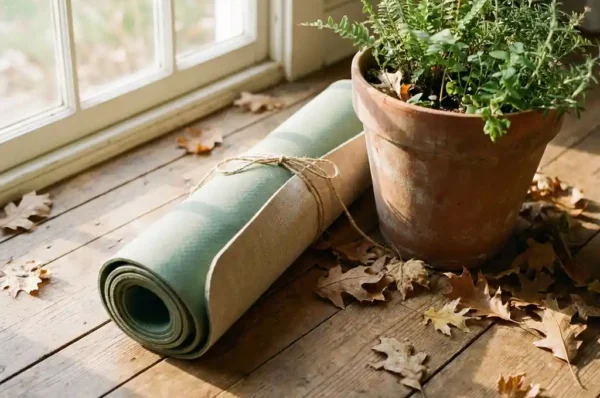
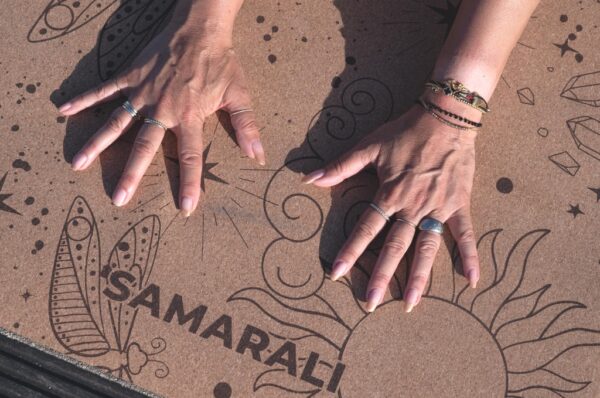
The single most important piece of equipment is a quality mat. Vinyasa sequences involve dynamic transitions, lunges, and downward dogs, so grip and cushioning matter more here than in slower styles. A natural rubber yoga mat offers excellent traction during flowing sequences and holds up well to regular use, making it a worthwhile investment if you plan to practice consistently.
Beyond the mat, a few props can make your home practice more sustainable:
- Yoga blocks: Support your hands in standing poses and help you maintain alignment when flexibility is still developing
- A yoga strap: Extends your reach in forward folds and seated stretches
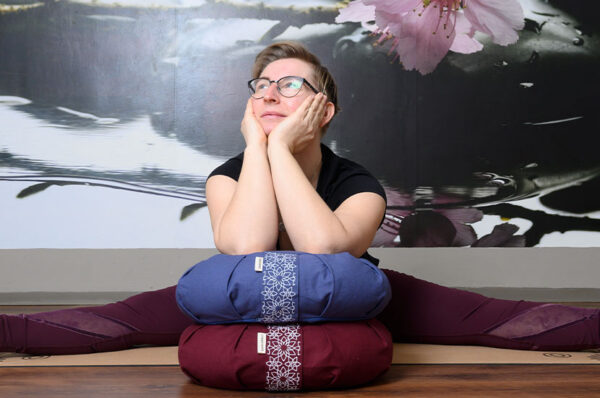
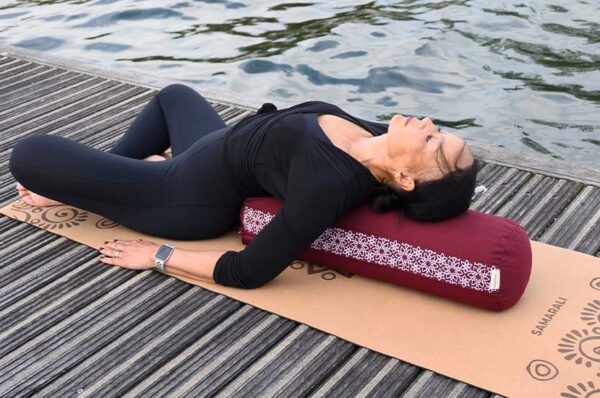
- A blanket or bolster: Useful for cool-down and restorative poses at the end of a flow session
Your space does not need to be large or dedicated. A living room floor, a bedroom with furniture pushed aside, or even an outdoor deck all work perfectly. What matters most is that the surface is level and that you have enough room to move without bumping into obstacles.
How is Vinyasa yoga different from other yoga styles?
Vinyasa yoga is different from other yoga styles because it links breath to continuous movement, creating a flowing sequence where each pose transitions smoothly into the next. Unlike Hatha yoga, which holds poses statically, or Yin yoga, which emphasizes long passive holds, Vinyasa keeps the body in motion throughout the session, building heat, strength, and cardiovascular endurance simultaneously.
The word “Vinyasa” comes from the Sanskrit term meaning “to place in a special way,” which reflects the intentional sequencing at the heart of this practice. Each movement is paired with either an inhale or an exhale, so breath becomes the engine that drives the flow rather than simply something that happens in the background.
Here is how Vinyasa compares to a few common alternatives:
- Vinyasa vs. Hatha: Hatha classes hold individual poses for several breaths and move at a slower pace. Vinyasa moves continuously and tends to be more physically demanding
- Vinyasa vs. Ashtanga: Ashtanga follows a fixed sequence of poses that never changes. Vinyasa sequences vary from class to class, giving teachers and home practitioners much more creative freedom
- Vinyasa vs. Yin: Yin holds poses for three to five minutes to target connective tissue. Vinyasa is dynamic and muscular by comparison
- Vinyasa vs. Restorative: Restorative yoga uses props to fully support the body in passive rest. Vinyasa is active and energizing
This variety and adaptability is one reason Vinyasa yoga translates so well to home practice. Because no two flows need to be identical, you can adjust the pace, intensity, and duration to match exactly how you feel on any given day.
How do you structure a Vinyasa flow session at home?
A home Vinyasa flow session follows a three-part structure: a warm-up phase that prepares the joints and breath, a main flow phase that builds heat and links poses dynamically, and a cool-down phase that releases tension and brings the nervous system back to rest. A complete session can range from 20 minutes to an hour, depending on your available time.
Warm-up (5 to 10 minutes)
Begin seated or lying down, focusing on breath awareness and gentle spinal movement. Cat-cow stretches, neck rolls, and hip circles are ideal openers. The goal is to arrive fully in your body before the flow begins, not to push your range of motion. Sun Salutation A performed slowly works well as a bridge between the warm-up and the main sequence.
Main flow (15 to 40 minutes)
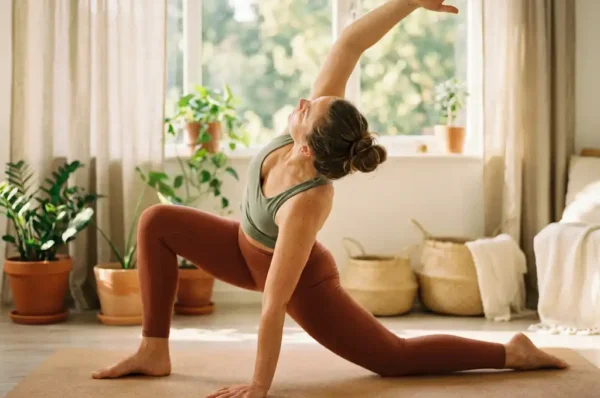
This is the heart of your Vinyasa practice. Build sequences around a peak pose, which is a more challenging posture that the earlier movements prepare you for. For example, if your peak is Warrior III, your flow might progress through Warrior I, Warrior II, and standing balance poses that develop the strength and stability needed. Move with your breath throughout, using inhales to lengthen and exhales to deepen or transition.
Cool-down and savasana (5 to 10 minutes)
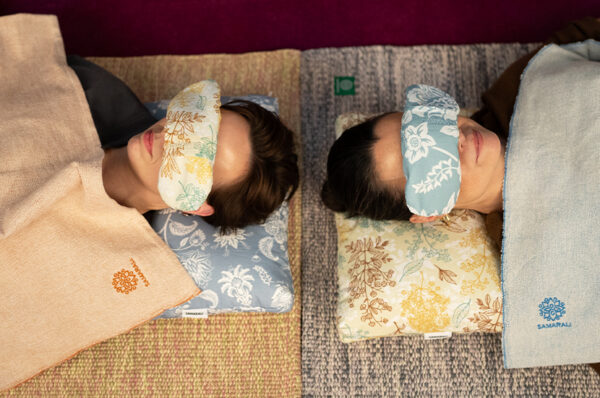
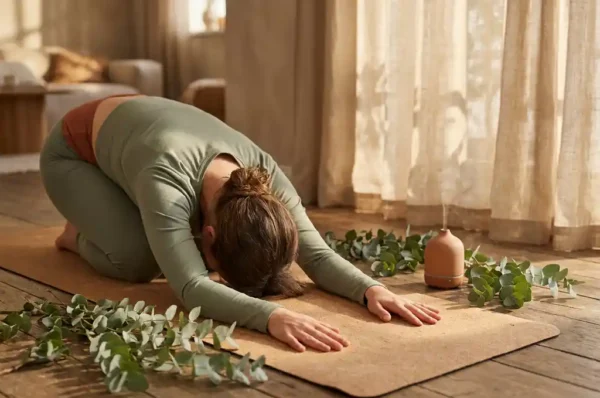
After the main flow, slow the pace deliberately. Seated forward folds, supine twists, and a supported bridge pose help the body release the heat and effort accumulated during the flow. Always end with savasana, lying flat on your back for at least three to five minutes. This is not optional rest; it is when the nervous system integrates the work you have just done.
What are the best free resources for home Vinyasa practice?
The best free resources for home Vinyasa practice are YouTube channels from experienced teachers, free apps with beginner-friendly classes, and community-driven platforms where practitioners share sequences. YouTube in particular offers an enormous range of Vinyasa content, from five-minute morning flows to full 60-minute intermediate sessions, all at no cost.
A few reliable places to start in 2026:
- YouTube channels: Look for teachers who explain alignment cues clearly and offer modifications for beginners. Channels with consistent upload schedules make it easier to build a regular home practice
- Free app tiers: Several well-known yoga apps offer a selection of free Vinyasa classes alongside their paid content. These are worth exploring before committing to a subscription
- Yoga community forums and subreddits: Online yoga communities often share free sequence guides, printable flows, and recommendations for teachers that suit different levels and goals
- Spotify and podcast platforms: Audio-only yoga classes exist for practitioners who prefer to move without watching a screen, which can deepen the internal focus that Vinyasa encourages
When choosing a resource, prioritize teachers who emphasize breath cueing over aesthetics. The breath-movement connection is what distinguishes genuine Vinyasa from simply flowing through shapes, and a good teacher will remind you of that consistently throughout the class.
Ready to take your home practice to the next level? At Samarali, you will find everything you need to support a consistent and comfortable Vinyasa practice. Whether you are looking for a natural rubber yoga mat that delivers reliable grip through every flow, a yoga bolster for your cool-down, or an organic cotton yoga blanket to wrap up in during savasana, our collection is designed with dedicated home practitioners in mind. Shop the yoga mat collection and find the foundation your practice deserves.