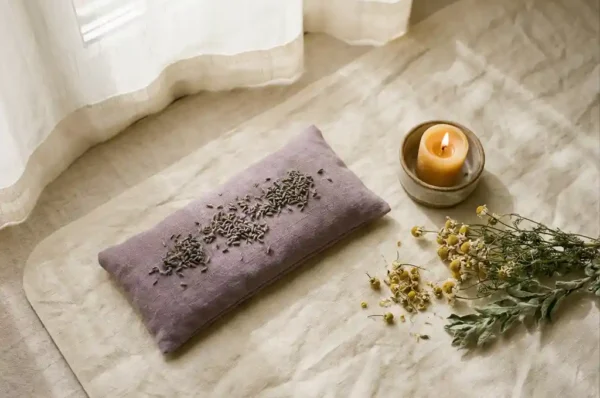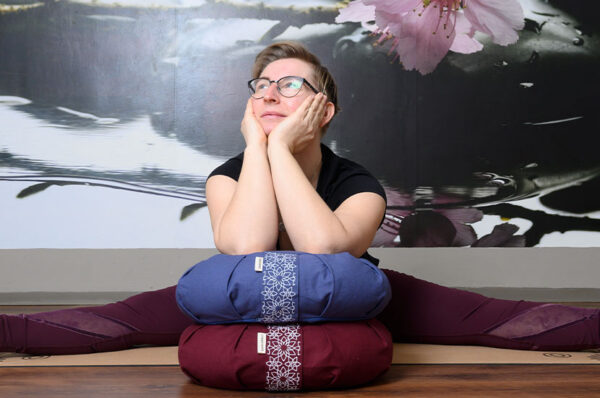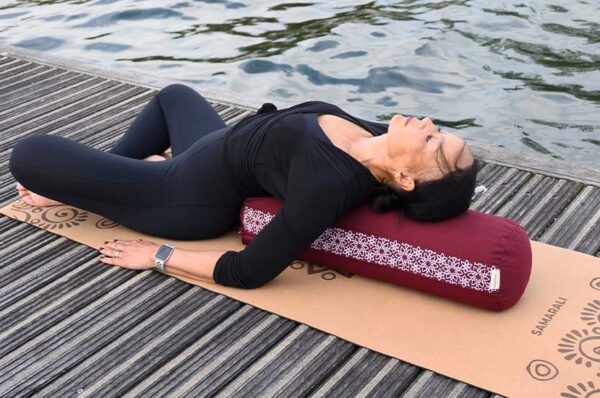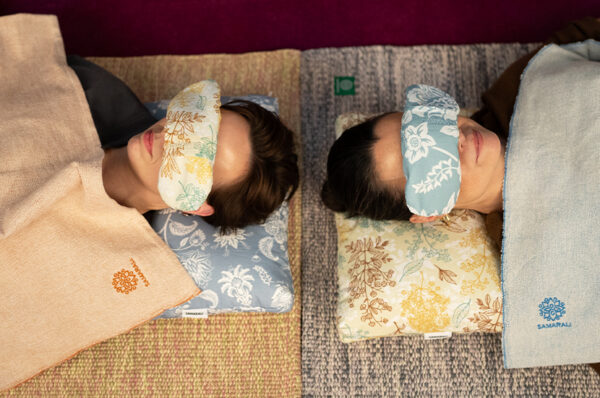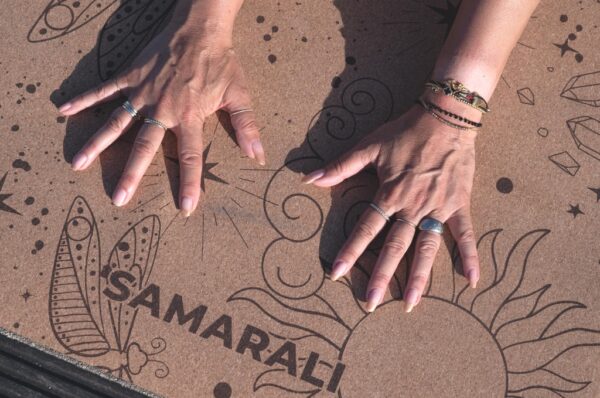



Creating a plastic-free yoga practice means eliminating synthetic materials from your yoga routine and choosing natural, sustainable alternatives instead. This approach reduces environmental impact while often providing better grip, comfort, and durability. You’ll replace plastic mats, blocks, and accessories with materials like natural rubber, cork, organic cotton, and bamboo that support both your practice and planetary health.
What does plastic-free yoga actually mean for your practice?
Plastic-free yoga involves replacing all synthetic, petroleum-based materials in your yoga setup with natural, biodegradable alternatives. This transformation encompasses several key areas:
- Equipment materials: Swapping out PVC mats, foam blocks, and synthetic straps for yoga mats, cork blocks, and organic cotton alternatives that biodegrade safely
- Accessories and storage: Replacing plastic water bottles, synthetic yoga bags, and chemical-based cleaners with stainless steel bottles, organic cotton bags, and plant-based cleaning solutions
- Hidden plastics: Identifying less obvious synthetic components like nylon straps, polyester bolsters, and plastic hardware that often go unnoticed in traditional yoga setups
- Chemical exposure reduction: Eliminating materials that release harmful chemicals, especially during heated yoga sessions when synthetic materials can off-gas toxins
- Philosophical alignment: Creating harmony between yoga’s environmental principles and your actual practice materials, extending mindfulness beyond poses into conscious purchasing decisions
This comprehensive approach transforms your entire yoga experience by addressing both the visible and hidden aspects of plastic dependency in traditional yoga equipment. The transition creates a more authentic practice that aligns your physical routine with environmental consciousness, while often delivering superior performance through materials that offer better grip, moisture absorption, and temperature regulation than their synthetic counterparts.
How do you replace plastic yoga equipment with sustainable alternatives?
Transitioning to sustainable yoga equipment requires strategic replacement of each component with carefully selected natural alternatives:
- Natural rubber mats: Provide excellent grip and cushioning without synthetic materials, offering superior traction that improves with use and naturally antibacterial properties
- Cork mats and blocks: Feature antimicrobial properties that eliminate odors, become more comfortable over time, and provide firm, consistent support that won’t compress like foam alternatives
- Organic cotton mats: Work perfectly for gentler practices like restorative yoga, offer complete biodegradability, and provide a traditional, authentic feel that connects you to yoga’s origins
- Bamboo accessories: Include lightweight blocks perfect for travel, naturally antimicrobial props, and sustainable alternatives that regenerate quickly without environmental damage
- Organic cotton straps: Deliver softer skin contact than synthetic alternatives, feature durable metal buckles instead of plastic hardware, and provide reliable support that improves with age
- Stainless steel water bottles: Maintain temperature longer than plastic, eliminate chemical leaching concerns, and offer lifetime durability that reduces long-term costs
When selecting these alternatives, prioritize certifications like OEKO-TEX for organic cotton products and Forest Stewardship Council approval for cork items. These sustainable replacements not only eliminate environmental harm but often deliver superior performance, comfort, and longevity compared to their plastic counterparts, making your investment worthwhile for both your practice and the planet.
What challenges might you face when transitioning to plastic-free yoga?
Several obstacles can complicate your transition to plastic-free yoga equipment, but understanding these challenges helps you prepare effective solutions:
- Higher upfront costs: Natural materials typically cost 50-100% more than synthetic alternatives, with cork blocks costing twice as much as foam and premium natural rubber yoga mats exceeding basic PVC options significantly
- Limited retail availability: Many local sports stores don’t carry plastic-free options, requiring online research, specialized yoga retailers, or longer wait times for shipping
- Durability concerns: Some natural materials like organic cotton mats may wear faster than synthetics, while natural rubber can degrade under extreme temperatures or excessive sunlight exposure
- Maintenance complexity: Natural materials often require specific cleaning methods, regular care routines, and proper storage conditions that differ from low-maintenance plastic equipment
- Performance adaptation: Natural materials feel different than synthetics, requiring adjustment periods to appreciate their unique textures, grip patterns, and response characteristics
- Weight considerations: Some natural alternatives like solid cork blocks weigh more than foam equivalents, affecting portability for travel or studio commuting
These challenges become manageable when approached strategically rather than as overwhelming obstacles. Consider the higher costs as long-term investments in quality equipment that often outlasts cheap alternatives, start your transition gradually by replacing items as current equipment wears out, and research brands offering warranties or satisfaction guarantees. Most practitioners find that the initial adjustment period quickly gives way to appreciation for natural materials’ superior performance and authentic feel, making the transition both environmentally and practically rewarding.
How do you maintain and care for plastic-free yoga equipment?
Proper maintenance extends the life of natural yoga equipment while preserving its performance characteristics through specific care routines:
- Natural rubber mat care: Clean gently with water and mild plant-based soap, avoiding harsh chemicals that break down rubber compounds, and always air-dry completely before rolling to prevent mold formation
- Cork equipment maintenance: Utilize cork’s naturally antimicrobial properties by wiping with damp cloths after use, allowing thorough air-drying, and avoiding soaking that can cause warping or structural damage
- Organic cotton cleaning: Machine-wash straps and mats on gentle cycles using eco-friendly detergents, wash separately to prevent color bleeding, and air-dry exclusively to avoid heat damage that shrinks or weakens fibers
- Bamboo accessory care: Clean with mild soap and water followed by complete air-drying, regularly inspect for splinters or rough spots that can be gently sanded smooth for continued comfort
- Proper storage methods: Store all natural materials in cool, dry locations with good air circulation to prevent mold, rotate equipment regularly for even wear, and protect from direct sunlight and extreme temperatures
- Replacement timing: Monitor natural rubber for significant thinning or grip loss, expect cork products to last years with proper care, and replace cotton items when structural integrity becomes compromised
These maintenance practices become routine quickly and actually enhance your connection to your equipment through mindful care. Natural materials reward proper attention with improved performance over time, unlike synthetic alternatives that typically degrade regardless of care quality. The investment in proper maintenance pays dividends through extended equipment life, consistent performance, and the satisfaction of sustainable practices that align with yoga’s mindful principles.
Creating a plastic-free yoga practice represents a meaningful step toward environmental consciousness while often improving your practice experience. Natural materials provide authentic textures and performance that synthetic alternatives struggle to match. At Samarali, we understand this connection between mindful practice and sustainable choices. All our yoga and meditation gear uses organic cotton fabrics, and we avoid plastic completely in our product packaging, supporting your journey toward more conscious living.
Browse our selection of thoughtfully crafted collection of sustainable yoga essentials—designed for mindful movement and made with respect for the planet.