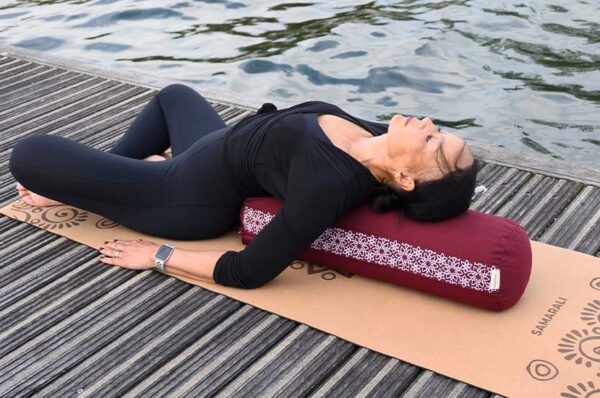



Yes, yoga nidra can meaningfully improve concentration and focus. This guided meditation practice works by shifting the brain into a deeply relaxed but alert state, which helps clear mental clutter and restore attentional capacity. The sections below explore the science behind it, what practice frequency works best, and how it compares to other mindfulness approaches.
How does yoga nidra affect the brain and nervous system?
Yoga nidra shifts the brain from active beta waves into slower alpha and theta wave states, the same frequencies associated with deep relaxation, creative thinking, and heightened receptivity. This neurological shift activates the parasympathetic nervous system, reducing stress hormones like cortisol that are known to fragment attention and impair working memory.
What makes yoga nidra distinct from ordinary rest is that it induces this deeply relaxed state while keeping awareness intact. Practitioners remain conscious throughout the session, hovering at the threshold between wakefulness and sleep. In this liminal state, the prefrontal cortex, the part of the brain most responsible for sustained attention, decision-making, and cognitive control, gets a genuine reset rather than the partial recovery that comes from distracted downtime.
The practice also works directly on the autonomic nervous system. Chronic stress keeps the body locked in a sympathetic “fight or flight” response, which drains the mental resources needed for focus. A regular yoga nidra session interrupts that cycle. Over time, practitioners often report feeling less reactive, more mentally clear, and better able to direct their attention intentionally rather than having it pulled in every direction.
For anyone who practices on a meditation mat or cushion, yoga nidra is typically done lying down in savasana, making physical comfort an important part of getting the neurological benefits. A supportive surface helps the body release tension fully, which deepens the parasympathetic response.
What does the research say about yoga nidra and cognitive performance?
Research into yoga nidra and cognitive performance is still developing, but existing studies point in a consistent direction: regular practice is associated with improvements in attention, memory consolidation, and mental clarity. Much of the evidence links these benefits to the reduction of stress and sleep debt, both of which are major drivers of poor concentration.
One well-supported mechanism is the role of theta wave activity in memory processing. The brain naturally consolidates information during slow-wave sleep, and yoga nidra appears to trigger a similar consolidation window while the practitioner remains conscious. This means a 20 to 30 minute session can deliver some of the cognitive restoration benefits of a longer sleep cycle, which is particularly relevant for people whose focus suffers due to poor sleep quality.
Research also highlights the impact on the default mode network, the brain system that activates during mind-wandering and self-referential thinking. Overactivity in this network is associated with difficulty concentrating and rumination. Yoga nidra, like other contemplative practices, appears to reduce default mode network dominance, helping the mind stay task-focused rather than drifting.
It is worth noting that most studies use small sample sizes and self-reported outcomes, so the evidence is promising rather than definitive. That said, the neurological mechanisms are well understood, and the cognitive benefits align with what is already known about how stress reduction and restorative states improve brain function.
How often should you practice yoga nidra to improve focus?
Practicing yoga nidra three to five times per week is generally enough to notice meaningful improvements in focus and mental clarity. Even a single session of 20 to 30 minutes can produce immediate effects on alertness and calm, but consistent practice over several weeks is what builds lasting changes in attentional capacity.
For beginners, starting with two or three sessions per week is a realistic and sustainable approach. The practice does not require any prior yoga experience or physical effort, which makes it easier to maintain as a habit compared to more demanding forms of movement or meditation. As the nervous system becomes more accustomed to entering the alpha-theta state, practitioners often find it easier to access mental clarity both during and outside of sessions.
Timing also matters. Many people find yoga nidra most effective in the early afternoon, when the natural post-lunch dip in alertness tends to reduce productivity. A short session during this window can restore focus more effectively than caffeine or forcing through distraction. Others prefer a morning practice to set a calm, attentive tone for the day ahead.
If your goal is specifically to counter the effects of stress on concentration, daily practice during high-pressure periods can be especially valuable. The cumulative effect of regularly lowering cortisol levels and resetting the nervous system builds a kind of cognitive resilience over time.
Is yoga nidra better than mindfulness meditation for concentration?
Yoga nidra and mindfulness meditation improve concentration through different mechanisms, and neither is universally better. Yoga nidra works primarily through deep nervous system restoration and passive awareness, while mindfulness trains active, moment-to-moment attentional control. For people whose poor focus stems from exhaustion or chronic stress, yoga nidra often delivers faster relief. For those who need to strengthen deliberate attention, mindfulness may be more directly targeted.
The two practices are genuinely complementary rather than competing. Mindfulness meditation asks you to actively observe thoughts and sensations without getting caught up in them, which directly exercises the mental muscle of redirecting attention. This kind of active training builds the capacity to notice when the mind has wandered and bring it back, a skill that translates directly into better concentration during work or study.
Yoga nidra, by contrast, does not ask you to do anything. You follow guided instructions and allow the process to unfold. This makes it more accessible for people who find active meditation frustrating or who are too mentally fatigued to sustain effort. The restorative depth it offers can actually make mindfulness practice more effective by clearing the cognitive noise that makes active meditation difficult.
In practice, many experienced meditators use both. A yoga nidra session a few times a week provides deep restoration, while a daily mindfulness practice sharpens attentional precision. If you are just starting out, yoga nidra is often the gentler entry point. Pairing it with a comfortable meditation mat and a quiet space helps establish the kind of consistent routine that makes both practices work over time.
Ready to support your practice with the right foundation? At Samarali, you will find everything you need to make yoga nidra and meditation a sustainable part of your daily routine — from a dedicated meditation mat designed for deep relaxation to meditation cushions that keep your body comfortable throughout every session. Explore our full meditation sets to find everything you need in one place. Shop now and create the space your mind deserves.
Frequently Asked Questions
How long does it take to notice improvements in focus after starting yoga nidra?
Many practitioners report feeling calmer and more mentally clear after just one or two sessions, but meaningful, lasting improvements in concentration typically emerge after two to four weeks of consistent practice. The timeline varies depending on your baseline stress levels, sleep quality, and how regularly you practice. Those dealing with significant stress or sleep deprivation may notice faster relief, since yoga nidra directly addresses both of those focus-draining factors.
Can I practice yoga nidra at my desk or does it require a specific setup?
While yoga nidra is traditionally practiced lying down in savasana on a mat or cushion, you can adapt it to a reclining chair or even a supportive office chair in a pinch. The key is that your body feels comfortable enough to release physical tension fully, since muscular holding limits the depth of the parasympathetic response. For best results, a quiet space where you won’t be interrupted and a surface that allows your body to fully relax will make a noticeable difference in the quality of each session.
What should I do if I keep falling asleep during yoga nidra sessions?
Falling asleep, especially in the beginning, is extremely common and not a sign that you are doing it wrong. If you consistently fall asleep, try practicing at a time when you are less fatigued, such as mid-morning rather than after lunch or before bed, and consider sitting slightly upright rather than lying completely flat. Over time, as your nervous system becomes more practiced at holding the alpha-theta state, staying consciously aware throughout the session becomes much easier.
Are there specific types of yoga nidra recordings that are better for improving focus?
For concentration-related goals, look for yoga nidra recordings that include a sankalpa (intention-setting) phase and body scan rotation, as these elements are most directly associated with cognitive reset and nervous system regulation. Sessions in the 20 to 35 minute range tend to be the sweet spot for cognitive restoration without tipping into deep sleep. Teachers like Swami Satyananda Saraswati, Richard Miller (iRest), and many evidence-based apps offer structured recordings well-suited to this purpose.
Can yoga nidra help with focus issues related to ADHD or anxiety?
Yoga nidra shows genuine promise as a complementary tool for both ADHD and anxiety-related focus challenges, largely because it works through the nervous system rather than demanding effortful concentration from the start. Its passive, guided nature makes it more accessible than active meditation for people who struggle to sustain deliberate attention. That said, it should be treated as a supportive practice alongside professional guidance rather than a standalone treatment, and results will vary from person to person.
Is there a wrong way to practice yoga nidra that could reduce its effectiveness?
The most common mistake is treating yoga nidra like background noise, letting the audio play while multitasking or half-listening. The practice requires your full, passive attention to guide the brain through its characteristic wave state transitions. Other effectiveness-reducers include practicing in a noisy or uncomfortable environment, skipping the intention-setting phase, and ending sessions abruptly rather than allowing a slow, gradual return to full wakefulness.
How does yoga nidra fit into a broader routine for someone trying to optimize their mental performance?
Yoga nidra works best as a recovery and reset tool within a broader cognitive performance routine, not as a replacement for sleep, exercise, or other focus-supporting habits. A practical approach is to pair it with a daily mindfulness practice for active attentional training, adequate nighttime sleep for baseline cognitive function, and physical movement to support circulation and stress regulation. Think of yoga nidra as the deep restoration layer in that stack, the practice that clears accumulated mental fatigue so that everything else works better.