


Yes, breathwork can genuinely improve mental clarity. Controlled breathing techniques directly influence the nervous system and brain activity, creating measurable shifts in focus, calm, and cognitive function. The effect is not subtle — many people notice a difference within a single session. Below, we unpack how it works and which approaches deliver the best results.
How does breathwork actually affect the brain?
Breathwork affects the brain by regulating the autonomic nervous system, which controls the balance between stress and calm. Slow, deliberate breathing activates the parasympathetic nervous system, reducing cortisol levels and increasing blood flow to the prefrontal cortex — the region responsible for decision-making, focus, and clear thinking. This physiological shift is the foundation of breathwork’s mental benefits.
When you breathe in a shallow, fast pattern — common during stress or screen-heavy workdays — your body stays in a low-grade fight-or-flight state. This keeps the brain’s threat-detection systems active and suppresses higher cognitive function. Breathwork deliberately interrupts that cycle.
Controlled breathing also influences heart rate variability (HRV), a key marker of nervous system flexibility. Higher HRV is associated with better emotional regulation, sharper attention, and greater resilience to mental fatigue. By training your breath, you are effectively training your brain’s ability to stay present and think clearly under pressure.
Carbon dioxide levels in the blood also play a role. Many breathwork practices involve deliberate breath retention or extended exhales, which shift CO2 and oxygen ratios in ways that alter brain chemistry and conscious awareness. This is why certain techniques can produce a noticeable sense of mental spaciousness almost immediately.
What types of breathwork are best for mental clarity?
The best breathwork techniques for mental clarity are those that extend the exhale, slow the overall breathing rate, or involve rhythmic patterns that anchor attention. Box breathing, diaphragmatic breathing, and alternate nostril breathing are among the most effective and accessible methods for sharpening focus and reducing mental noise.
Box breathing
Box breathing involves inhaling for four counts, holding for four, exhaling for four, and holding again for four. This equal-ratio pattern is widely used by professionals who need to perform under pressure. It calms the nervous system quickly without inducing drowsiness, making it ideal before focused work or high-stakes situations.
Alternate nostril breathing
Known in yoga traditions as Nadi Shodhana, alternate nostril breathing involves closing one nostril at a time while breathing through the other in a structured sequence. It is thought to balance the two hemispheres of the brain and is particularly valued for creating a quiet, centred mental state. Many practitioners find it especially effective before meditation or study sessions.
Diaphragmatic breathing, sometimes called belly breathing, is the most foundational technique. By engaging the diaphragm fully rather than breathing shallowly into the chest, you stimulate the vagus nerve and trigger a relaxation response that clears mental fog over time. It is the best starting point for anyone new to breathwork.
How long does it take for breathwork to improve focus?
Breathwork can improve focus within a single five to ten minute session. The acute effects — reduced mental chatter, a calmer nervous system, and sharper attention — are often noticeable immediately after a short practice. For lasting improvements in baseline focus and cognitive clarity, consistent practice over two to four weeks tends to produce more durable results.
The distinction between short-term and long-term effects matters here. A single breathwork session before a task functions like a mental reset, clearing accumulated tension and redirecting attention. Regular practice, however, gradually reconditions the nervous system so that your default state becomes calmer and more focused, even without actively doing breathwork in the moment.
Consistency is the key variable. Practitioners who incorporate breathwork into a daily routine — even for just five minutes in the morning — typically report improvements in sustained attention, reduced reactivity, and a greater ability to return to focus after distraction. Think of it less like a supplement and more like a skill that compounds with repetition.
Should you combine breathwork with yoga or meditation?
Yes, combining breathwork with yoga or meditation significantly amplifies the mental clarity benefits of each practice individually. Breathwork serves as a bridge between physical movement and stillness, preparing the mind for deeper meditation and enhancing the mind-body connection during yoga. Together, these practices create a more complete approach to mental and emotional wellbeing.
In traditional yoga philosophy, breathwork (pranayama) is not a separate practice but an integral layer of the overall system. It sits between the physical postures (asana) and the meditative states that follow. Practicing breathwork at the end of a yoga session, when the body is already open and the nervous system is engaged, allows the breath techniques to land more deeply.
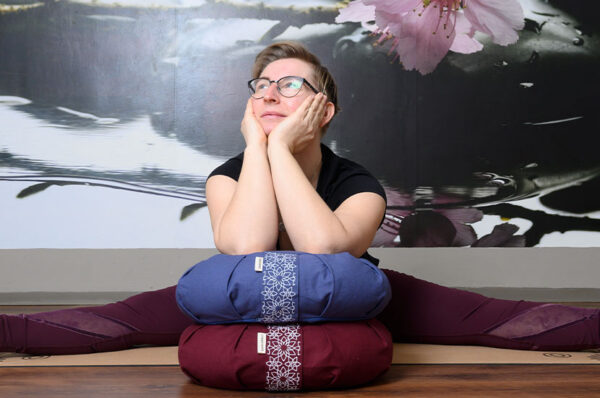
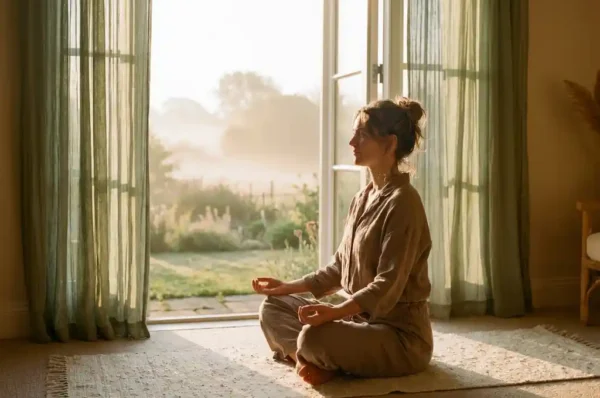
When combined with meditation, breathwork acts as an anchor. Rather than sitting down to meditate and immediately wrestling with a busy mind, a few minutes of structured breathing first settles the mental landscape and makes it far easier to sustain focus during seated practice. A supportive meditation cushion that keeps your posture comfortable throughout can make this combination even more accessible and sustainable as a daily habit.
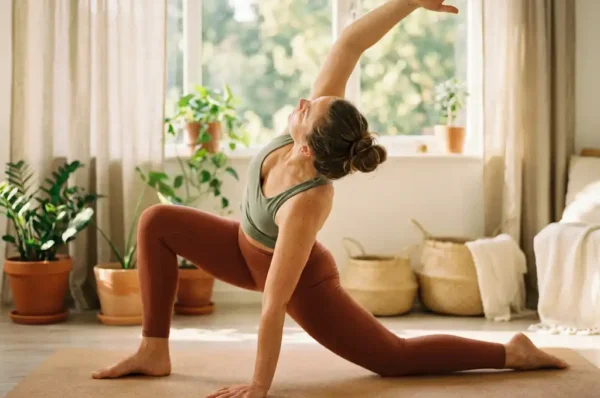
For yoga practitioners specifically, integrating conscious breathing into movement sequences transforms a physical workout into a genuinely mindful practice. The breath becomes a tool for staying present, regulating effort, and cultivating the mental stillness that makes yoga so effective for overall wellbeing. Whether you are new to the practice or deepening an existing routine, pairing breathwork with movement and stillness is one of the most rewarding investments you can make in your mental health.
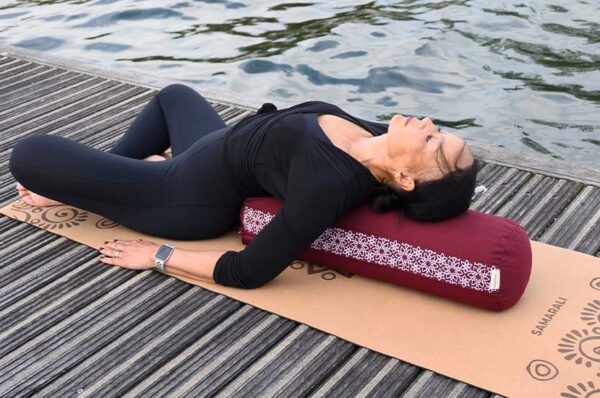
If you are looking to deepen your breathwork, yoga, or meditation practice with the right support, Samarali has everything you need. From a meditation mat and meditation cushions that keep you grounded and comfortable during seated breathwork, to yoga mats and a yoga bolster that support your movement practice — every tool is thoughtfully made to help you show up fully. Shop the meditation collection and find what fits your practice.
Frequently Asked Questions
Can breathwork help with anxiety or is it mainly for focus and productivity?
Breathwork is highly effective for anxiety, not just focus and productivity. Techniques like extended exhale breathing (where the exhale is longer than the inhale) directly activate the parasympathetic nervous system, which counteracts the physiological symptoms of anxiety such as a racing heart and shallow breathing. Many people find that a consistent breathwork practice reduces baseline anxiety levels over time, making it a practical, drug-free complement to other anxiety management strategies.
How do I know if I'm doing breathwork correctly as a beginner?
The most reliable sign that you are doing breathwork correctly is a gradual sense of physical relaxation and mental settling within the first few minutes. For diaphragmatic breathing specifically, place one hand on your chest and one on your belly — your belly should rise first and more prominently than your chest. If you feel lightheaded or dizzy during practice, slow down the pace and breathe more gently, as this usually indicates you are over-breathing or forcing the breath rather than allowing it to flow naturally.
Is there a best time of day to practice breathwork for mental clarity?
Morning is generally the most impactful time for breathwork aimed at mental clarity, as it sets the tone for your nervous system before the demands of the day accumulate. A five to ten minute session upon waking can shift your baseline state from groggy and reactive to calm and focused, which tends to carry through several hours of work. That said, a short breathwork reset at midday — particularly after back-to-back meetings or screen time — is equally valuable for clearing mental fatigue and restoring concentration.
Are there any situations where breathwork could be harmful or is it safe for everyone?
Breathwork is safe for the vast majority of people, but certain techniques involving breath retention or hyperventilation-style patterns (such as Wim Hof or holotropic breathwork) are not recommended for individuals with cardiovascular conditions, epilepsy, a history of psychosis, or during pregnancy. Gentle techniques like box breathing and diaphragmatic breathing carry virtually no risk and are suitable for almost everyone. If you have any underlying health conditions, it is always wise to consult a healthcare professional before exploring more intensive breathwork styles.
How is breathwork different from simply taking a few deep breaths when stressed?
Taking a few deep breaths is a spontaneous, unstructured response to stress, whereas breathwork involves deliberate patterns, ratios, and rhythms that produce specific physiological effects. The structure is what makes breathwork significantly more powerful — techniques like box breathing use precise inhale-hold-exhale-hold ratios to systematically regulate the nervous system, rather than just temporarily interrupting a stress response. Think of the difference as similar to the one between stretching casually and following a structured mobility routine: both help, but one is far more targeted and reliable.
Can I practice breathwork without any prior experience in yoga or meditation?
Absolutely — breathwork is one of the most accessible wellness practices available precisely because it requires no prior experience, equipment, or physical ability. Diaphragmatic breathing and box breathing can be learned in under five minutes and practiced anywhere, from a desk chair to a commute. While combining breathwork with yoga or meditation does enhance results, breathwork stands on its own as a powerful standalone tool and is often the ideal entry point for people who find meditation too mentally demanding at first.
What are the most common mistakes people make when starting a breathwork practice?
The most common mistake is forcing or over-controlling the breath, which can create tension and actually counteract the relaxation response you are aiming for. Breathwork should feel effortful in its structure but gentle in its execution — the breath guides you, rather than being muscled into a pattern. Another frequent mistake is expecting immediate long-term results from a single session; while acute benefits are real, the deeper cognitive and emotional shifts come from consistency, so building even a short daily habit will always outperform sporadic longer sessions.