


Yes, breathwork can genuinely improve your sleep. Specific breathing techniques activate the parasympathetic nervous system, shifting your body out of a stress response and into a state of calm that makes falling and staying asleep significantly easier. Below, we unpack how it works, which techniques are most effective, and how breathwork fits into a broader sleep routine.
How does breathwork actually affect your sleep?
Breathwork improves sleep by directly influencing your autonomic nervous system. Slow, controlled breathing stimulates the vagus nerve, which triggers the parasympathetic response, lowering heart rate, reducing cortisol, and signaling to your body that it is safe to rest. This physiological shift makes it easier to transition from wakefulness into sleep.
Most sleep difficulties are rooted in an overactive stress response. When your mind is racing or your body is tense at bedtime, your sympathetic nervous system, the one responsible for fight-or-flight, is still running the show. Breathwork interrupts that cycle by giving your nervous system a direct, manual override.
What makes breathwork particularly effective is that it is one of the few tools you can use in real time, right in bed, without any equipment. Unlike sleep aids or supplements, it works with your body’s own biology rather than introducing an external substance. Regular practice also builds a conditioned response over time, meaning the more consistently you use breathwork before sleep, the more reliably your body learns to associate those breathing patterns with winding down.
Which breathing techniques work best for sleep?
The breathing techniques most supported for sleep improvement are 4-7-8 breathing, box breathing, and slow diaphragmatic breathing. Each works by extending the exhale or introducing breath holds that amplify the parasympathetic response. The best choice depends on your experience level and what feels most natural to you.
4-7-8 breathing
Developed from pranayama traditions, this technique involves inhaling for 4 counts, holding for 7, and exhaling slowly for 8. The extended exhale is the key mechanism here. A longer exhale than inhale consistently activates the body’s calming response, making this one of the most effective patterns for pre-sleep use. Beginners may find the 7-count hold challenging at first, so shortening the ratio while keeping the exhale longest is a good starting point.
Box breathing
Box breathing uses equal counts for inhale, hold, exhale, and hold again, typically 4 counts each. It is slightly more structured and works well for people whose minds tend to wander, since the counting gives mental focus a clear anchor. It is also widely used in high-stress professions to regulate the nervous system quickly, which speaks to how reliably it works under pressure.
Slow diaphragmatic breathing
Also called belly breathing, this technique focuses on breathing deeply into the abdomen rather than the chest. A natural rhythm of around 5 to 6 breaths per minute is associated with optimal heart rate variability and a strong relaxation response. This is the most accessible technique for complete beginners and can be practiced lying flat in bed without any counting required.
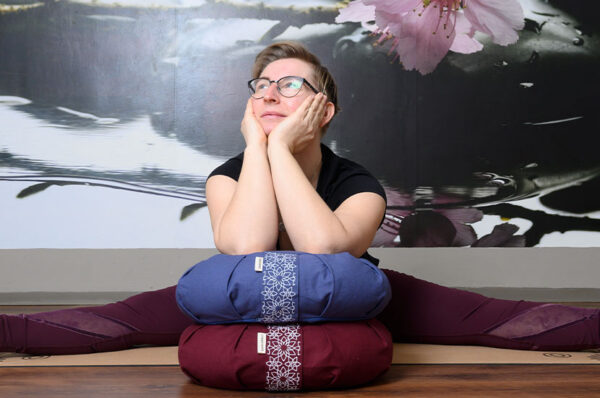
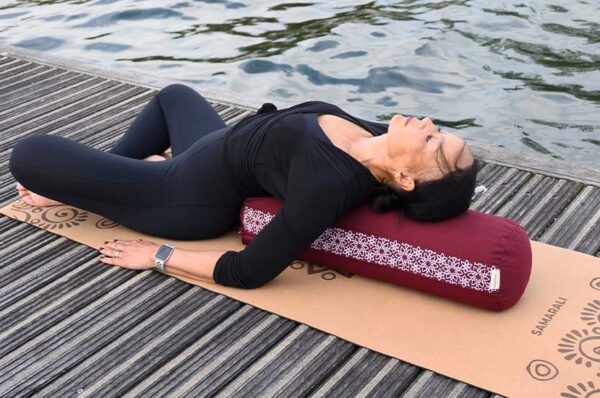
If you already have a meditation or yoga practice, you may find it easy to layer breathwork into your existing routine. A comfortable meditation mat or bolster can support a dedicated pre-sleep breathwork session on the floor before you get into bed.
When should you do breathwork for better sleep?
The most effective time to practice breathwork for sleep is in the 30 to 60 minutes before bed, as part of a consistent wind-down routine. Practicing at the same time each night strengthens the conditioned association between the breathing pattern and sleep onset, making it progressively more effective over time.
You do not need a long session to see results. Even 5 to 10 minutes of focused breathwork is enough to shift your nervous system state meaningfully. If you wake during the night and struggle to fall back asleep, breathwork is equally useful in that moment, since the same physiological mechanisms apply regardless of whether you are trying to fall asleep initially or return to sleep after waking.
Consistency matters more than duration. A short daily practice will outperform an occasional long session. Think of it the way you would any other physical habit: the body responds to repetition, and the relaxation response becomes faster and deeper the more regularly you practice.
Can breathwork replace other sleep hygiene habits?
Breathwork is a powerful addition to a sleep routine, but it works best alongside other sleep hygiene habits rather than as a replacement for them. Factors like consistent sleep and wake times, limiting screen exposure before bed, keeping your bedroom cool and dark, and avoiding caffeine late in the day all address different aspects of sleep quality that breathwork alone cannot fully compensate for.
That said, breathwork is one of the most accessible and immediately effective tools within a sleep hygiene toolkit. Unlike some habits that take weeks to show results, breathwork can produce a noticeable calming effect on the very first night you try it. This makes it a strong entry point for anyone building a sleep routine from scratch.
For people whose sleep difficulties are primarily stress-driven, breathwork may feel like it carries most of the weight on its own. But if underlying issues like irregular schedules, excessive light exposure, or stimulant use are also present, those factors will limit how much breathwork can do. The most reliable approach is to treat breathwork as a cornerstone habit supported by other consistent practices, rather than a single fix.
Ready to build a calming evening ritual that truly supports restful sleep? At Samarali, you will find everything you need to create a grounding wind-down practice — from a supportive meditation mat and meditation cushions for your pre-sleep breathwork sessions to a yoga bolster and organic cotton yoga blanket for gentle restorative movement before bed. Explore the full meditation collection and find the tools that make your practice feel effortless. Shop now and take the first step toward deeper, more restful sleep.
Frequently Asked Questions
How long does it take to see real results from using breathwork for sleep?
Many people notice a calming effect on their very first night, but the deeper, more reliable benefits typically build over 2 to 4 weeks of consistent practice. This is because your nervous system learns to associate the breathing pattern with sleep onset through repetition, making the relaxation response faster and stronger over time. Think of it like building a reflex — the more you practice, the more automatic and powerful the response becomes.
What should I do if I feel lightheaded or anxious when trying these techniques?
Lightheadedness is usually a sign that you are breathing too deeply or too quickly, or that the breath holds are too long for your current comfort level. If this happens, simply return to your natural breathing for a minute and then restart with shorter counts — for example, reducing the 4-7-8 ratio to a 4-4-6 pattern. Mild anxiety during breath holds is also common for beginners; starting with slow diaphragmatic breathing, which requires no counting or holds, is the gentlest entry point and a good way to build confidence before progressing to more structured techniques.
Can I use breathwork if I have a respiratory condition like asthma?
Many people with asthma or other respiratory conditions practice breathwork safely, but it is important to consult your doctor before starting, particularly with techniques that involve breath holds. Slow diaphragmatic breathing is generally the most suitable starting point, as it encourages relaxed, natural breathing without placing strain on the airways. Always listen to your body and avoid any pattern that causes discomfort or triggers symptoms.
Is it better to practice breathwork sitting up or lying down before bed?
Both positions work well, and the best choice depends on your personal comfort and what you are trying to achieve. Practicing seated on a meditation cushion or mat before getting into bed can help create a clear mental ritual and boundary between your wind-down practice and actual sleep. Lying flat in bed is equally effective and is especially useful if you wake during the night, since you can practice without disrupting your sleep environment at all.
Can children or teenagers use breathwork to help with sleep?
Yes, breathwork is safe and effective for children and teenagers, and simpler techniques like slow belly breathing are particularly easy for younger people to learn. For children, framing the practice playfully — such as imagining the belly as a balloon slowly inflating and deflating — can make it more engaging and easier to stick with. Teenagers dealing with stress or anxiety-related sleep difficulties may find box breathing especially helpful, as the structured counting gives a clear mental focus that quiets an overactive mind.
What if my mind keeps wandering during breathwork and I lose count?
This is completely normal, especially in the early stages of practice — simply notice that your attention has drifted and gently return to the count without judgment. Box breathing is particularly useful for people who struggle with mental wandering, since the four equal phases give the mind a more demanding pattern to follow. Over time, the act of returning your focus to the breath actually strengthens your ability to stay present, which itself contributes to a calmer, more sleep-ready state of mind.
Should I use an app or guided audio for breathwork, or is it better to practice independently?
Both approaches are valid, and the right choice depends on your learning style and experience level. Guided apps or audio can be very helpful when you are first starting out, as they remove the mental effort of tracking counts and let you focus entirely on the breathing itself. As you become more comfortable with a technique, transitioning to independent practice is worthwhile, since it gives you the flexibility to use breathwork anywhere — including in bed in the middle of the night — without needing a device.